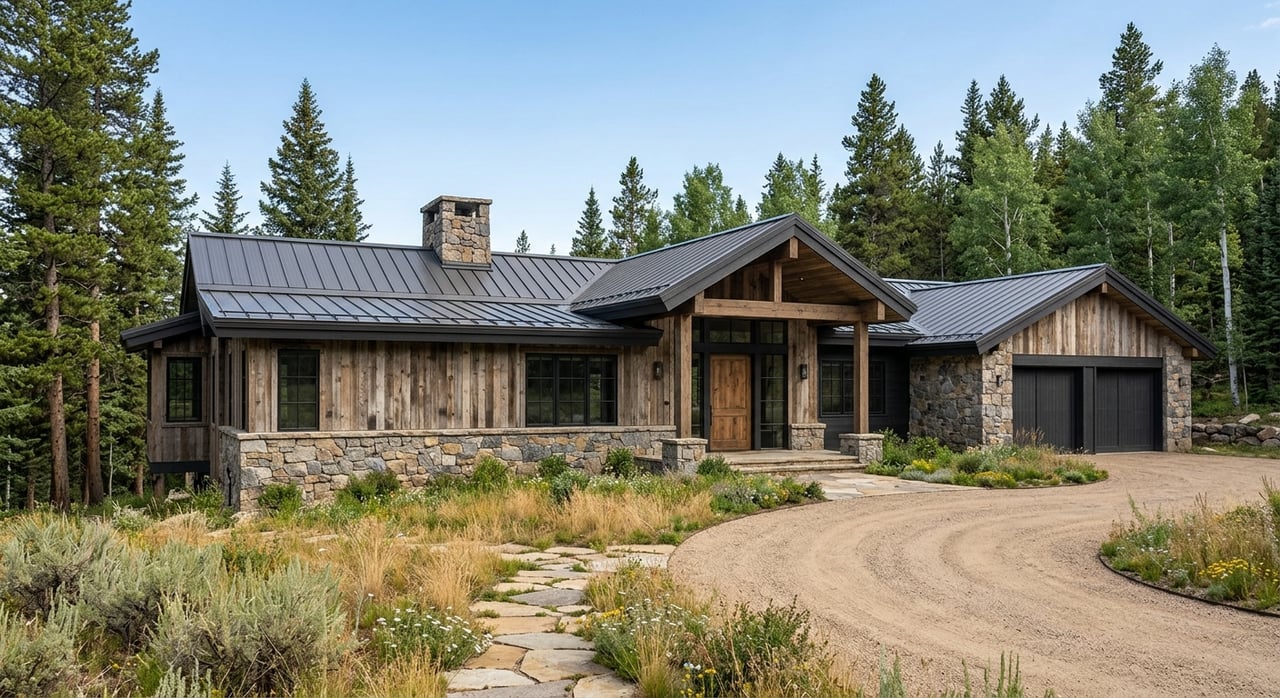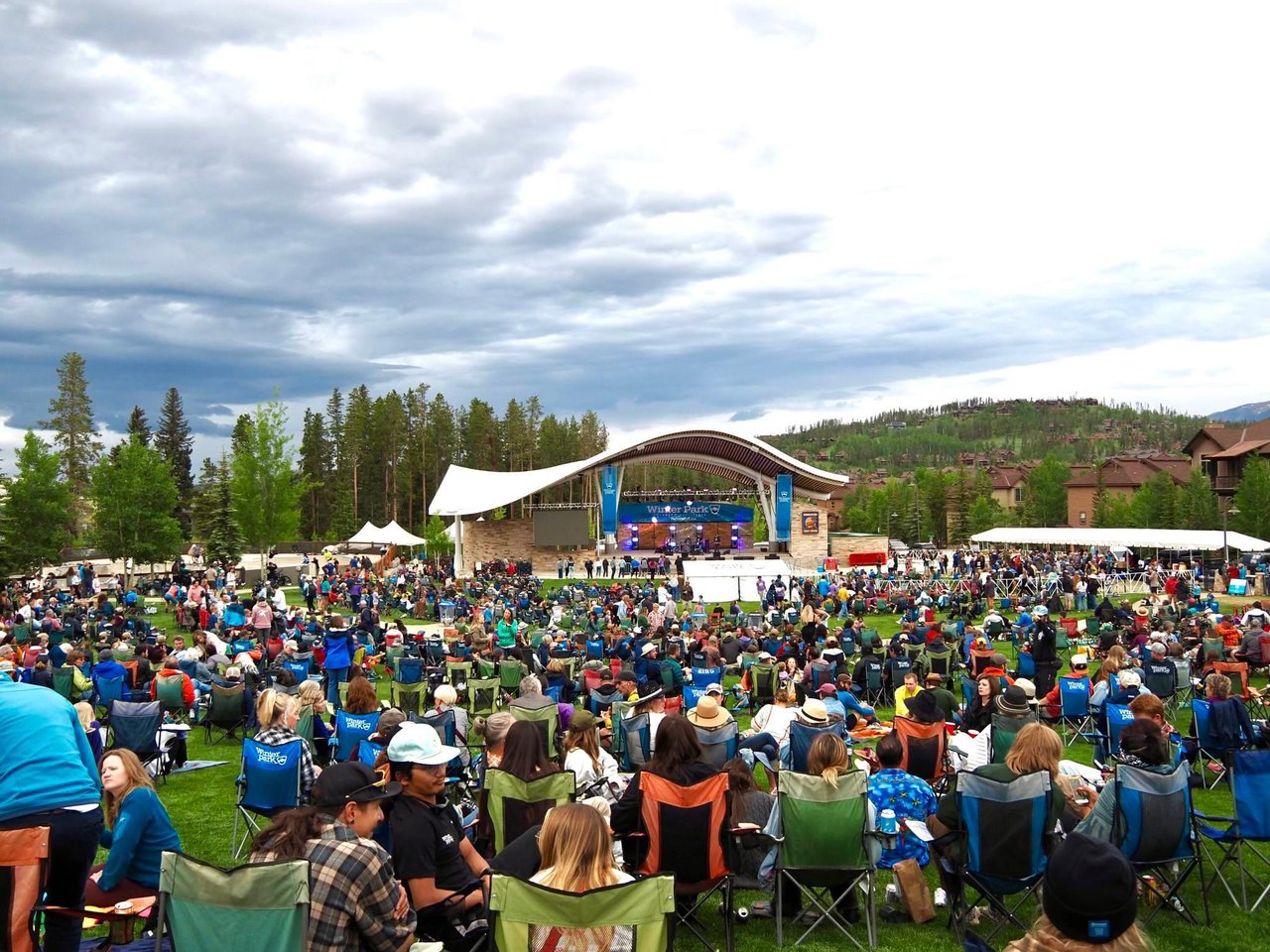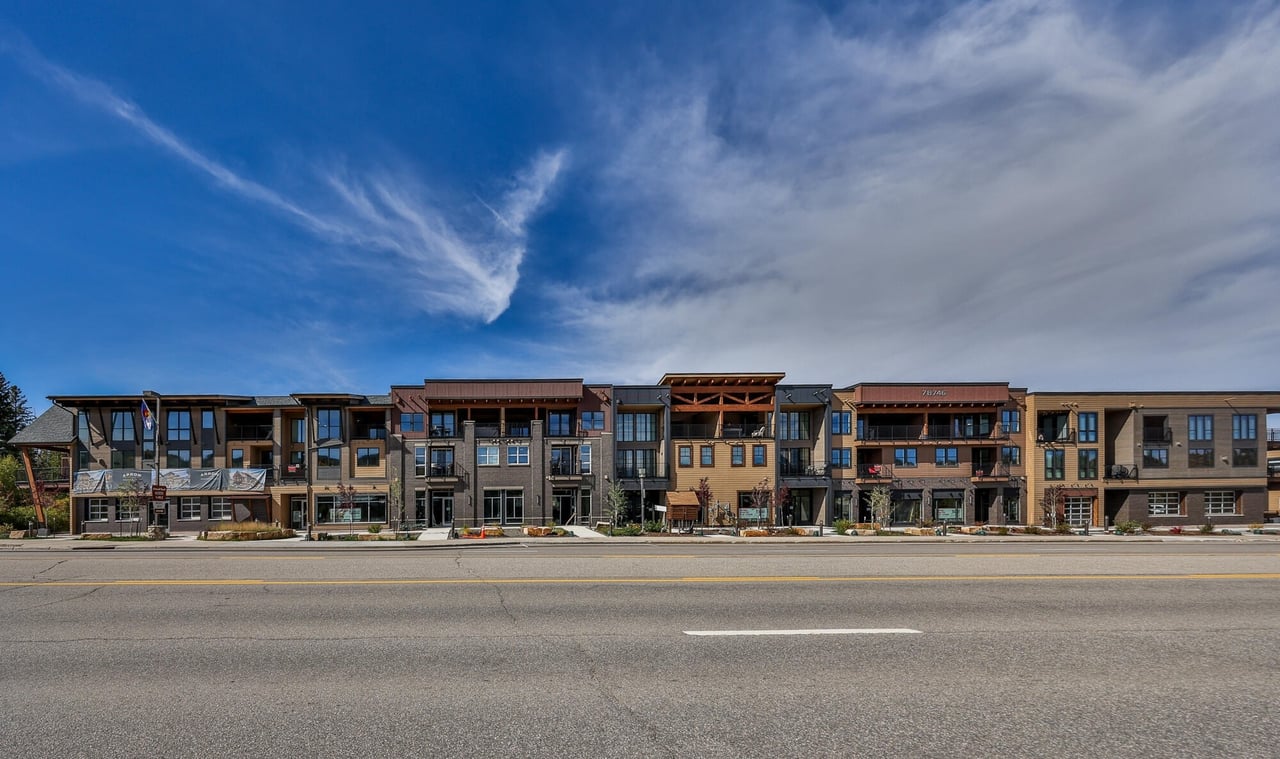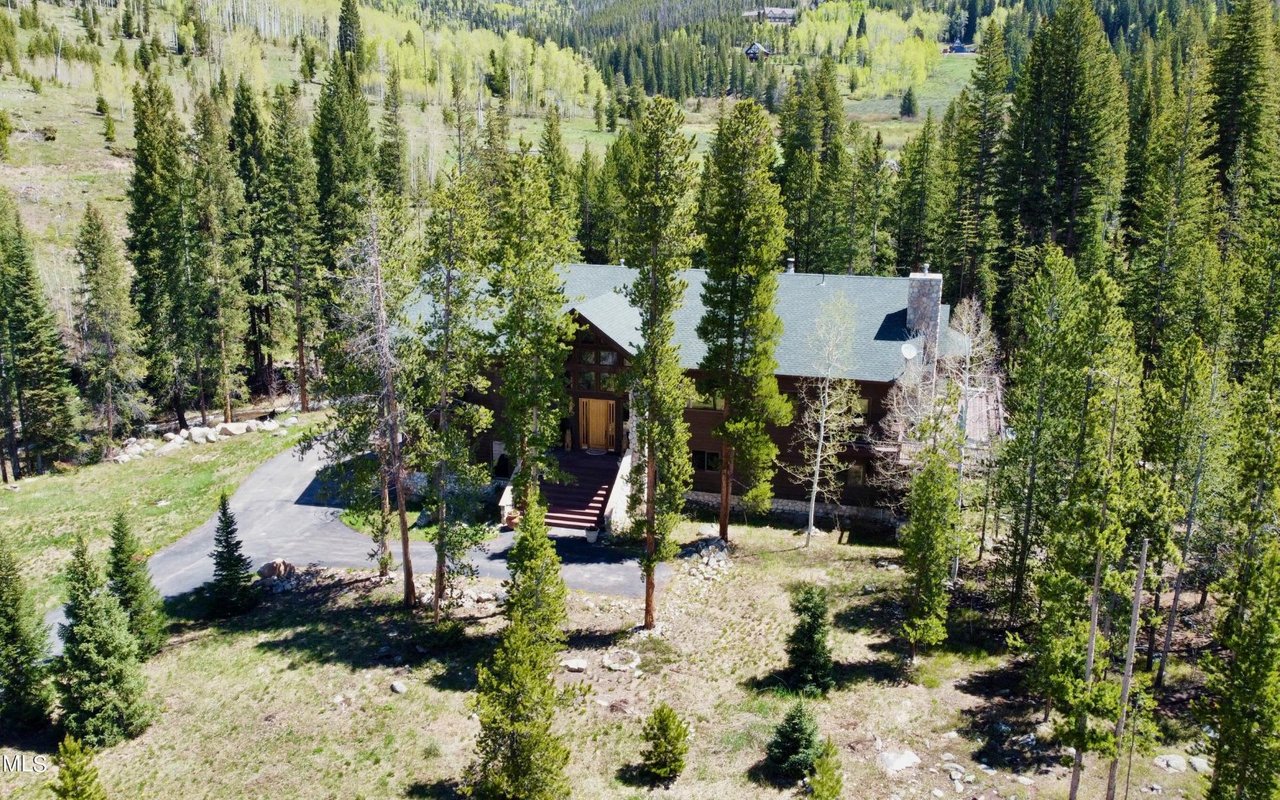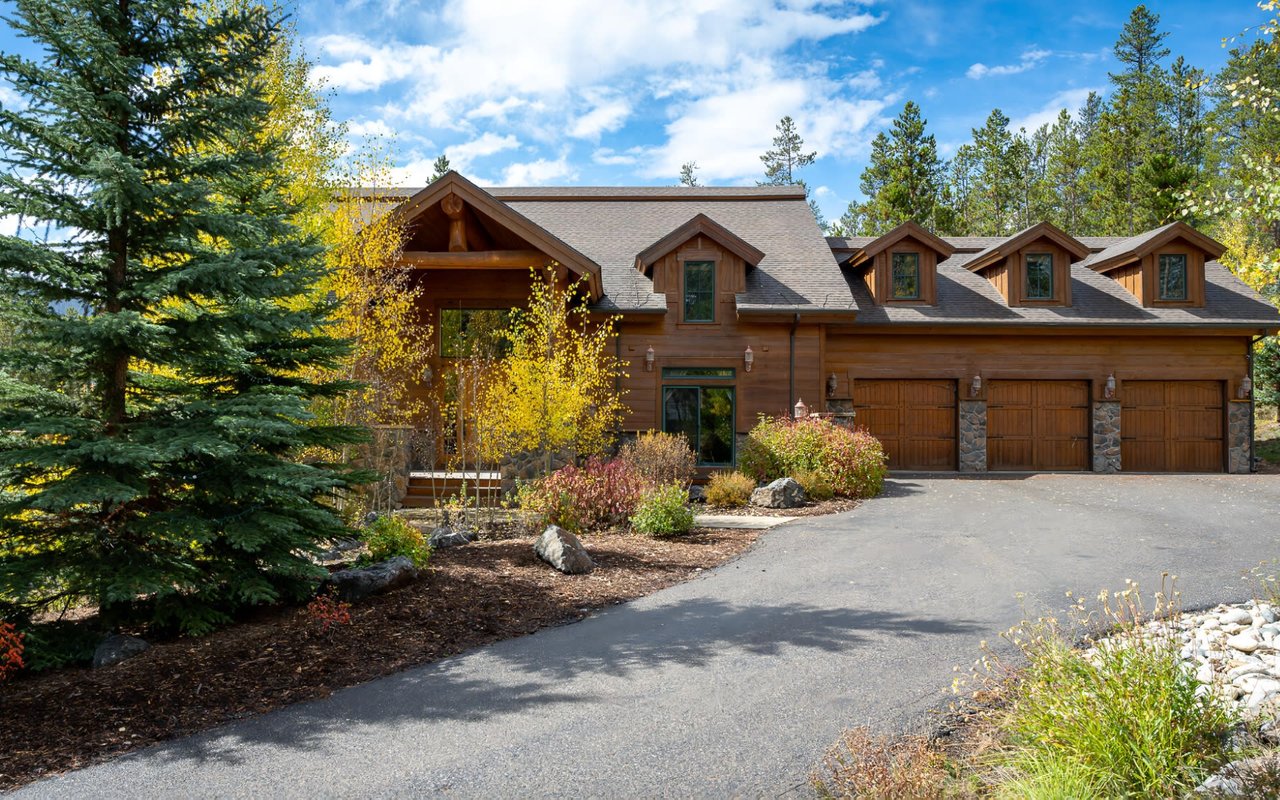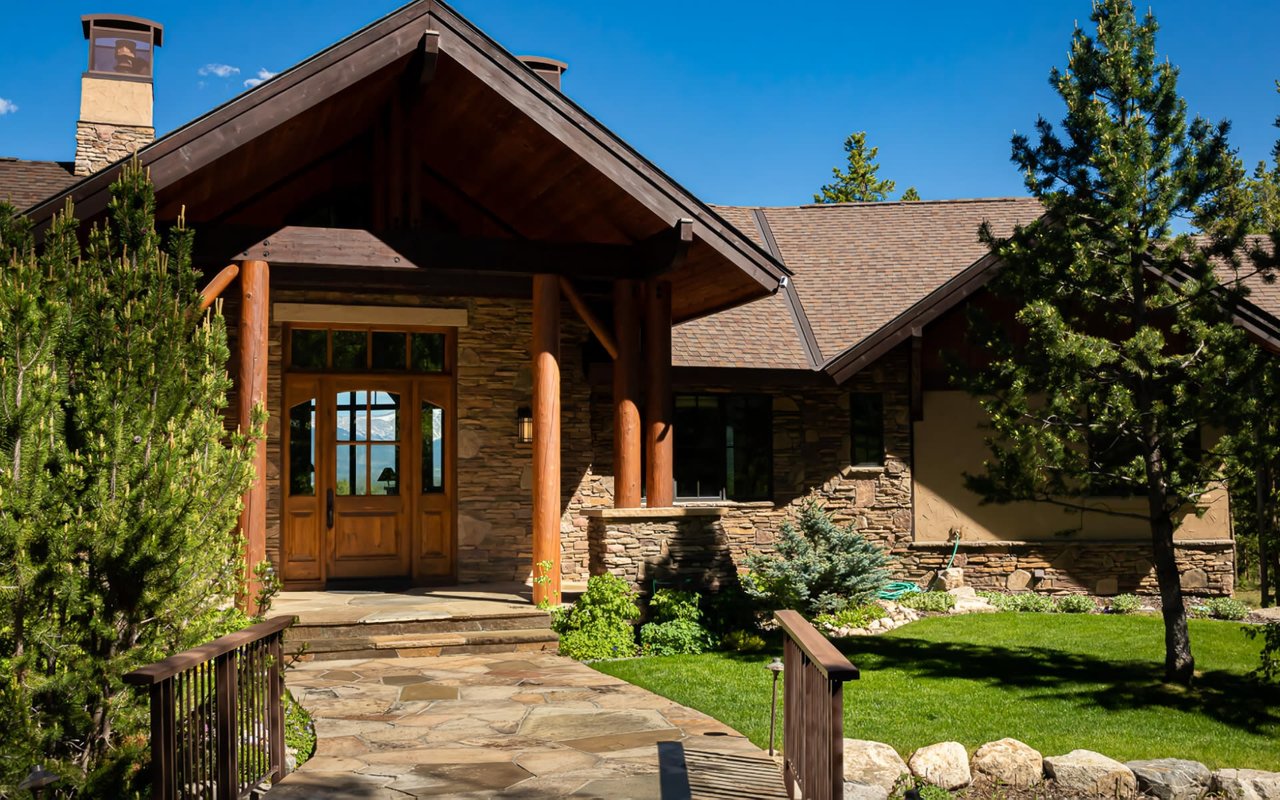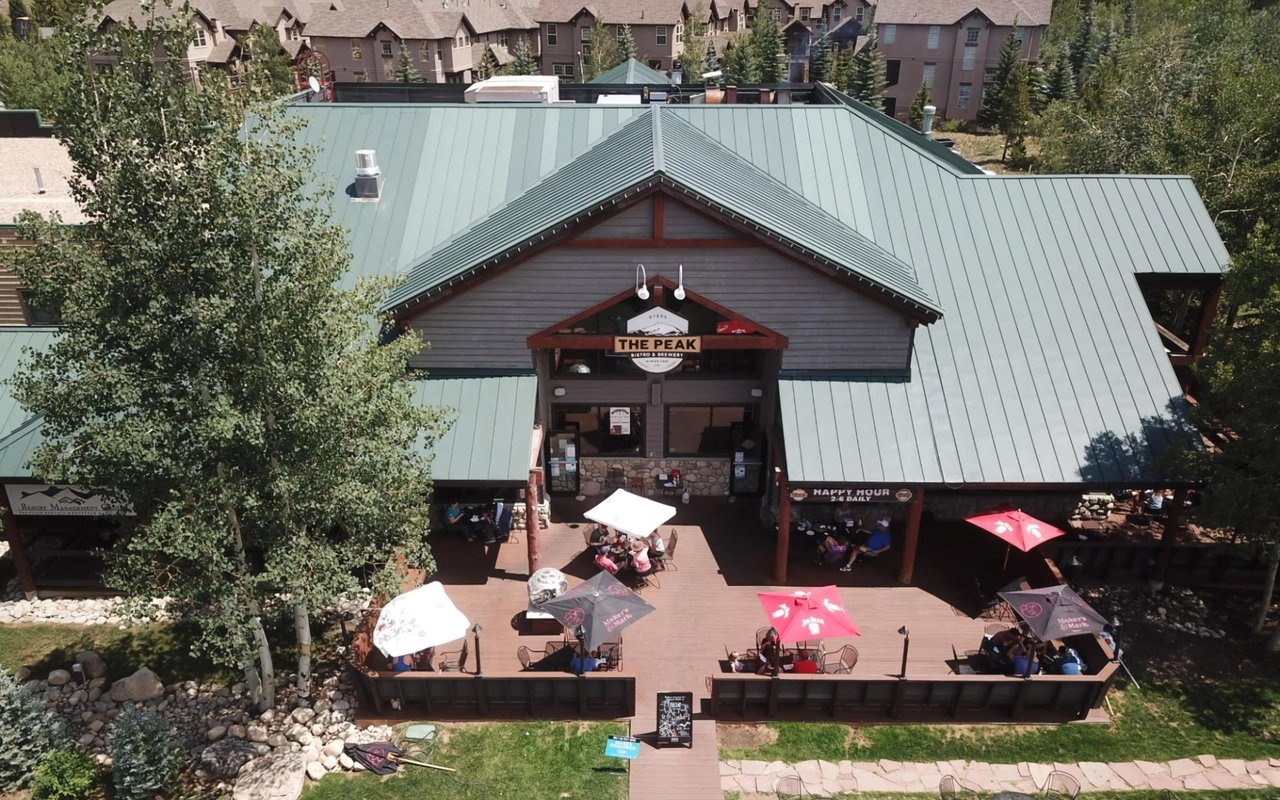
Thinking about buying a home in Granby but not sure where to start? Mountain towns come with different rules, seasons, and surprises. You want a clear plan that helps you compare options across Grand County and avoid costly mistakes. In this guide, you’ll get a step-by-step roadmap tailored to Granby, with tips on timing, inspections, HOA and short-term rental rules, and how to move in snow season. Let’s dive in.
Why Granby works for buyers
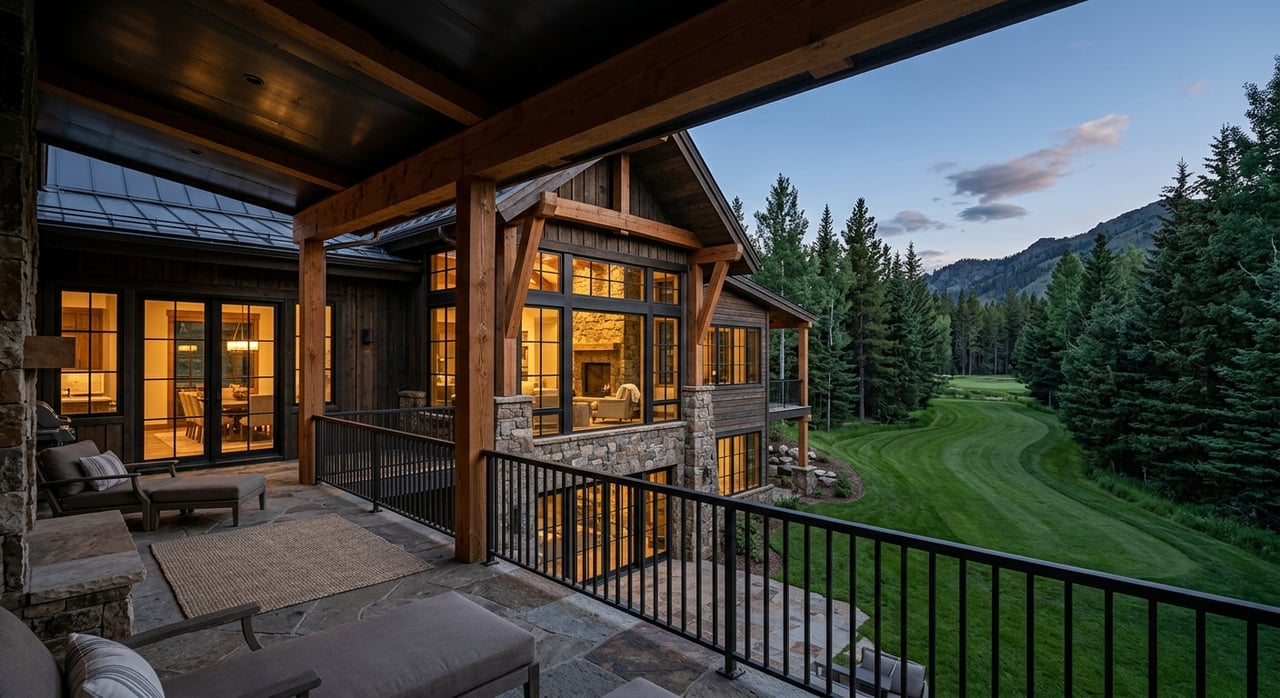
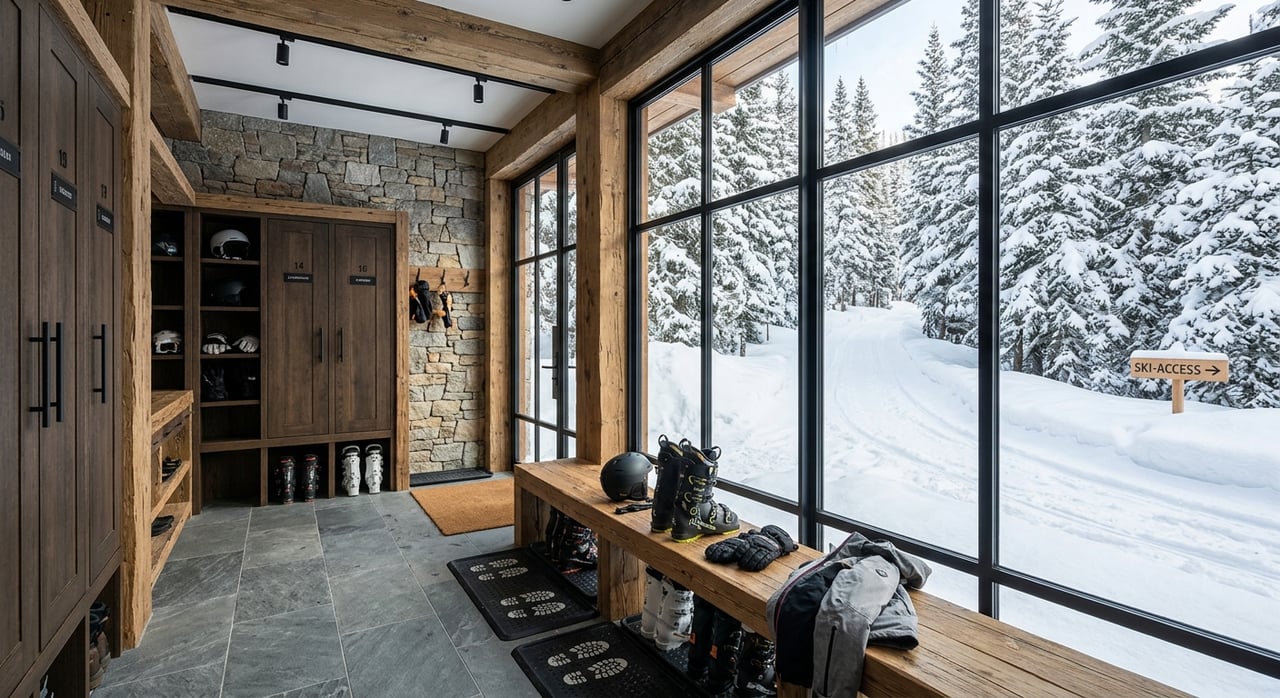
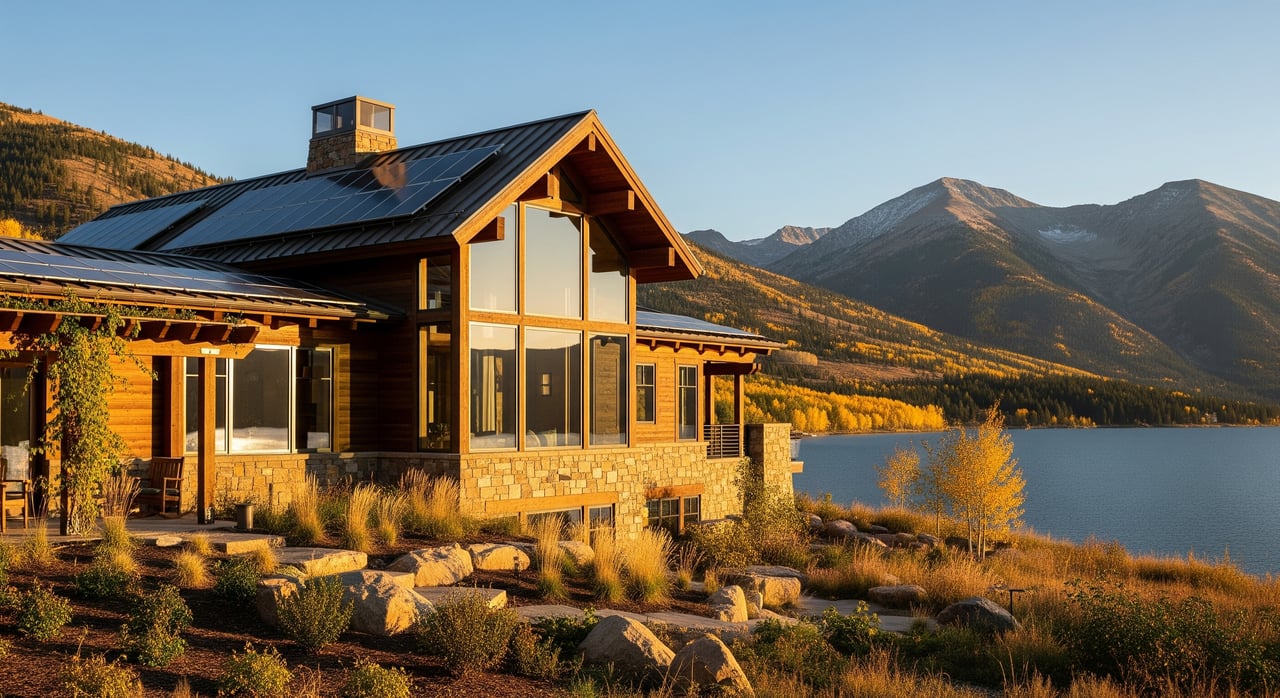
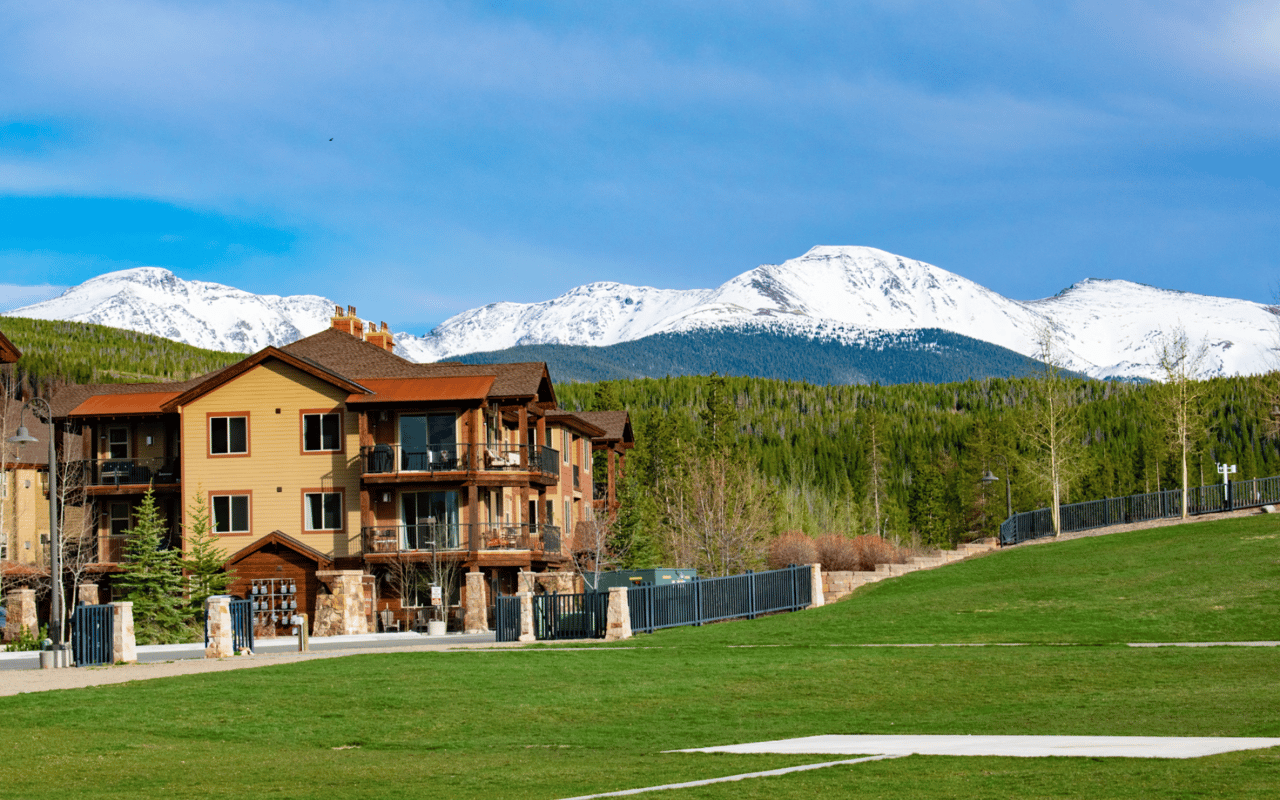
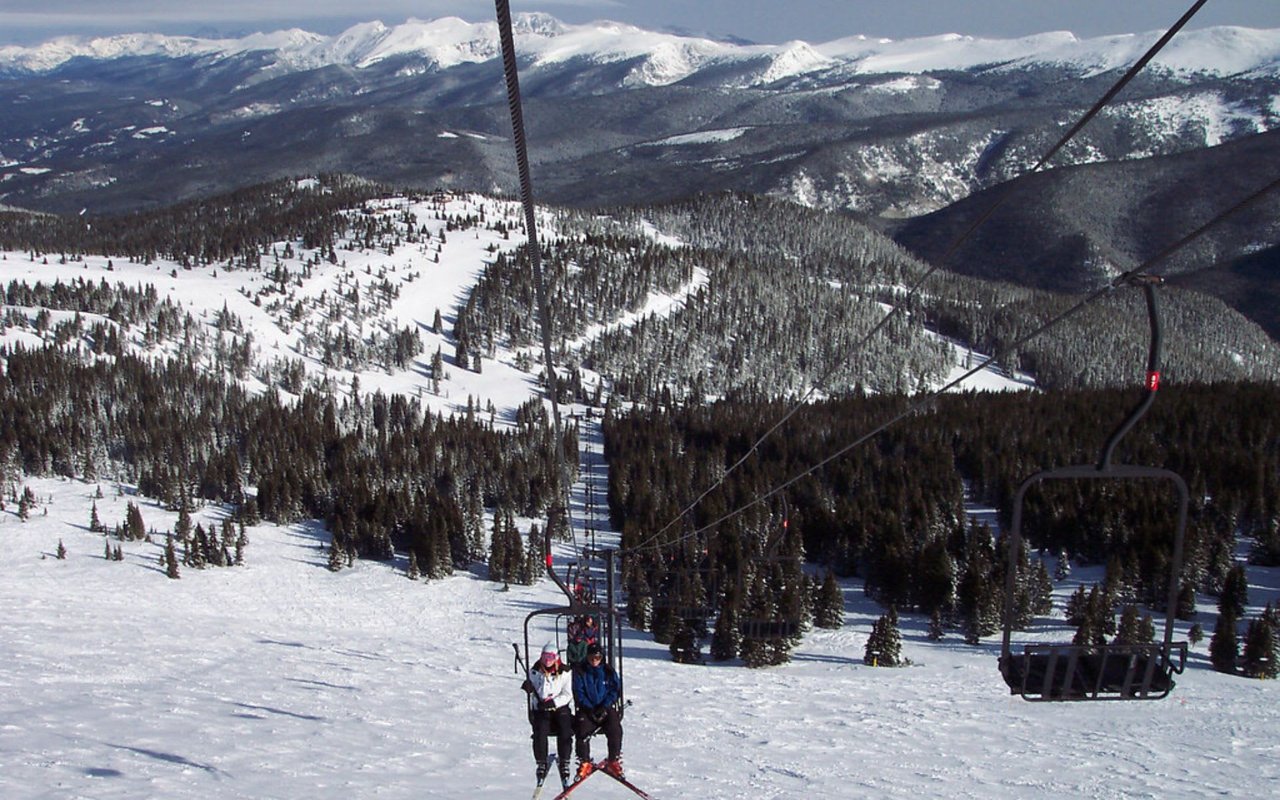
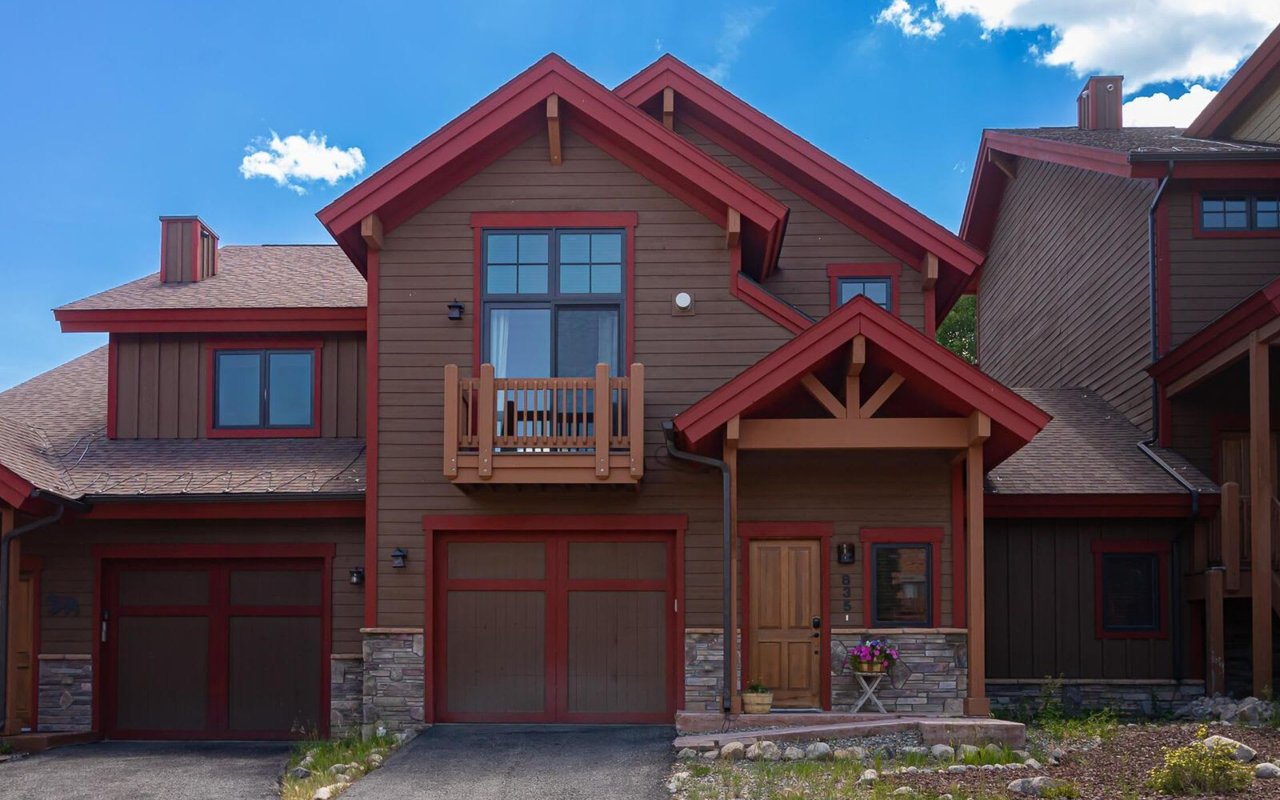
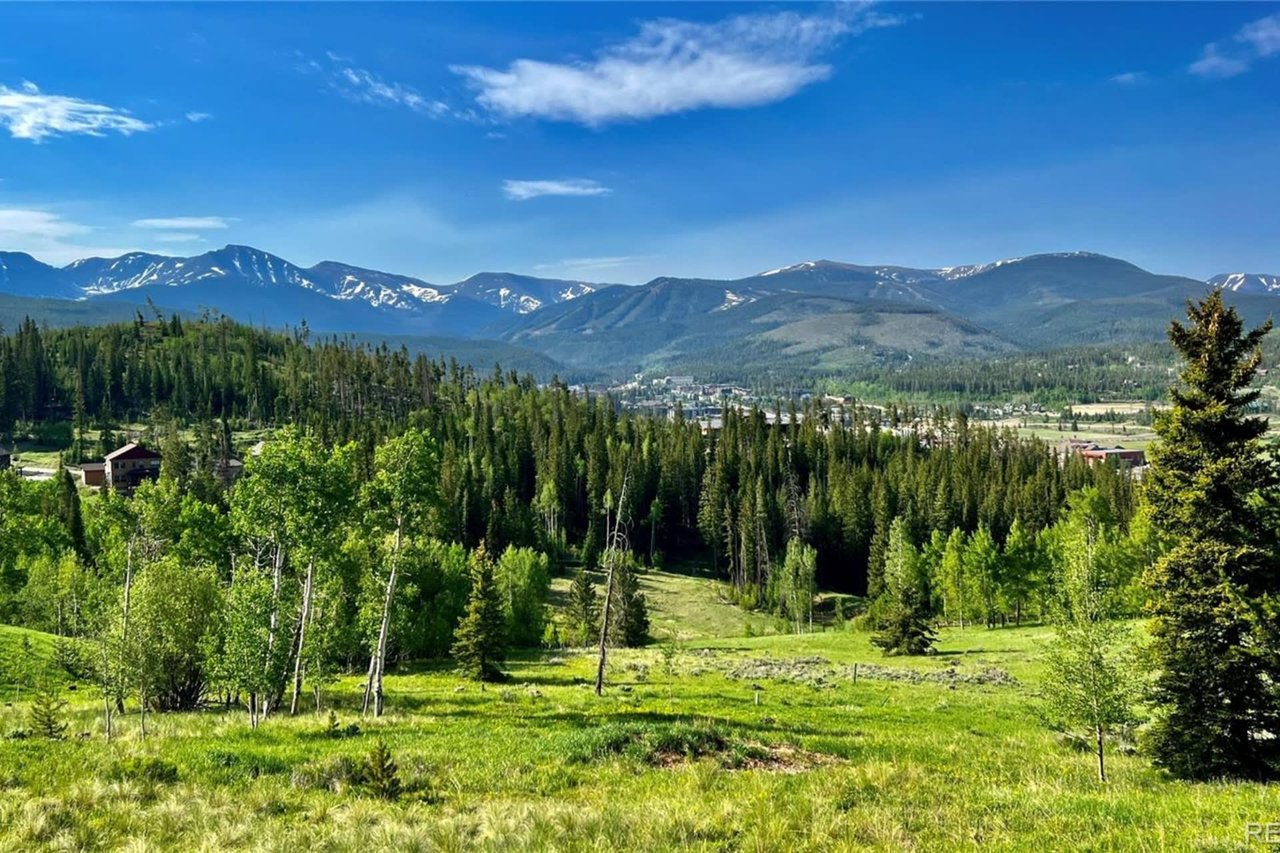
Granby offers year-round recreation with a mix of single-family homes, cabins, condos, and land. You get access to skiing, fishing, and boating with a more relaxed feel than some resort towns. Prices and product types often vary compared with Winter Park or Grand Lake, so you can match your budget and lifestyle.
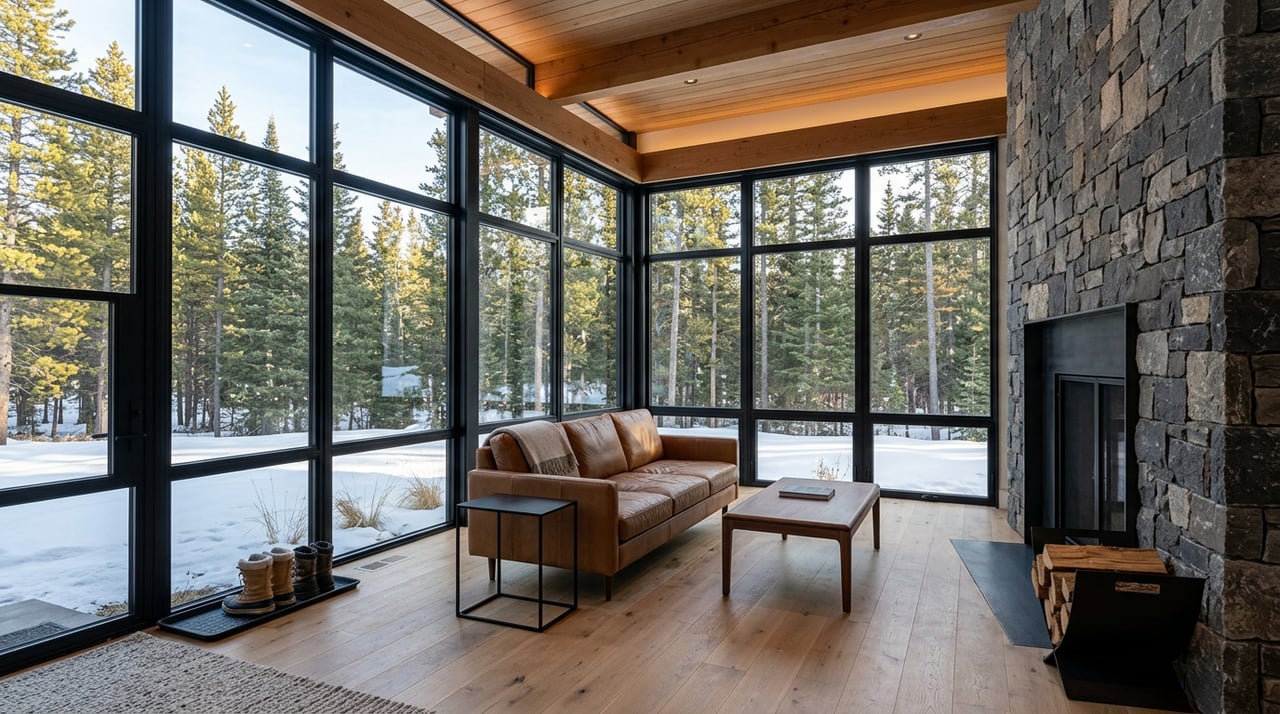
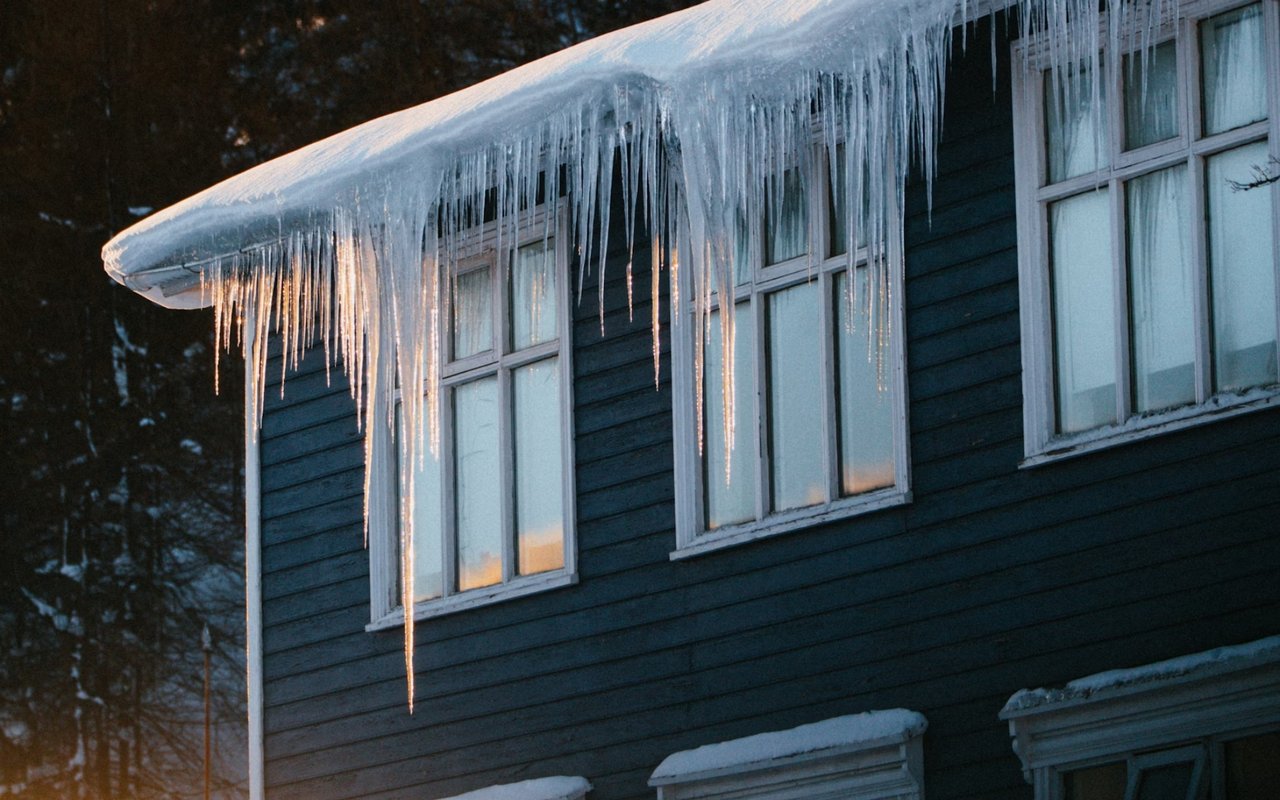
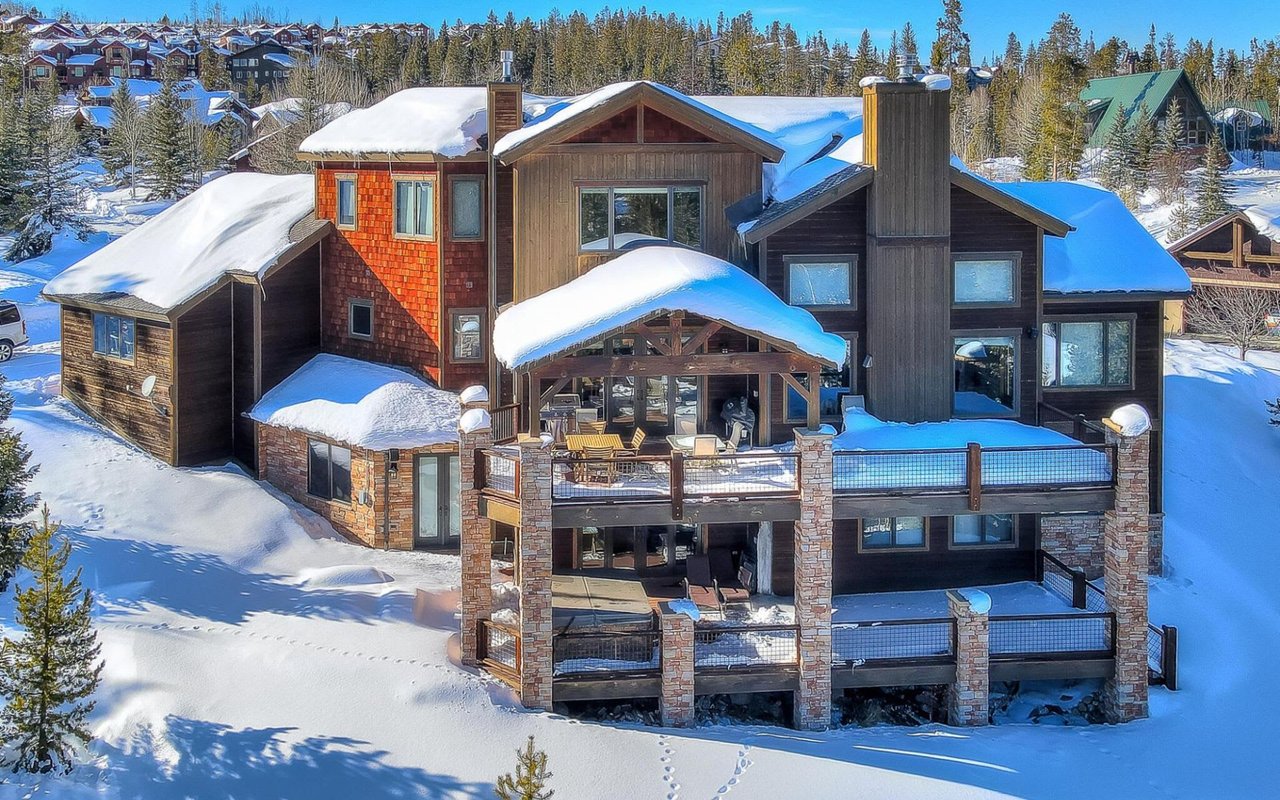
Mountain realities matter here. High elevation brings heavy snow, icy roads, and freeze-thaw cycles. Some neighborhoods have limited cell or internet coverage. Many properties rely on private wells and septic systems instead of municipal services. Keep these factors front and center as you plan.
Step 1: Get ready
Secure financing early
Get a written pre-approval and confirm you have funds for down payment and closing costs. Mountain properties often attract cash buyers, so a solid pre-approval helps you compete.
Clarify your use
Decide if the property will be a primary home, second home, or investment. This choice can affect financing terms, insurance, taxes, and HOA or rental rules.
Choose a local buyer’s agent
Work with an agent who knows Grand County’s MLS, well and septic issues, road maintenance realities, and seasonal patterns. Local insight can help you avoid risk and spot value.
Budget for mountain costs
Plan for higher homeowner’s insurance, potential private road or snow removal fees, propane or generator systems, and well and septic testing. You may also need improved title and survey work on irregular parcels.
Step 2: Search smarter in Granby
Filter for mountain realities
Look at year built and insulation, road access in winter, utility types (well and septic vs municipal), driveway grade and snow storage, sun exposure, and wood or pellet stoves. Ask about service records for any wood-burning appliances.
Verify connectivity
Check cell signal and internet options for each address. Some locations may require satellite service. Confirm realistic speeds before you fall in love with a home.
Confirm winter access
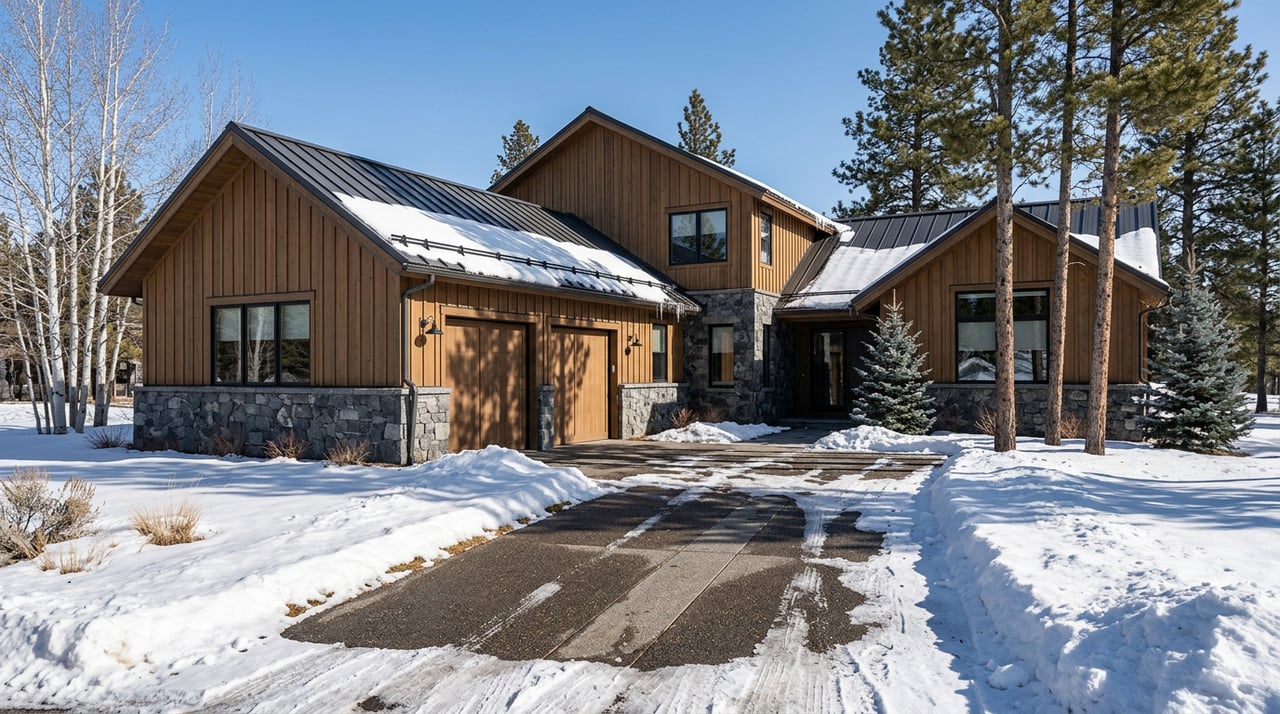
Request photos of driveways and access points. Ask about plowing history, where snow stacks up, and who pays for road maintenance. This can affect both safety and ongoing costs.
Step 3: Craft the offer
Time your move
Demand usually rises before ski season and again in late spring and early summer. Off-season months can offer fewer competing buyers and more room to negotiate.
Use key offer terms
- Earnest money: a higher amount can show seriousness. Ask your agent about local norms.
- Contingencies: leave enough time for septic and well testing plus specialized inspections such as roof, chimney, radon, and wildfire exposure.
- Escalation clauses: helpful in multiple offers, but confirm appraisal and financing can support your top number.
- Appraisal gap: set aside a buffer if prices and appraisals are volatile.
- Closing timeline: avoid heavy snow periods if possible, or build in extra time for weather.
Create leverage
Consider seller concessions for closing costs, including helpful equipment like a snowblower or generator, and flexible timing. If needed, negotiate an as-is price with a repair credit after inspections.
Step 4: Do your due diligence
Schedule thorough inspections
Order a general home inspection, plus roof, chimney or wood-burning appliances, HVAC, plumbing, and electrical. Many Granby homes benefit from radon testing, foundation reviews for freeze-thaw effects, and checks for water intrusion after snowmelt.
Evaluate water and septic
Request well logs, production tests, and water-quality results. Confirm septic permits, service history, and compliance with county public health standards. For vacant land, verify that the lot is buildable and meets septic and soil requirements.
Check hazards and environment
Review wildfire risk and whether defensible-space work is required or recommended. Confirm floodplain status. If a property sits near steep slopes, ask about avalanche exposure and whether a specialist assessment is appropriate.
Review title and survey
Confirm access easements, right-of-ways, and exact lot lines. Ask about mineral rights if relevant. Mountain parcels often have unique easements or shared access.
Read HOA and STR rules
If the property has an HOA, read the financials, reserves, meeting minutes, and litigation disclosures. Review CC&Rs and confirm rules on rentals, road and snow maintenance, special assessments, and any transfer fees. If you plan to rent short-term, verify local ordinances, licensing, occupancy limits, parking, trash, and taxes.
Step 5: Close and settle in
Transfer utilities and winterize
Arrange propane delivery, transfer electric accounts, and line up snow removal. If closing in winter, plan utility activation with extra time. Consider a generator service and pipe insulation before the next cold snap.
Lock in insurance
Confirm homeowner’s insurance availability and cost. Ask about wildfire, wind, and any flood requirements. If you plan to rent, consider loss-of-use coverage.
Line up local help
If you are a remote owner, build a local contact list for snow removal, septic pumping, yard care, and emergency response. This support keeps your home safe and ready for your next visit.
Granby timing: ski and summer
Market windows
Listings often rise in late spring and early summer, with buyer activity ramping up before ski season. Off-season periods can offer better negotiation, though inspections and access can be more complex in winter.
Moving and contractors
Plan for weather delays in winter. Contractors are busiest in summer, so factor that into repair or remodel timelines.
Rental seasonality
Short-term rental demand typically peaks during ski months and summer recreation. Budget for seasonality and vacancy, and plan for holiday or event spikes.
Maintenance timing
Order propane and generator servicing before heavy snow. In spring and summer, schedule septic pumping, roof inspections for snow damage, and defensible-space work.
Practical checklists
Pre-offer checklist
- Written pre-approval and funds for closing
- Local buyer’s agent engaged
- Confirm utilities, cell, and internet options
- Decide use: primary, second home, or rental
- Budget for insurance, well and septic, and snow removal
Offer checklist
- Earnest money amount
- Inspection windows for septic and well
- Season-aware closing timeline
- Escalation clause strategy
- Appraisal-gap plan
Due diligence checklist
- General inspection plus roof, chimney, radon
- Well logs, production, and water-quality tests
- Septic permits and service history
- HOA financials, CC&Rs, rental rules
- Title search, survey, and easements
- Floodplain and wildfire exposure review
- Insurance quotes for wildfire and wind
Move and logistics checklist
- Transfer electric and arrange propane
- Set up snow removal services
- Winterize pipes and schedule generator service
- Local service and emergency contact list
Granby-specific negotiation tips
- Use off-season timing to your advantage
- Request disclosures about winter access and plowing
- Ask for recent snow removal records
- Confirm history of special assessments in the HOA
- Negotiate for practical equipment, like a snowblower
Final thoughts
Buying in Granby is about more than price. It is about matching your lifestyle with the mountain realities of wells, septic systems, winter access, and HOA or rental rules. With the right plan and local guidance, you can move with confidence and enjoy four seasons of Colorado living.
If you want a local partner who understands Grand County’s nuances and can guide you from search to close, connect with Sanderson Real Estate. We will help you prepare, negotiate, and land the right property at the right time.
FAQs
Do I need a local agent in Granby?
- Yes. Local agents understand seasonal access, well and septic issues, HOA rules, and timing strategies that can protect your budget and your time.
Are mortgages available for mountain cabins?
- Often yes, but underwriting can be tighter for second homes, rentals, or properties with well and septic concerns. FHA and VA have specific property standards.
Which inspections are essential in Granby?
- Start with a general inspection, then add septic evaluation, well testing, radon, roof and chimney reviews, and a wildfire exposure check when relevant.
How important are HOA documents?
- Very important. HOAs can limit rentals, charge special assessments, and control road and snow maintenance. Read financials, reserves, CC&Rs, and minutes.
What should I confirm about utilities and internet?
- Verify the power provider, propane vs natural gas, well and septic status, and realistic cell and internet options at the specific address.
Can I buy land and build in Grand County?
- Possibly. Confirm zoning, well and septic feasibility, road access, water rights questions, and wildfire and building code requirements before closing.