Worried about high winter bills and protecting your mountain home while you are away? In Grand Lake’s high-altitude climate, the right energy upgrades do more than save money. They also reduce ice-dam risk, protect plumbing, and keep your home comfortable when you arrive. This guide shows you where to invest first, how to plan for vacancy periods, and which upgrades deliver the best long-term value. Let’s dive in.
Why Grand Lake homes need a different plan
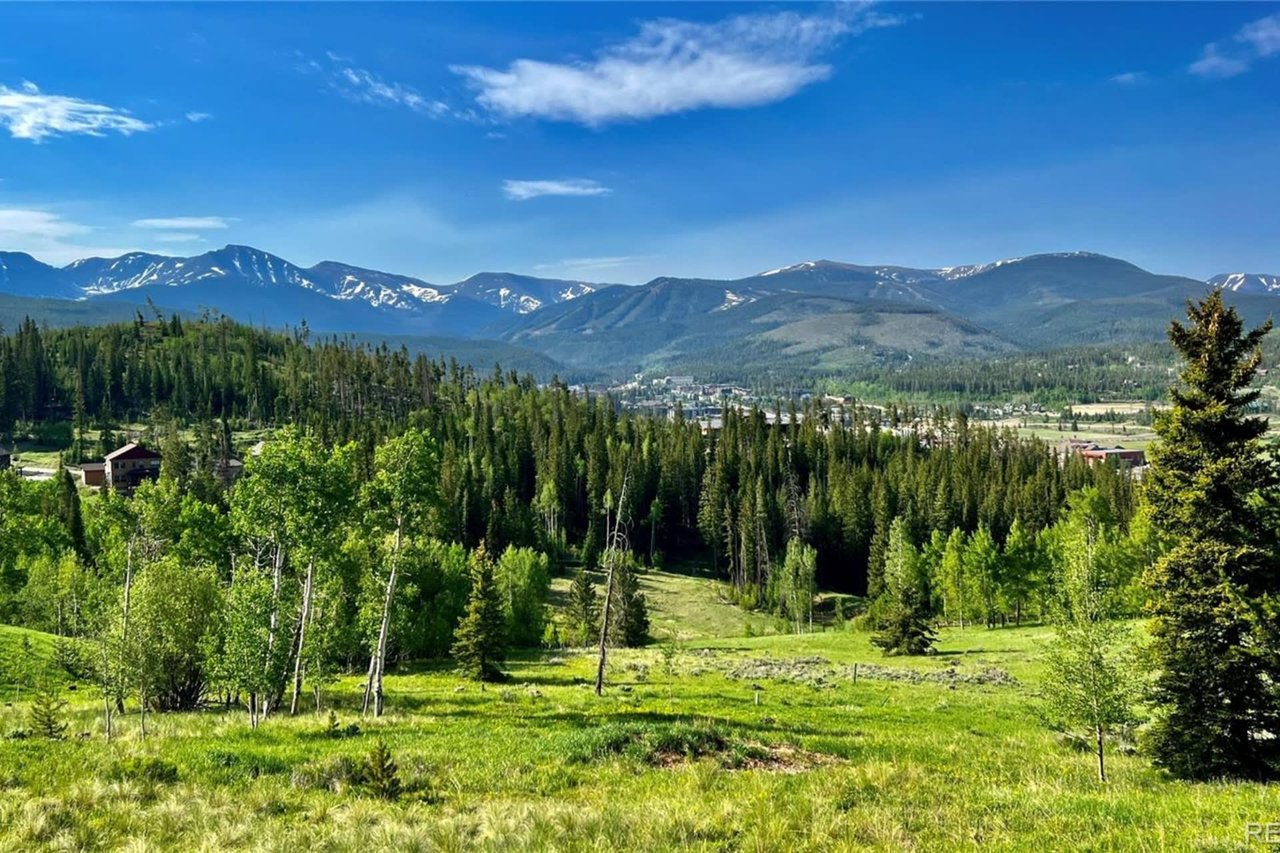
Grand Lake sits at roughly 8,300 to 8,400 feet. You get stronger solar radiation, deep winter nights, and big day-to-night temperature swings. Winter is long, snowy, and tough on roofs and mechanical systems.
If you own a second home, you also manage long vacant periods. That affects how you set thermostats, protect pipes, and control humidity. Together, these factors make airtightness, insulation, moisture management, and smart controls the top priorities.
Start here: seal and insulate the envelope
Air sealing priorities
Air leaks drive heat loss in cold climates. Focus on the attic plane, rim joists, recessed lights, and plumbing or electrical penetrations. Seal the garage-to-house connection carefully. A blower-door test and infrared scan help you find the biggest leaks and prove results.
Attic and roof insulation
Attic insulation delivers the fastest savings. Pair it with an effective air barrier to stop warm air from reaching the roof deck. In vaulted or cathedral ceilings, consider a conditioned, unvented approach with carefully detailed air and vapor control. Always check local code for exact R-value targets.
Floors, rim joists, and basements
Rim joists often leak and conduct heat. Seal and insulate them for an outsized benefit. Insulate floors over unheated spaces and consider insulating basement walls or slab edges. This reduces heat loss and lowers freeze and moisture risks near foundations.
Smarter windows for mountain comfort
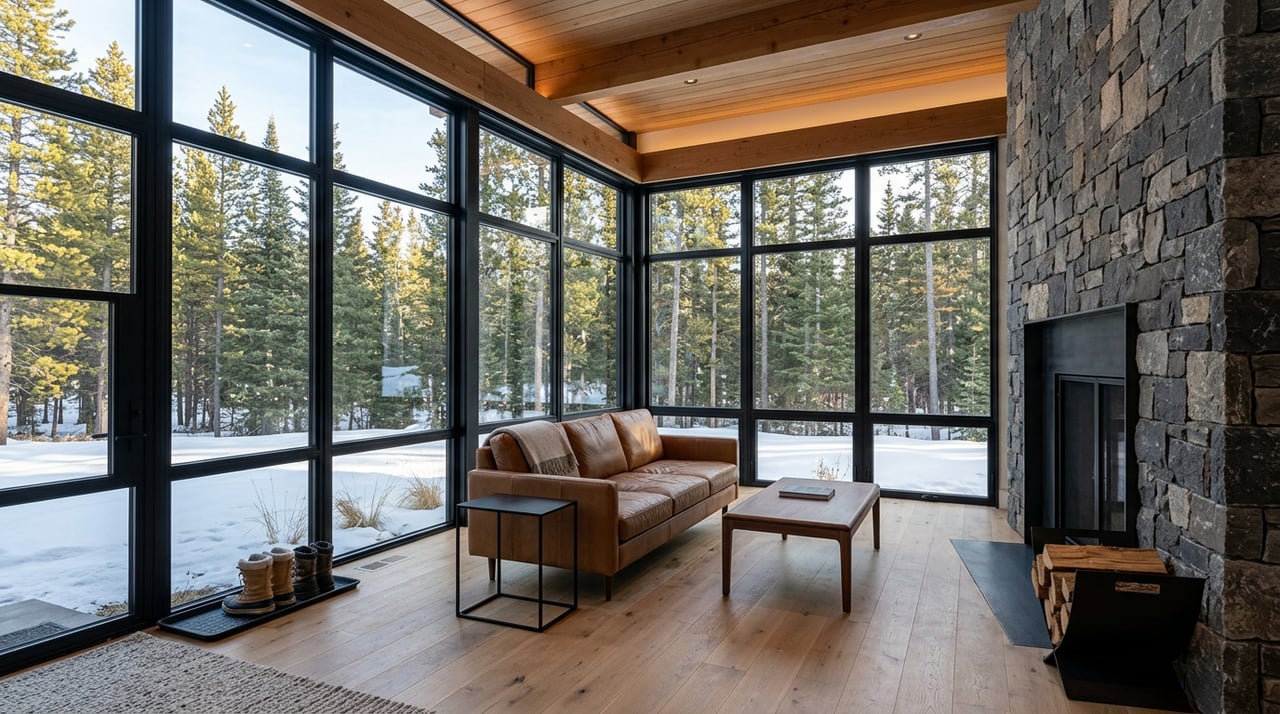
High-performance windows improve comfort and reduce condensation in cold, high-altitude settings. Look for triple-pane units with low U-factors, low-e coatings, warm-edge spacers, and insulated frames. For south-facing windows, a higher solar heat gain coefficient can help capture winter sun. For other orientations, moderate SHGC to avoid shoulder-season overheating.
If full replacement is not in the budget, add quality storm windows or interior insulating panels. When replacing, make sure flashing and water management details are correct to handle freeze-thaw cycles.
Moisture, ventilation, and ice-dam control
Vapor management basics
Cold climates require smart vapor control and drying paths. Avoid trapping moisture between impermeable layers. Design assemblies to dry in at least one direction and pair tight envelopes with right-sized mechanical ventilation.
Ice-dam prevention
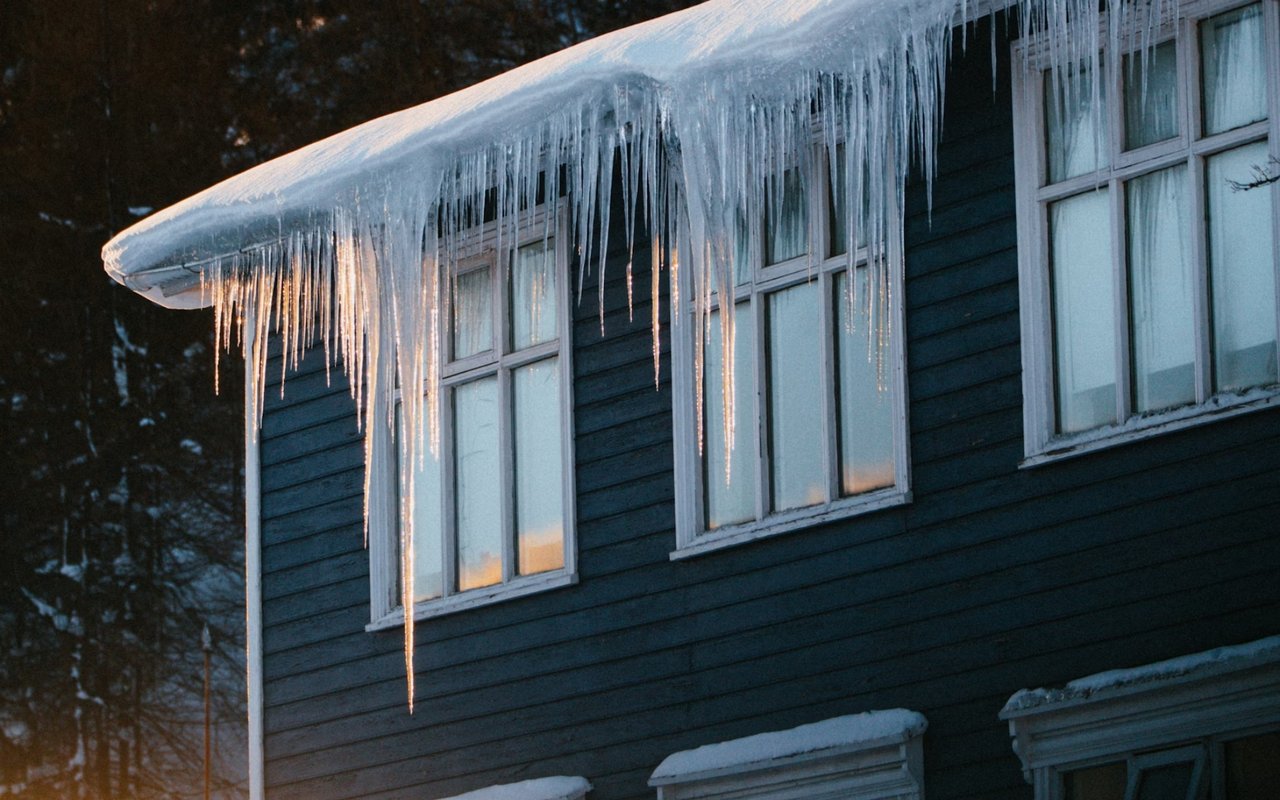
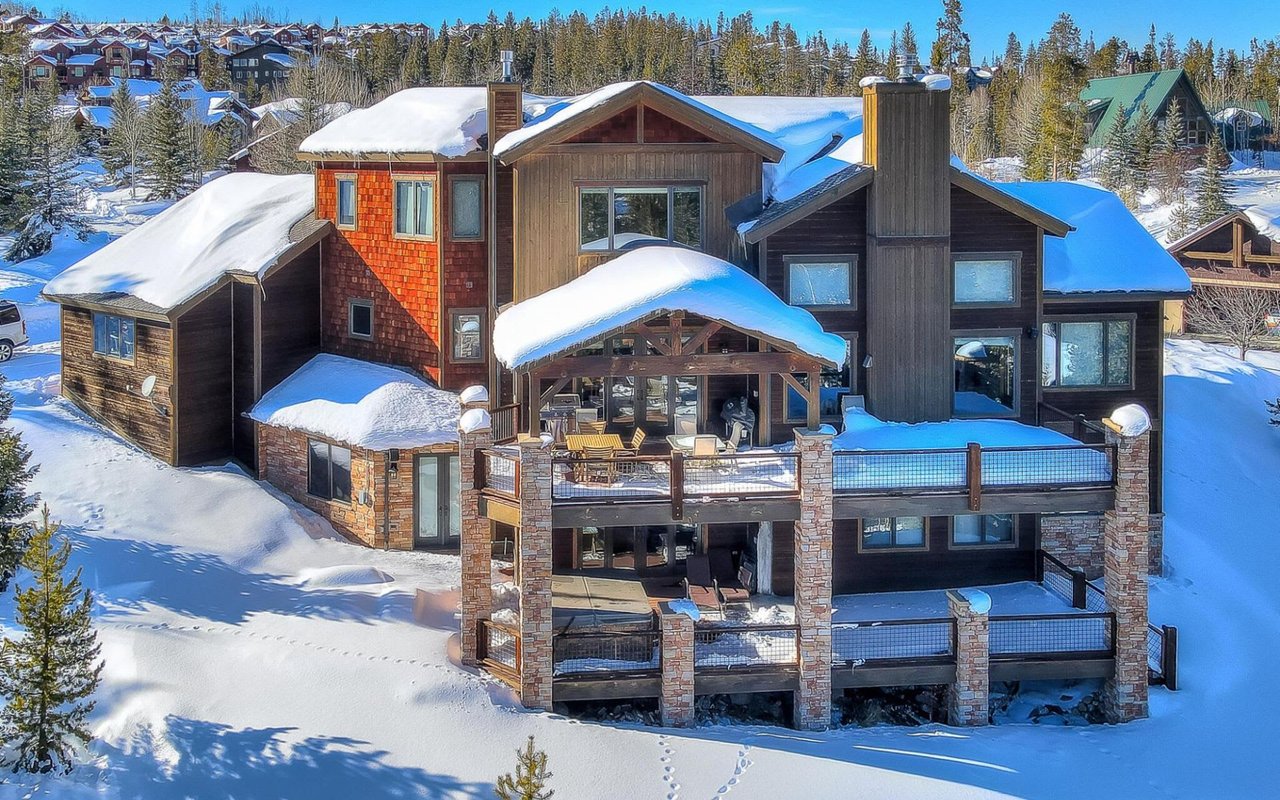
Ice dams happen when heat escapes into the attic, melts roof snow, and refreezes at the eaves. Prevent them by air sealing the ceiling plane, adding continuous insulation, and providing proper roof ventilation. For conditioned roofs, detail the air barrier and insulation to keep the roof uniformly warm. Heated cables are a last resort.
Mechanical ventilation with recovery
Tighter homes need balanced ventilation for healthy air. Heat recovery ventilators (HRVs) and energy recovery ventilators (ERVs) exchange stale air for fresh while conserving heat and managing moisture. In second homes, set a low continuous rate and boost during occupancy.
Heating and hot water that fit second-home life
Cold-climate heat pumps
Modern cold-climate air-source heat pumps can work well in Grand Lake’s winter conditions. Performance will drop in extreme cold, so plan for a backup heat source. Size equipment to the actual load and consider zoning or modular setups for efficiency when the home is empty.
Hydronic and dual-fuel options
Hydronic systems, including radiant floors, provide steady winter comfort and flexible zoning. Dual-fuel setups that pair a heat pump with a gas or propane furnace can balance efficiency with reliability in deep cold.
Smart controls and safe setbacks
Use smart thermostats with remote access for vacancy mode, pre-heat scheduling, and alerts. Keep a safe freeze-protect setback rather than turning systems off. Depending on plumbing location and protection, safe targets are often in the mid-teens to low-20s Fahrenheit. Add monitored sensors for temperature, humidity, water leaks, and power loss.
Hot water strategies
Insulate hot-water pipes and tanks. For long vacancies, consider turning off water and draining lines if appropriate. For intermittent use, an on-demand unit can reduce standby losses. If you keep a storage tank hot, lower the setpoint during vacancy while maintaining freeze protection.
Snow, roofs, and safety
Design for snow loads and permits
Roofs in Grand County must be designed for local snow loads. Requirements vary by location and roof geometry. Before structural changes, confirm design loads, permits, and inspection needs with the Grand County Building Department.
Roof durability and details
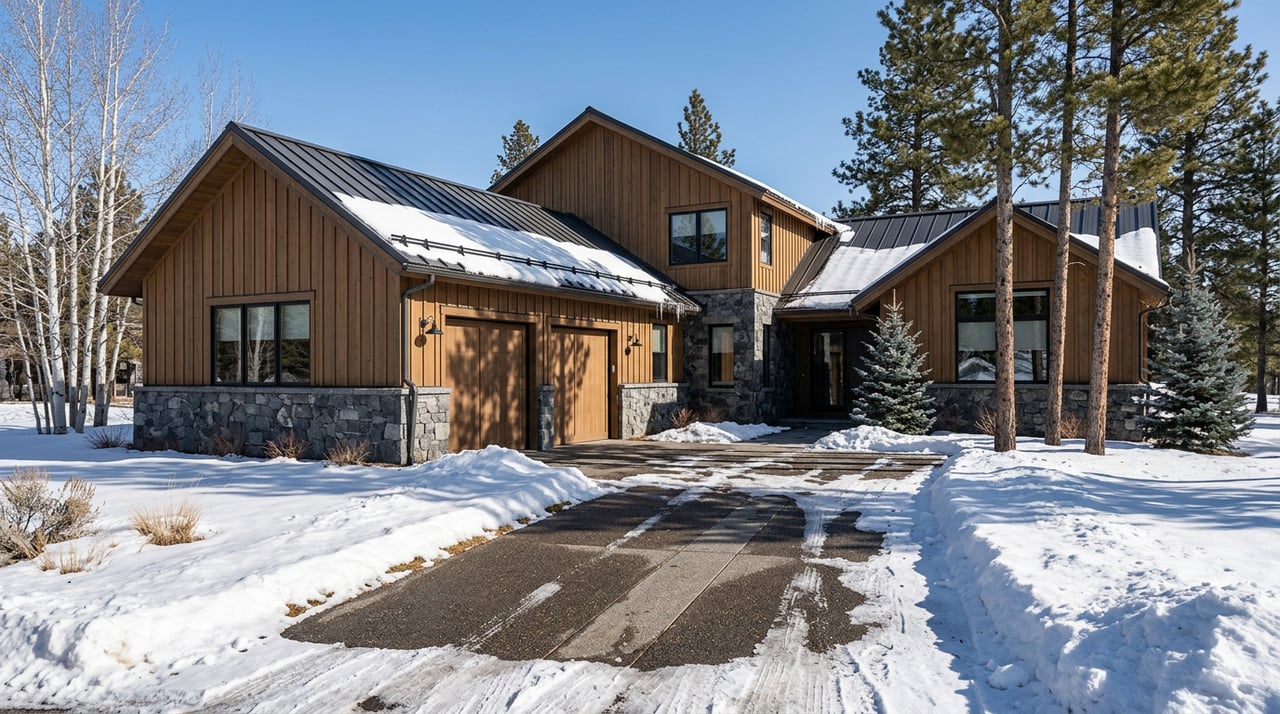
Choose durable roofing with quality underlayment and flashing, especially at eaves and valleys. Standing seam metal can perform well if detailed for thermal movement and snow slides. Design gutters and downspouts for freeze-thaw cycles. Keep them accessible for maintenance.
Snow management plan
Create a safe snow-removal protocol for roofs and walkways to prevent damage and reduce risk. In areas where sliding snow could cause harm, consider snow guards. Train your maintenance team and document procedures.
Your upgrade roadmap and payback
If you want quick results and the best return, follow this sequence:
- Air sealing and attic insulation
- Rim joist and duct sealing
- Wall insulation and exterior continuous insulation during remodels
- High-performance windows where comfort and condensation are issues
- HRV/ERV ventilation and heat pump conversions after envelope work
Payback depends on fuel costs, occupancy patterns, and current conditions. For second homes with long vacant periods, upgrades that reduce continuous heat loss often deliver faster returns than high-capital equipment.
Weekend audit checklist
- Gather 12 months of utility bills to set a baseline.
- Schedule a blower-door test with infrared imaging.
- Inspect attic plane for air leaks, insulation depth, and ventilation pathways.
- Check rim joists, crawl spaces, and ductwork for gaps and missing insulation.
- Review window condition and condensation patterns.
- Confirm roof condition, flashing, and any ice-dam staining.
- Note HVAC age, filter changes, and any comfort complaints by zone.
Contractor selection and scope
- Hire teams with cold-mountain experience and references for similar work.
- Require a written scope with measurable targets, such as blower-door reduction, window U-factors, and ventilation CFM.
- Confirm that contractors will obtain required permits and inspections through Grand County.
Incentives and programs
Check for state or utility incentives for insulation, heat pumps, windows, and ventilation. Programs change, so confirm current offerings through the Colorado Energy Office or your local utility.
Protect your investment in Grand Lake
Create a written winterization plan for vacancy periods. Include thermostat schedules, water shutoff and drain procedures, pipe insulation, roof and gutter maintenance, safe snow removal, and emergency contacts. Add remote monitoring for temperature, humidity, leaks, and power status. Schedule seasonal service before winter and plan periodic inspections after major storms.
Ready to balance comfort, safety, and long-term value in your mountain home? Connect with Sanderson Real Estate for local insight on energy-smart homes, builder introductions, and property strategies across Grand County.
FAQs
What are the most cost-effective upgrades for a Grand Lake second home?
- Start with air sealing and attic insulation, then address rim joists and duct sealing for the fastest, most affordable savings.
Are triple-pane windows necessary in Grand Lake’s climate?
- They improve comfort and reduce condensation in cold, high-altitude conditions, but you can phase replacements or use quality storm windows if budget is tight.
Can a cold-climate heat pump handle Grand Lake winters?
- Newer cold-climate models can work well, but plan for a backup heat source and size the system to actual loads.
What thermostat setting is safe when my home is vacant in winter?
- Keep a freeze-protect setback rather than turning heat off; targets are often in the mid-teens to low-20s Fahrenheit depending on your plumbing.
Do I need an HRV or ERV after tightening my home?
- If your envelope is tight, a balanced HRV or ERV improves indoor air quality while recovering heat and managing moisture, which is ideal for cold climates.