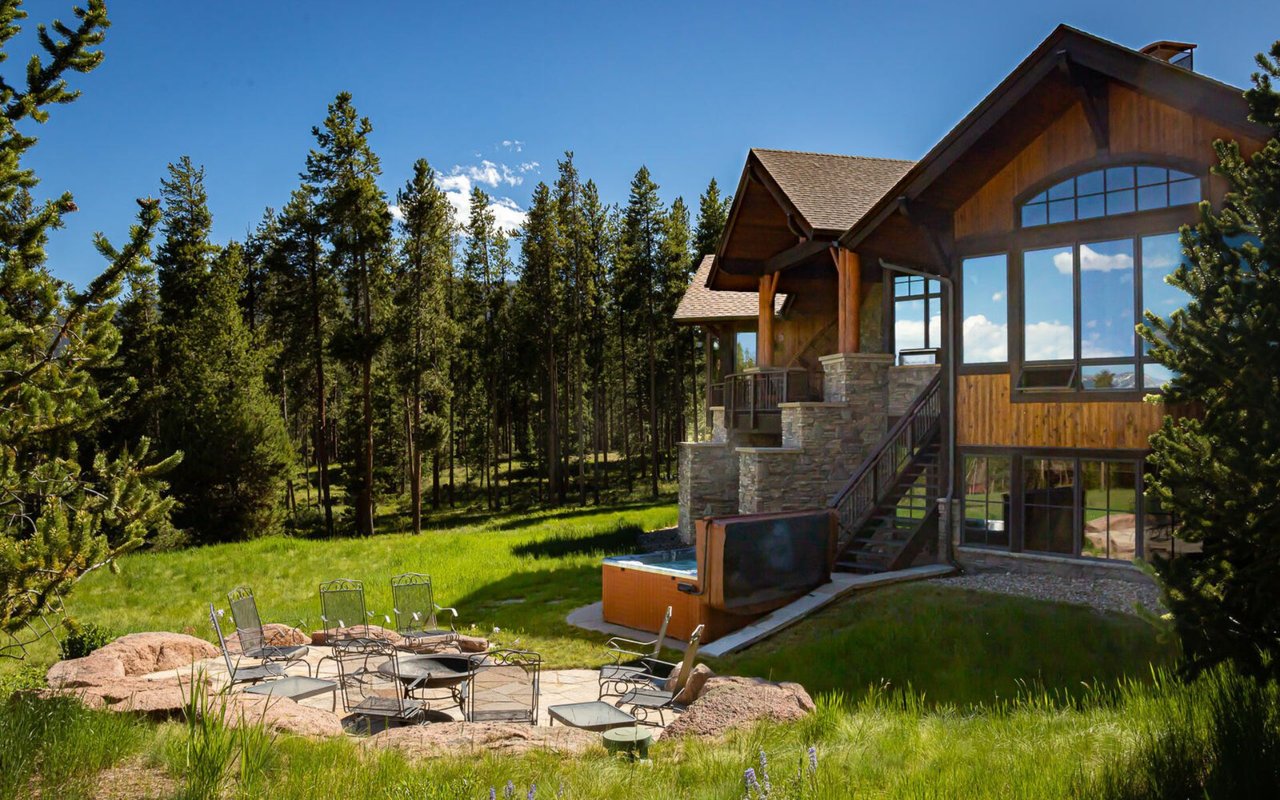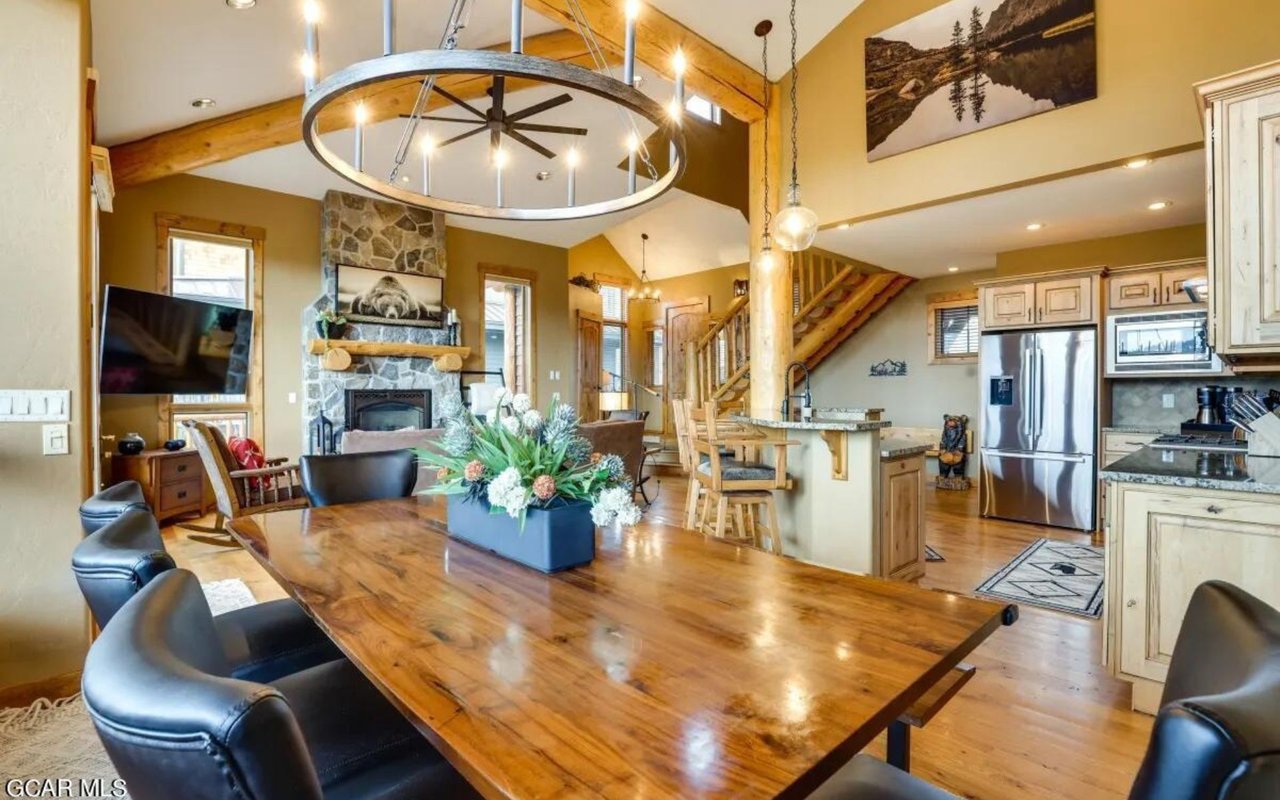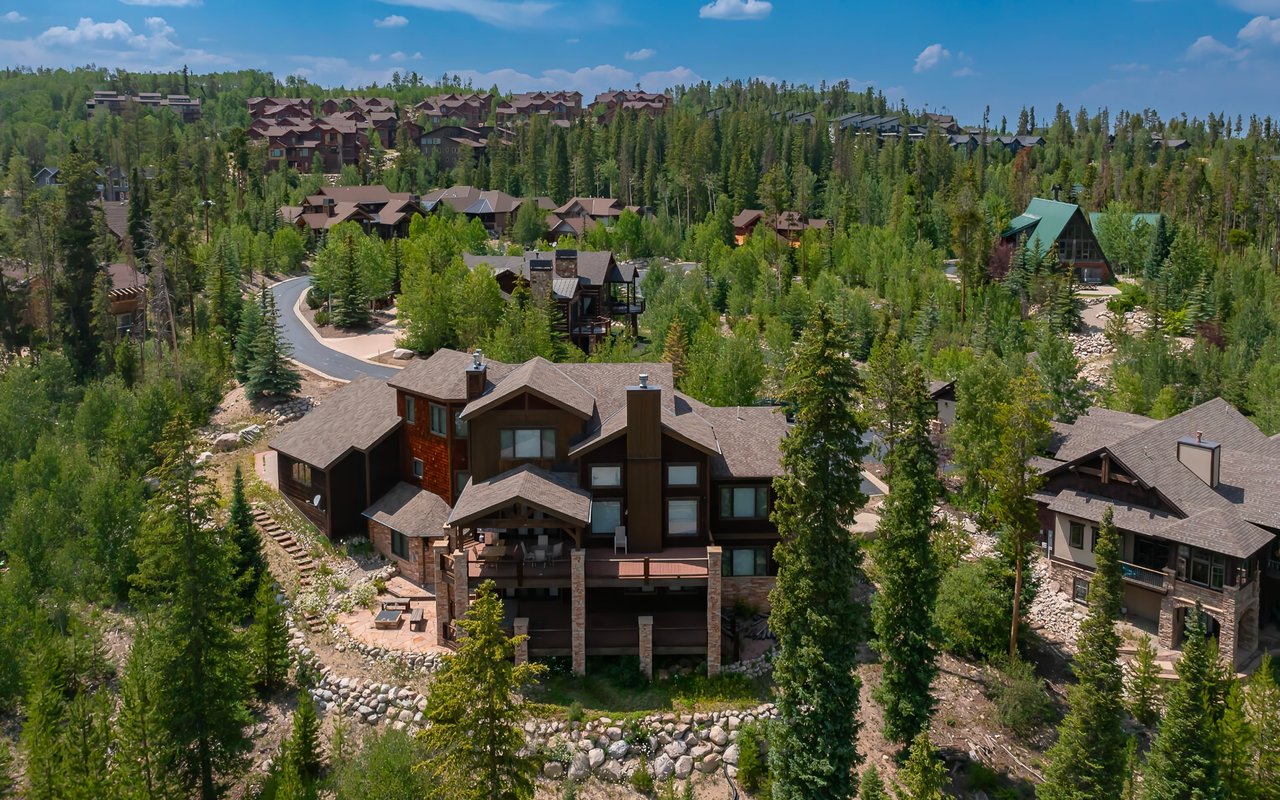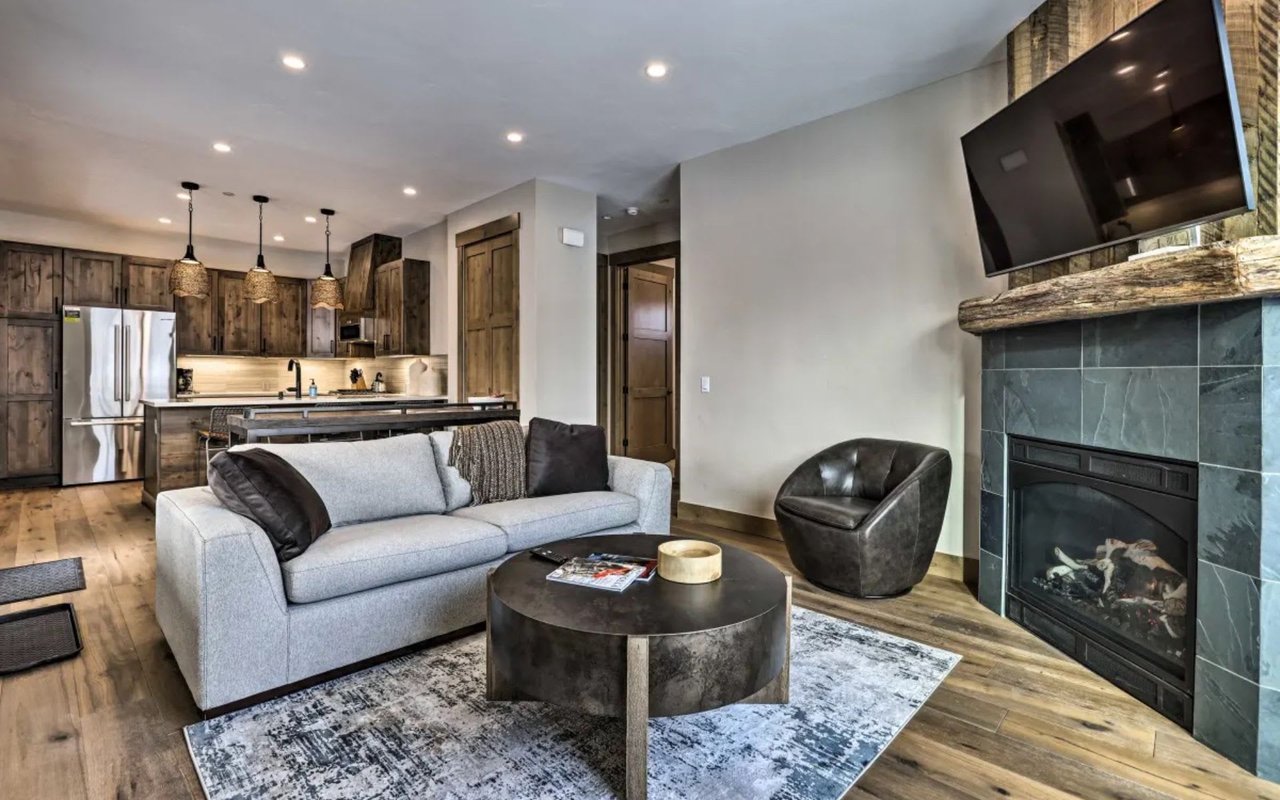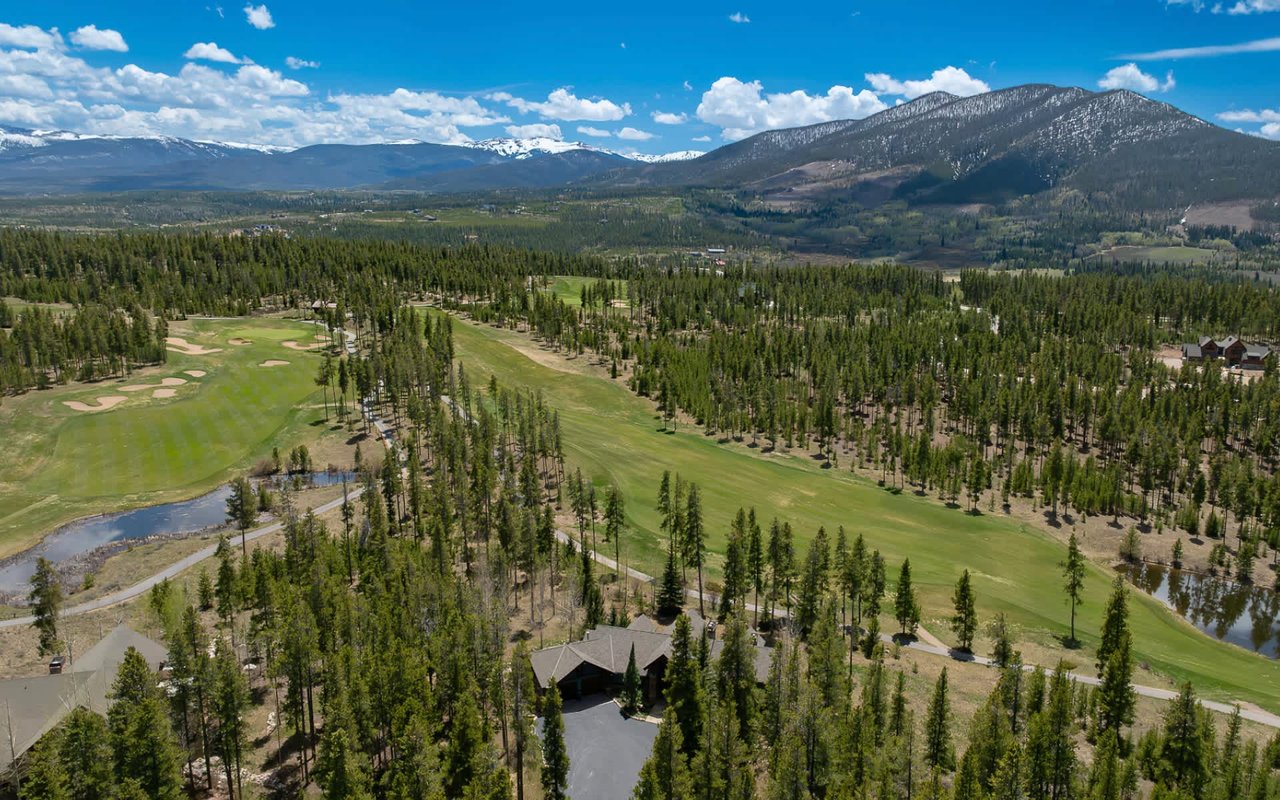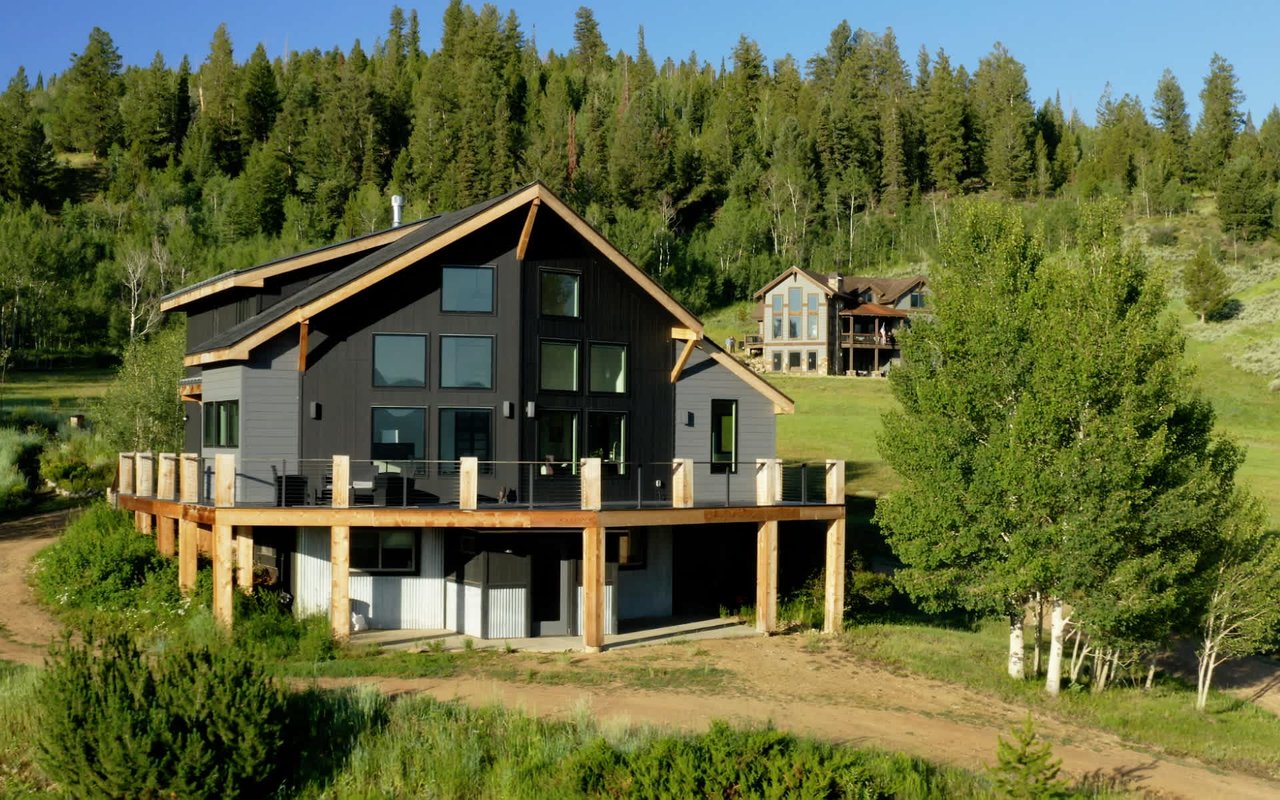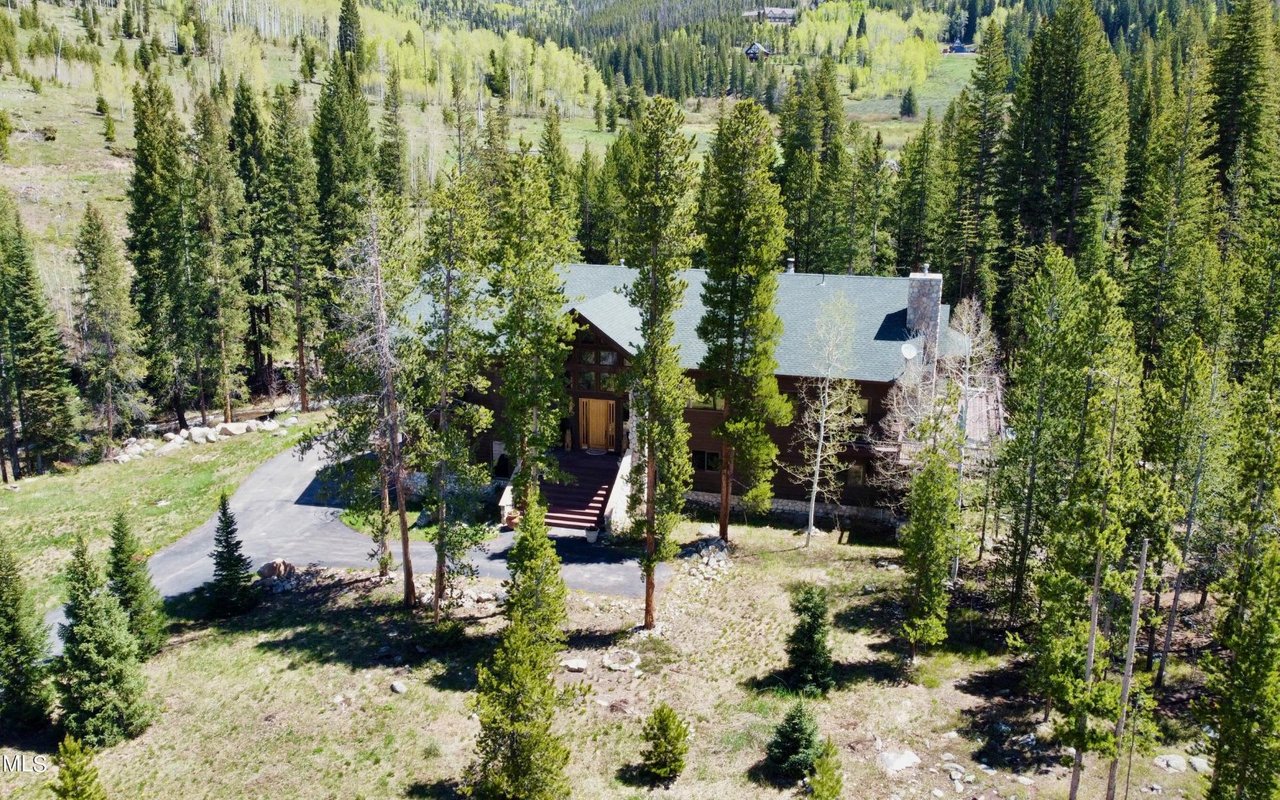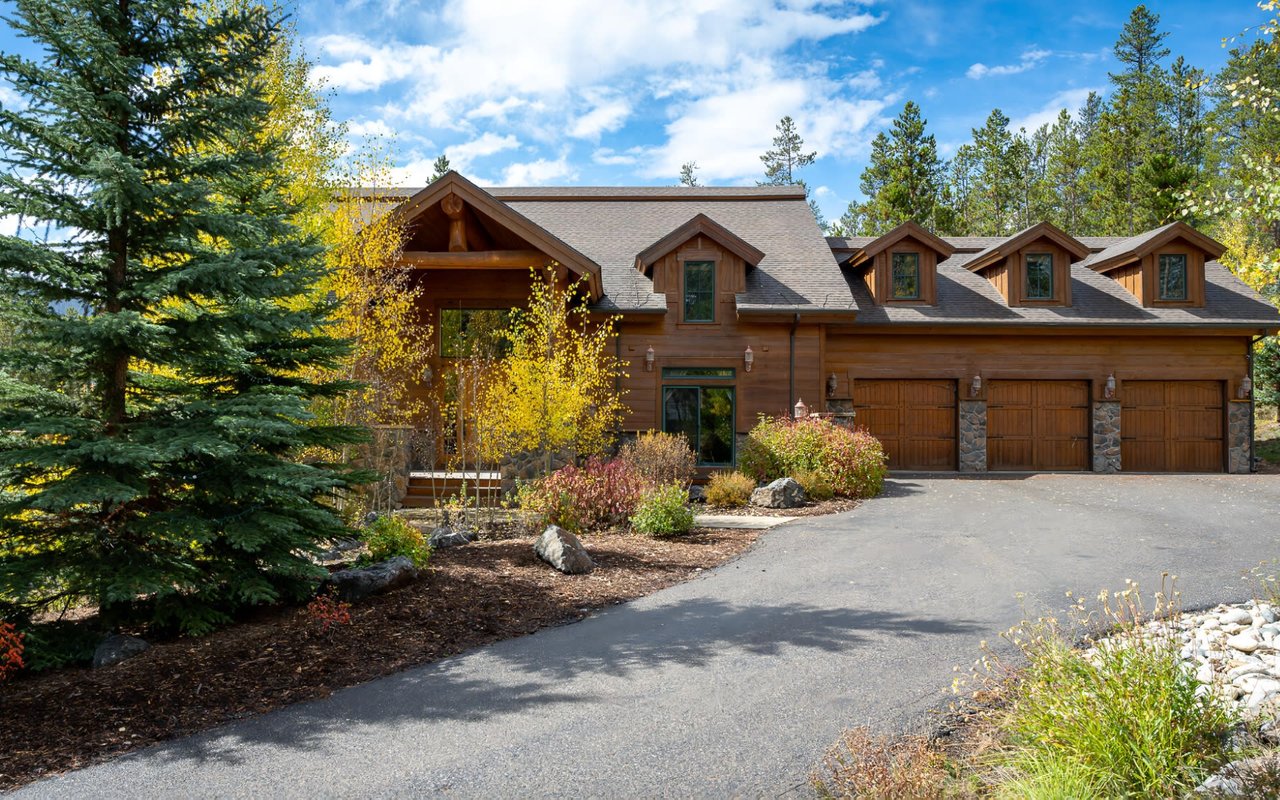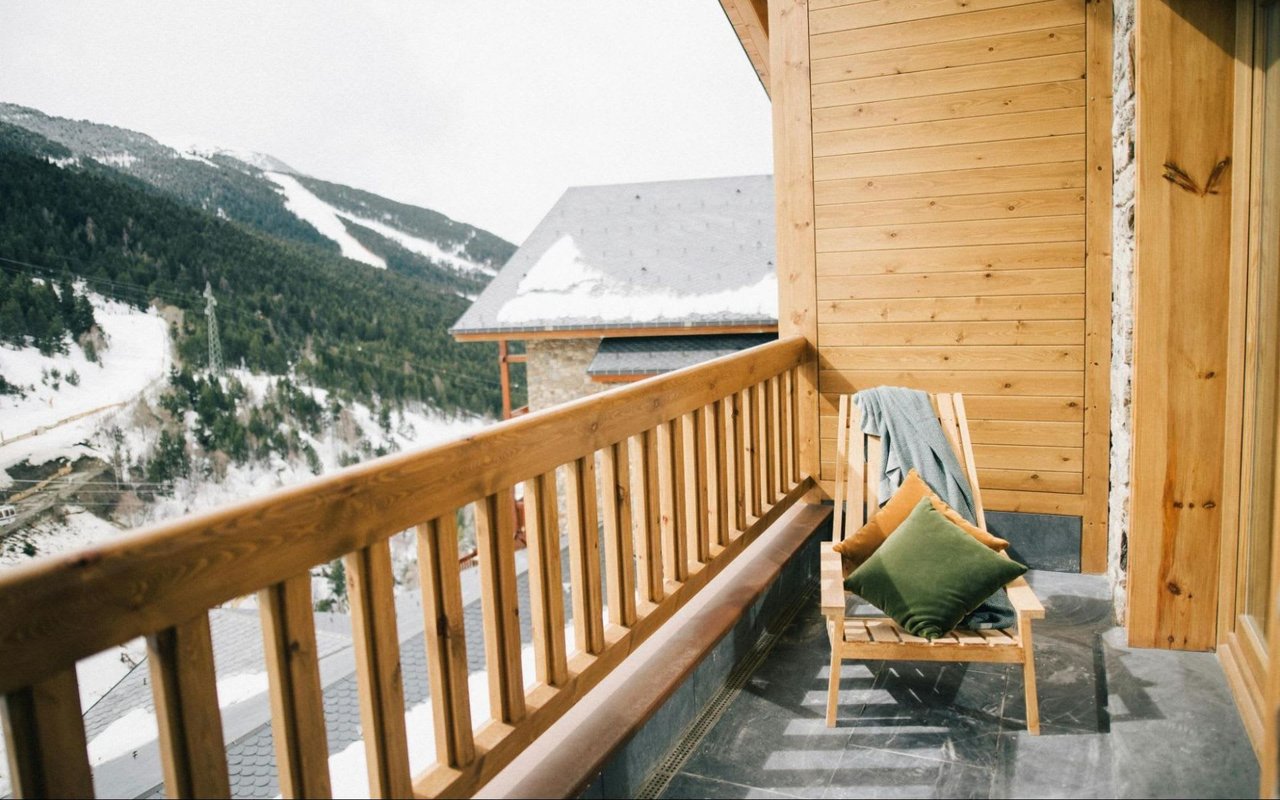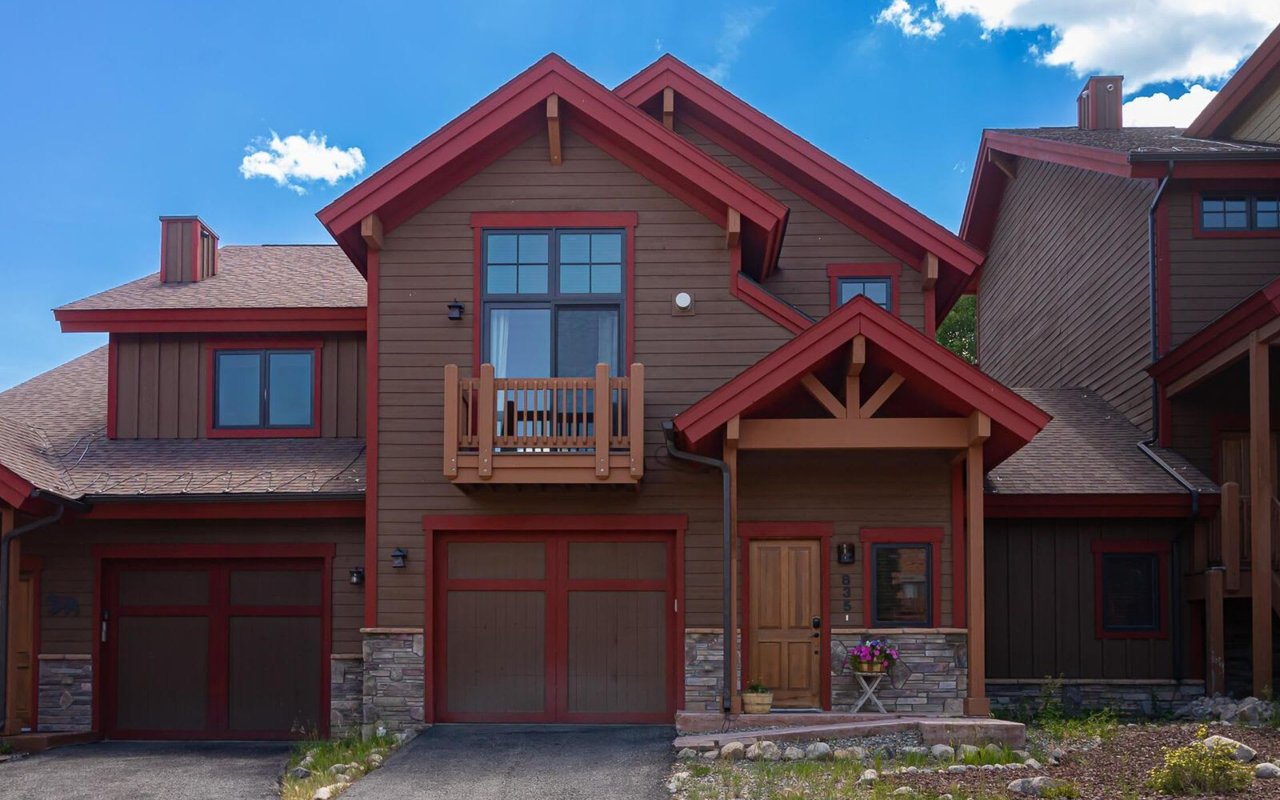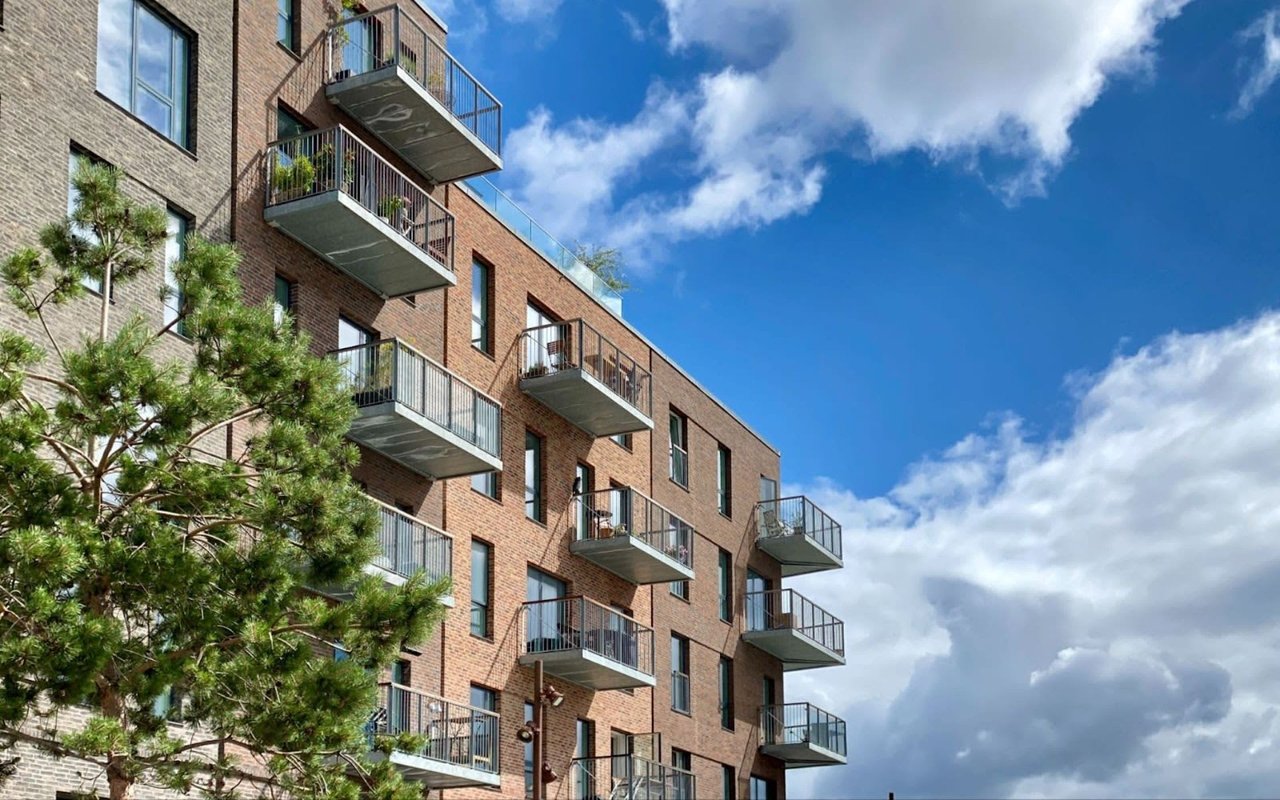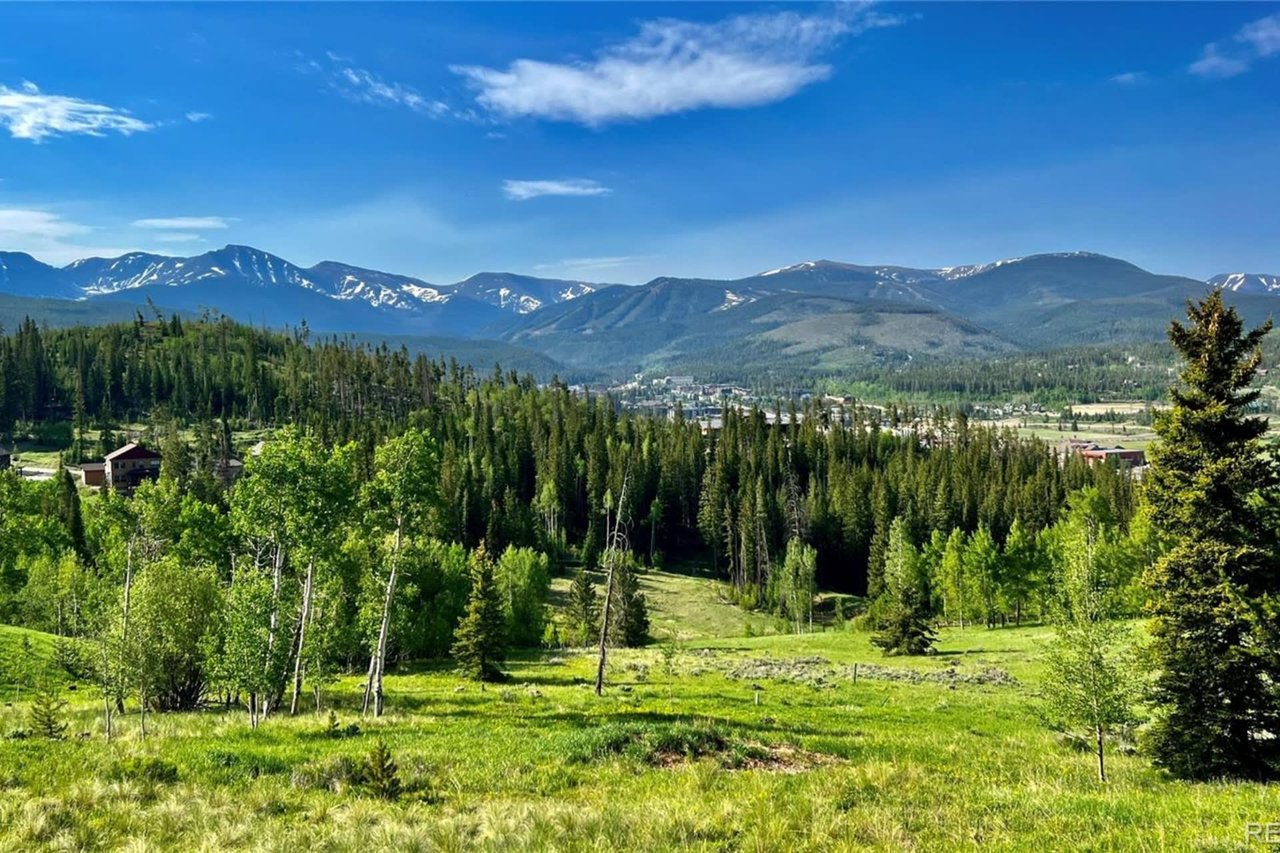
Dreaming of a place where you can click out of your skis and unwind fireside, then come back in summer for mountain biking and golf? A second home in Winter Park can deliver that year-round rhythm. At the same time, resort markets have unique costs, rules, and logistics that are easy to miss if you only visit on weekends. In this guide, you’ll get a clear picture of prices, access, taxes, maintenance, and a practical due diligence checklist so you can buy with confidence. Let’s dive in.
Winter Park second-home snapshot
Winter Park is a higher-priced resort market with median values that shift with the mix of condos, townhomes, and single-family homes in monthly sales. Zillow’s market index lists an average home value around $778,957 as of January 31, 2026. Redfin has recently reported a median sale price near $925,000. Small sample sizes and whether condos or single-family homes dominate a given month can swing these numbers.
What should you take from this? Expect mid-to-high six figures into the low millions depending on property type and proximity to the base village. For the most precise view on a specific building or neighborhood, ask for current MLS comps and a date-stamped market update before you write an offer.
What you can buy
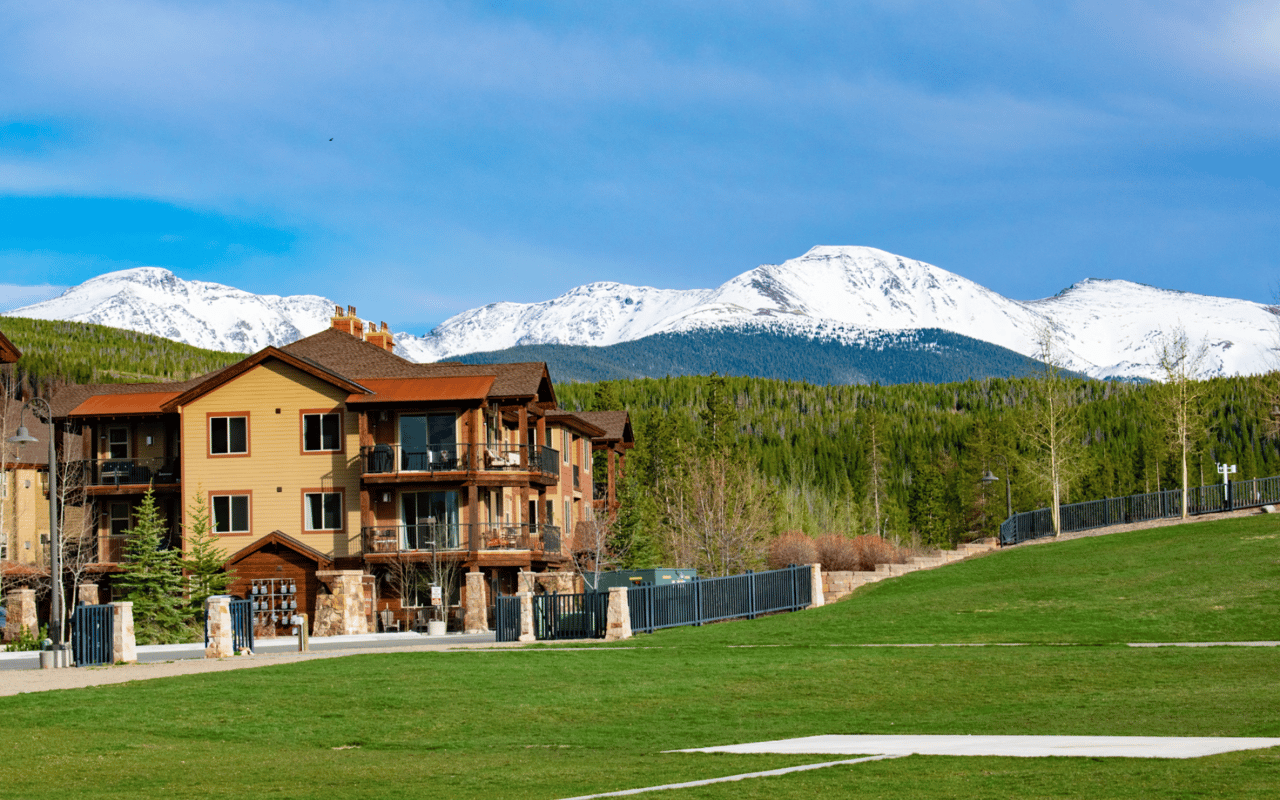
- Condominiums: Often the easiest entry point with on-site amenities like pools or hot tubs and many services bundled into HOA dues. Monthly HOA fees commonly land around 400 to 700 dollars or more in many complexes. Rules on parking and short-term rentals can be strict, so always read disclosures.
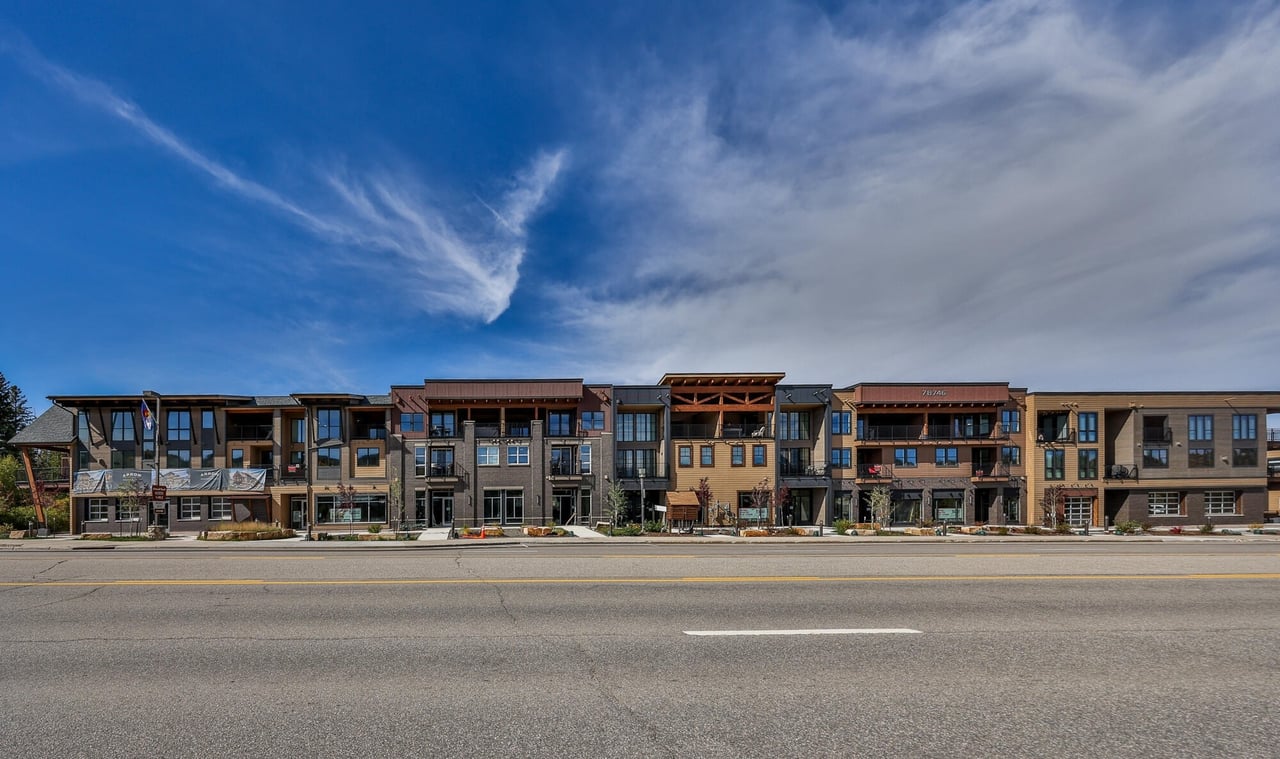
- Townhomes and newer downtown units: Modern finishes and assigned parking are common. HOA dues can be similar to condo ranges, and you should check for developer transfer fees and any rental rules.
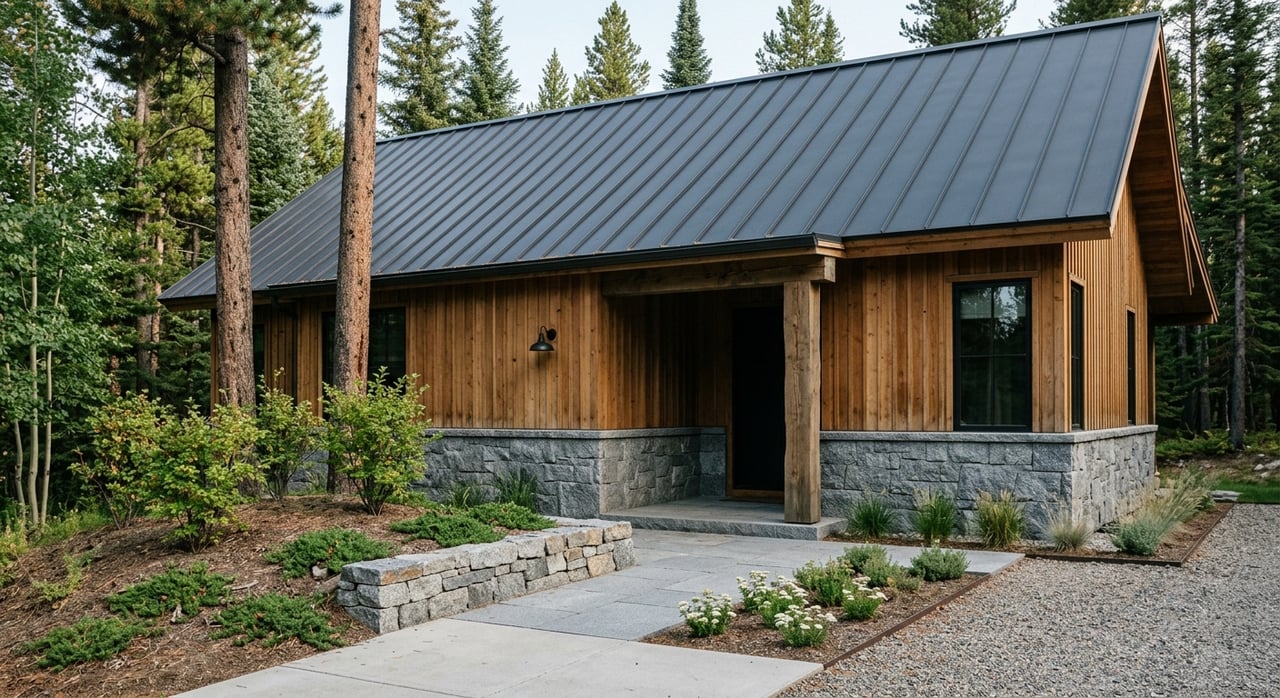
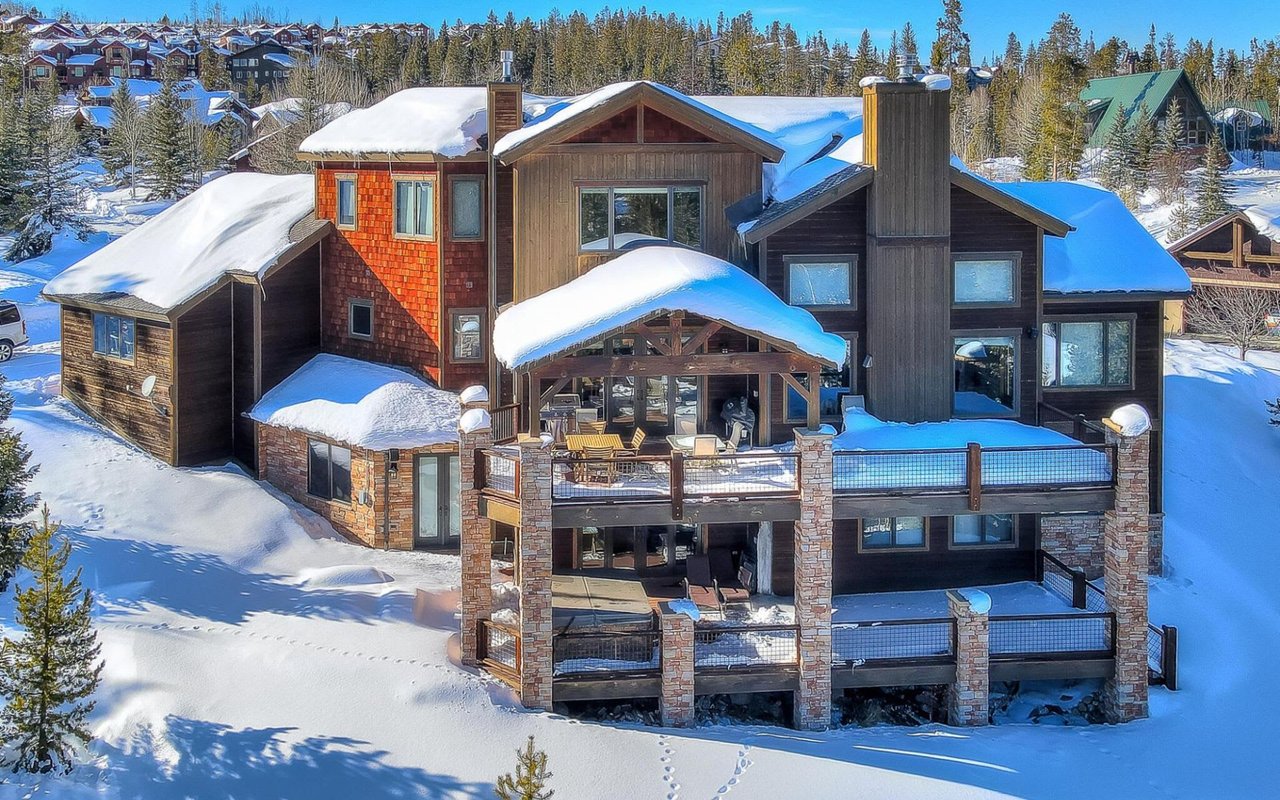
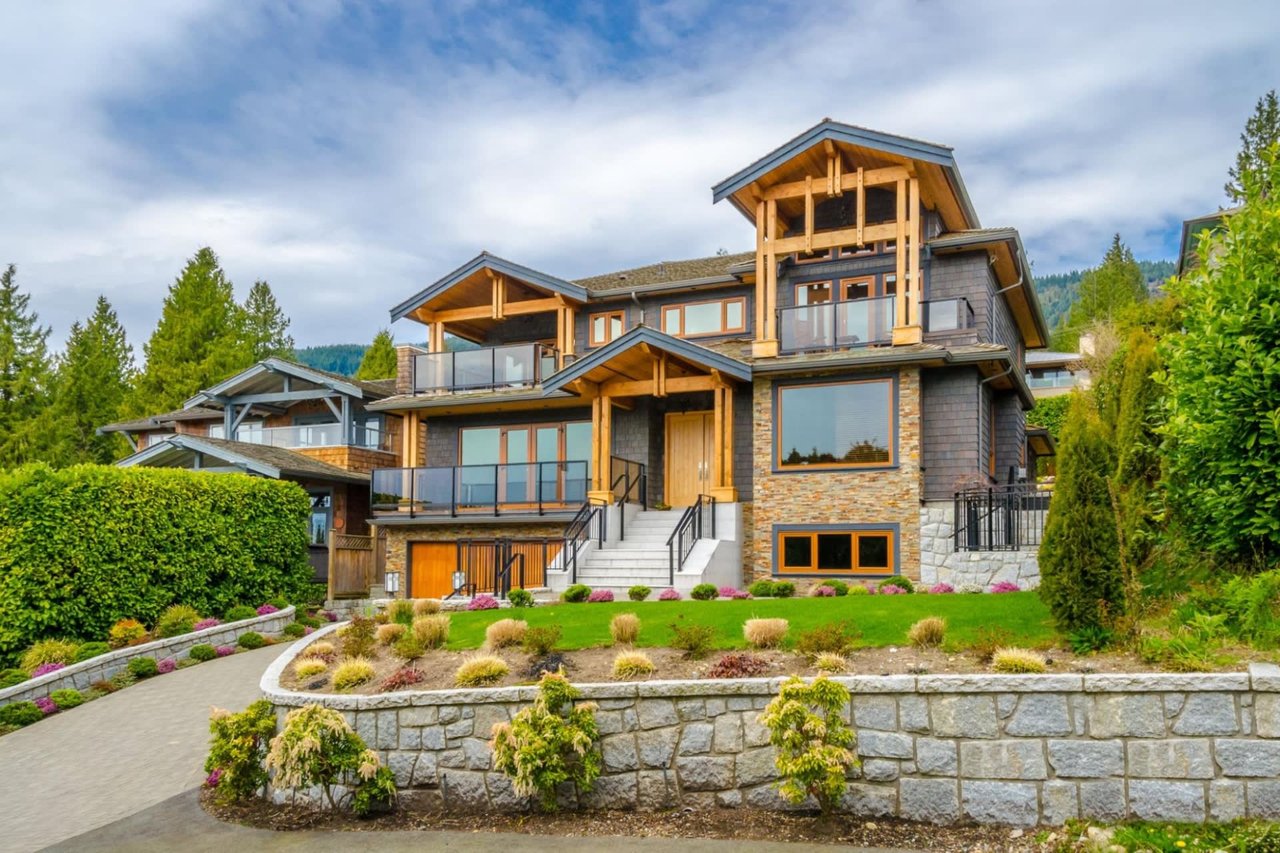
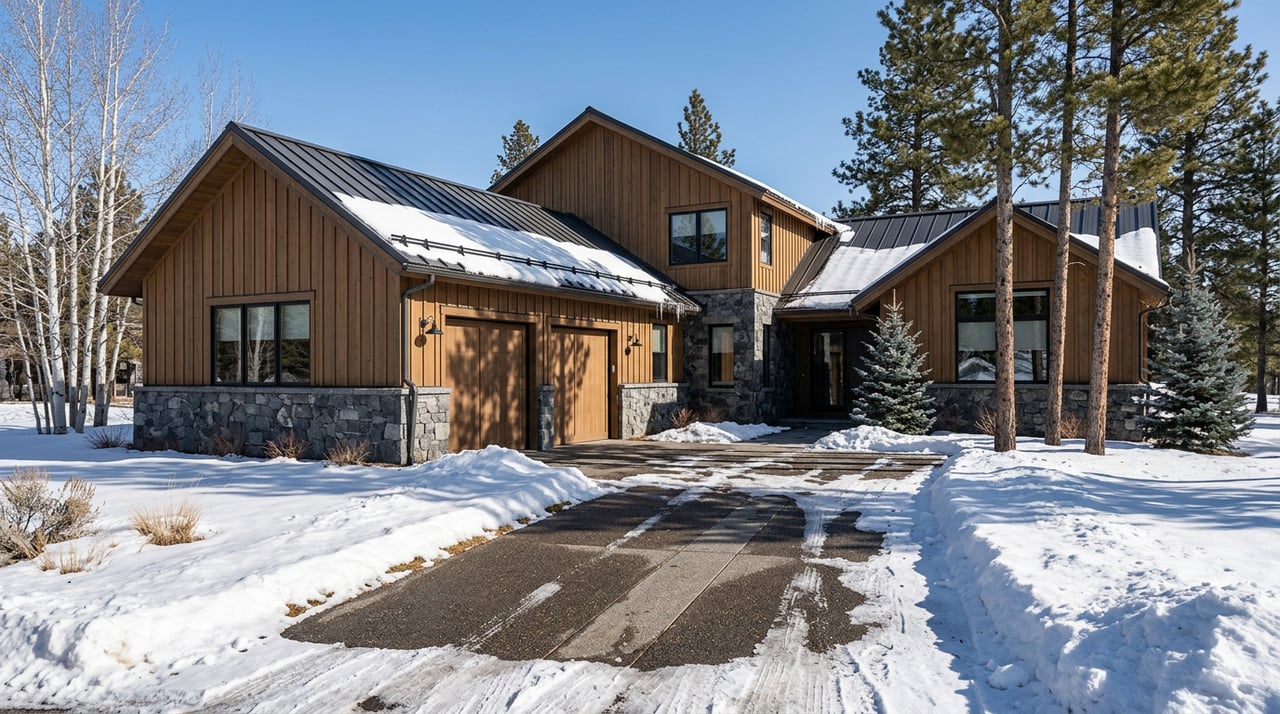
- Single-family homes and cabins: More privacy and potential long-term value, with higher hands-on maintenance. If the property is outside town services, confirm septic and well permits and understand snow removal responsibilities.
How you’ll use it year-round
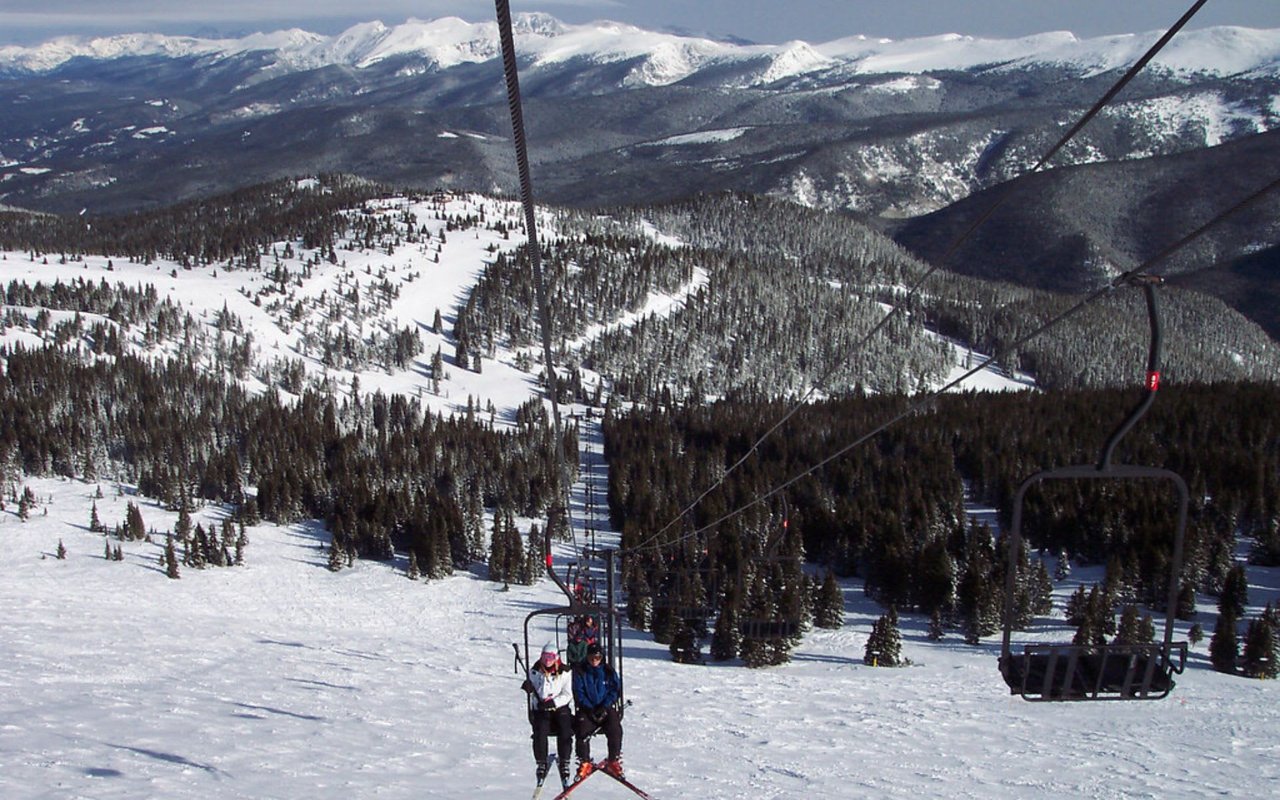
Winter is the star, but Winter Park truly runs four seasons. The resort publishes opening and closing details each year, so confirm the current calendar for your plans. For 2025–26, the ski season opened in late October with operations set by snow and conditions. You can check current hours and schedules on the resort’s official page for hours of operation.
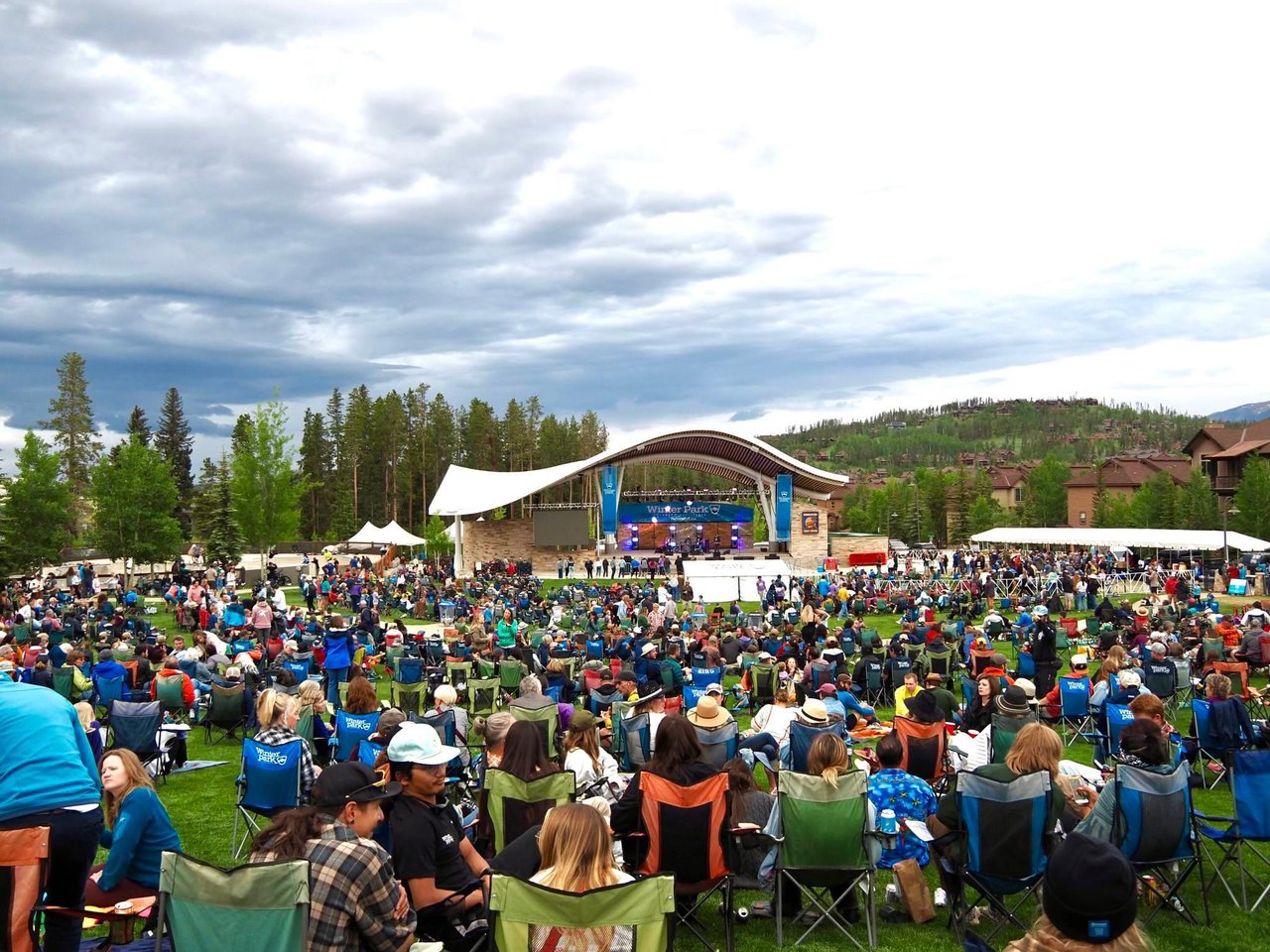
Summer brings lift-served mountain biking, scenic rides, hiking, and festivals. Many owners use prime winter weekends and holidays, then return for longer summer stays. If you plan to rent part-time, consider blocking peak holiday weeks for personal use and filling shoulder periods with bookings.
Getting here and getting around
From downtown Denver, the drive to Winter Park typically takes 1.5 to 2 hours. Denver International Airport is about 1 hour 45 minutes to 2 hours by vehicle in normal conditions. The route over Berthoud Pass can see winter weather and occasional avalanche control holds. If you prefer to skip mountain driving, the seasonal Amtrak Winter Park Express runs direct service from Union Station to the resort base during peak winter weeks. You can review schedules and plan your trip on the Winter Park Express page.
Pro tip: Build flexibility into travel days during mid-winter storms, and keep a backup plan like the ski train or a shuttle.
The true cost of ownership
Budget conservatively and verify every recurring cost during due diligence. Here are common line items second-home buyers often overlook:
- HOA dues: Many Winter Park condos show dues around 400 to 700 dollars per month or more. Inclusions vary, and some buildings include heat, water, cable, internet, snow removal, and common-area insurance. Get the current budget, reserve study, and insurance certificates to see what is covered.
- Property management: If you plan to rent short term, full-service managers in Winter Park commonly charge about 20 to 40 percent of gross booking revenue, depending on services. Review contract details and fee structures. Local guides discuss typical pricing in town for property management. For long-term leases, plan on roughly 8 to 12 percent of monthly rent.
- Maintenance and winterization: Set aside a reserve for routine checks and fixes. Professional winter-prep and periodic inspections often run 200 to 500 dollars, and frozen-pipe emergencies can cost thousands. See best practices for freeze prevention in Colorado homes from a local provider’s winterization guide.
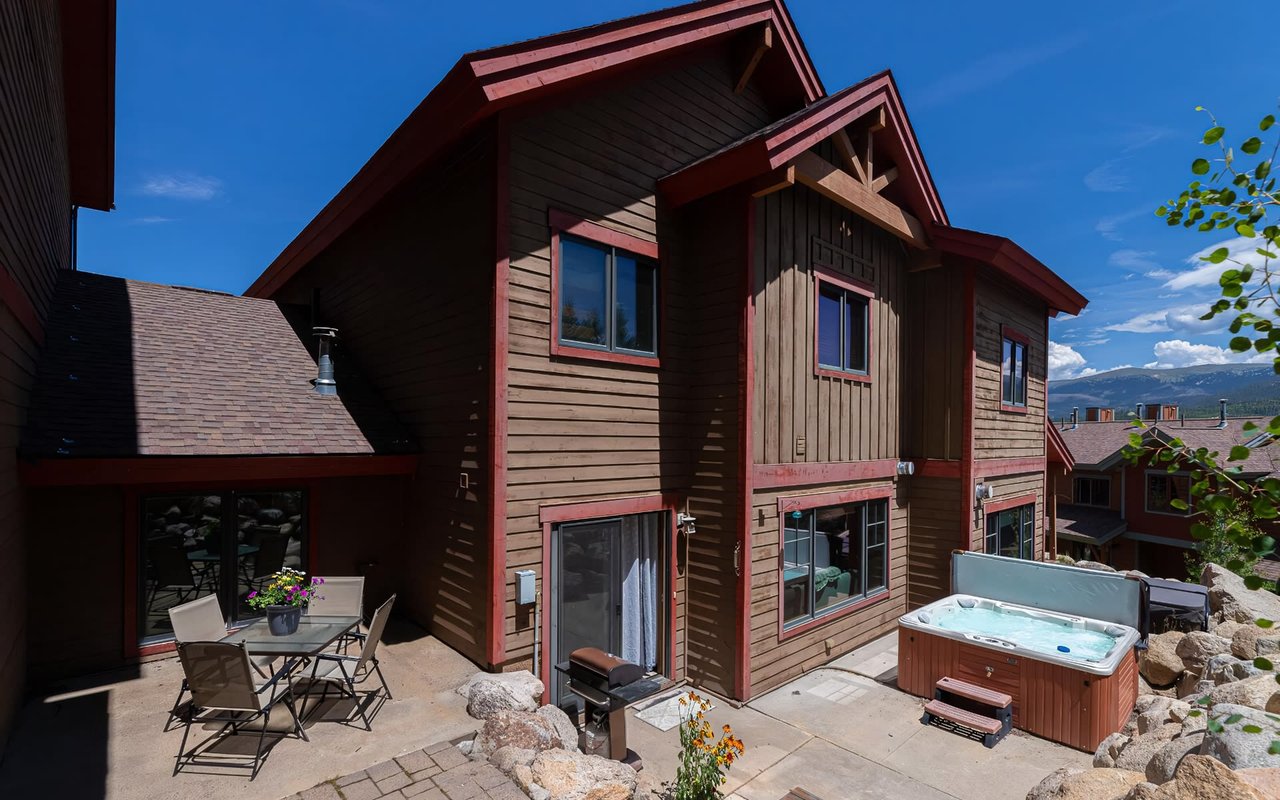
- Hot tub care: Professional maintenance typically ranges from about 50 to 200 dollars per month if you outsource service, with seasonal drain and refill as extra.
- Utilities: Much of the area is served by Mountain Parks Electric, and natural gas is available from Xcel in many locations. Some outlying parcels use propane, wells, and septic. Confirm providers, meters, and recent utility bills during inspection. For a quick overview of providers, see Grand County’s Local Utilities page.
- Property taxes and income tax: Colorado property taxes depend on assessed value and local mill levies. Ask for recent tax bills for comparable properties. If you will generate rental income, consult a CPA on current Colorado income tax treatment and allowable deductions.
Renting it out: taxes and rules
If you intend to offset costs with short-term rentals, know the local framework before you buy.
- Town lodging tax: Winter Park imposes a 9.0 percent lodging sales tax on lodging transactions at the Town level. Owners must register and file returns through the Town’s system. Review the Town’s sales tax guidance for lodging and confirm the total combined tax rate to guests when you model revenue.
- Town STR registration: Inside Winter Park town limits, you must register before listing, display your registration number on all ads, and comply with Fire & Life Safety inspection requirements administered by East Grand Fire. The Town’s step-by-step overview is posted under Rent Your Home.
- County STR rules: For properties in unincorporated Grand County, you will register with the County program, maintain a Colorado Sales Tax ID, follow occupancy caps, and name a local contact who can respond within one hour. See the County’s STR FAQ and requirements.
- Platform tax collection: Some booking sites collect and remit certain taxes, but their coverage varies by jurisdiction. You remain responsible for confirming what is remitted and filing anything else that is due. Keep documentation of all remittances.
- Neighborhood rules: HOA rental policies can be more restrictive than Town or County rules. Always confirm whether short-term rentals are allowed and whether registration or minimum stays apply.
Tip: Winter Park also enforces a Good Neighbor policy that covers quiet hours, trash, wildlife safety, and parking rules. Review the Town’s Good Neighbor guidelines and share them with guests.
Maintenance and mountain risks to plan for
Mountain properties reward preparation. A few local realities to consider as you evaluate homes:
- Snow and access: If you are buying a single-family home, confirm the driveway grade and snow removal plan. On-street parking is limited in winter months, and the Town restricts overnight street parking from November 1 to May 1.
- Freeze protection: Vacant periods raise the risk of frozen pipes. Use smart temperature and leak sensors, shutoff valves, and professional winterization where needed. A modest annual service can prevent a much larger loss.
- Wildfire mitigation: Grand County and local fire districts support active mitigation and defensible space programs. Ask for a parcel-level wildfire assessment and plan improvements early. Some programs offer cost-share mitigation that can offset expenses.
- Weather and road closures: Avalanche control on Berthoud Pass reduces but does not eliminate temporary closures. Build travel flexibility into your plans, especially for winter changeover days.
HOAs, covenants, and insurance essentials
Most condos and planned communities in the area are governed by CC&Rs and an HOA. Colorado’s HOA law outlines baseline governance rules, but each association sets specific policies and fees. Before you commit, review these documents in detail:
- Declaration, bylaws, and rules
- Current budget, reserve study, and assessment history
- Insurance certificates for the association and master policy coverage
- Rental policies, occupancy rules, and parking allocations
Insurance also deserves special attention. Standard homeowners policies often exclude business activity and can have vacancy clauses. If you plan to rent short term, speak with an insurance professional about a policy designed for STR use that addresses liability, contents, and loss of income. Platform-provided protections are not a substitute for primary coverage.
Buyer due diligence checklist
Use this list to move from daydream to done with fewer surprises:
- Request recent MLS comps for the same building or product type and a date-stamped market update.
- Get full HOA documents, including the budget, reserve study, insurance certificates, rules, and any special assessment notices.
- Confirm whether the property sits inside Town limits or in unincorporated Grand County, then pull the exact STR registration and tax requirements for that jurisdiction using the Town’s lodging tax guidance and the County’s STR FAQ.
- Collect recent utility bills and confirm providers using Grand County’s Local Utilities page.
- If revenue matters, ask for the seller’s rental history, cleaning and maintenance receipts, and any management agreements.
- Price out management fees using a local reference for property management costs.
- Secure an insurance quote that matches your intended use, including STR coverage if applicable.
- Schedule a winter-access check for driveways and parking. Confirm who handles snow removal and at what cost.
- Plan freeze protection with smart monitoring and a professional winterization checklist.
- Ask for a wildfire risk assessment and document early mitigation steps. Consider available cost-share programs for fuels reduction.
Ready to explore your options?
When you buy a second home here, you are investing in a year-round base for family, friends, and outdoor time. Whether you prefer an in-town condo near the lifts, a modern townhome, or a private single-family home in a low-density setting, you deserve local guidance and a clear, step-by-step plan. If you want help comparing neighborhoods, reviewing HOA and STR rules, and aligning your purchase with your lifestyle goals, reach out to Sanderson Real Estate. Our team lives and works in the Fraser Valley and can help you buy with confidence.
FAQs
What are current home prices for second homes in Winter Park?
- Public trackers show variation. Recent figures include an average value around $778,957 as of late January 2026 and a median sale price near $925,000, depending on the product mix.
How long is the typical ski season in Winter Park, Colorado?
- Winter Park Resort operates a defined winter season that usually runs from late fall into mid or late spring, with exact dates published on the resort’s hours of operation page.
Do I need a license to short-term rent my Winter Park property?
- Yes, inside Town limits you must register, display your license number, and comply with Fire & Life Safety inspections; unincorporated parcels must register with Grand County and meet County rules.
What short-term rental taxes apply in Winter Park?
- The Town imposes a 9.0 percent lodging sales tax on lodging transactions, and state and county taxes may also apply; confirm the combined effective rate when modeling revenue.
What ongoing costs do second-home owners often underestimate?
- HOA dues inclusion differences, short-term property management commissions, winterization and maintenance reserves, hot tub service, and higher winter utilities at altitude are the most common surprises.