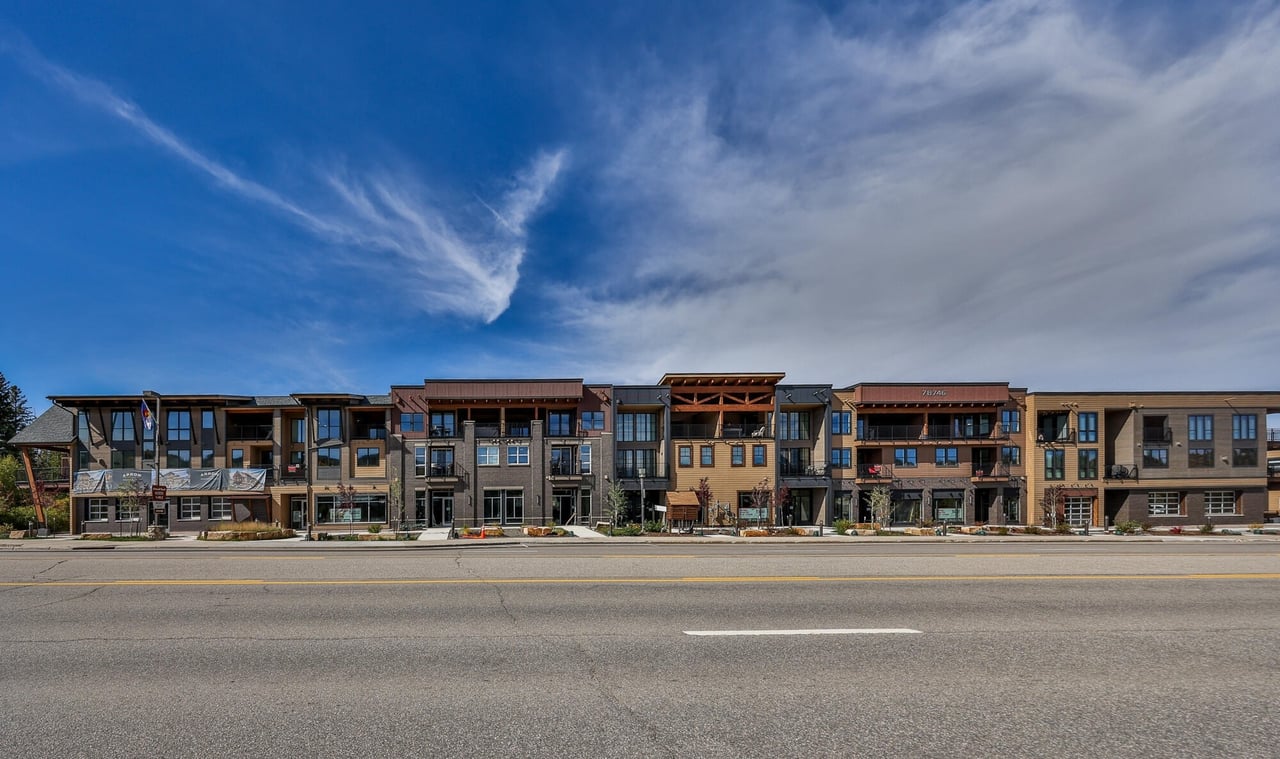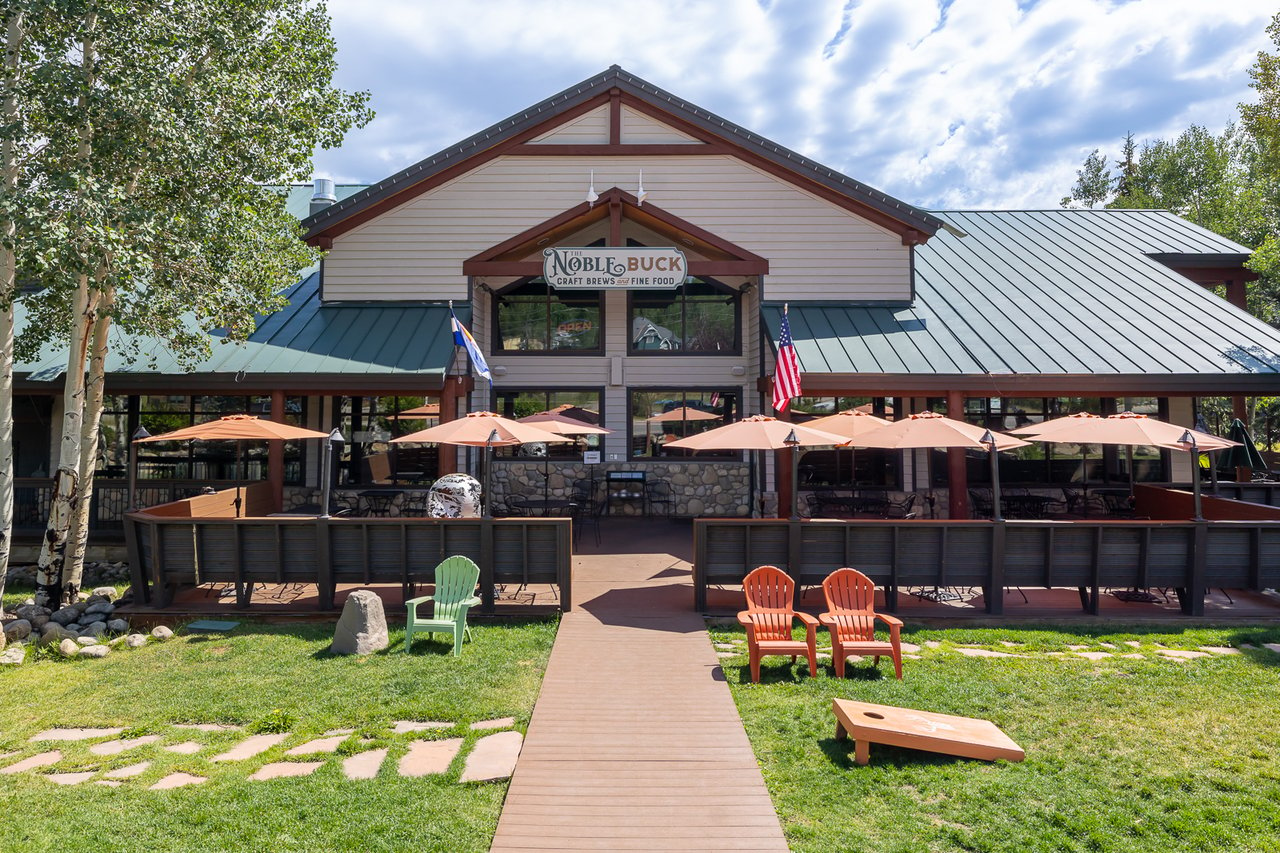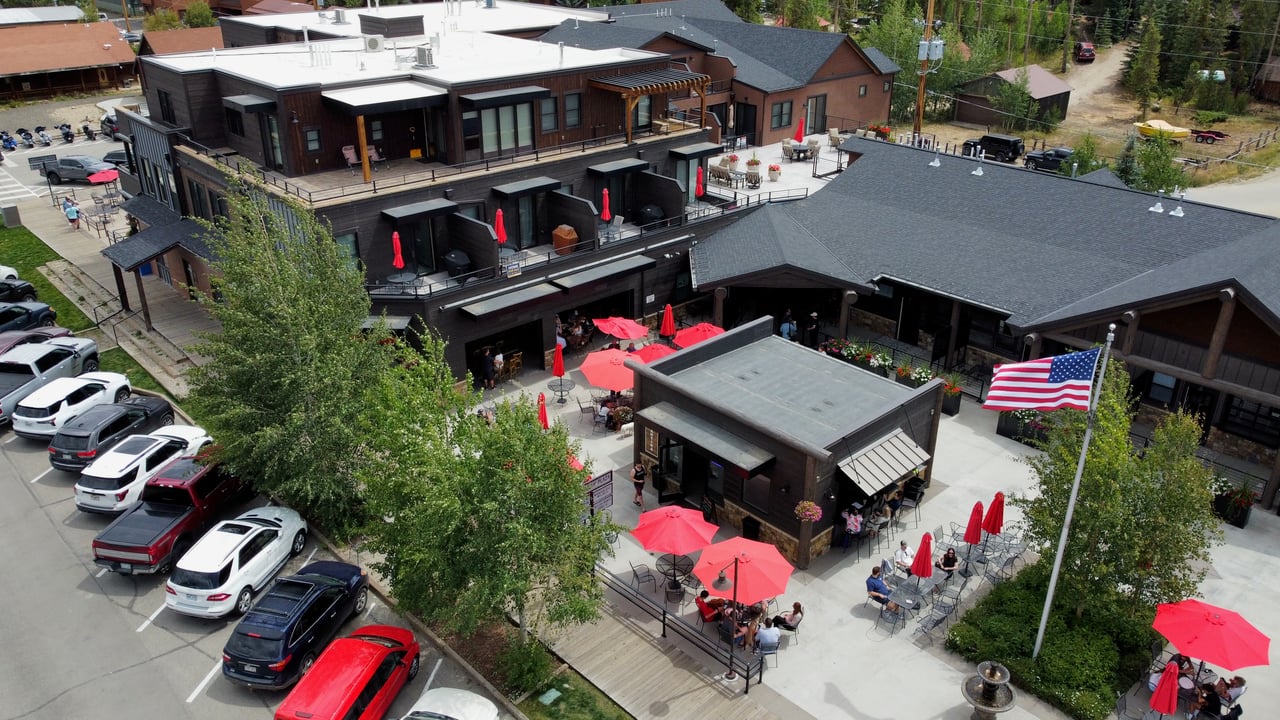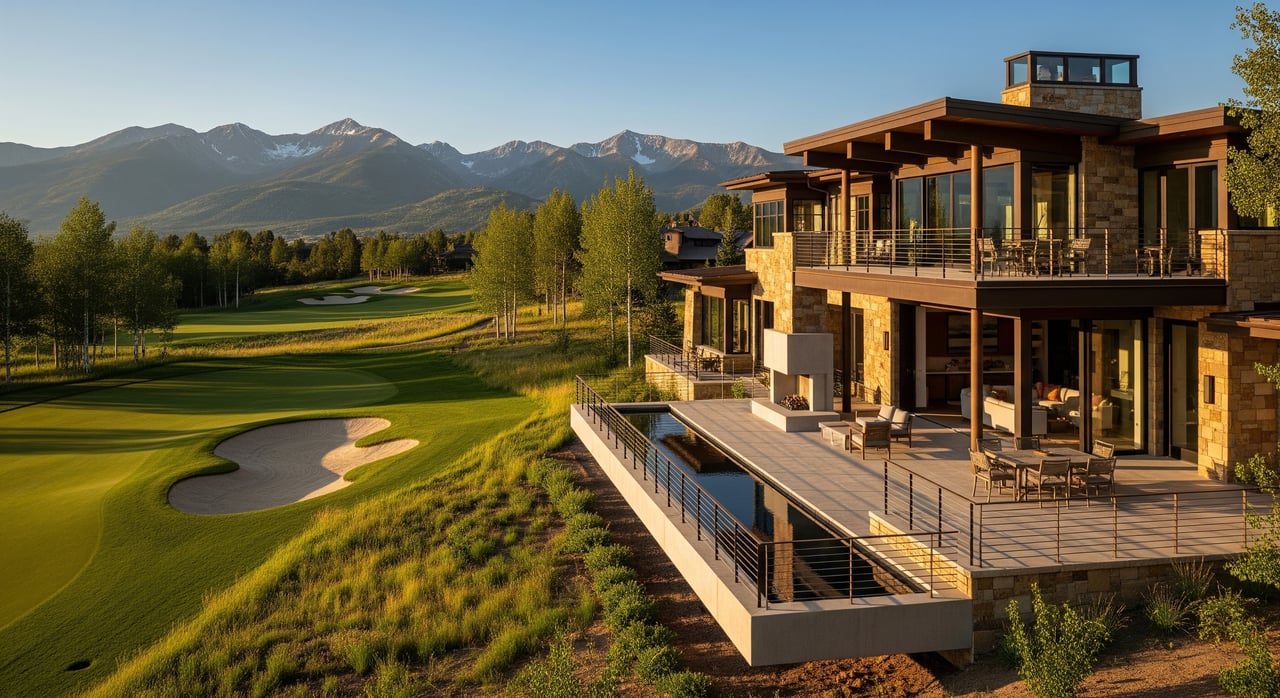
Ever wonder what Winter Park feels like when the ski crowds thin out and summer is not quite in full swing yet? If you are thinking about spending more time here, buying a home, or simply getting to know the area beyond peak travel periods, those in-between months can tell you a lot about daily life. Winter Park between seasons feels quieter, more local, and more livable, while still offering trails, dining, events, and transit that keep the town moving. Let’s take a closer look.
Winter Park Has a Different Pace Between Seasons
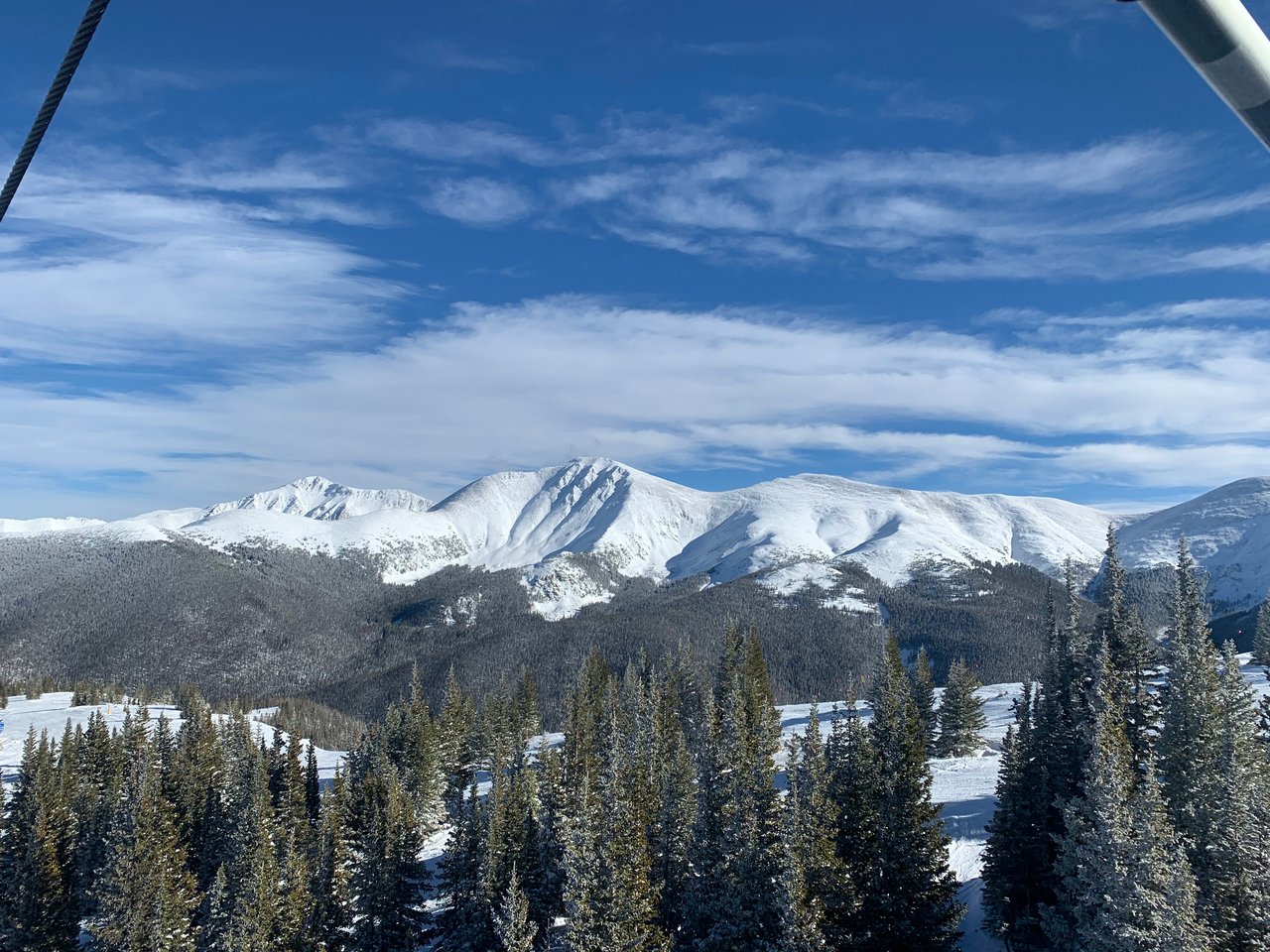
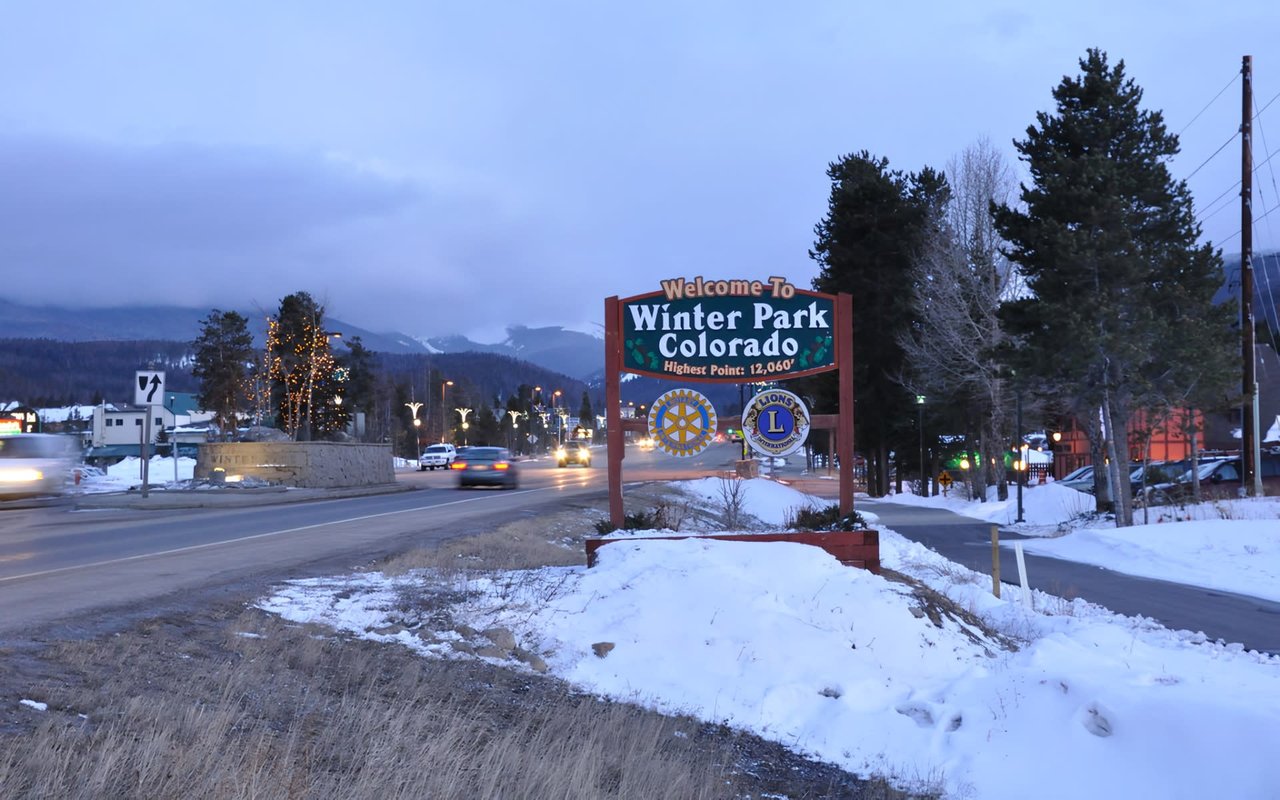
Winter Park is a true mountain town, and its rhythm follows the resort calendar. The area sits at about 9,000 feet, which shapes everything from weather and hydration needs to how you plan your day. The town advises visitors and residents alike to drink more water, rest, dress in layers, and use sun protection because altitude can affect you faster here than in lower elevations.
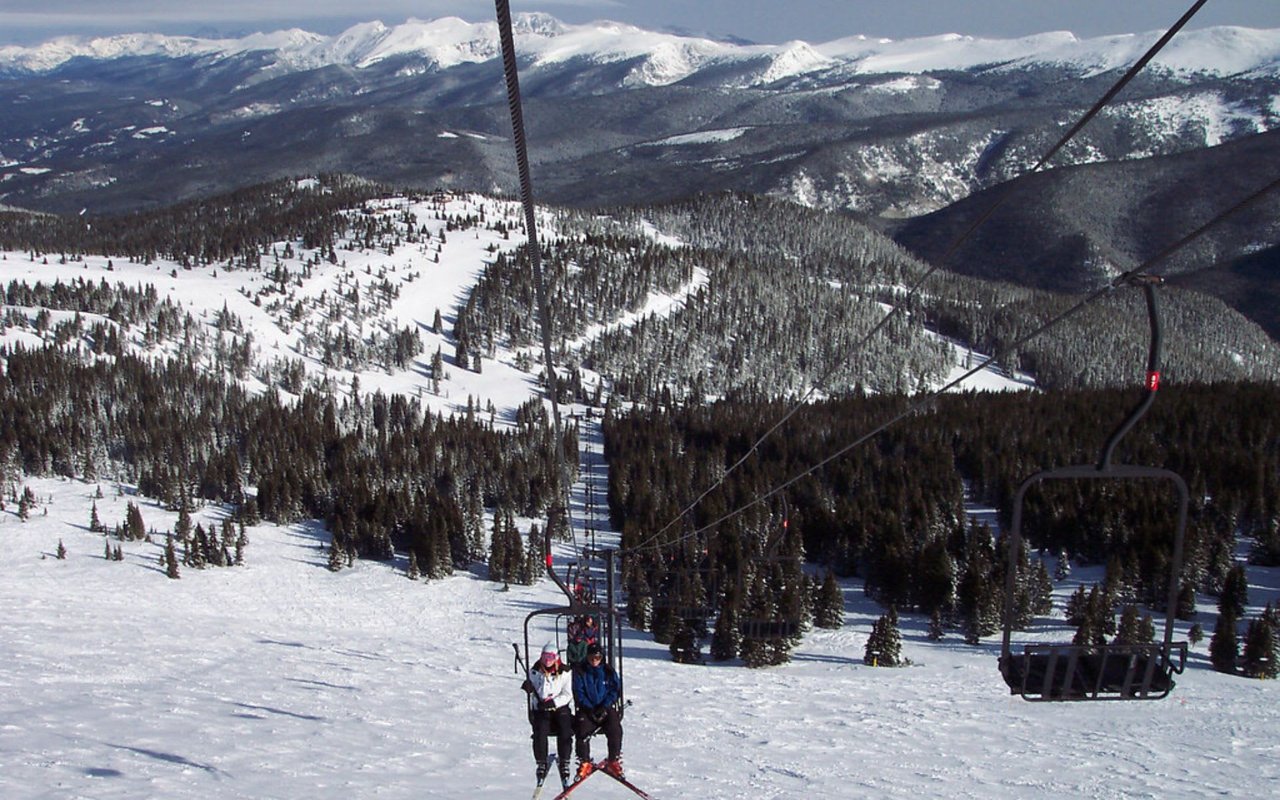
Between seasons, that mountain rhythm becomes more noticeable. Winter Park Resort lists limited spring village hours from April 21 through May 22, 2026, then moves into daily summer operations starting June 19. Later in the year, from September 8 through September 27, 2026, the resort schedule shifts again to reduced operations with base activities only on Friday through Sunday.
That schedule helps explain why spring and fall often feel calmer than peak winter or peak summer. You may notice less traffic, fewer crowds, and a more residential atmosphere. For buyers, that can be one of the best times to understand what everyday life here actually feels like.
Shoulder Season Feels More Local
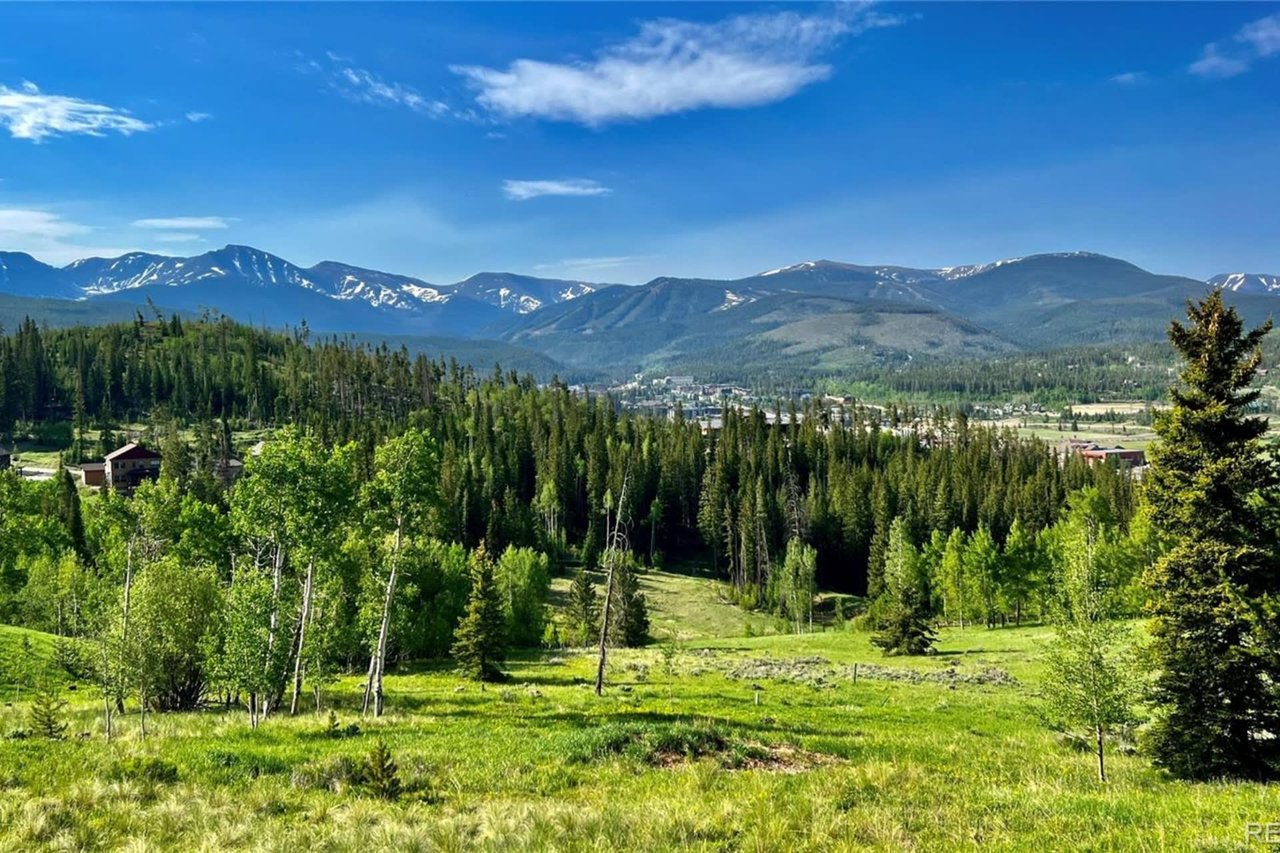
In the quieter months, Winter Park still has energy, but it tends to feel less resort-centric. Instead of a fast-moving peak-season pace, you get a clearer view of how people use the town day to day. That can matter if you are considering a primary home, a second home, or land for a future build in Grand County.
This is often when the details of mountain living stand out most. You notice how easy it is to move through town, where people gather for coffee or dinner, and how outdoor plans shift with the weather. In many ways, these in-between stretches reveal the livability that draws buyers to the Fraser Valley in the first place.
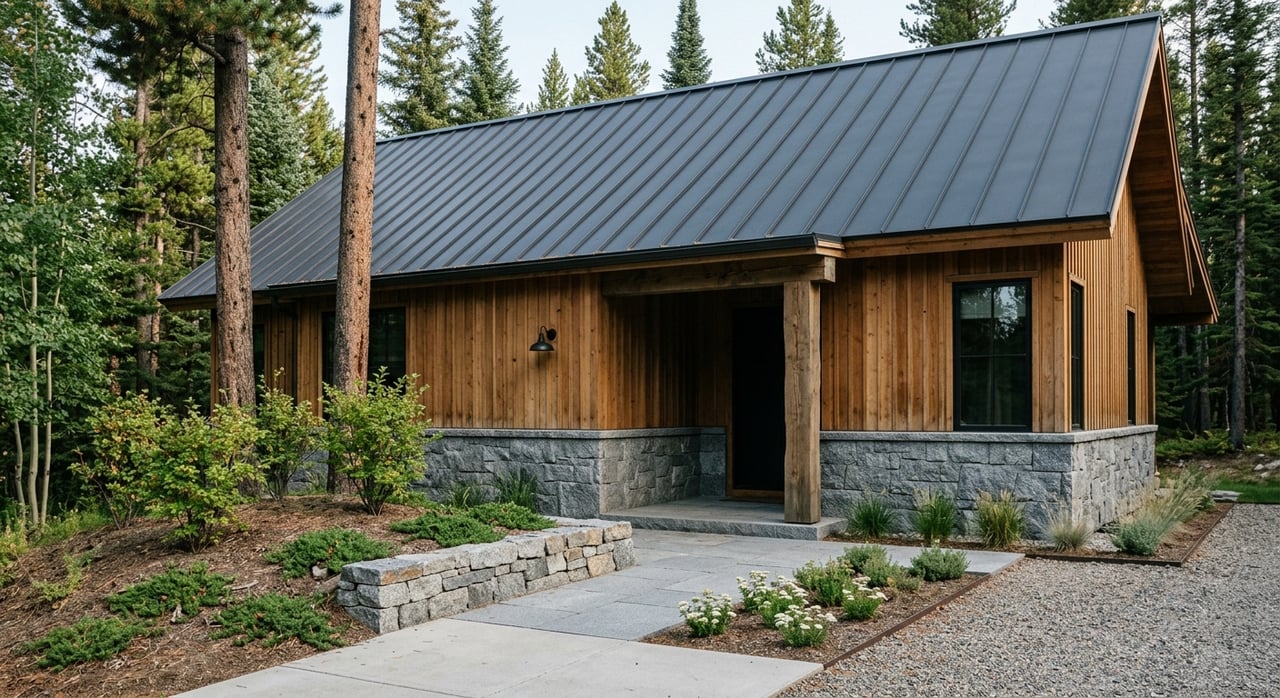
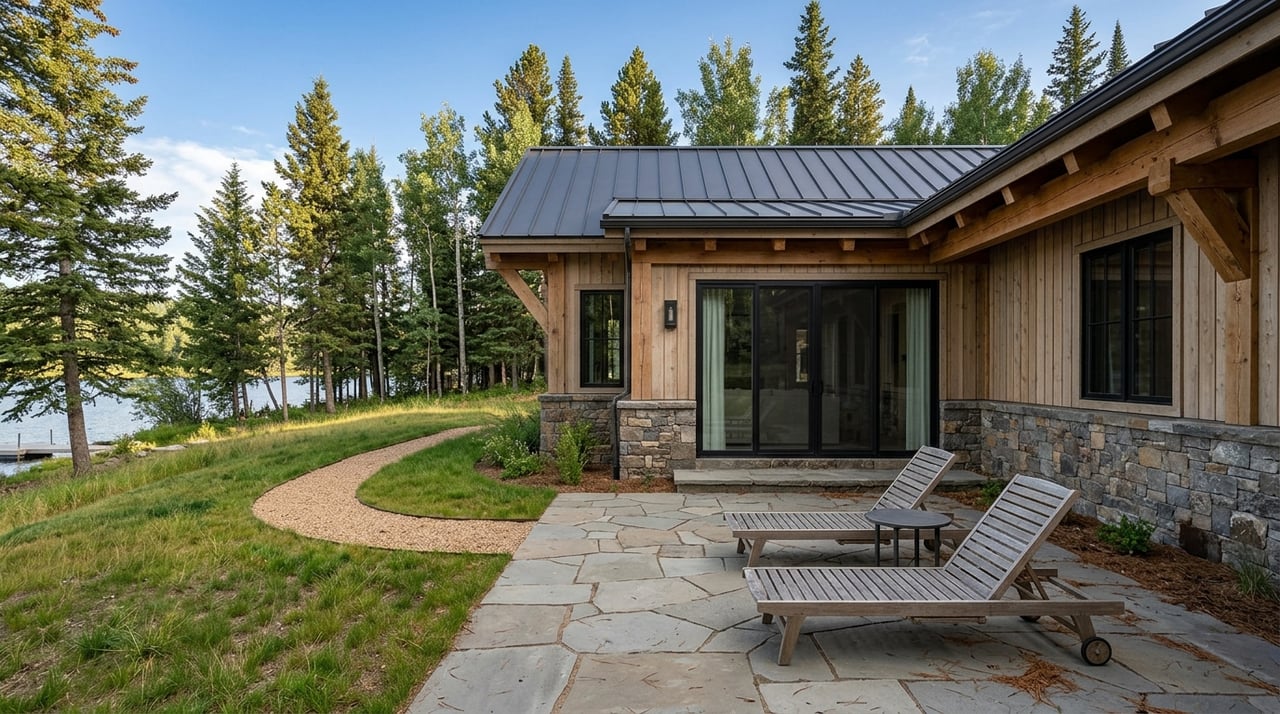
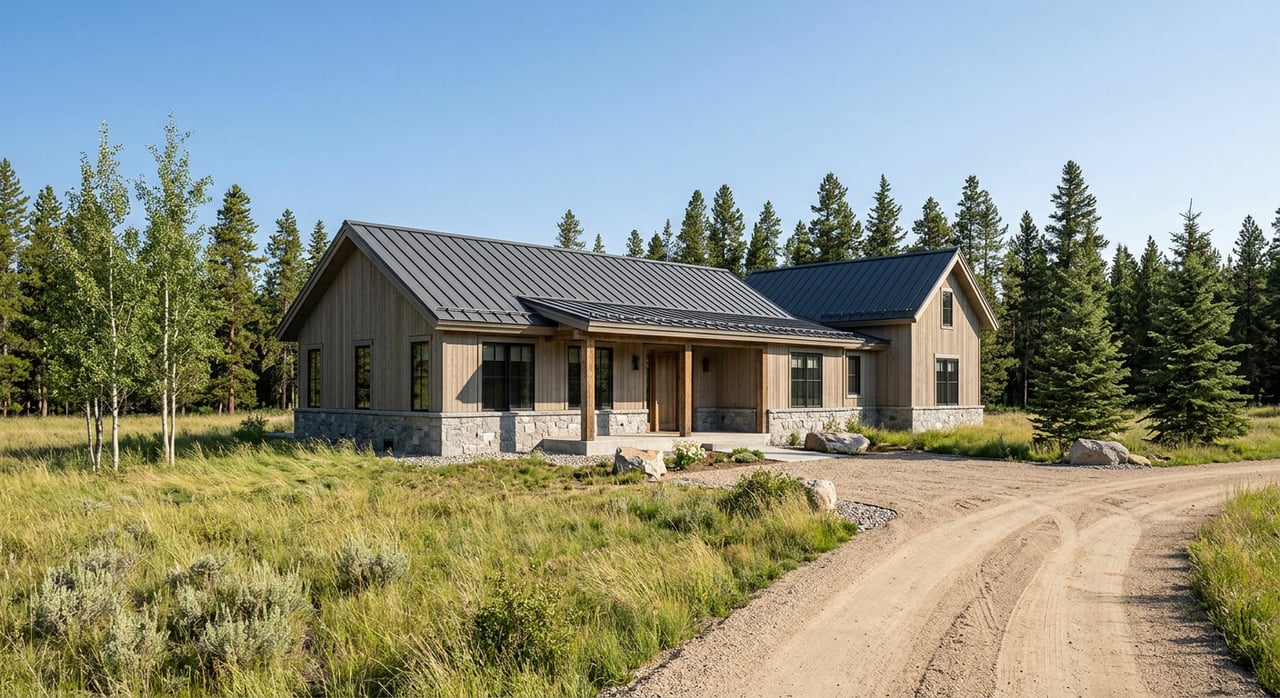
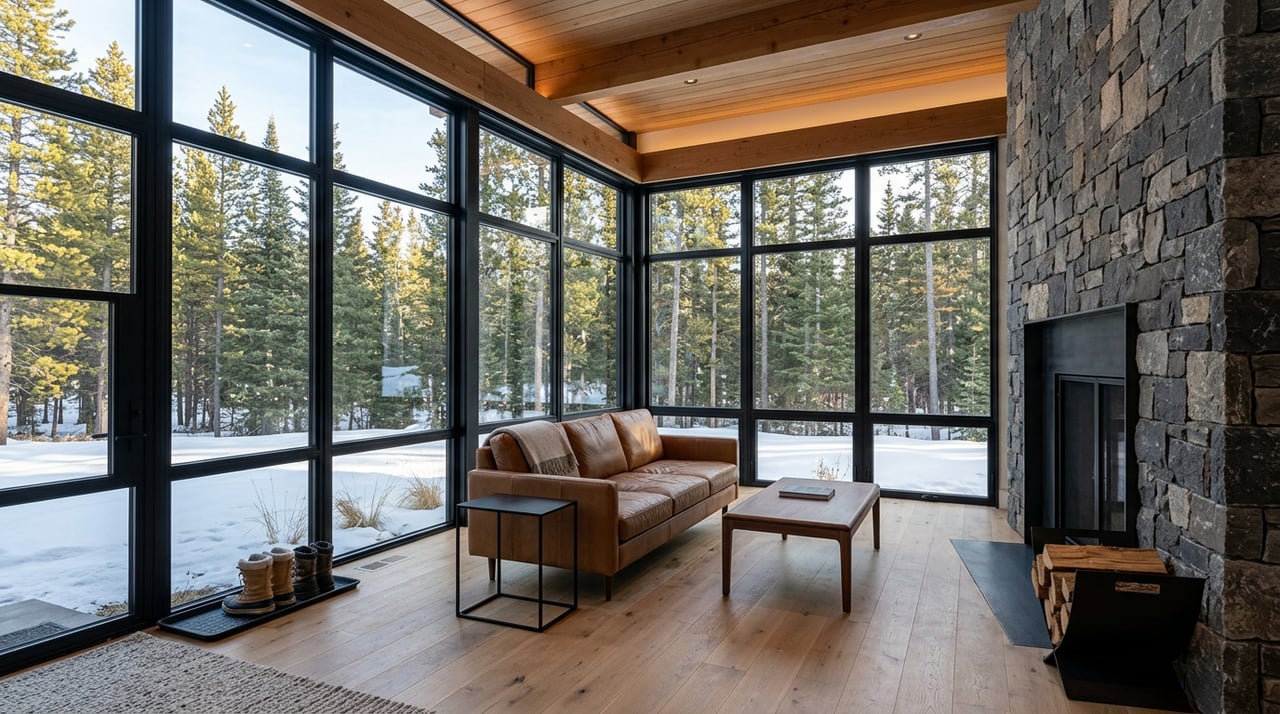
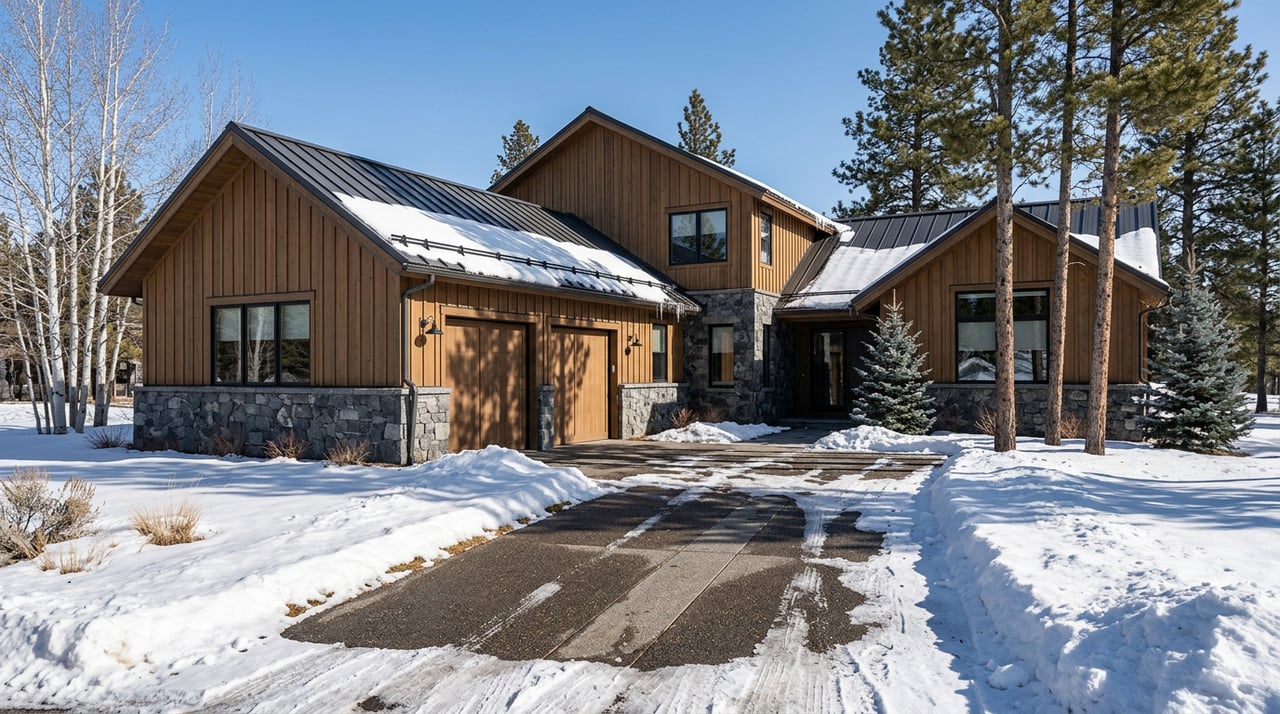
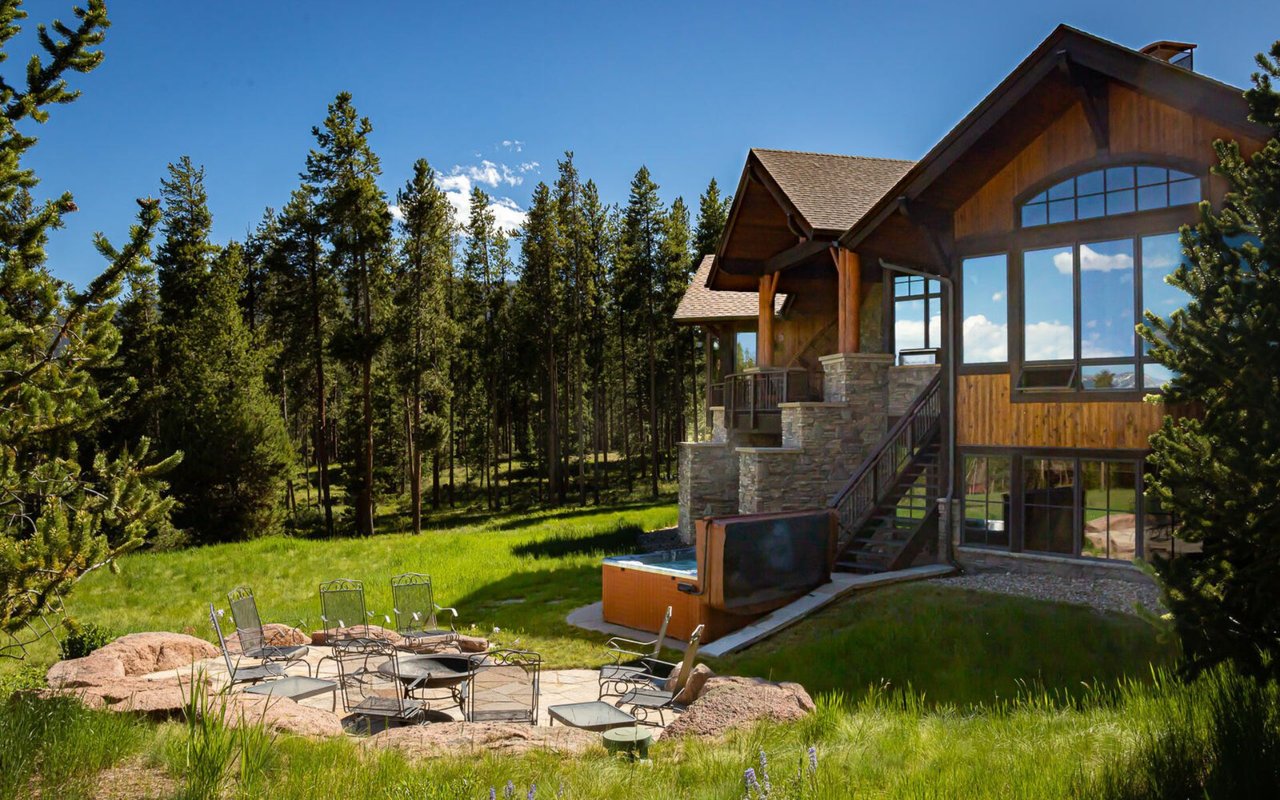
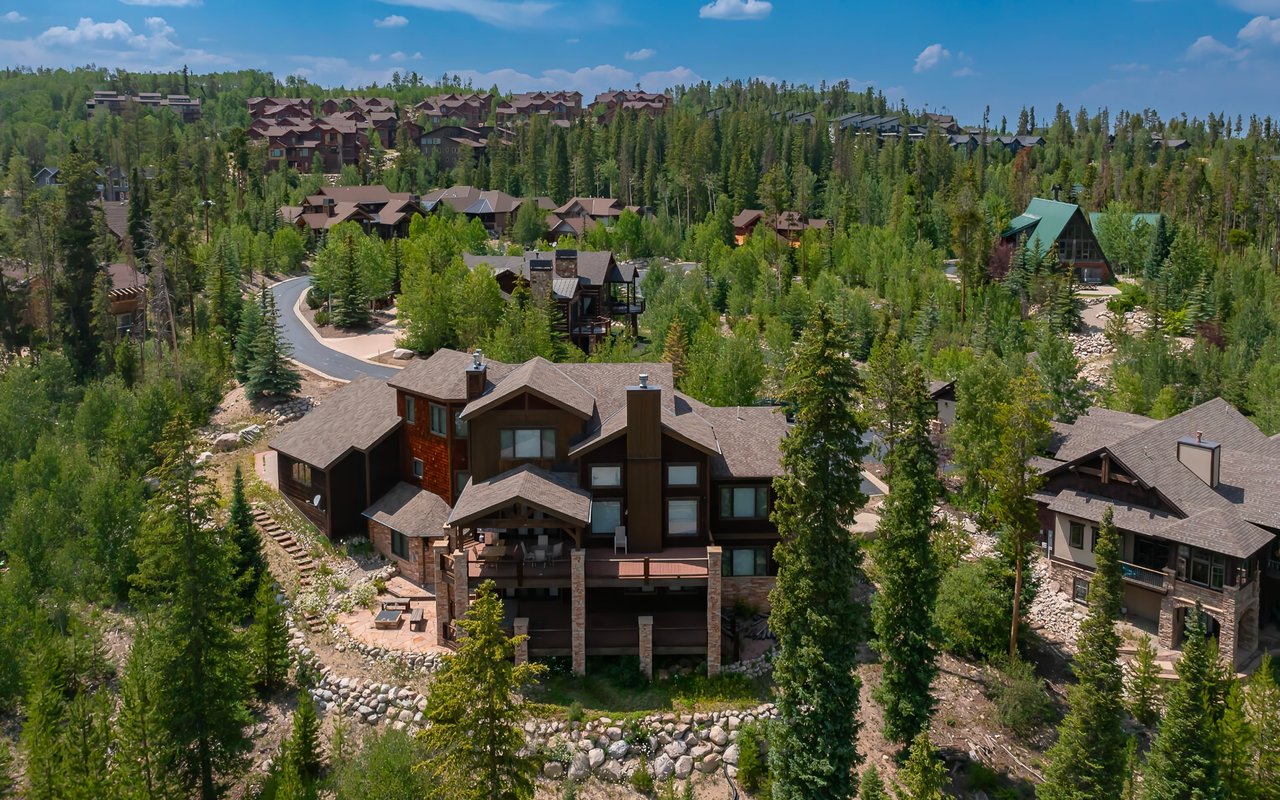
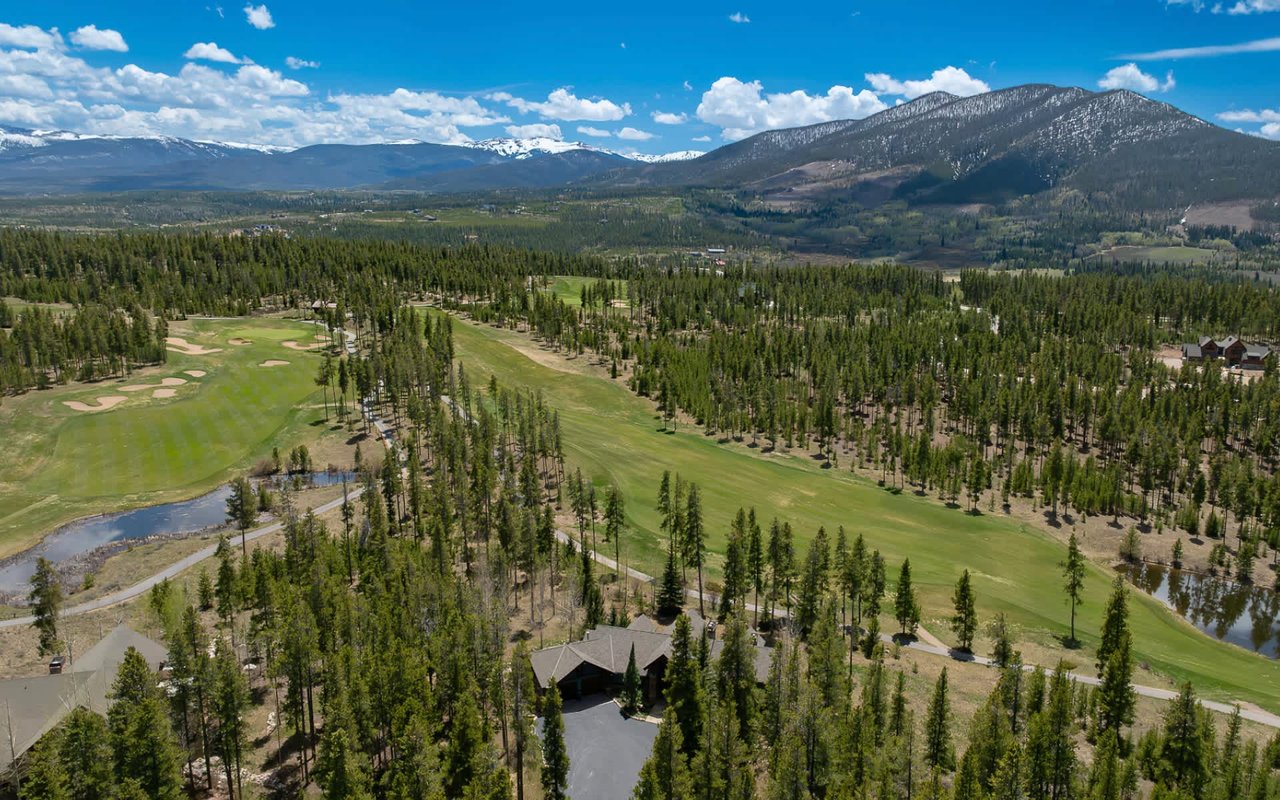
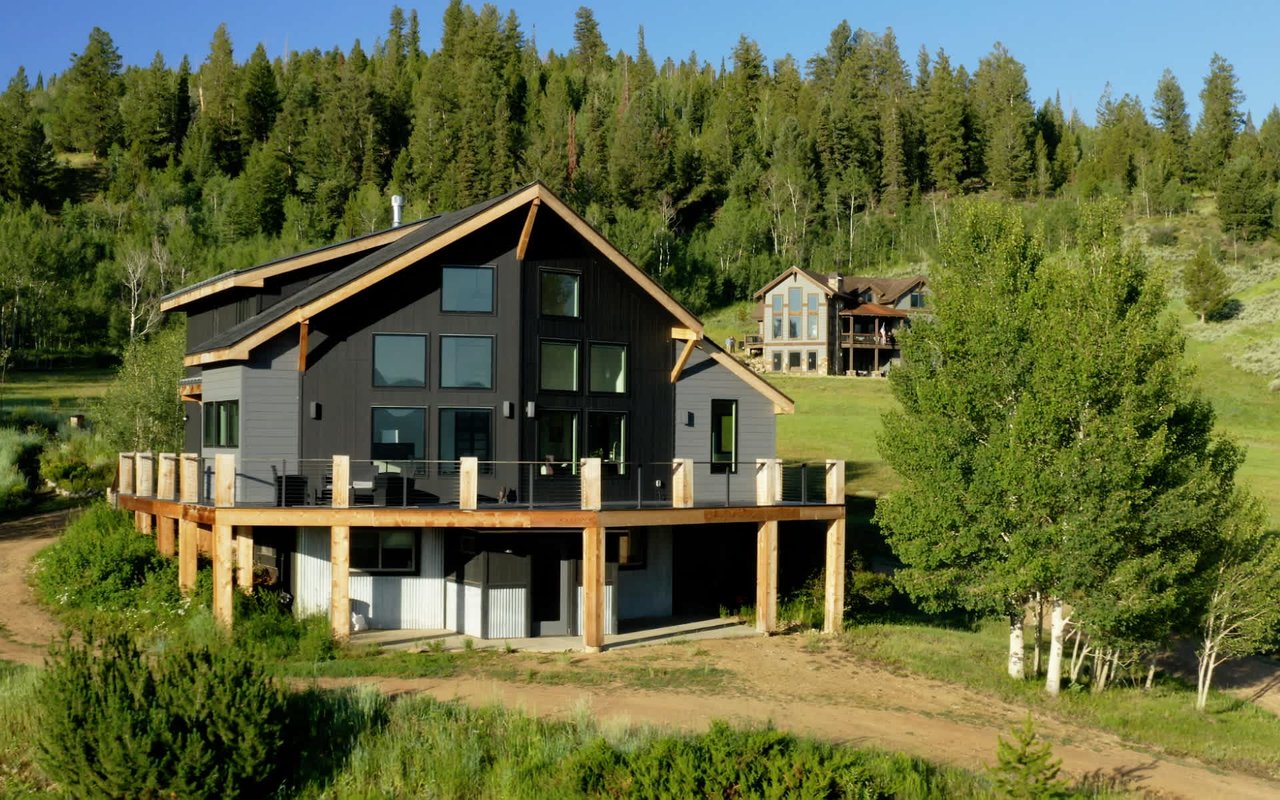
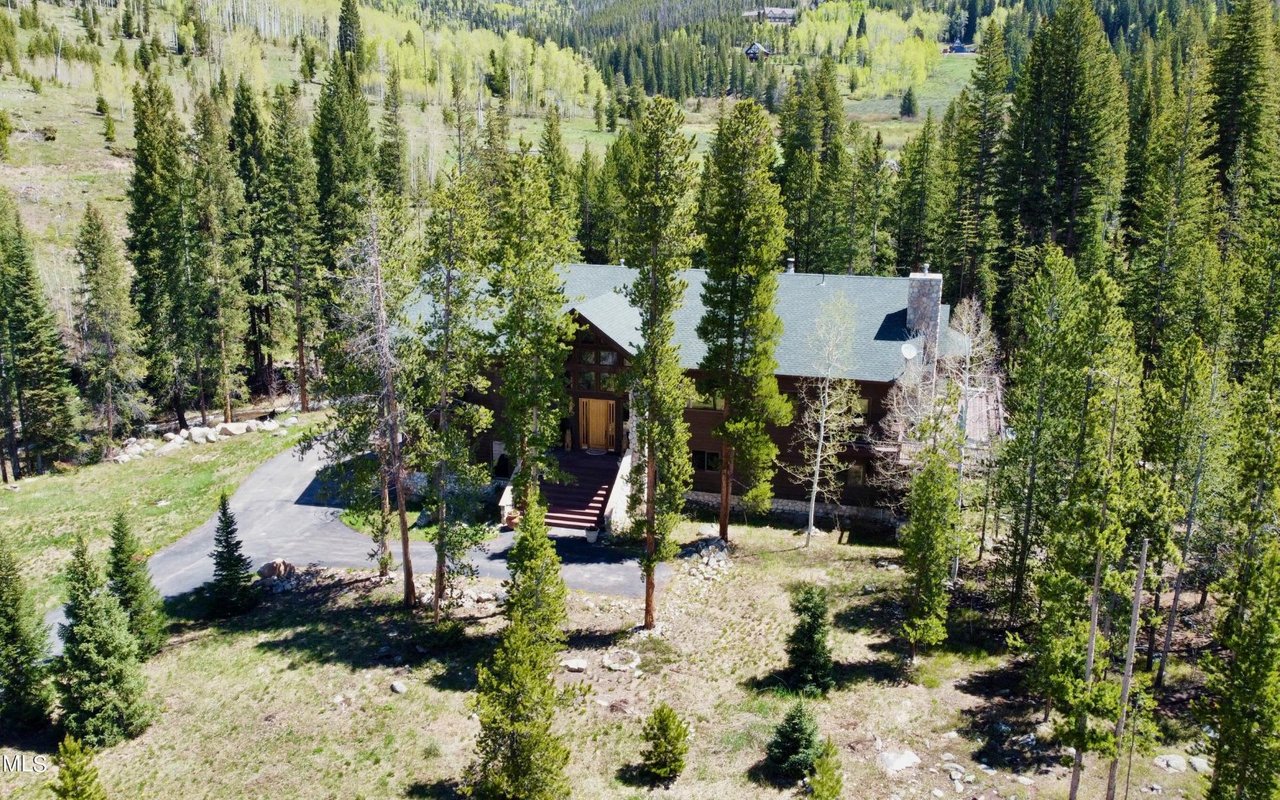
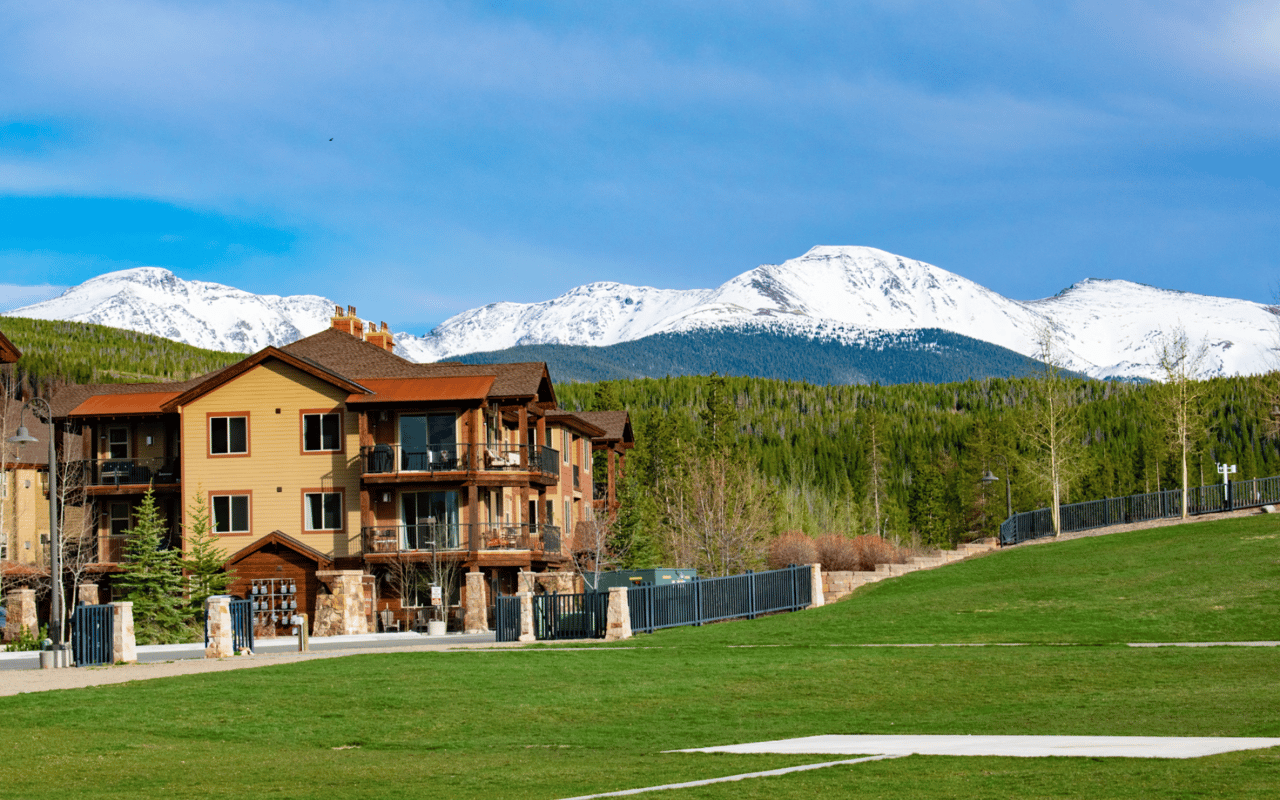
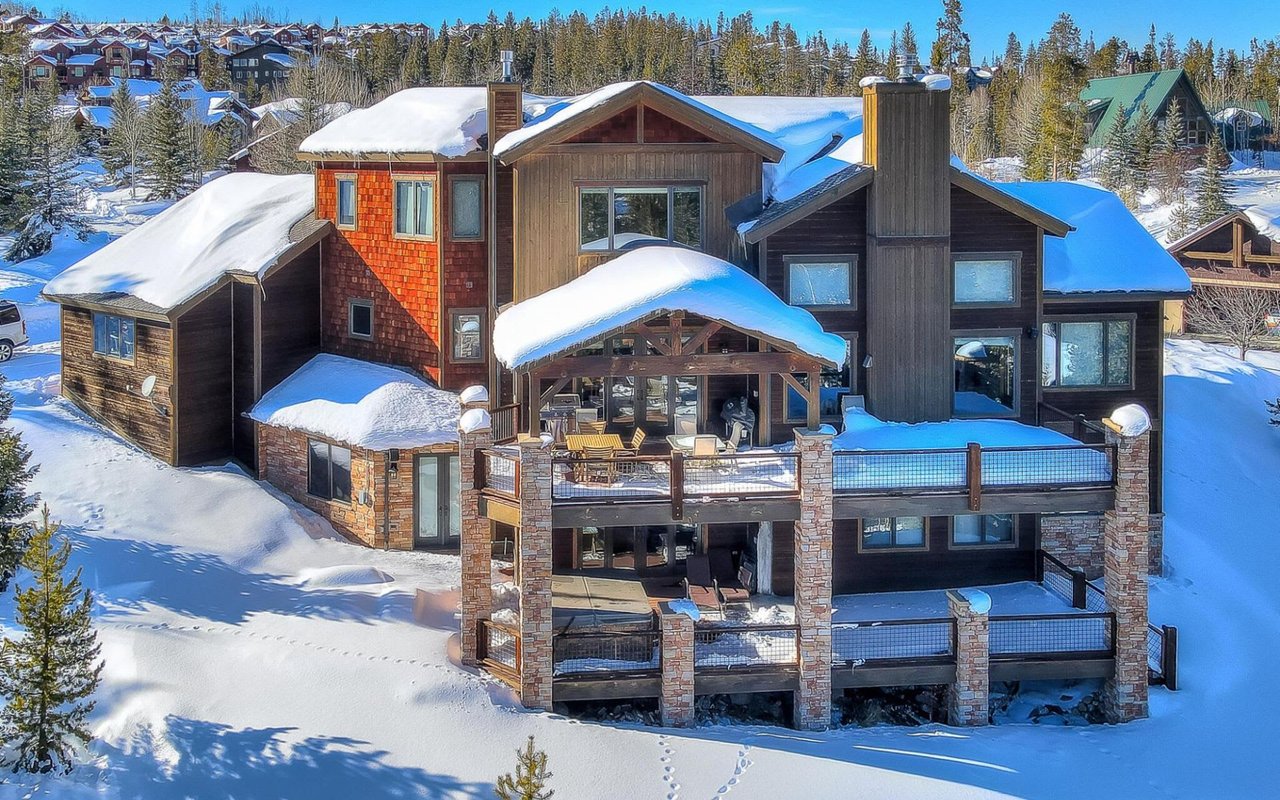
For clients considering low-density mountain communities near Winter Park, that local rhythm can be especially appealing. A quieter season often gives you a better sense of privacy, open space, and how a home base here supports year-round recreation without always feeling tied to peak resort traffic.
Trails Shape the Season
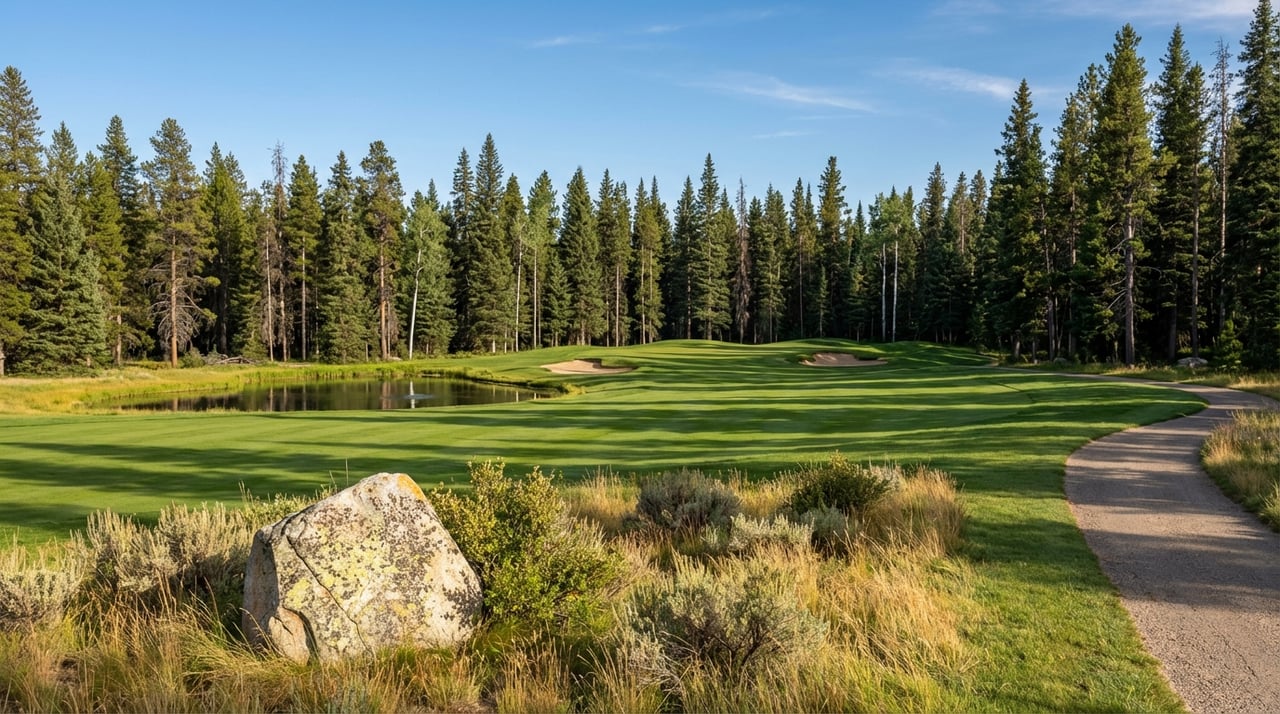
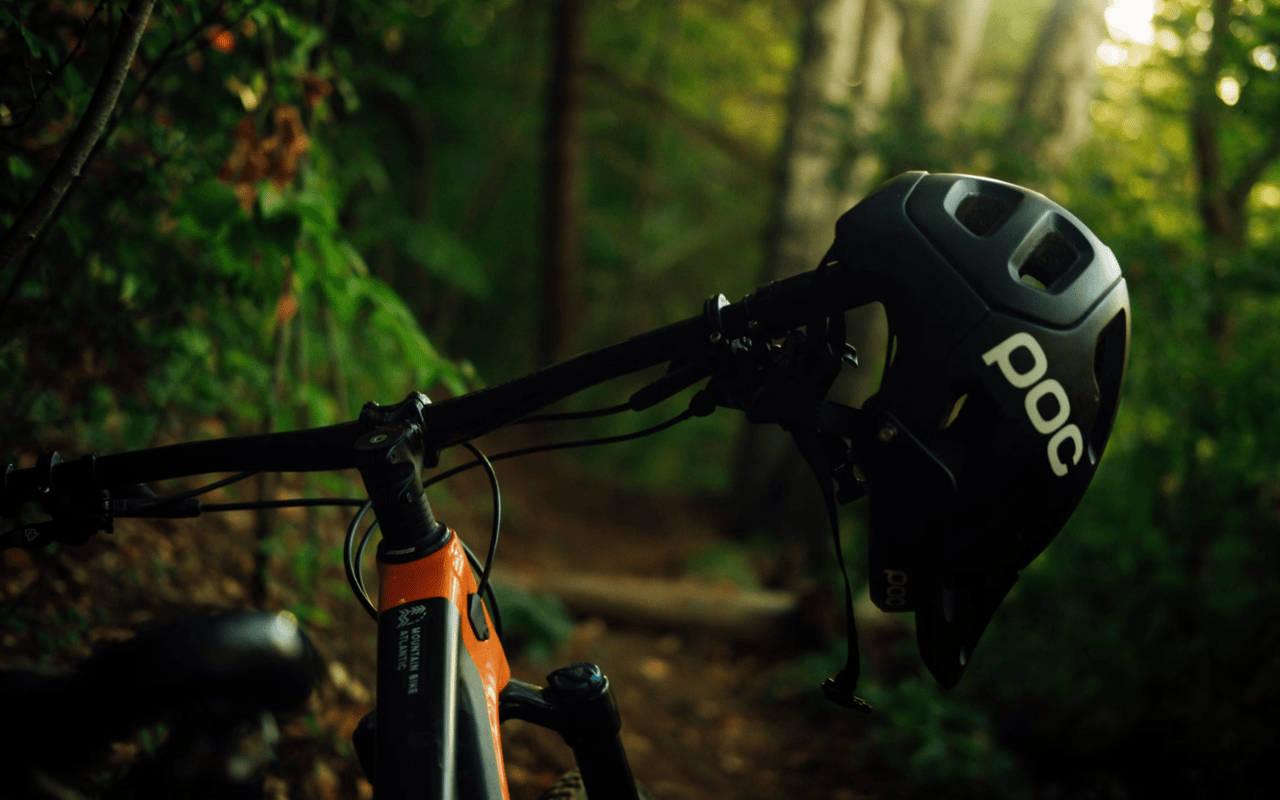
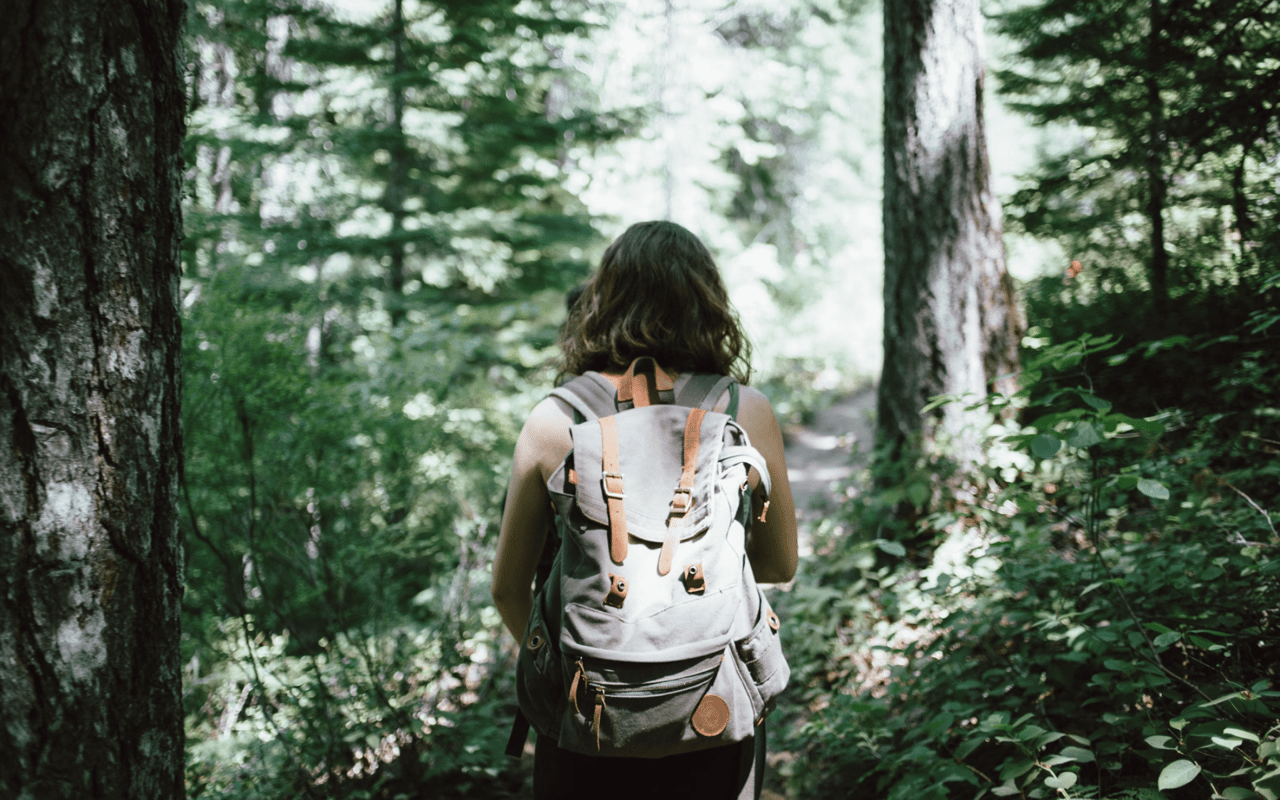
One of the biggest reasons Winter Park stays active between seasons is trail access. The chamber highlights more than 600 miles of trails in the area, which gives you a wide range of ways to enjoy the outdoors throughout the year. At the same time, trail conditions can change quickly based on snowpack and rain, so some routes may be muddy or temporarily inaccessible.
That is why shoulder season usually calls for a flexible approach. Instead of planning around high alpine routes, many people lean into easier walks, river paths, and shorter outings that are less weather-sensitive. It is a different outdoor rhythm, but still a very active one.
Easier Trails Often Lead the Way
Headwaters Trails Alliance descriptions are especially useful in these months. The Fraser River Trail is a five-mile point-to-point mixed-surface path that runs from Winter Park Resort through the town of Winter Park to Fraser. Segments are described as stroller-friendly and suitable for small children, which makes it a practical choice for a relaxed outing.
Other easier options include Bonfils Stanton and Serenity. These kinds of trails fit the shoulder-season mood well because they offer lower-stress recreation when conditions are less predictable. If you are exploring the area as a potential homeowner, those everyday-use trails can tell you just as much as the big adventure routes.
Conditions Matter More Than the Calendar
In Winter Park, spring and fall are not just defined by dates. They are shaped by changing trail conditions, weather swings, and elevation. A sunny morning can still call for layers, and a trail that looked ready a few days ago may need more time to dry out.
That does not mean you stop planning outdoor time. It simply means you plan with more awareness. For many people, that slower and more attentive pace is part of the appeal of mountain living.
Dining Stays Active Year-Round
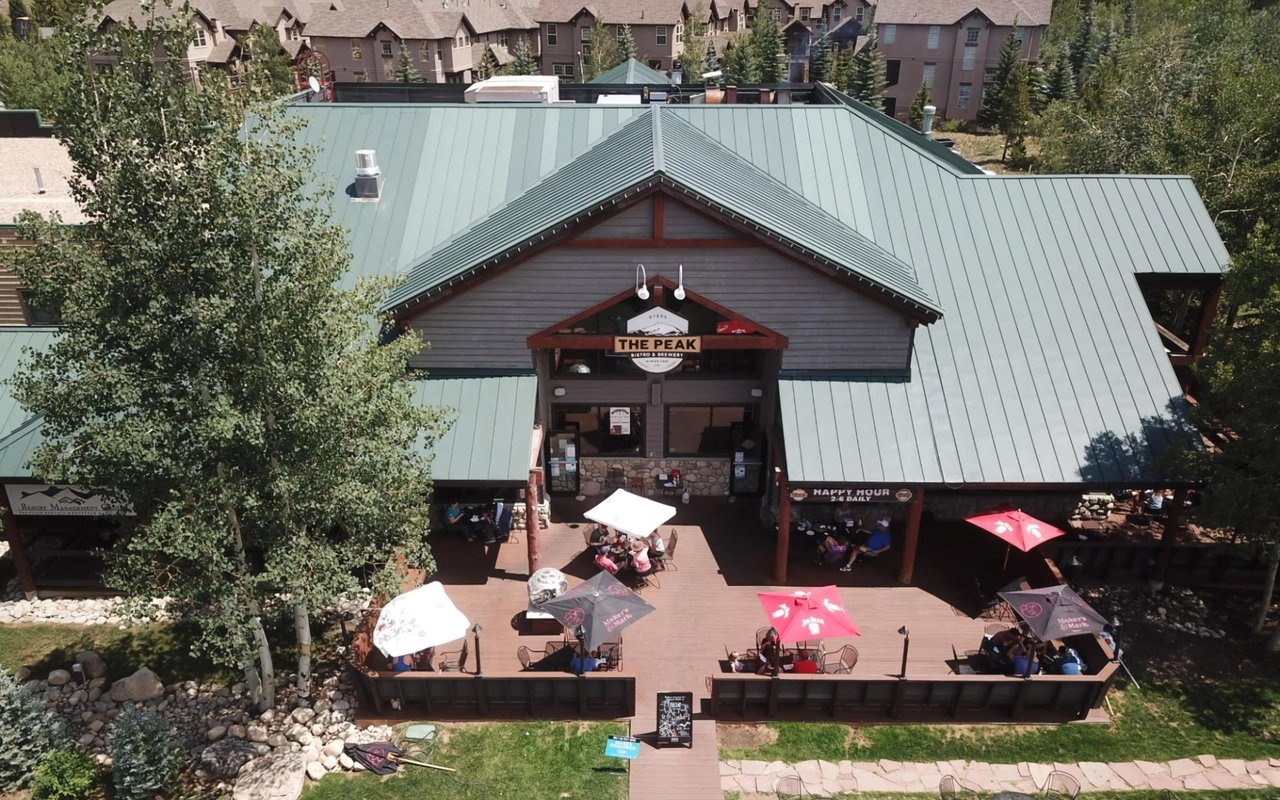
Another thing that stands out between seasons is that dining does not disappear when the resort softens. The chamber lists several year-round options, including Unravel Café at Gravity Haus, Lime Cantina, Randi’s Grill & Pub, and Wake N’Bacon. At the same time, some businesses remain seasonal, such as Snoasis, which is listed as winter-only.
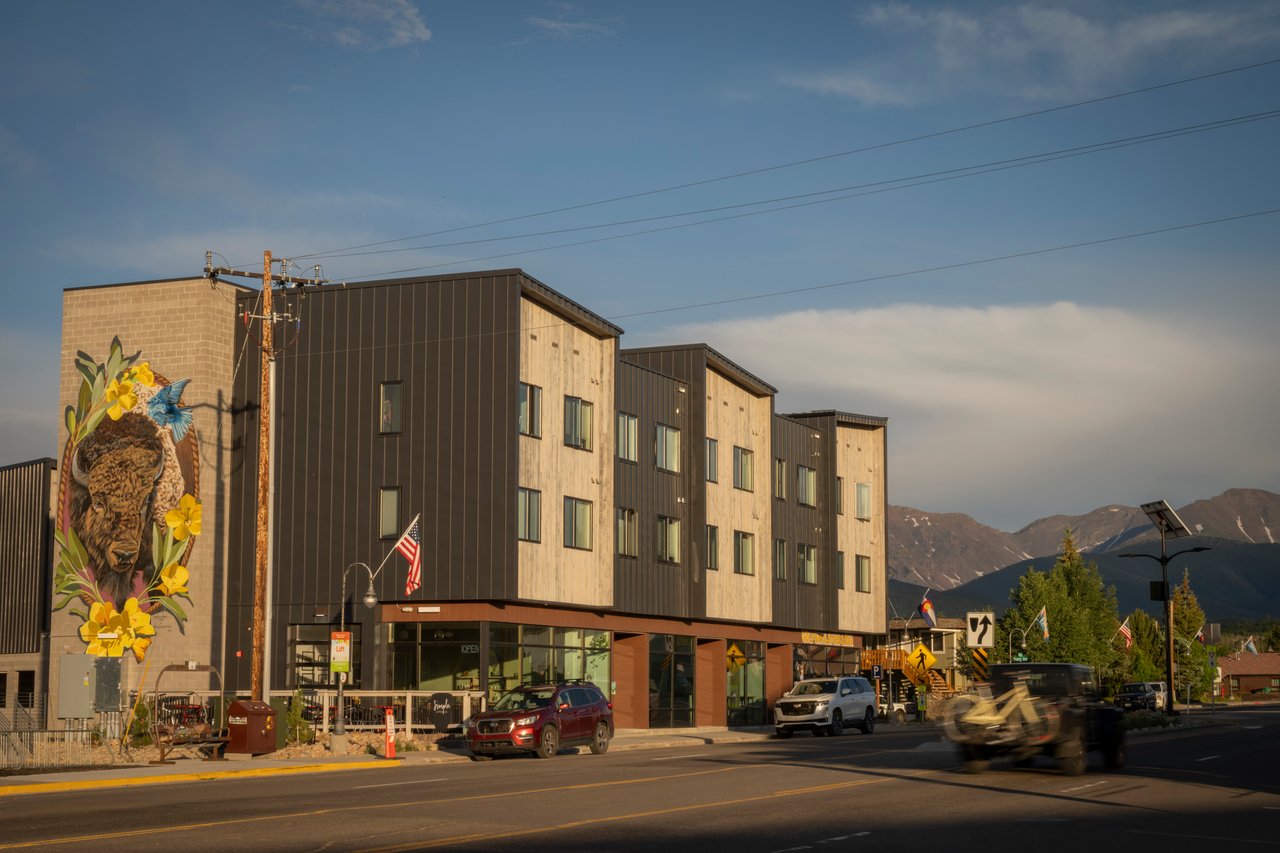
That mix creates a different dining feel in the off-season. Meals often shift toward the town core and base-area spots that stay consistently active year-round. The result can feel more local and less tourist-heavy than it does during the busiest times of year.
For buyers, that matters more than it may seem at first. Reliable year-round dining helps support everyday convenience, especially if you plan to spend extended stretches in Winter Park rather than only visiting during peak weekends.
Community Events Keep the Calendar Moving
Even when the resort pace slows down, the local calendar stays active. Recent examples from the chamber include Grand Kids Eggstravaganza on April 4, 2026, First Fridays at Cooper Creek Square from June 5 through September 4, 2026, Plein Air @ Altitude on September 11 and 12, 2026, Rocky Mountain Wine Fest on September 18 and 19, 2026, and the Chamber’s Business Expo on October 14, 2026.
These events help show that shoulder season is not empty. Instead, it often feels more community-centered. You still have reasons to get out, connect with the area, and experience a lively local scene without the same peak-season intensity.
That balance can be a real advantage if you are deciding whether Winter Park fits your long-term goals. You get activity and variety, but often with a little more breathing room.
Transit Supports Daily Life
Winter Park’s day-to-day convenience is also shaped by transportation. The Lift is a free transit system serving Winter Park, Fraser, and Granby. According to the chamber, winter and spring service runs from 7:30 a.m. to 12 a.m. seven days a week, with free on-call rides from 6 p.m. to 12 a.m.
The town also points to car-free options such as the Outrider bus from Denver and the seasonal Winter Park Express train. Together, those options suggest that daily life here is not always fully car-dependent, especially when resort parking is less convenient or when you want a simpler way to move around.
For homeowners and second-home owners, that can be a practical benefit. It supports easier outings, smoother visits during busier times, and a more connected lifestyle across the Fraser Valley.
Homeownership Between Seasons Takes Planning
Winter Park’s between-season lifestyle is appealing, but it also comes with real mountain-town considerations. Grand County is currently in Stage 3 Exceptional Drought, and the county and town recommend indoor water rationing along with outdoor water restrictions. That has direct relevance for homeownership, landscaping, and seasonal property planning.
If you own land or a home here, maintenance decisions often need to reflect local conditions. Irrigation timing, outdoor water use, and landscape choices matter more in this environment than they might in a lower-elevation market. This is one reason many buyers benefit from working with a local real estate team that understands how mountain conditions affect everyday ownership.
Altitude is another part of the equation. Dry air, stronger sun exposure, and fast-changing weather make hydration, layering, and preparation part of normal life. For some buyers, that is an adjustment. For others, it is simply part of what makes the mountain lifestyle feel intentional and distinct.
Why This Matters for Buyers
If you only know Winter Park during ski season or peak summer, you are seeing an important part of the story, but not the full picture. The between-season months offer a more grounded view of what it is like to live here, return here often, or build something meant to last. You can better evaluate pace, access, privacy, and how the town functions when it is not in full resort mode.
That perspective is especially valuable if you are exploring opportunities in the greater Winter Park and Fraser Valley area. A quieter season can help you assess what matters most, whether that is proximity to trails, room to spread out, access to dining and transit, or a setting that feels connected to nature year-round.
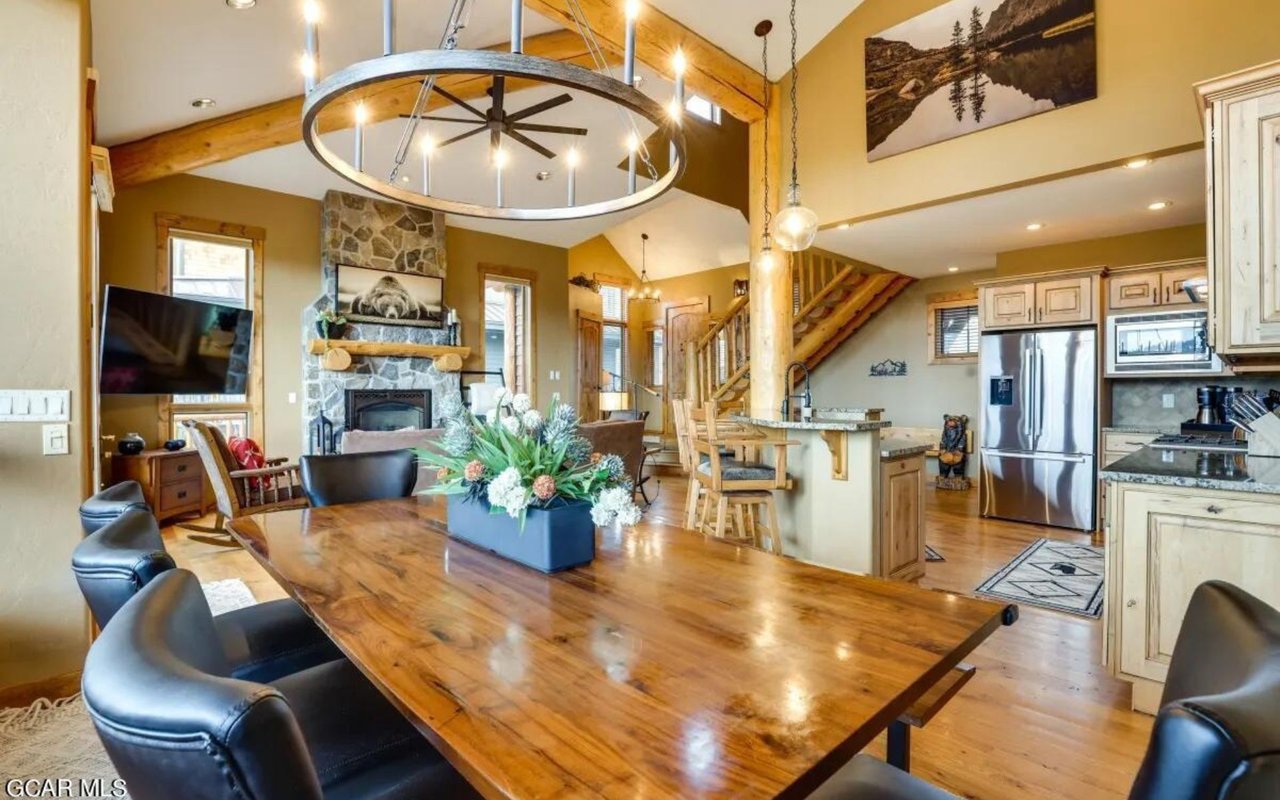
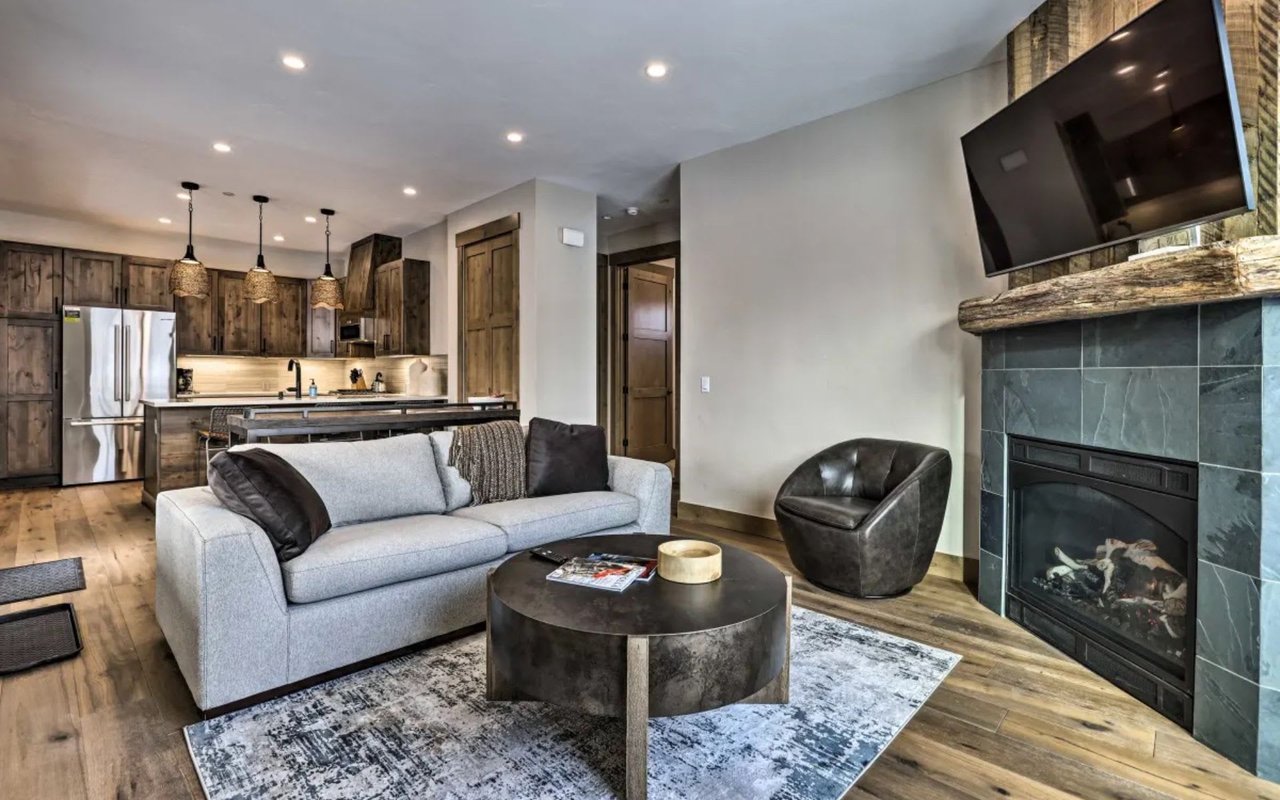
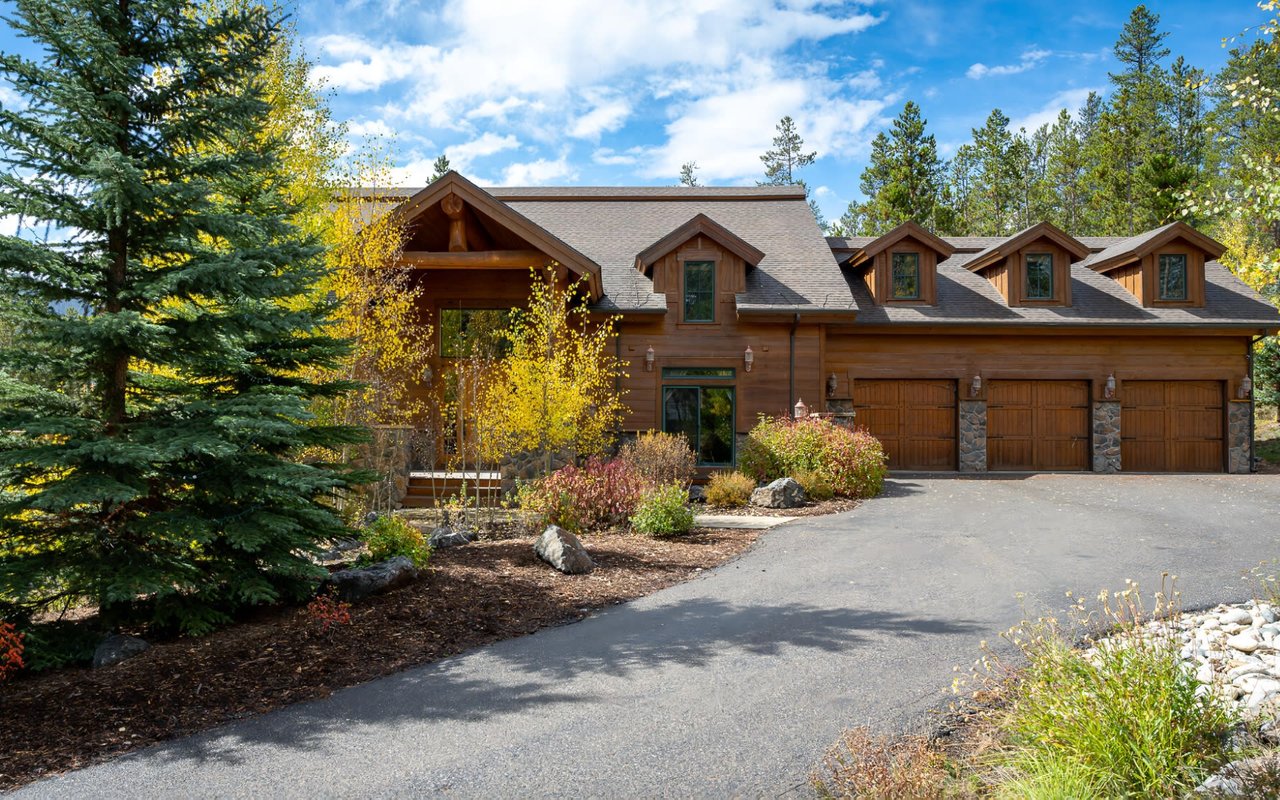
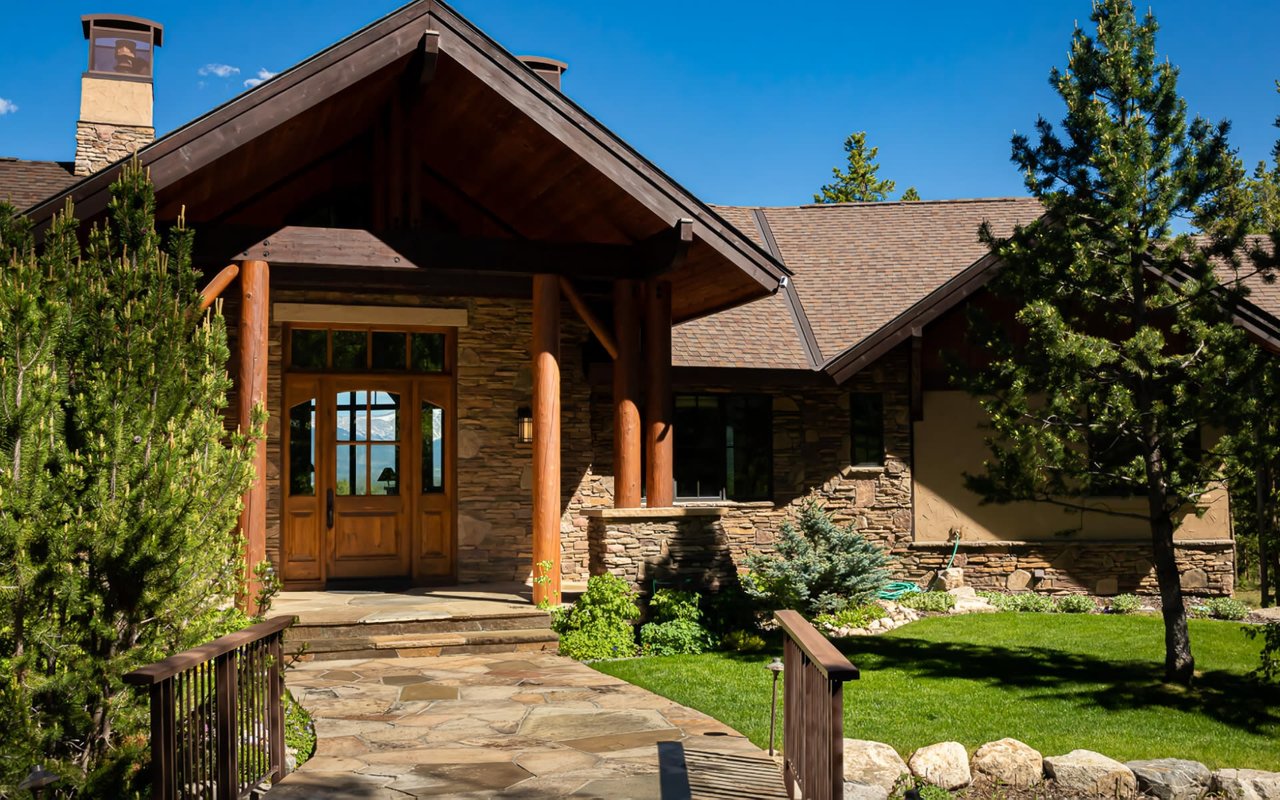
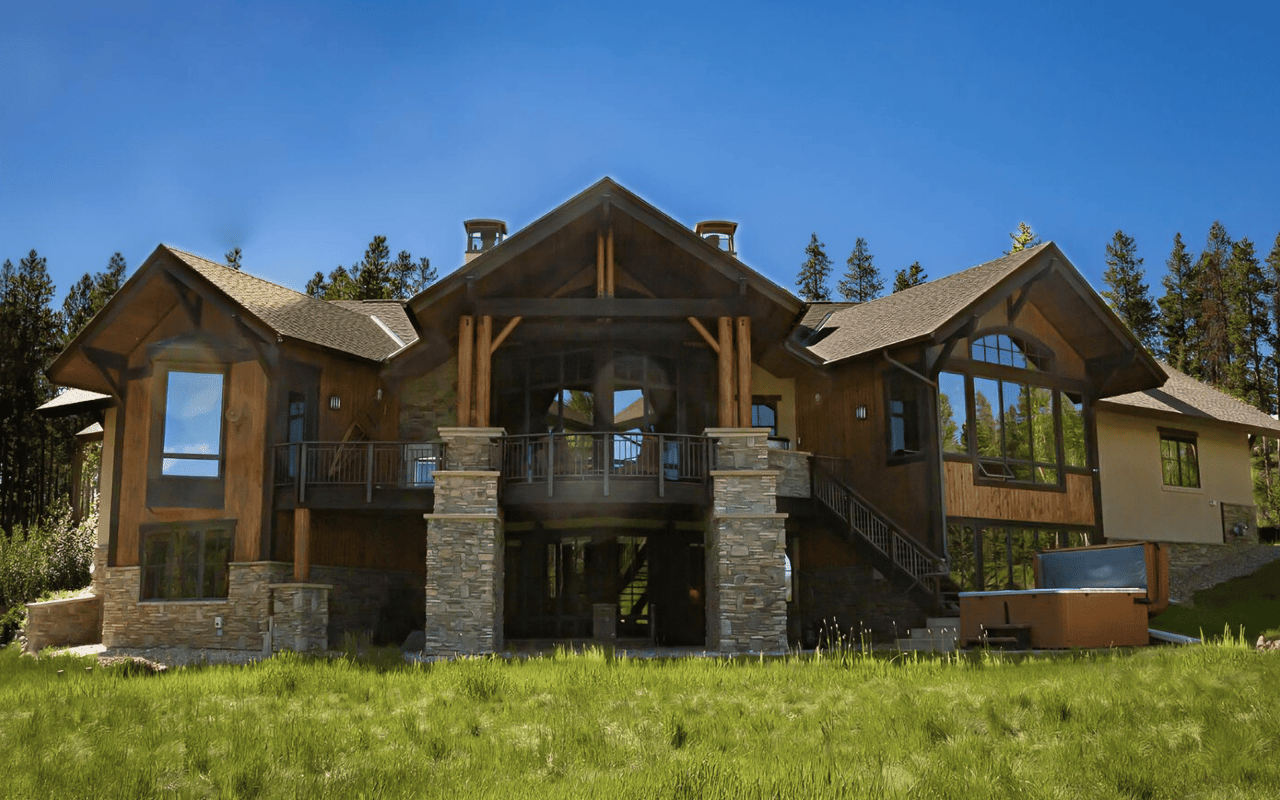
For buyers looking at homes, custom-home opportunities, or land in Grand County, these in-between months can reveal the everyday value behind the scenery. They show you a mountain community that is still active and well-supported, but calmer, more residential, and easier to picture as part of your own routine.
If you are exploring mountain property near Winter Park and want local guidance on homes, land, or lifestyle fit, connect with Sanderson Real Estate. Their on-the-ground perspective can help you evaluate what living in Grand County looks like in every season.
FAQs
What is Winter Park like during shoulder season?
- Winter Park often feels quieter, less traffic-heavy, and more local during spring and fall, while still offering trails, dining, events, and transit.
Are there things to do in Winter Park between peak seasons?
- Yes. The area still offers trail access, year-round restaurants, community events, and free public transit during the slower months.
Which Winter Park trails work well between seasons?
- Easier options like the Fraser River Trail, Bonfils Stanton, and Serenity often fit shoulder-season conditions better than higher, weather-sensitive terrain.
Are restaurants open in Winter Park year-round?
- Several are, including Unravel Café at Gravity Haus, Lime Cantina, Randi’s Grill & Pub, and Wake N’Bacon, though some businesses are seasonal.
Is Winter Park easy to get around without a car?
- The Lift provides free transit service in Winter Park, Fraser, and Granby, and the town also highlights car-free travel options from Denver.
What should home buyers know about Winter Park’s climate?
- Buyers should be aware of high elevation, dry air, stronger sun exposure, changing weather, and current drought-related water restrictions that can affect home use and maintenance.