Grand Lake isn’t just a destination—it’s a seasonal economy with predictable patterns, concentrated demand, and very specific opportunities.
The investors who do well here understand that. The ones who don’t… usually learn it the hard way.
If you’re considering retail, hospitality, or a mixed-use investment in Grand County, this is what actually matters.
Is Grand Lake a Good Place for Commercial Real Estate?
Direct Answer:
Grand Lake can be a strong commercial real estate market for investors and owner-operators who understand seasonal demand, tourism-driven revenue cycles, and the importance of location within the town’s walkable core.
The Economic Reality: Compressed Opportunity
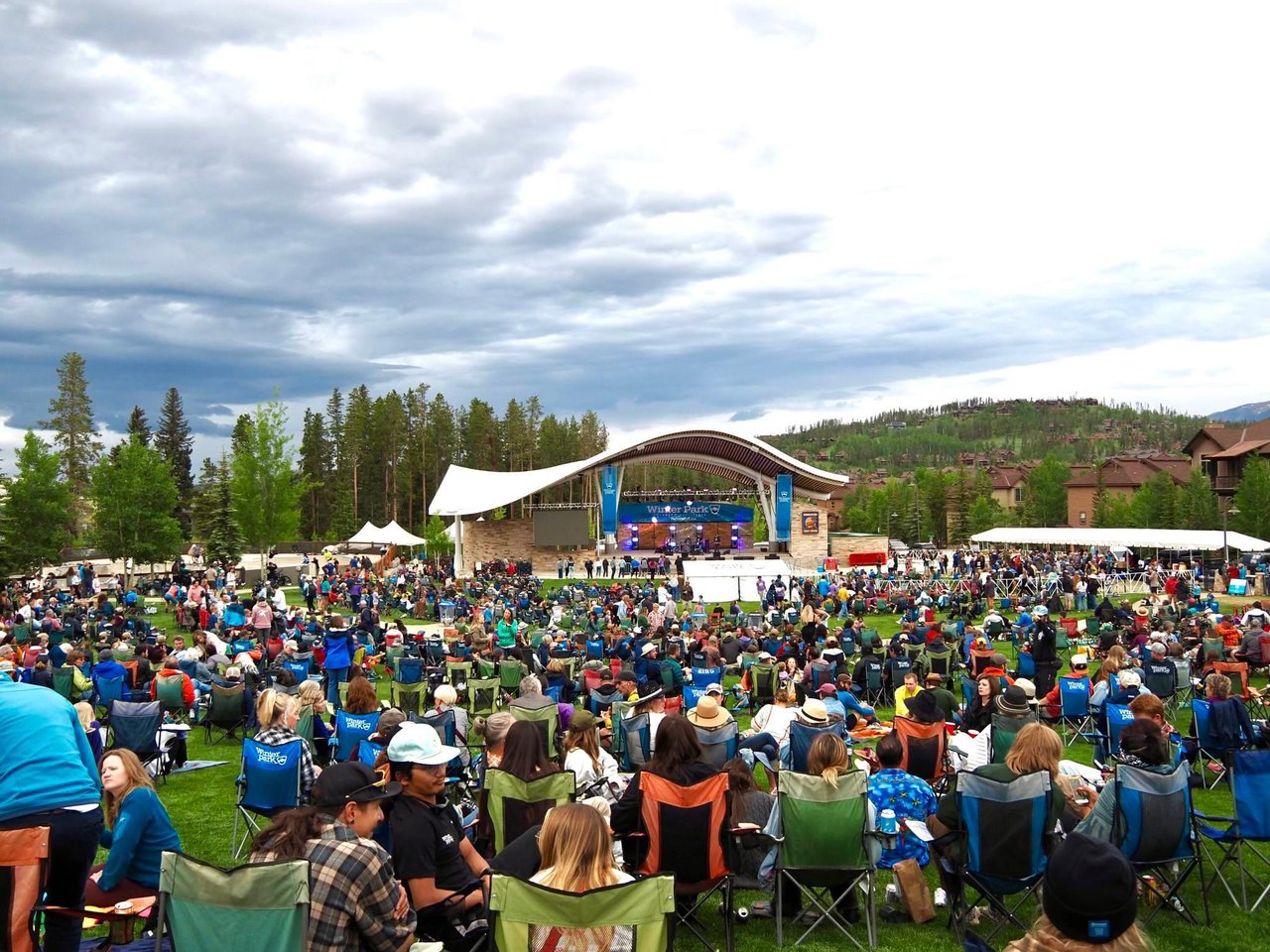
Grand Lake runs on seasonal intensity.
- Peak Season: June–September
- Secondary Season: Winter (snowmobiling, Nordic, events)
- Shoulder Seasons: Slower—but not dead
What that means:
Revenue isn’t evenly distributed—it’s earned in concentrated windows.
The businesses that thrive here aren’t just “good concepts.”
They’re built for this rhythm from day one.
Where the Money Actually Moves
Not all locations in Grand Lake perform equally—and the difference is bigger than most buyers expect.
High-Performing Zones:
- Downtown boardwalk corridor
- Marina-adjacent properties
- Walkable retail clusters
More Challenging:
- “Just outside” of town
- Low-visibility locations
- Spaces that rely on drive-by traffic alone
In Grand Lake, proximity isn’t the same as presence.
Being in the flow matters.
Seasonality Isn’t a Risk—It’s the Strategy
This is where most commercial buyers get it wrong.
They try to apply a steady, year-round business model to a seasonal market.
The better approach?
Design Around the Seasons:
Summer (Peak Revenue)
- Tourism drives volume
- Retail, dining, and rentals surge
Fall + Spring (Lean + Local)
- Reduced hours
- Lower overhead
- Community-focused engagement
Winter (Niche but Valuable)
- Snowmobile traffic
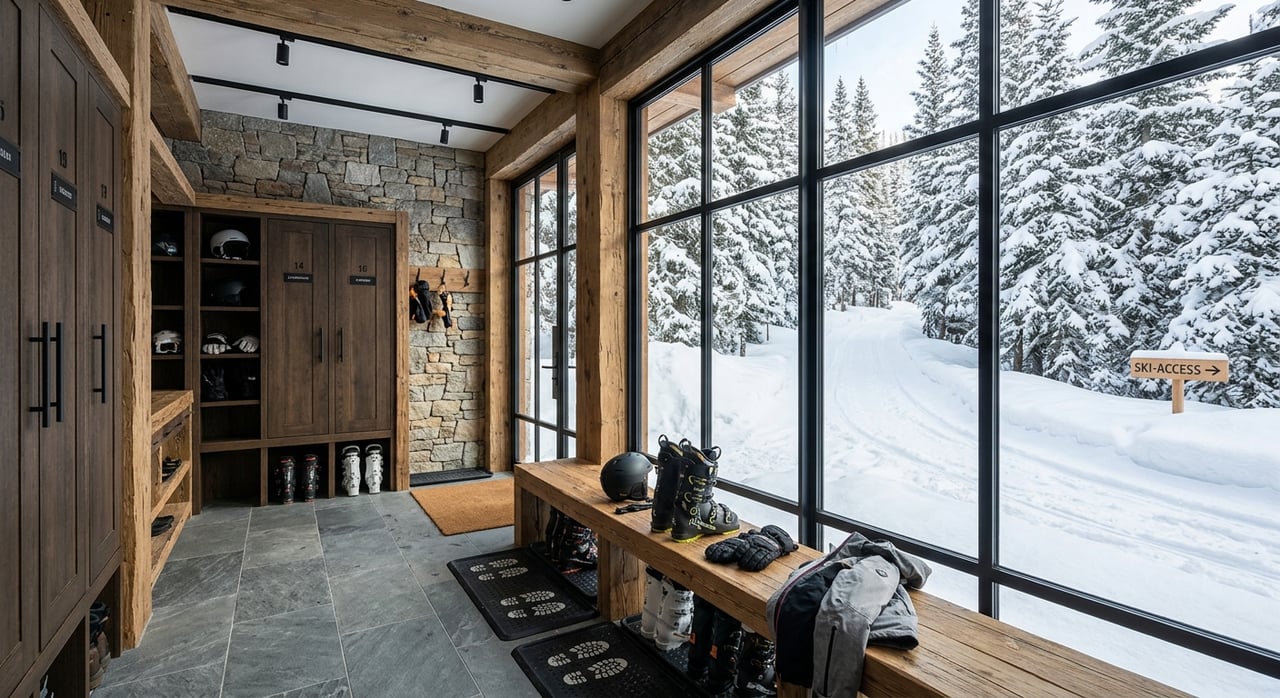
- Nordic recreation
- Event-driven spikes
The goal isn’t to fight seasonality—it’s to use it.
What Types of Businesses Actually Work Here
Based on local performance patterns, certain models consistently outperform:
Strong Performers:
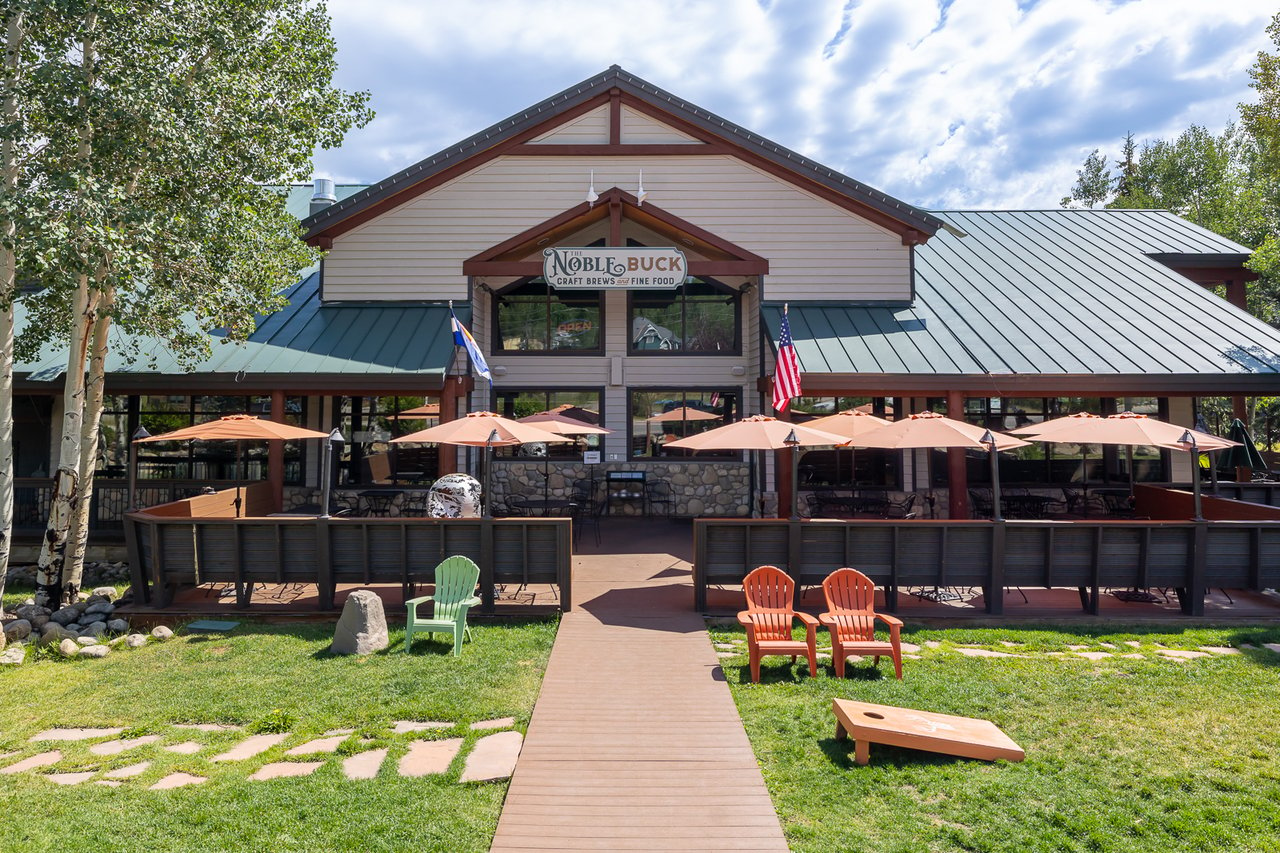
- Casual dining + coffee concepts
- Outdoor recreation rentals
- Boutique retail
- Lodging + hospitality
Require More Precision:
- High-overhead operations
- Concepts dependent on consistent daily traffic
- Businesses without seasonal flexibility
The difference isn’t just the idea—it’s how well the model fits the market.
The Mistake That Costs Buyers the Most
The biggest misstep?
Underwriting Grand Lake like a year-round metro market.
It’s not.
And when buyers assume steady revenue, consistent traffic, or uniform demand, the numbers stop working fast.
This is a market where:
- Timing matters
- Flexibility matters
- Local insight matters
Who This Market Is Actually Right For
Grand Lake tends to reward a specific type of buyer:
- Owner-operators who want control + lifestyle
- Hospitality-minded investors
- Buyers comfortable with seasonal pacing
- People who value experience as much as return
If you’re looking for:
- Passive, hands-off income
- Predictable, flat revenue curves
There are better markets.
If you’re looking for:
- Opportunity tied to place
- A business that integrates with lifestyle
- A market with barriers to entry and limited supply
Grand Lake starts to make a lot of sense.
The Part Most People Skip (But Shouldn’t)
Two properties on the same street can perform completely differently here.
That’s why:
- Lease structure
- Visibility
- Seasonal access
- Operational setup
…matter just as much as price.
This isn’t a plug-and-play market.
It’s a strategy-driven one.
Let’s Talk About What Actually Works
If you’re even thinking about commercial real estate in Grand Lake—or anywhere in Grand County—it’s worth having a real conversation before you make a move.
Not a sales pitch.
Not a generic listing search.
A conversation about:
- What you’re trying to build
- What the numbers need to look like
- And whether this market actually supports it
That’s where Sanderson Commercial comes in.
Led by John Sanderson—Grand County’s only full-time commercial real estate specialist—our team works with investors, developers, and business owners who want clarity before they commit.
Start Here
If you’re exploring:
- Buying a commercial property
- Opening or relocating a business
- Investing in Grand County
Reach out and we’ll walk through it with you—clearly, honestly, and with real local context.
No pressure. Just perspective.
FAQs
What types of commercial properties are available in Grand Lake?
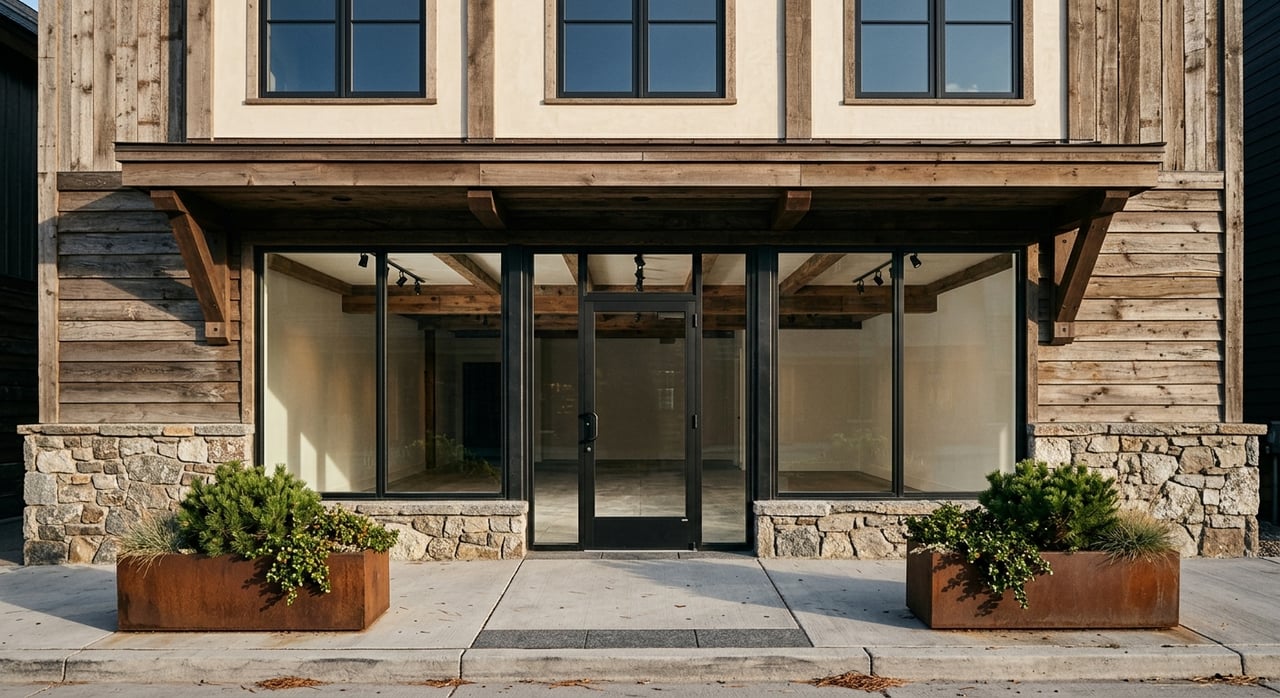
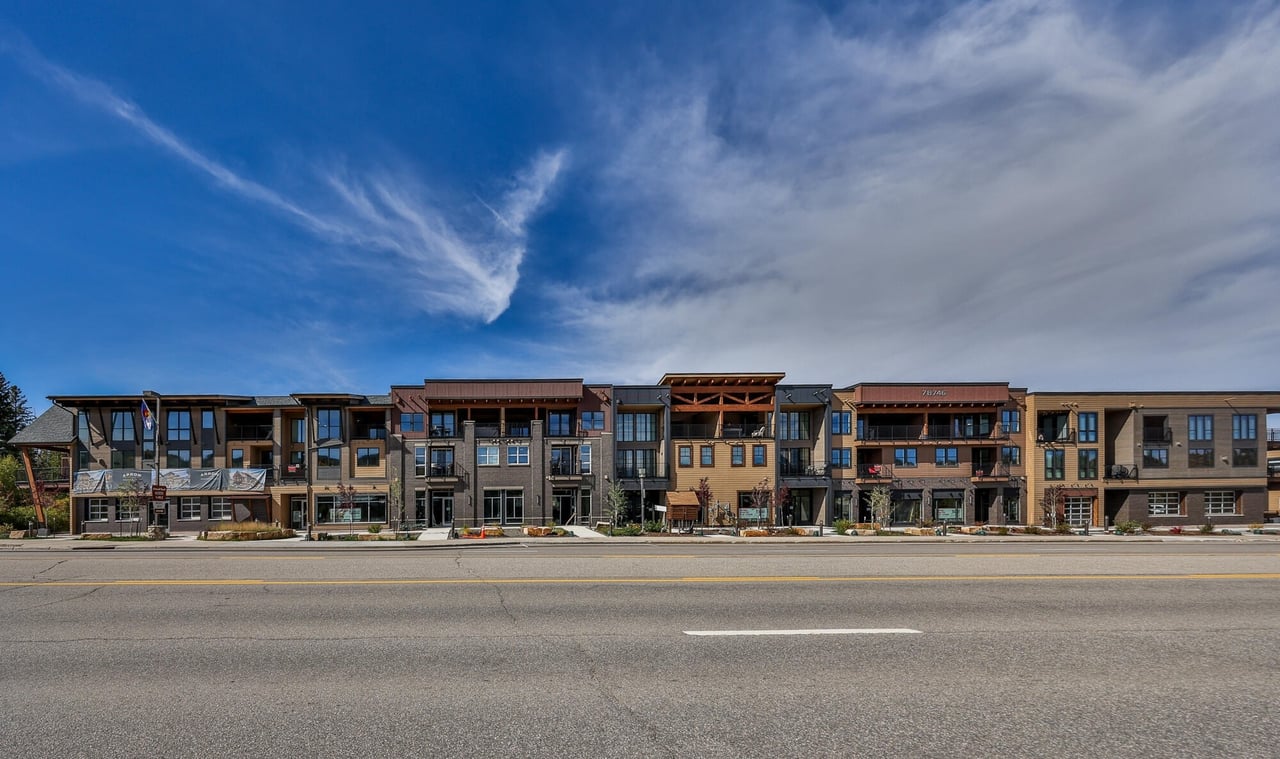
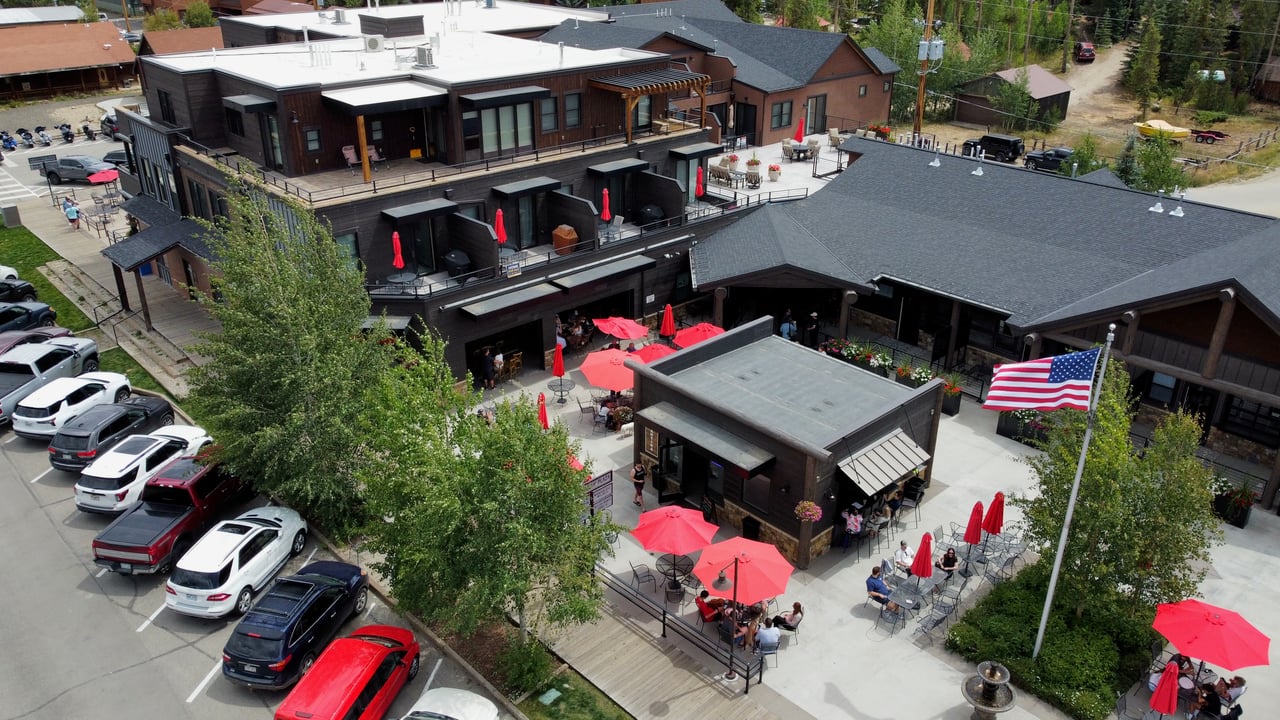
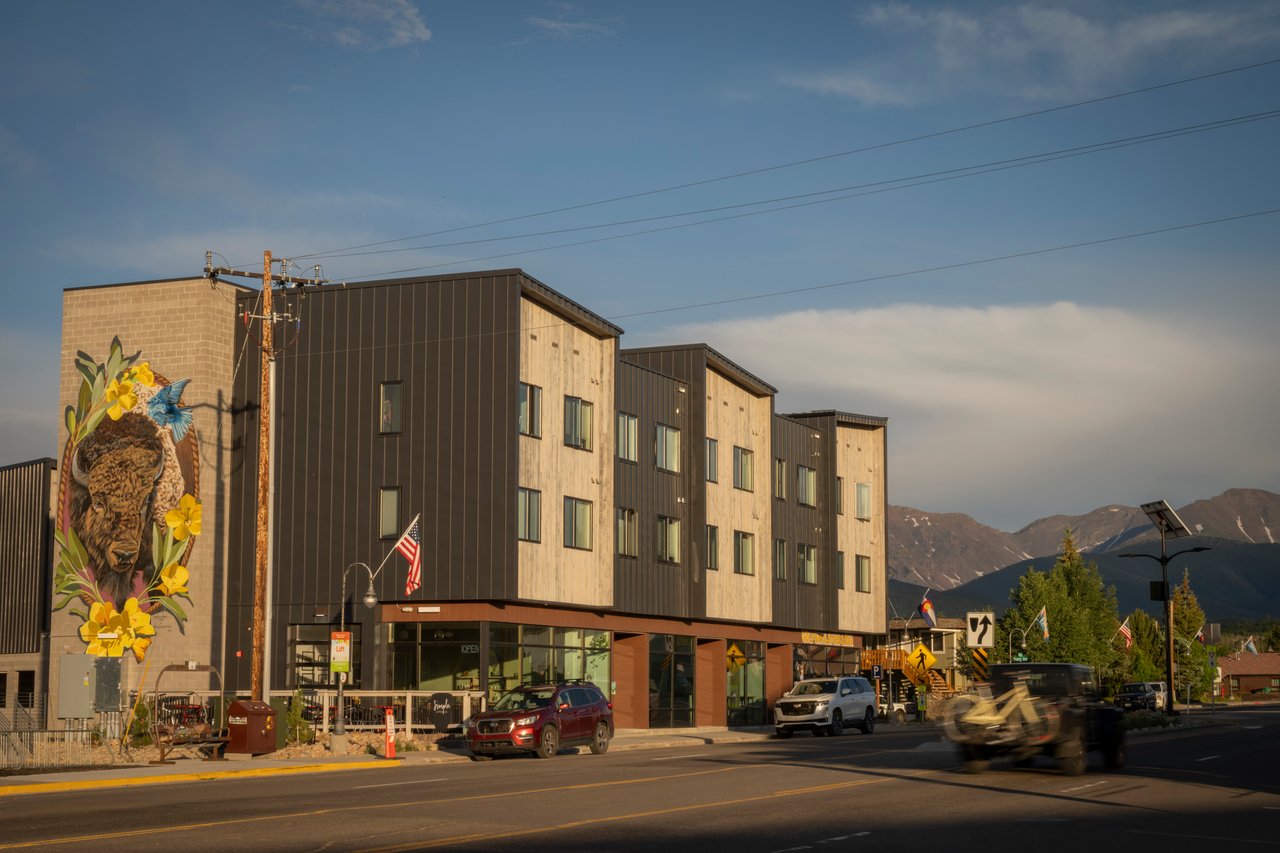
Grand Lake offers a mix of retail spaces, restaurants, lodging properties, and mixed-use buildings, primarily concentrated in the downtown core and near the marina.
Is Grand Lake a year-round business market?
It is a four-season market, but revenue is heavily concentrated in peak tourism periods, especially summer.
What should investors prioritize when buying here?
Location within the walkable core, visibility, seasonal business planning, and realistic financial projections based on demand cycles.