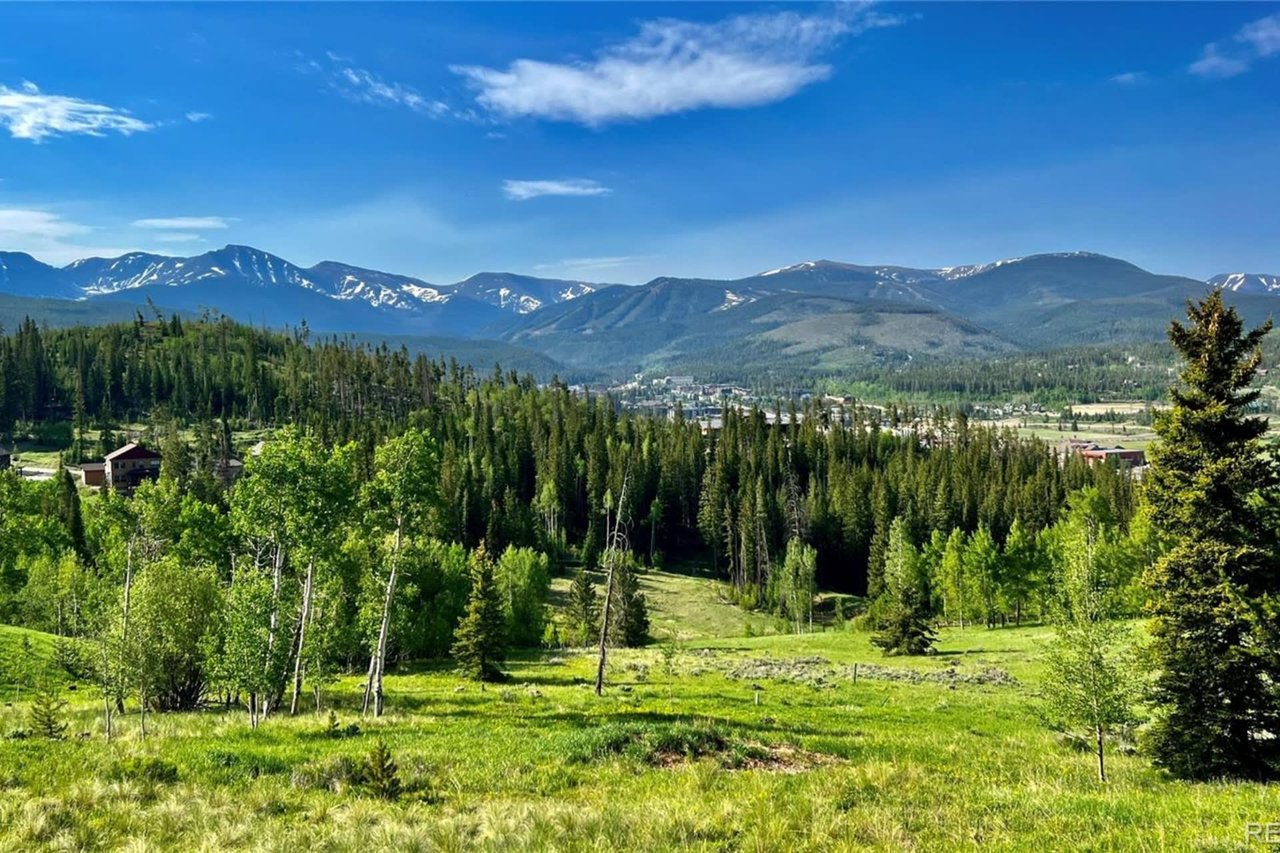
Mountain towns across Colorado are changing. But in Grand County, the shift feels especially noticeable right now.
What was once viewed primarily as a seasonal tourism market is steadily evolving into something more layered: a year-round destination with growing infrastructure needs, expanding hospitality demand, increasing workforce pressure, and a commercial landscape that is still catching up to the pace of growth.
That creates opportunity.
Not the kind built on hype or short-term speculation, but the kind rooted in long-term fundamentals: limited land, constrained development corridors, rising visitor demand, and a local economy that increasingly requires more services, more commercial space, and more intentional planning.
For investors, developers, and business owners paying attention, Grand County is entering an important phase. The next decade of commercial real estate here will likely look very different from the last.
And the buyers who understand where the market is heading—not just where it has been—will be positioned best.
Quick Take: Why Grand County Commercial Real Estate Is Changing
Grand County’s commercial real estate market is being shaped by several converging forces:
- continued tourism growth
- infrastructure investment
- limited developable land
- rising construction costs
- workforce housing shortages
- increasing year-round visitation
- demand for services and mixed-use development
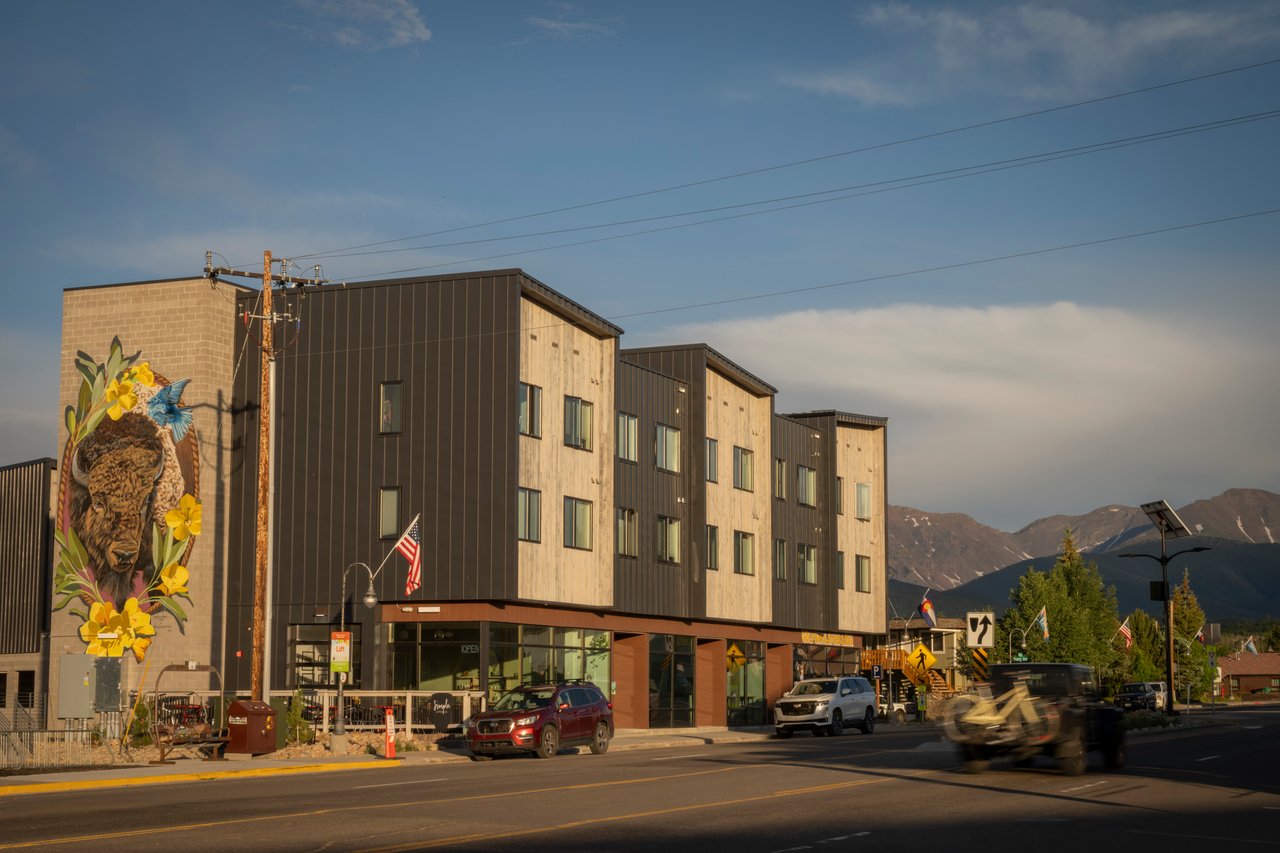
As communities like Winter Park and Fraser continue to evolve, commercial opportunities are expanding beyond traditional retail and hospitality into service commercial, flex industrial, mixed-use projects, and experience-driven development.
Grand County Is No Longer Just a Seasonal Market
For years, many commercial investors viewed Grand County primarily through a tourism lens.
Busy winters.
Quieter shoulder seasons.
Summer spikes.
Holiday surges.
That rhythm still exists—but it no longer tells the full story.
Today, more people are:
- working remotely from the mountains
- spending longer stretches in Grand County
- relocating full time
- building businesses locally
- seeking year-round lifestyle flexibility
At the same time, visitor expectations are changing. Travelers increasingly want:
- walkability
- convenience
- elevated hospitality
- experiential retail
- food and beverage options
- wellness and recreation access
- integrated village-style environments
That shift creates growing pressure for commercial infrastructure that simply did not exist here at the same scale 10 or 15 years ago.
The Most Valuable Commercial Properties May Not Be the Most Obvious Ones
When people think about commercial real estate in mountain towns, they often picture:
- restaurants
- ski village retail
- hotels
- vacation-oriented storefronts
But some of the strongest long-term opportunities in Grand County may quietly exist elsewhere.
Service Commercial Is Becoming Increasingly Important
As population and tourism activity grow, the demand for practical infrastructure grows with it.
That includes:
- contractor yards
- tradespace
- flex industrial
- storage facilities
- maintenance operations
- logistics support
- equipment storage
- property service businesses
Mountain communities rely heavily on local service providers, and many of those businesses are competing for limited commercial inventory.
In markets with constrained land supply, functional service commercial space often becomes increasingly difficult to replace over time.
Hospitality Demand Continues To Evolve
Tourism remains one of the biggest economic drivers in Grand County, but hospitality expectations are shifting.
Visitors increasingly prioritize:
- convenience
- walkability
- elevated design
- integrated experiences
- wellness amenities
- proximity to recreation
- modern lodging formats
That evolution is influencing both hospitality development and surrounding commercial demand.
Projects connected to:
- outdoor recreation
- food and beverage
- experiential retail
- boutique hospitality
- mixed-use walkability
…are likely to continue shaping growth corridors in communities like Winter Park.
And as visitation patterns become more year-round, commercial activity may become less dependent on traditional peak-season cycles alone.
Mixed-Use Development May Play a Bigger Role in the County’s Future
One of the biggest long-term shifts happening across mountain communities is the move toward more integrated development patterns.
In Grand County, that could mean increasing demand for:
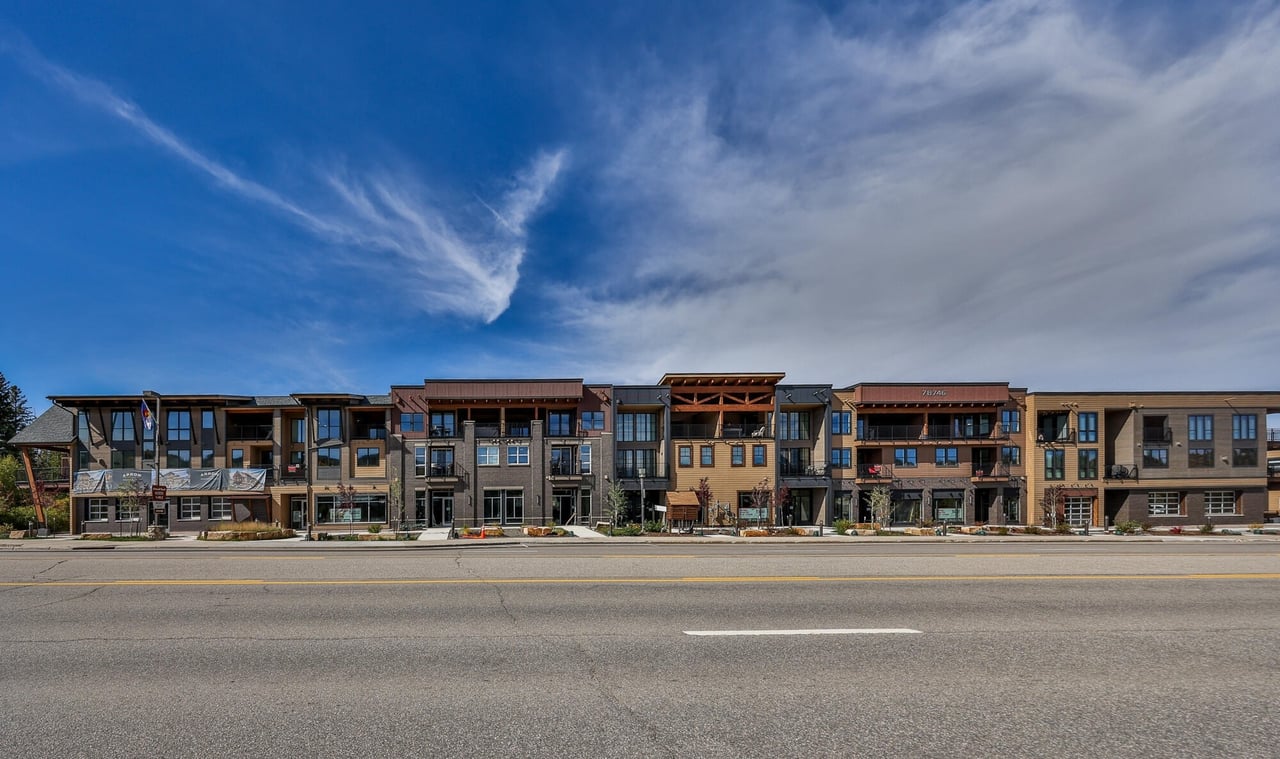
- pedestrian-oriented commercial districts
- live-work environments
- residential-over-retail concepts
- hospitality-integrated commercial projects
- village-style development
- transit-connected commercial corridors
As buildable land becomes harder to find, projects that efficiently combine residential, hospitality, and commercial uses may become increasingly valuable.
Especially in areas where walkability, recreation access, and transportation connectivity intersect.
Land Constraints Are a Bigger Factor Than Many Investors Realize
One of the defining characteristics of commercial real estate in Grand County is simple:
There is not an endless supply of developable land.
Topography, environmental considerations, utility limitations, zoning restrictions, open-space preservation, and infrastructure capacity all shape what can realistically be built.
That matters because scarcity changes long-term value dynamics.
Not every parcel is:
- easily entitled
- utility-ready
- commercially zoned
- winter-accessible
- development-efficient
And in mountain communities, construction complexity can significantly impact timelines and feasibility.
The result is a market where well-positioned commercial land may become increasingly difficult to replicate over time.
Infrastructure and Transportation Will Shape Future Growth
Commercial growth rarely happens in isolation.
Transportation improvements, infrastructure investment, and community planning decisions often influence where future opportunity concentrates.
Across Grand County, conversations surrounding:
- transit connectivity
- walkability
- tourism circulation
- downtown activation
- infrastructure expansion
- recreation access
…will likely continue shaping commercial demand patterns over the coming years.
Properties positioned near:
- high-traffic recreation corridors
- transportation access
- emerging commercial nodes
- pedestrian-friendly districts
may benefit from long-term visibility and usability advantages.
What Investors Often Get Wrong About Mountain-Town Commercial Real Estate
One of the biggest misconceptions about commercial real estate in mountain communities is assuming these markets function like urban or suburban investment environments.
They don’t.
Mountain markets come with unique variables:
- seasonal operational swings
- workforce availability challenges
- snow and weather logistics
- infrastructure constraints
- limited contractor capacity
- entitlement complexity
- environmental review considerations
- parking realities
- utility limitations
That is why local market knowledge matters so much.
Two properties with similar square footage can perform very differently depending on:
- accessibility
- parking
- operational practicality
- tourism patterns
- winter usability
- visibility
- proximity to recreation
- local zoning dynamics
In Grand County, understanding how a property functions in real-world mountain conditions is often just as important as understanding the financials.
Why Long-Term Vision Matters More Than Short-Term Noise
Commercial real estate cycles naturally fluctuate.
Interest rates shift.
Construction costs move.
Tourism patterns evolve.
Economic conditions change.
But the larger trajectory of Grand County continues to point toward long-term demand for:
- services
- infrastructure
- hospitality
- housing support
- recreation-oriented commerce
- experience-driven development
The investors and business owners who tend to perform best in mountain markets are often the ones who take a longer view:
- understanding land scarcity
- recognizing infrastructure limitations
- identifying underserved needs
- evaluating replacement difficulty
- and paying attention to where communities are heading next
The Bottom Line
Commercial real estate in Grand County is evolving alongside the communities themselves.
As tourism, recreation, remote work, and year-round residency continue shaping the region, demand is expanding beyond traditional storefront retail into a broader mix of hospitality, mixed-use, service commercial, and infrastructure-supporting properties.
For investors, developers, and business owners, the opportunity is not simply about buying commercial property.
It is about understanding how Grand County is changing—and positioning accordingly.
At Sanderson Commercial, we help clients evaluate opportunities through a long-term local lens, balancing market trends, operational realities, development considerations, and future growth potential.
Whether you are exploring investment property, development land, hospitality opportunities, or commercial space in Grand County, experienced local guidance can help you see beyond the listing itself and better understand where the market may be headed next.
FAQs
What types of commercial real estate are growing in Grand County?
Grand County is seeing increasing demand for hospitality, mixed-use development, service commercial, flex industrial, recreation-oriented retail, and infrastructure-supporting commercial uses.
Why is commercial land becoming more valuable in Grand County?
Developable land is limited by topography, infrastructure, environmental considerations, zoning, and utility availability, making well-positioned parcels increasingly difficult to replace.
Is Grand County still considered a seasonal market?
Tourism seasonality still exists, but the market is becoming more year-round due to remote work trends, full-time residency growth, and expanding recreation demand.
What should investors pay attention to in mountain-town commercial real estate?
Investors should evaluate parking, winter accessibility, utility infrastructure, workforce dynamics, entitlement complexity, operational practicality, and long-term community growth patterns.
Why does local commercial expertise matter in Grand County?
Mountain markets operate differently than urban markets. Local insight helps investors better understand development limitations, tourism patterns, infrastructure constraints, and long-term commercial viability.