If you are looking at commercial real estate on Granby’s Main Street, square footage is only part of the story. This corridor blends downtown storefronts, town parking, Highway 40 traffic, railroad-adjacent blocks, and event activity that can change the feel of the street from one week to the next. If you want a clearer picture of how Granby Main Street works, this guide will help you evaluate property types, foot traffic, parking, permits, and lease-versus-buy decisions with more confidence. Let’s dive in.
Granby Main Street Basics
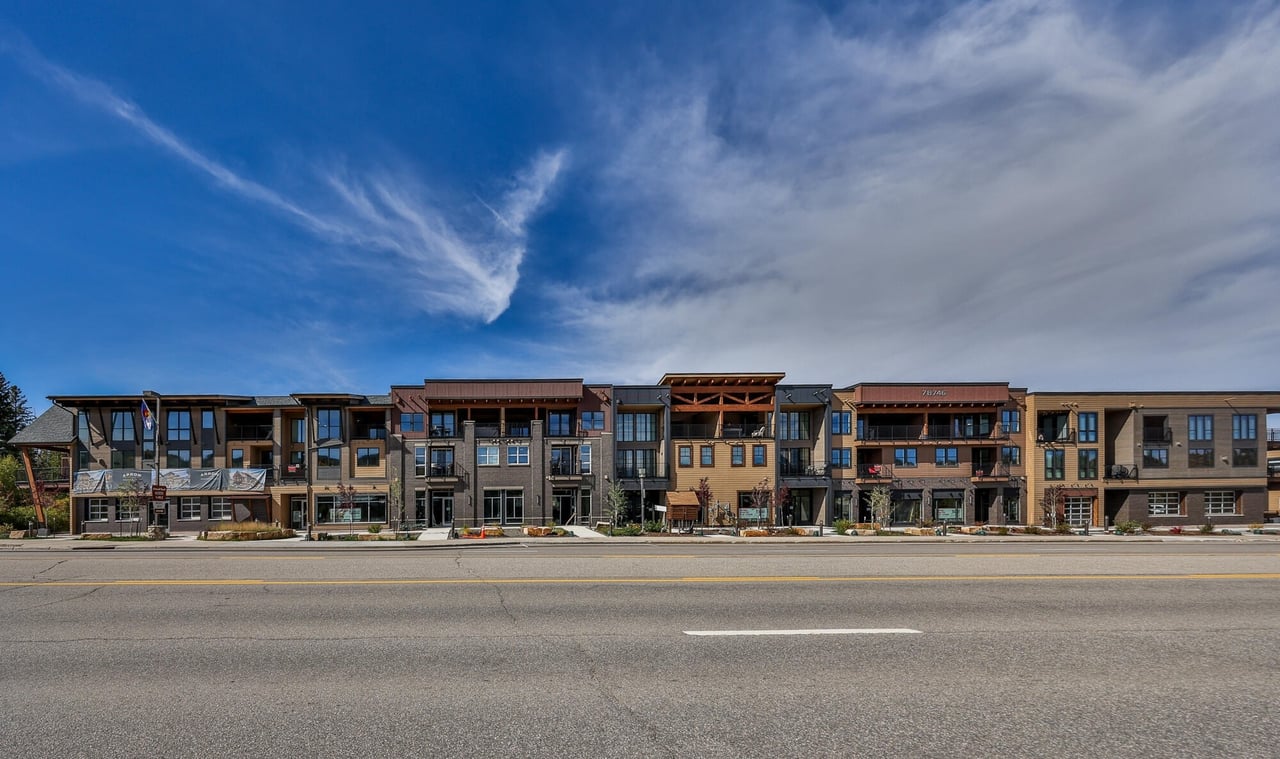
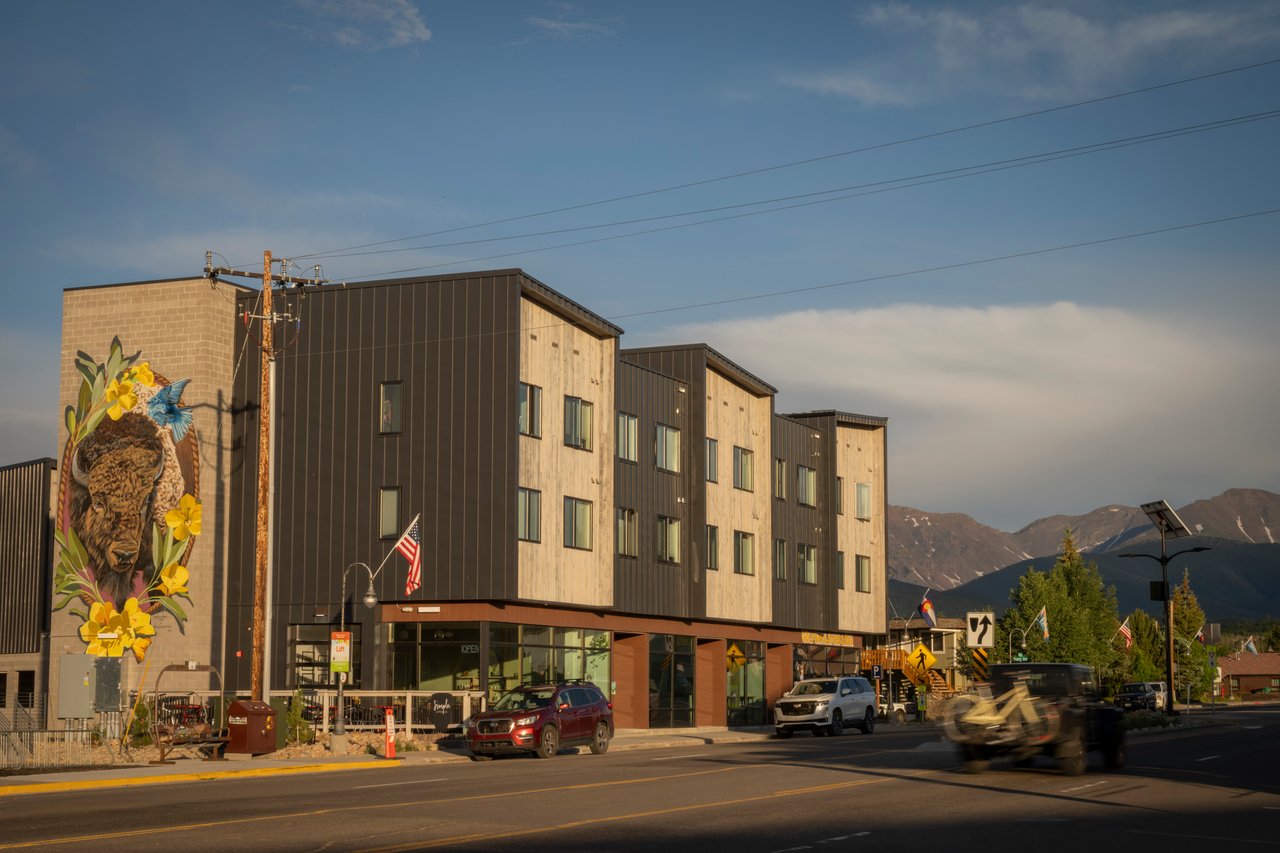
Granby’s Main Street corridor is effectively the downtown Agate Avenue and US 40 corridor. According to the town’s placemaking work, the area includes private businesses, town-owned parking areas and rights of way, State Highway 40, and the railroad line to the south.
That matters because this is not just a row of storefronts. Town planning has focused on downtown placemaking, street-oriented design, public gathering space, and safer pedestrian movement. Current planning direction also points toward sidewalks, trails, public art, visible crossings, and community gathering places.
Main Street Functions as Public Space
If you are evaluating a site here, it helps to think beyond retail frontage. Granby’s planning documents frame downtown as an active public realm that supports temporary events, parks, and community space in addition to everyday business activity.
For buyers, tenants, and investors, that can shape long-term value in practical ways. A property’s visibility, access, outdoor presence, and proximity to gathering areas may matter just as much as its interior layout.
Current Commercial Inventory in Granby
Town-backed inventory data gives a useful snapshot of Granby’s commercial mix. Using 2021 data, the comprehensive plan reports 48,823 square feet of restaurant space townwide, with 36,611 square feet downtown.
Retail space totals 398,964 square feet townwide, with 170,269 square feet downtown. Office space totals 68,068 square feet townwide, with 20,840 square feet downtown. Medical office totals 7,330 square feet townwide and downtown, and banks account for 22,569 square feet downtown.
The same plan notes that downtown contains most of the town’s restaurant space, while Highway 40 contains most of the general retail space. In simple terms, Main Street appears to function best as a small-format retail, restaurant, and service corridor rather than a deep office market.
What Vacancy Rates Suggest
Vacancy data adds another layer to the picture. The town’s inventory reports vacancy rates of 40.0 percent for restaurants, 22.4 percent for office, 10.9 percent for medical office, and 9.5 percent for retail.
The plan also says many vacant commercial spaces are older and may need repair. It suggests that some office uses could be converted to retail as the market changes.
If you are reviewing an opportunity on Main Street, this points to the importance of condition and adaptability. A well-located older space may have upside, but only if the numbers work for improvements, use approval, and day-to-day operations.
Site Features That Shape Performance
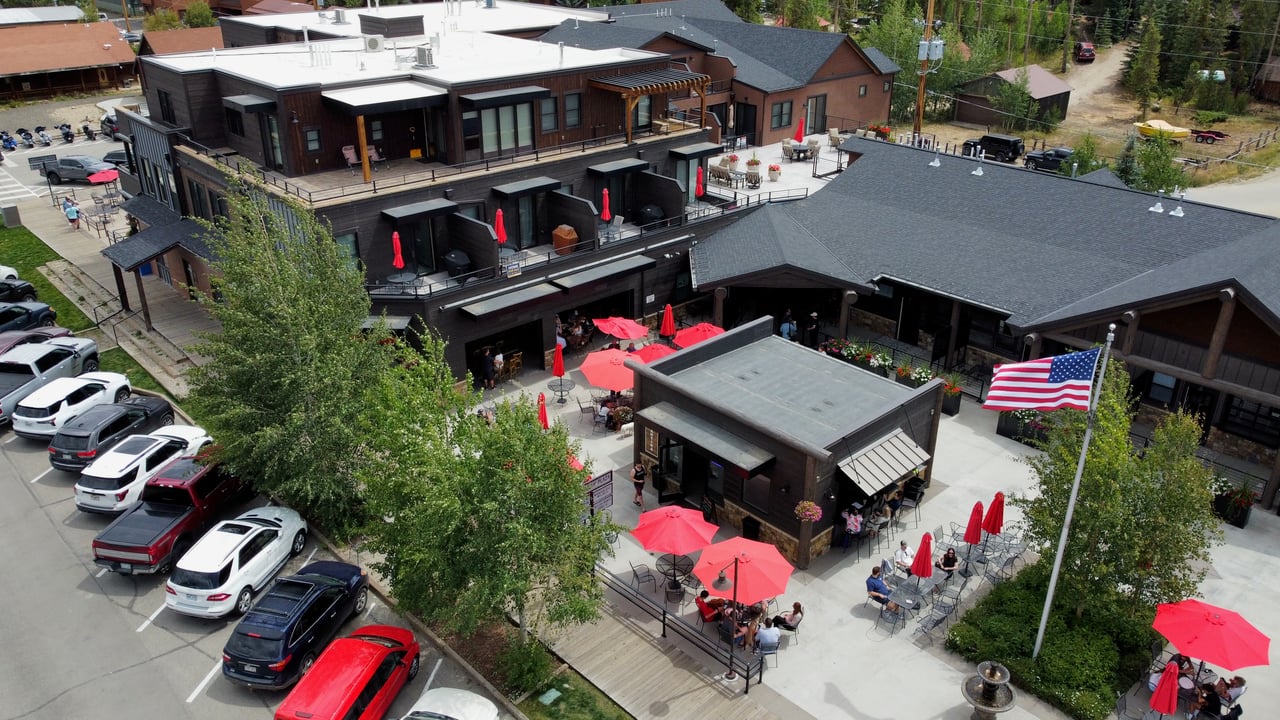
Granby Main Street does not operate like a typical suburban shopping corridor. The town says most parking in Granby is off-street and on private property, but Agate Avenue also has parallel parking with a two-hour limit from 6 AM to 2 AM.
The town owns several parking lots along Agate that serve downtown businesses. The comprehensive plan also notes that Agate sidewalks are about 10 feet wide and include landscaping and street lamps.
Pedestrian access is another major factor. Granby has 25 pedestrian crossings overall, including four pedestrian-activated crossings along the downtown Highway 40 segment.
For you, that means access is not just about car count. Parking limits, shared public lots, sidewalk width, and crossing visibility can all affect how easily customers reach a business and how long they stay nearby.
Foot Traffic Is Seasonal and Event-Driven
Tourism plays a major role in Granby’s economy. The town says population varies considerably by season and by the event calendar, with visitor draws that include golf courses, the ski area, River Run Resort, rodeo events, murals, the Fraser to Granby Trail, access to National Forests, and access to Rocky Mountain National Park.
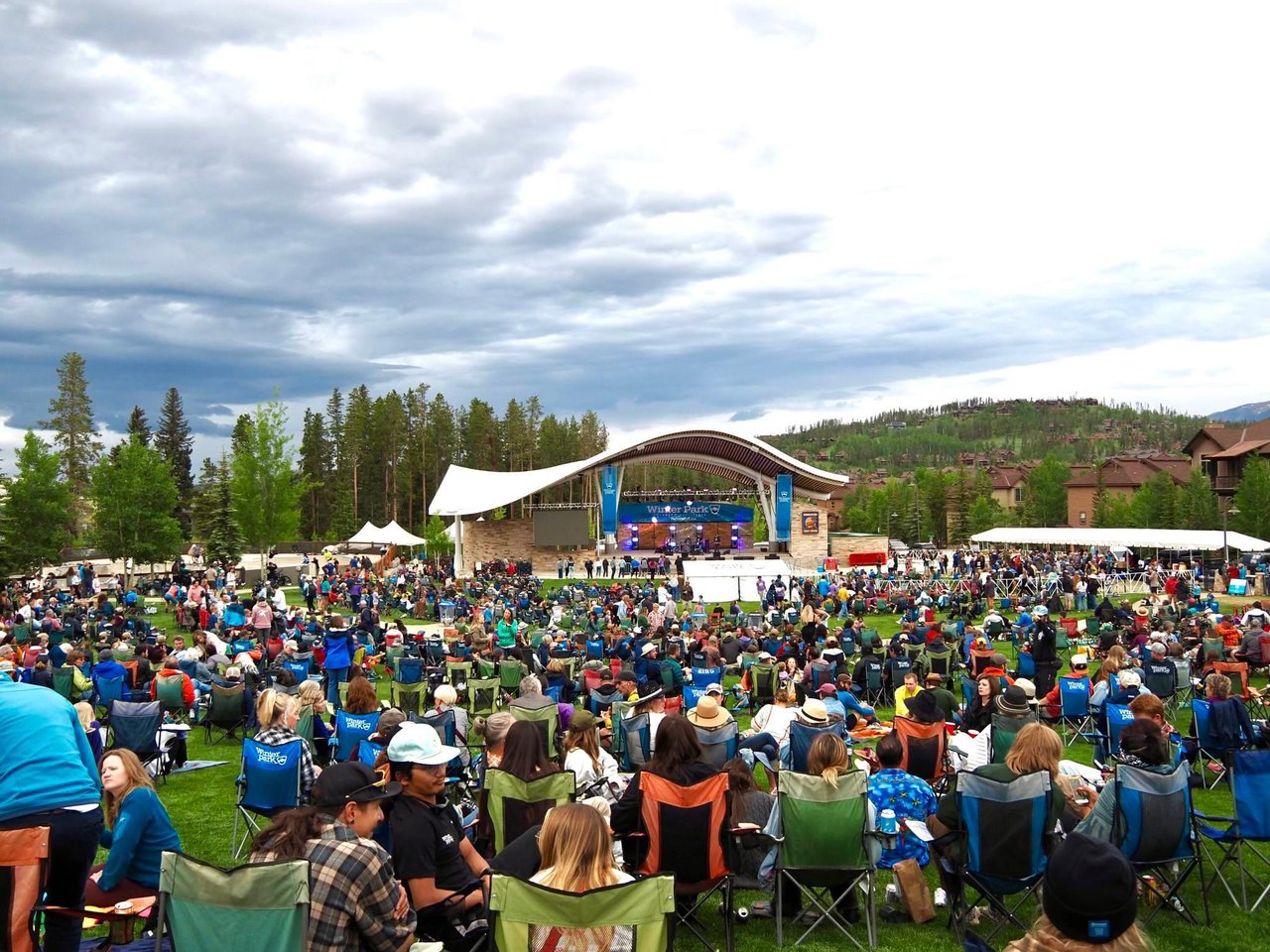
That seasonal pattern shows up clearly in downtown events. Music & Market runs on summer Thursdays from 5:30 to 8:00 PM at Polhamus Park, one block off Main Street, with nearby parking listed on surrounding streets and at Town Hall, the library, and school lots.
The 4th of July parade lines up on Main Street and runs along Agate Avenue, with Highway 40 closed for the parade and Party in the Park following at Polhamus Park. Art in the Park takes place over Labor Day weekend with artists, live music, vendors, food trucks, and a beer garden.
The Flying Heels Rodeo also adds to seasonal activity, running Saturdays in June and July, with extra July 3 through 5 performances in 2026. Taken together, these patterns suggest that Main Street traffic is not evenly distributed throughout the year.
Why Event Timing Matters for Site Selection
A Main Street location may perform very differently during festival weekends, summer evenings, and peak visitor periods than it does during quieter stretches. That can make frontage, parking convenience, and evening visibility especially important.
If your business model depends on impulse stops, walk-up traffic, or weekend volume, location details matter. A site close to event movement or easy public parking may support stronger performance than a space with similar square footage in a less visible spot.
Leasing Versus Buying on Main Street
For some operators, leasing can be a practical first step. It may offer flexibility if you are testing demand in a corridor where traffic can spike around tourism and events, or if you want to stay nimble while downtown standards and design direction continue to evolve.
Buying may make more sense if you want long-term control over build-out, signage, and property positioning. In a corridor where frontage, sign visibility, parking, and pedestrian access all shape customer experience, ownership can create more control over future improvements.
There is no one-size-fits-all answer. The right choice often depends on your timeline, capital plan, target customer, and how much flexibility you want as the corridor continues to change.
Due Diligence Steps for Granby Commercial Property
Before you commit to a Main Street site, focus on a few local checks early in the process.
Confirm Town Limits
Some properties use a Granby mailing address but sit outside Town of Granby limits. That is important because planning, zoning, permitting, and tax requirements can depend on whether the site is actually within town boundaries.
Verify Zoning and Use Compatibility
Do not assume a retail, restaurant, or mixed-use concept will be allowed without checking. The town says land-use-code and official zoning-map updates are active, so current zoning review should be part of your first round of due diligence.
Budget for Local Fees and Compliance
Businesses with a fixed physical presence that collect sales tax must register for a town retail business license. The town lists that license at $25 per year, and its finance page states a combined local sales tax of 8.2 percent on retail business.
Temporary venues and special-event sellers need a mobile vendor permit. Signs generally require a permit, and the town lists a $50 per-sign fee for a three-year permit term.
Review Parking and Access Carefully
Parking can affect daily operations more than many buyers expect. Agate has a two-hour parking limit, the town owns downtown lots, and the comprehensive plan notes that Granby does not offer local transit service.
That means customers, staff, and delivery access should be reviewed with the site itself, not just the listing description. A great-looking storefront may function differently once you factor in parking patterns and walkability.
Evaluate Build-Out and Reuse Potential
Older vacant spaces may create opportunity if the layout, systems, and approvals support your use. The town’s inventory specifically notes older vacancies and points to possible office-to-retail conversion as demand evolves.
If you are comparing options, ask how much flexibility a space offers before you focus only on asking price. Build-out costs and reuse potential can change the deal quickly.
A Local Approach Matters
On Granby Main Street, commercial real estate decisions are closely tied to local details. Parking rules, event exposure, sign permitting, property condition, and downtown planning direction can all influence whether a site fits your goals.
That is why local market knowledge matters. When you are weighing a purchase, lease, business move, or commercial investment in Granby, working with a broker who understands Grand County and the practical realities of this corridor can help you ask better questions from the start.
If you are exploring commercial opportunities in Granby or want guidance on how a Main Street property fits your plans, connect with Sanderson Real Estate. Their local Grand County experience can help you evaluate opportunities with clarity and confidence.
FAQs
What is considered Granby Main Street commercial real estate?
- In Granby, Main Street generally refers to the downtown Agate Avenue and US 40 corridor, including nearby businesses, public parking areas, rights of way, and related downtown blocks.
What types of businesses are most common in downtown Granby?
- Town inventory shows downtown has a large share of Granby’s restaurant space along with significant retail, office, medical office, and bank space, with downtown especially important for restaurants.
What should you check before buying a Granby Main Street property?
- Start by confirming the property is inside Town of Granby limits, then verify zoning, use compatibility, parking access, sign permit needs, and likely build-out or repair costs.
How does parking work on Agate Avenue in Granby?
- Agate Avenue includes parallel parking with a two-hour limit from 6 AM to 2 AM, and the town also owns several downtown parking lots that support local businesses.
Is Granby Main Street foot traffic steady year-round?
- Foot traffic appears to be seasonal and event-driven, with activity influenced by tourism, summer events, holiday celebrations, rodeo dates, and downtown gatherings.
Should you lease or buy commercial space in Granby?
- Leasing may work well if you want flexibility while testing demand, while buying may be better if you want long-term control over build-out, signage, and future property improvements.