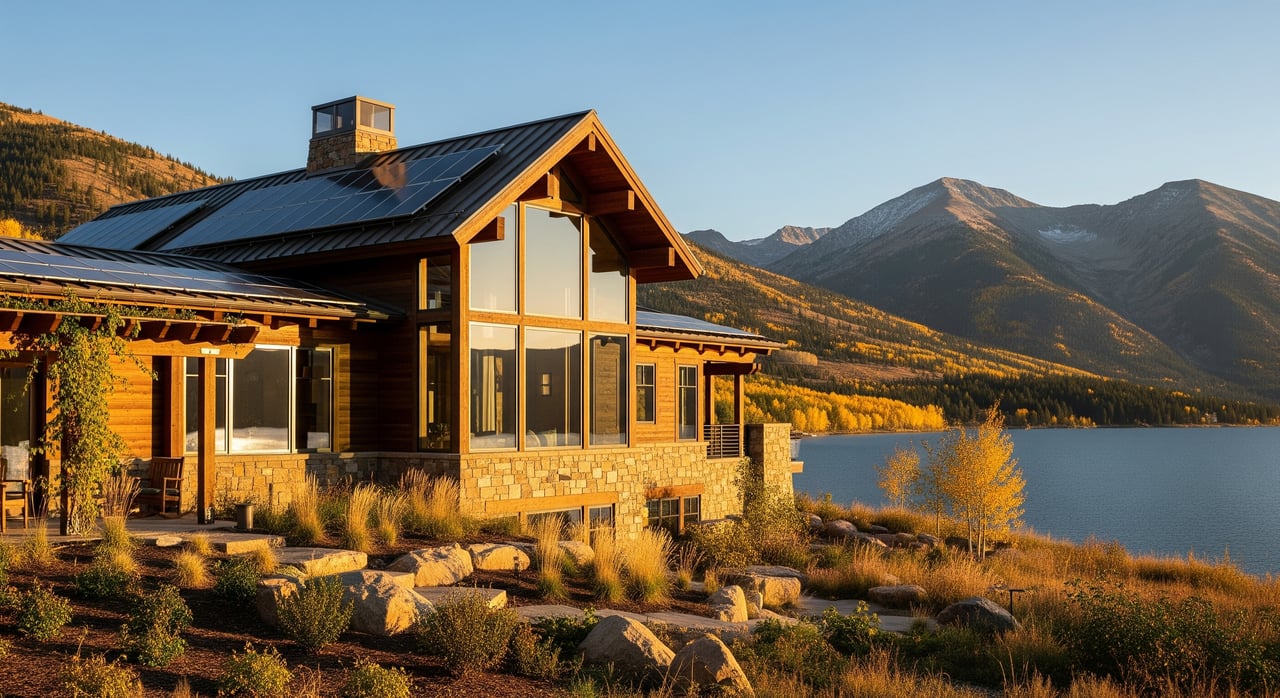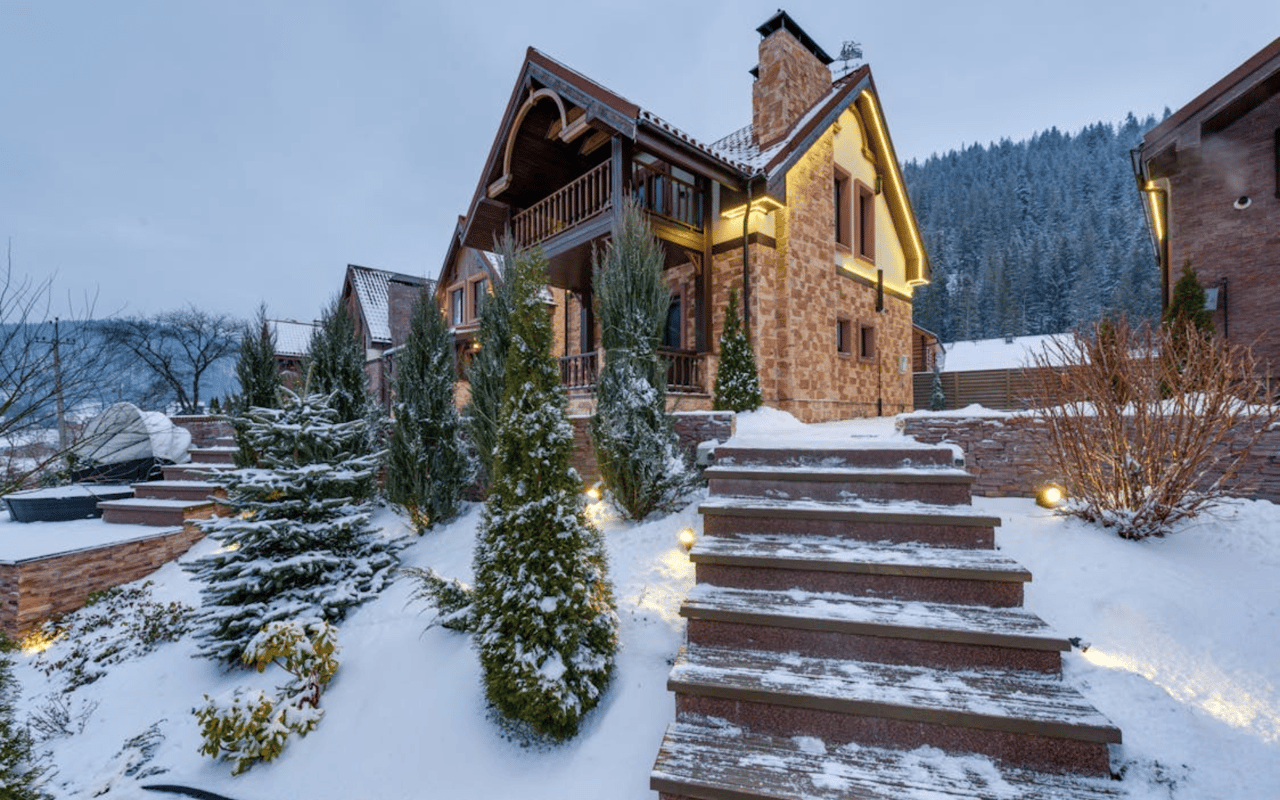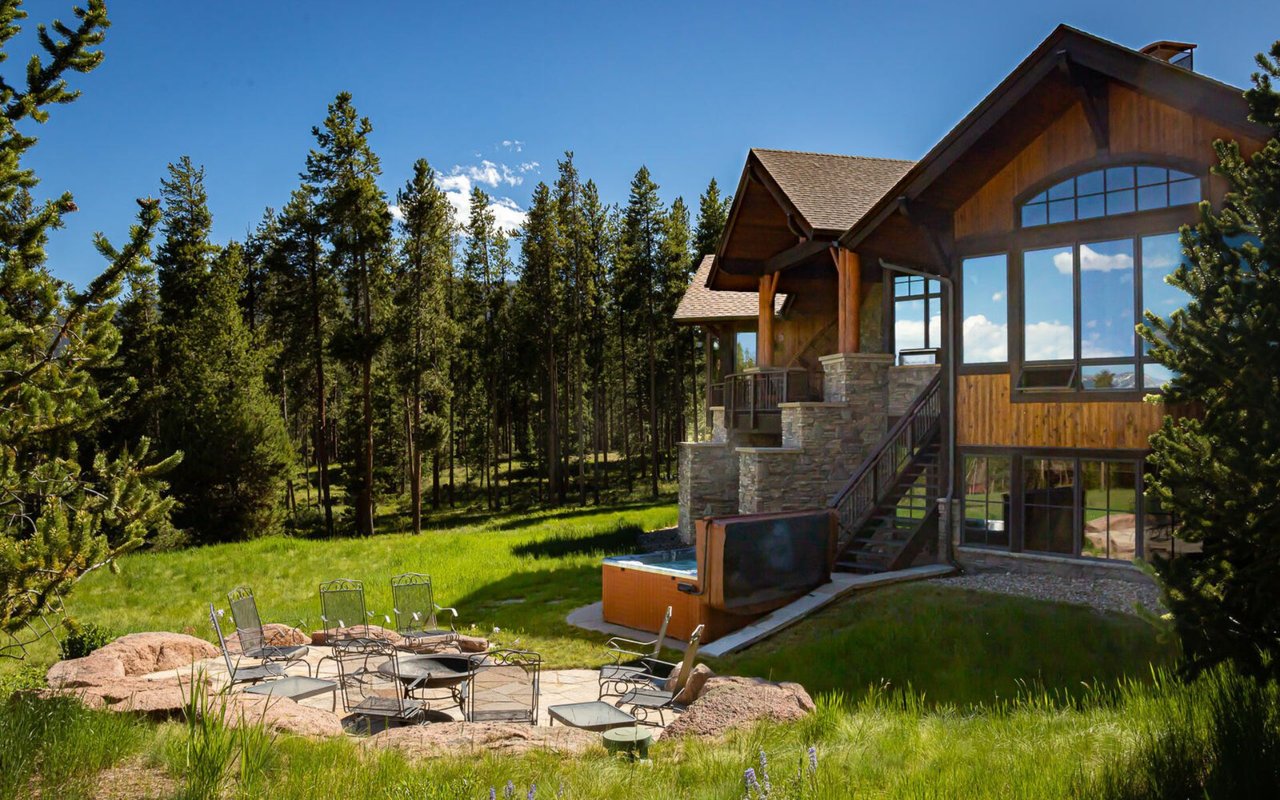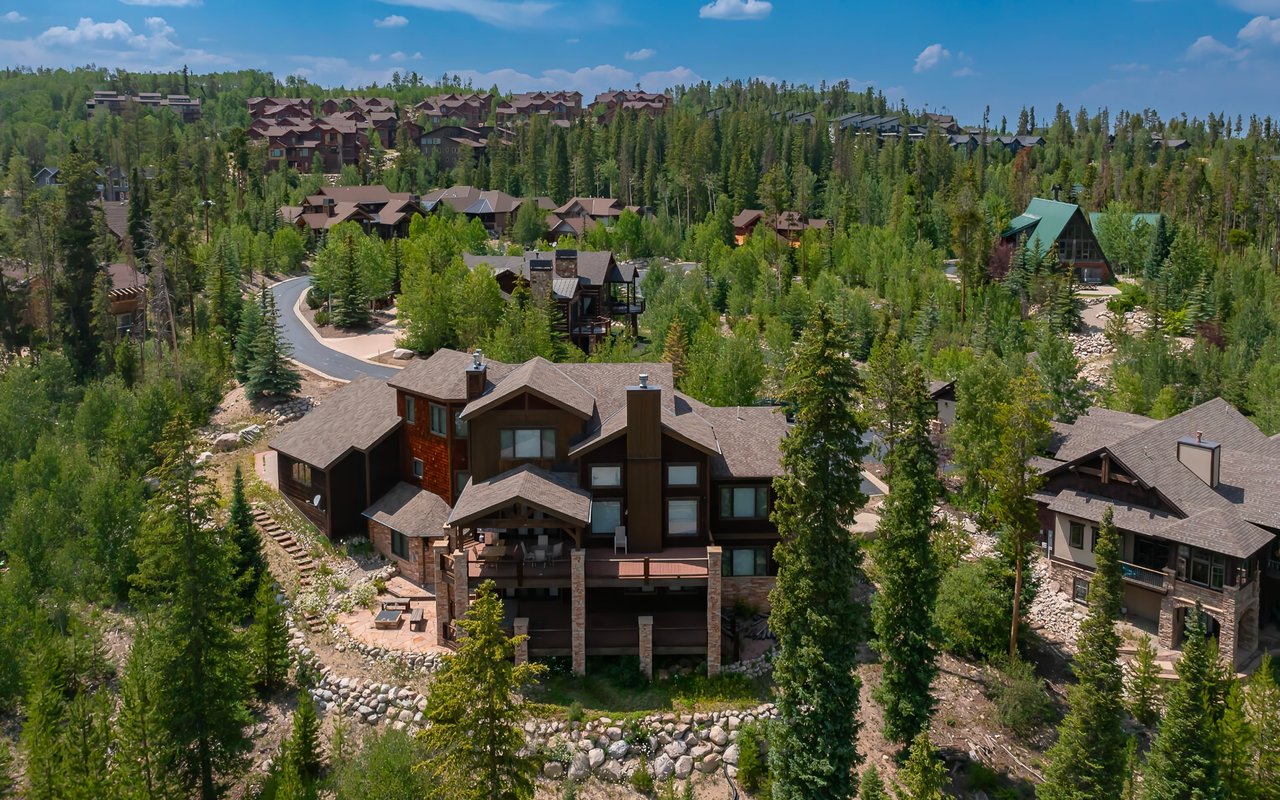
Thinking about selling in Winter Park but not sure when to list? In a true resort market, timing shapes who sees your home, how fast offers arrive, and what buyers value. You want a plan that fits the ski calendar, summer events, and the slower shoulder months so you can price confidently and market with purpose. In this guide, you’ll learn when buyers are in town, how to tailor your listing by season, and what to watch with short‑term rentals and new infrastructure. Let’s dive in.
Winter Park seasons at a glance
Ski season: high winter demand
Winter Park’s ski operations typically run from fall into spring, with exact open and close dates shifting by weather. The resort posts operating schedules so you can align your listing with on‑mountain traffic. If you want to capture ski‑season visitors, plan to be live by late fall or early December, using the resort’s hours of operation for timing.
Weekend access matters too. The Amtrak Winter Park Express adds convenient, seasonal train service from Denver during core winter months, which concentrates in‑town buyer traffic on weekends. Highlight access and proximity in your listing, and consider launch dates that align with the Winter Park Express schedule.
Summer: a second peak
Winter Park is more than a winter destination. Summer operations, including scenic lift rides and Trestle Bike Park, create a true second season for visits and showings. Plan around lift‑served biking and events to draw buyers who want to evaluate patios, parking, and trail access. The resort’s summer offerings and promotions help you time your launch around visitor spikes. See current programming on the resort’s summer activities and deals page.
Shoulder months: quieter but strategic
Late spring and early fall bring lighter tourist traffic and longer days on market, but they can work for sellers seeking less competition. These windows also help buyers assess properties without peak‑season crowds. Because snow and operations vary year to year, keep an eye on the resort’s operating calendar and be ready to adjust.
How buyer demand shifts by season
Who is shopping when
- Second‑home and vacation buyers tend to tour while they visit for skiing in winter and biking or hiking in summer. Many make decisions in‑market during a trip, a trend seen across resort towns in the Resort Report.
- Investor buyers focus on short‑term rental potential and seasonality. Their interest peaks around high‑season windows when revenue is most visible. Use public snapshots of ADR and occupancy as a starting point, then refine with local data. Explore context in AirROI’s Winter Park overview.
- Year‑round and local buyers search more steadily. Their timelines are less tied to holiday periods but still influenced by inventory and pricing, which are more seasonal in resort markets per the Resort Report.
Showing and offer patterns
Ski weekends bring concentrated buyer traffic and quick request windows, helped by the Winter Park Express train. Summer buyers pay close attention to outdoor living, driveway access, storage, and proximity to trailheads or Trestle amenities, so plan tours to showcase these features on Trestle event weekends only if you can manage congestion. Off‑peak months and major holidays can see slower decision cycles, which requires sharper pricing and steady marketing follow‑through.
Pricing and value drivers to watch
Comps and timing
Comparable sales still set the foundation. In resort markets, though, comps cluster by season and by product type, which can impact price per square foot and days on market. The 2024 Resort Report notes that resort towns are inventory‑sensitive and more seasonal than urban markets, so check each comp’s timing and context before you price.
Rental income and STR math
If your buyer pool includes investors, show a clear, conservative pro forma. Average daily rates and occupancy swing by season, with winter often driving a large share of annual revenue. Public tools like AirROI’s Winter Park snapshot can frame ranges, but your actuals, permit status, and professional management quotes carry the most weight.
Taxes and permits that affect value
Short‑term rentals require permits and inspections in Grand County and local towns. Buyers expect documentation before they offer. Review rules and have certificates ready using the county’s STR guidelines. Also note that the Town of Winter Park increased its lodging tax from 1% to 3% in 2024, which affects net yield for short‑term operators. You can reference the town’s sales tax reporting for context when you speak with investors.
Infrastructure on the horizon
The town has advanced a master‑plan expansion at the base area and a proposed town‑to‑base gondola. Projects of this scale typically lift long‑term demand for properties near the village and along access routes, though benefits accrue over time and depend on final scope and phasing. For background, review Sky‑Hi News coverage of the base buildout and gondola proposal, and highlight proximity factually in your listing without making guarantees.
Listing strategies by season
If you list in ski season
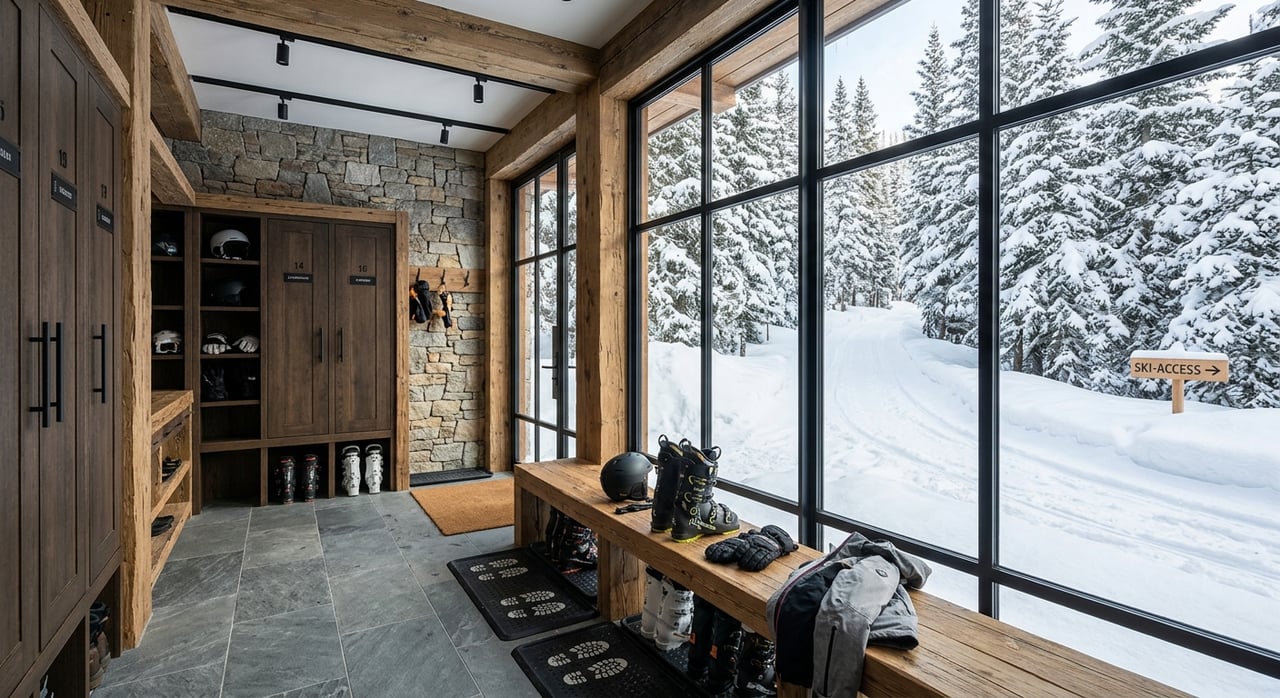
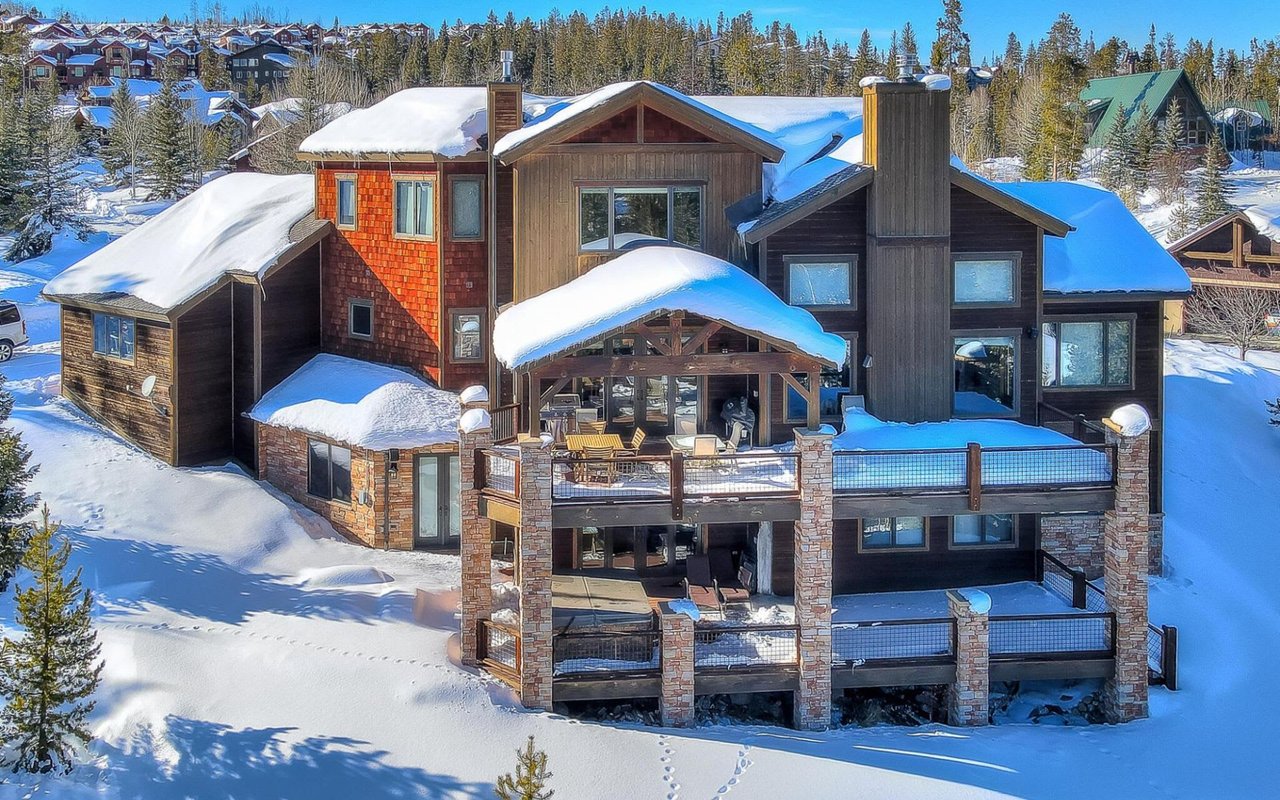
- Create a winter photo set that shows plowed access, heated entries, and any ski access or shuttle stops. Add a green‑season gallery so buyers can evaluate roofs, grading, and landscaping.
- Write copy that emphasizes proximity to lifts, the base village, Mary Jane, and the seasonal train. Reference the Winter Park Express to reduce perceived travel friction for Denver buyers.
- If your property is currently rented, coordinate with your manager to block key weekends for tours. Have STR permits and inspections compiled ahead of time per county requirements.
If you list in summer
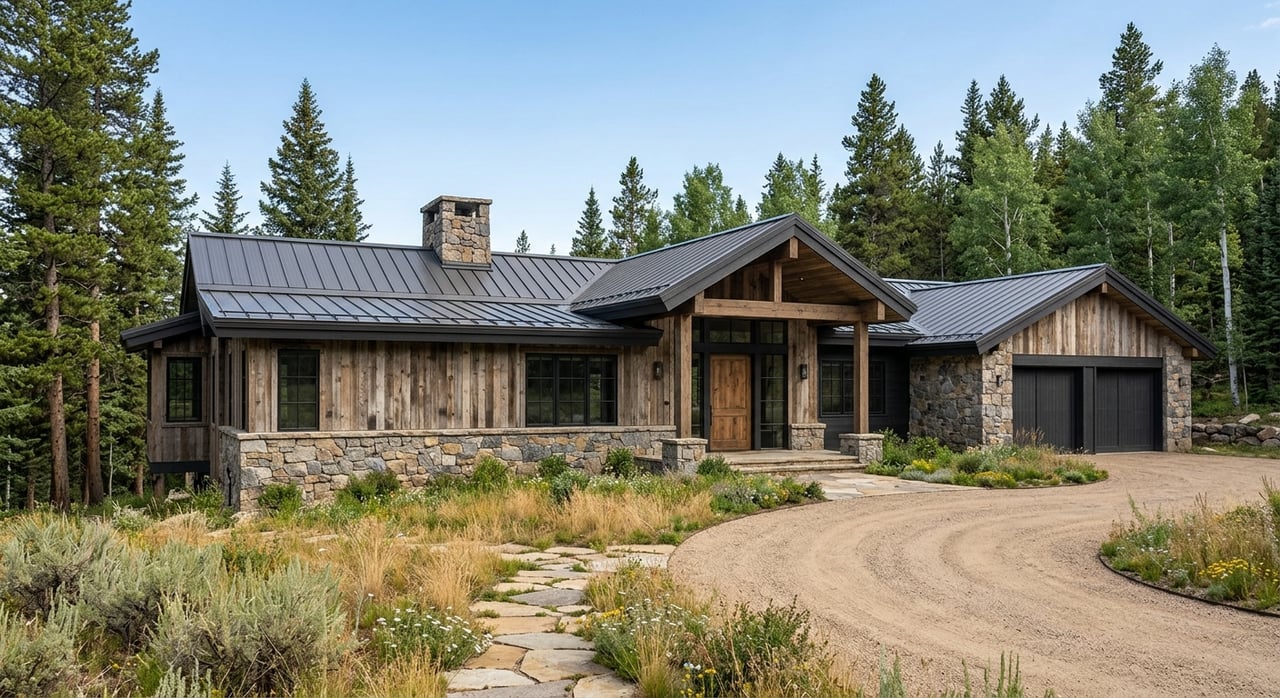
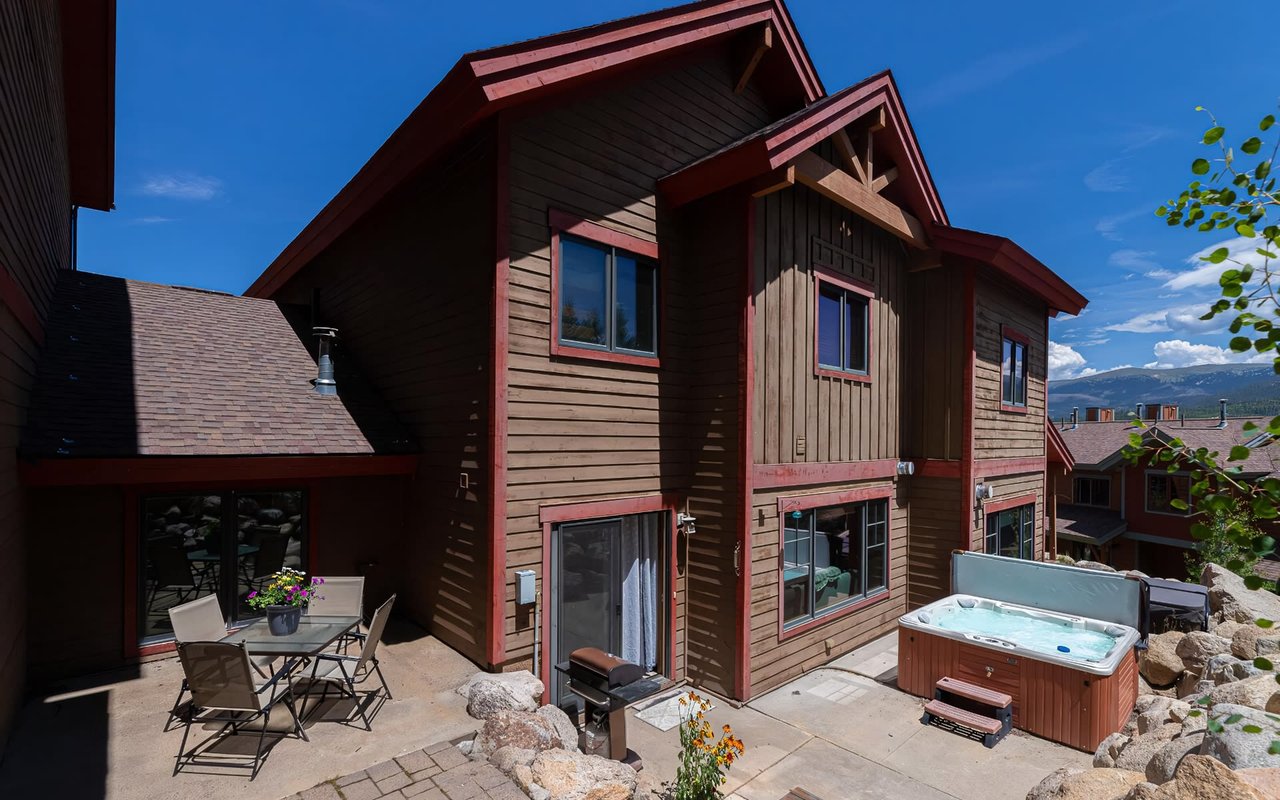
- Lead with outdoor living. Photograph patios, decks, storage, and parking, and call out trail or bike‑park access in the description. Tie timing to the resort’s summer offerings and Trestle’s event calendar.
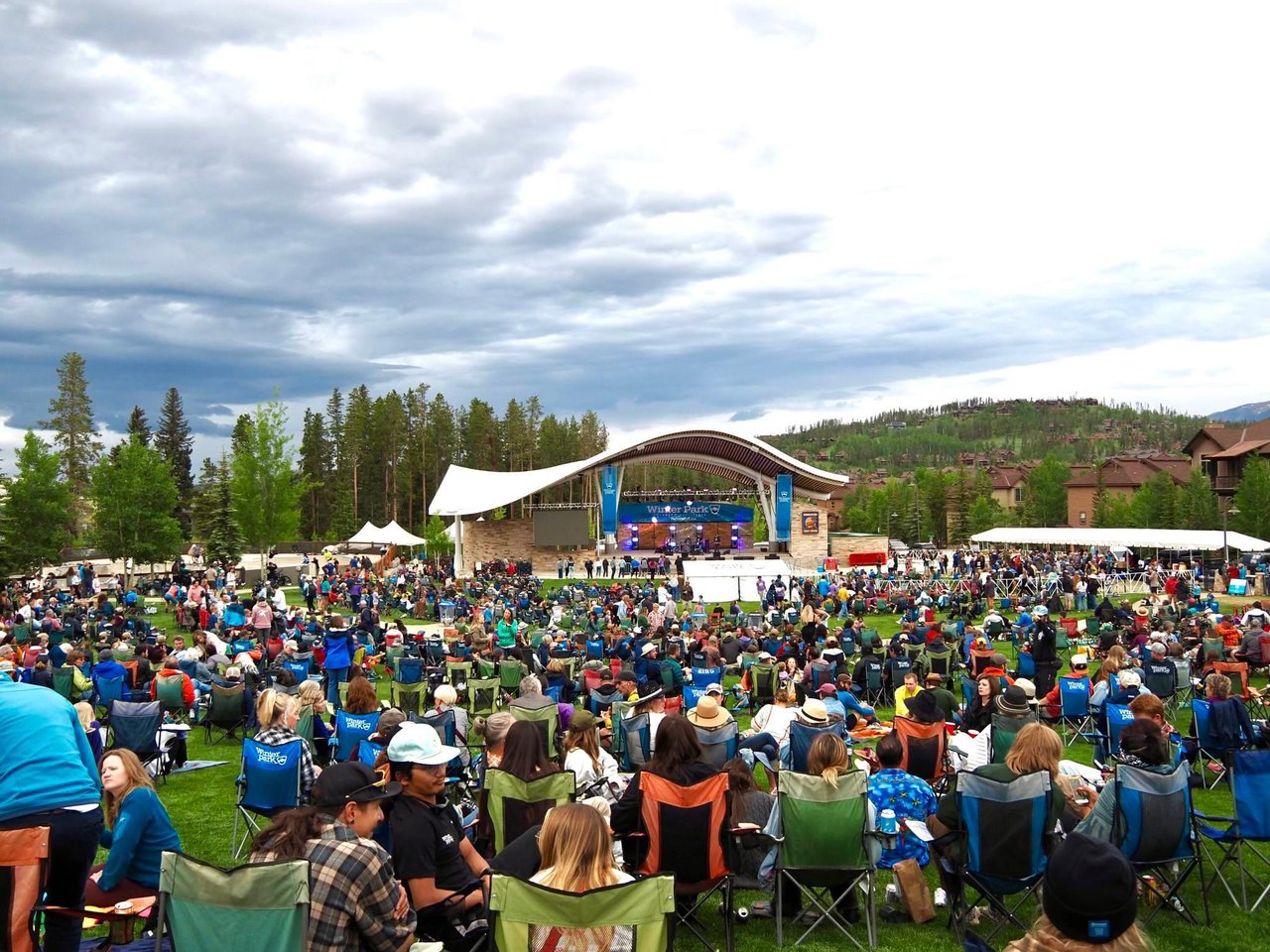
- Use flexible showing blocks during festival weekends. Visitor counts rise, but so does congestion. If you cannot control access, schedule private showing windows outside peak event hours.
If you list in shoulder months
- Expect fewer in‑person showings and prepare for more days on market. Comp your price carefully and offer standout visuals and floor plans to convert serious buyers.
- Highlight benefits of off‑peak ownership and operations, like easier access, maintenance updates, or the ability to prep for peak seasons without guest interruptions.
Timeline and seller checklist
Suggested listing windows
- Target ski‑season buyers: Go live in late October through early December so you’re active for opening weeks and peak holiday traffic, using the resort’s operating calendar to fine‑tune timing.
- Target summer lifestyle buyers: List May through July to catch pre‑festival searches and steady summer visits. Align with the resort’s summer promotions and local events.
- Target lower competition: Use late April to May or September to October. Be ready for a longer runway with disciplined pricing and proactive outreach.
Pre‑listing checklist
- Documentation: Confirm your short‑term rental permit status, inspection certificates, and any town‑specific requirements using county STR guidance. Prepare a summary for buyers.
- Pricing: Pull recent, date‑stamped comps that match your property type and location. Note season of sale for each comp and adjust expectations accordingly as suggested by the Resort Report.
- Rentals: If selling to investors, coordinate with your manager to block showings and compile 12 months of rental statements. Use conservative winter and summer assumptions; AirROI’s market snapshot can help frame seasonality in context.
- Media: Plan two photo shoots if your listing will span seasons. For winter, schedule right after plowing and highlight safe access. For summer, capture green spaces and trail connections.
- Buyer packet: Include lift and shuttle proximity, the Winter Park Express, current lodging tax details from the town’s reporting, and a plain‑English summary of the base expansion and gondola coverage.
Work with a local advisor
Seasonality in Winter Park is a strength when you use it well. A smart launch date, clear rental documentation, and targeted marketing can help you reach the right buyers at the right moment, whether you’re selling a ski‑in condo near the village or a single‑family home with acreage and four‑season appeal. If you want a data‑driven plan for timing, pricing, and positioning, let’s talk. Connect with Sanderson Real Estate to receive exclusive listings and tailored guidance for your sale.
FAQs
What is the best season to list a Winter Park condo?
- Ski season captures in‑market second‑home buyers and investors, but holiday weeks can be slower for decisions; use the resort’s hours of operation to align your launch with high‑traffic weekends.
How does summer affect showings for single‑family homes?
- Summer helps buyers evaluate outdoor living, parking, and trail access, and Trestle Bike Park activity can boost foot traffic if you manage showing blocks around event weekends.
Do short‑term rental rules impact buyer interest?
- Yes; investors want transferable permits and clear inspections, so compile documentation per county STR requirements and outline any town‑specific rules up front.
Did Winter Park change its lodging tax for rentals?
- The Town of Winter Park increased its lodging tax from 1% to 3% in 2024, which affects net STR returns; reference the town’s sales tax reporting when discussing yield.
Will the proposed gondola boost my property’s value?
- Large infrastructure can lift long‑term demand for well‑located properties, but benefits depend on final scope and timing; see Sky‑Hi’s gondola coverage and position your location factually without promising outcomes.
Why do days on market feel longer than a few years ago?
- Resort markets are more seasonal and inventory‑sensitive than during the pandemic peak, as noted in the 2024 Resort Report, so timing and pricing discipline matter more today.