What Smart Commercial Investors Look for in Mountain Town Markets
Commercial real estate in mountain communities operates differently than most investors expect.
A property can look strong on paper while still struggling operationally because the realities of mountain-town business are different than they are in larger metro markets. Tourism patterns, seasonality, infrastructure, workforce housing, snow access, parking, and local growth trends all influence how commercial property performs long term.
That is especially true in Grand County.
The investors who tend to succeed here are usually not the ones chasing the flashiest properties. They are the ones who understand how the local market actually functions year-round.
In mountain communities, commercial real estate is rarely just about the building itself. It is about understanding the ecosystem surrounding it.
Visibility Matters More Than Many Investors Realize
In Grand County, visibility and accessibility can significantly impact commercial performance.
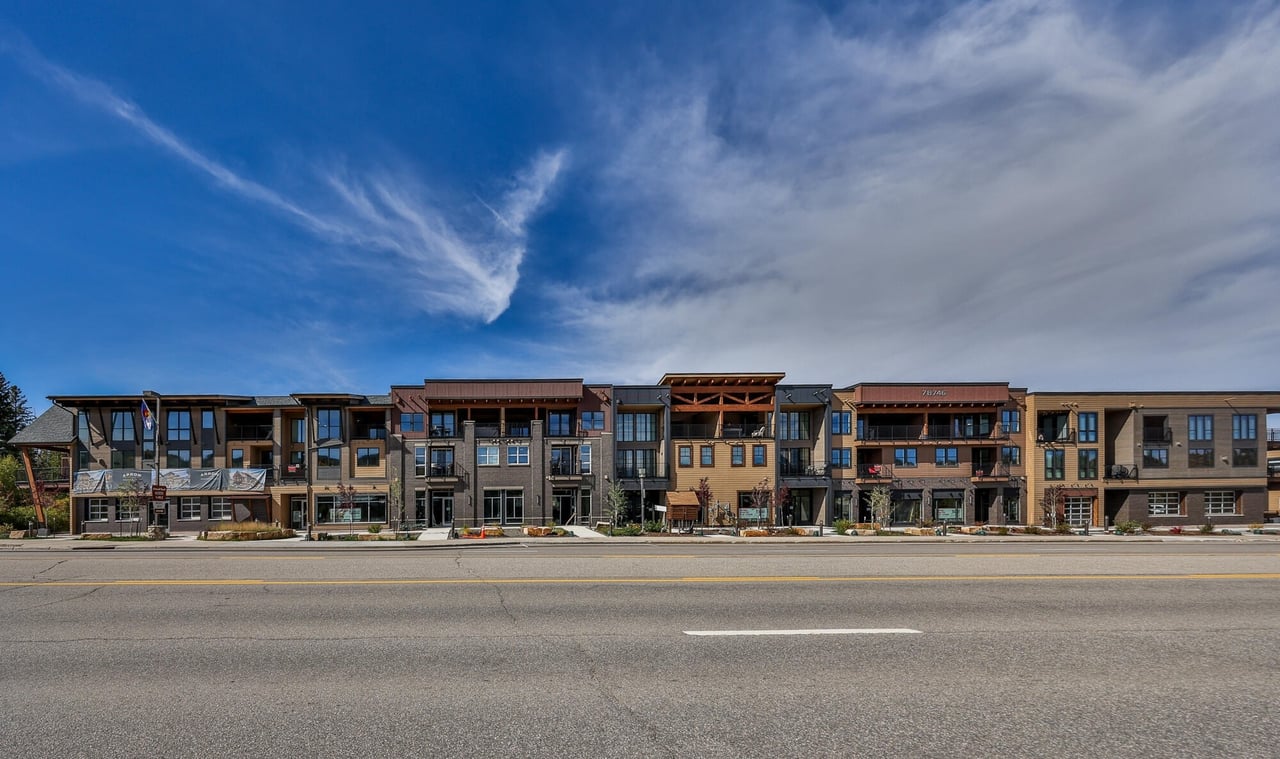
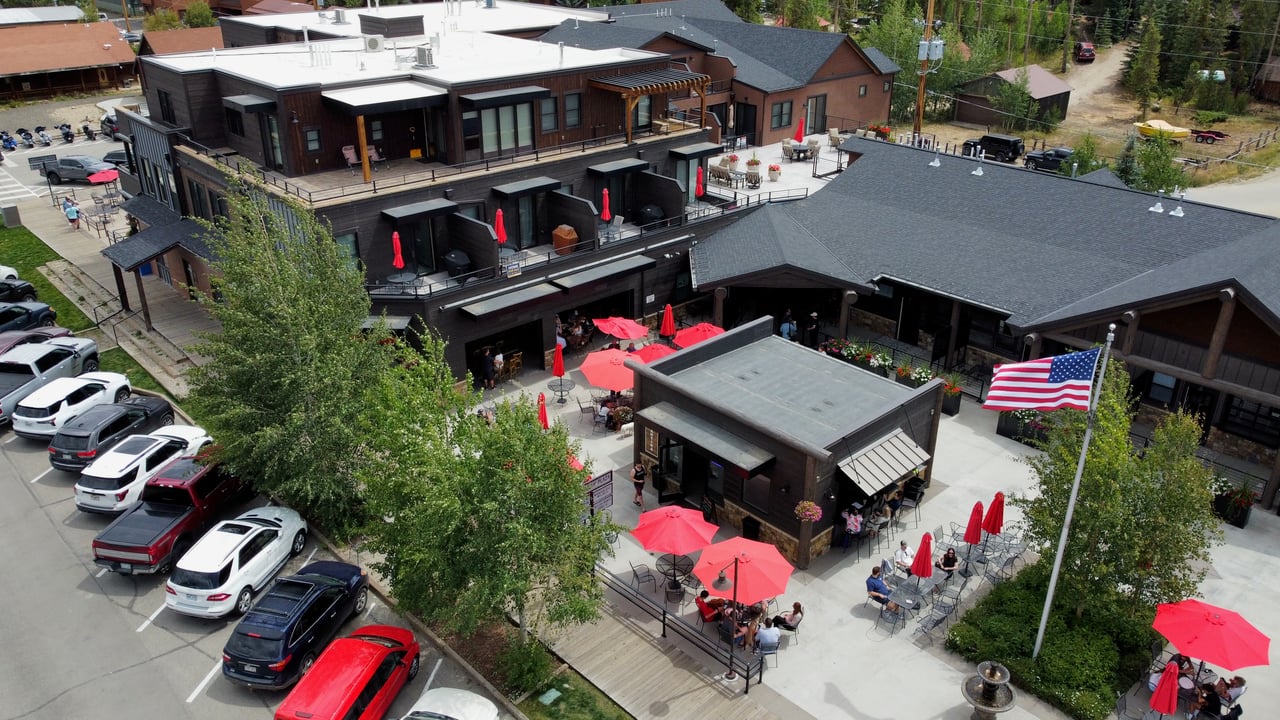
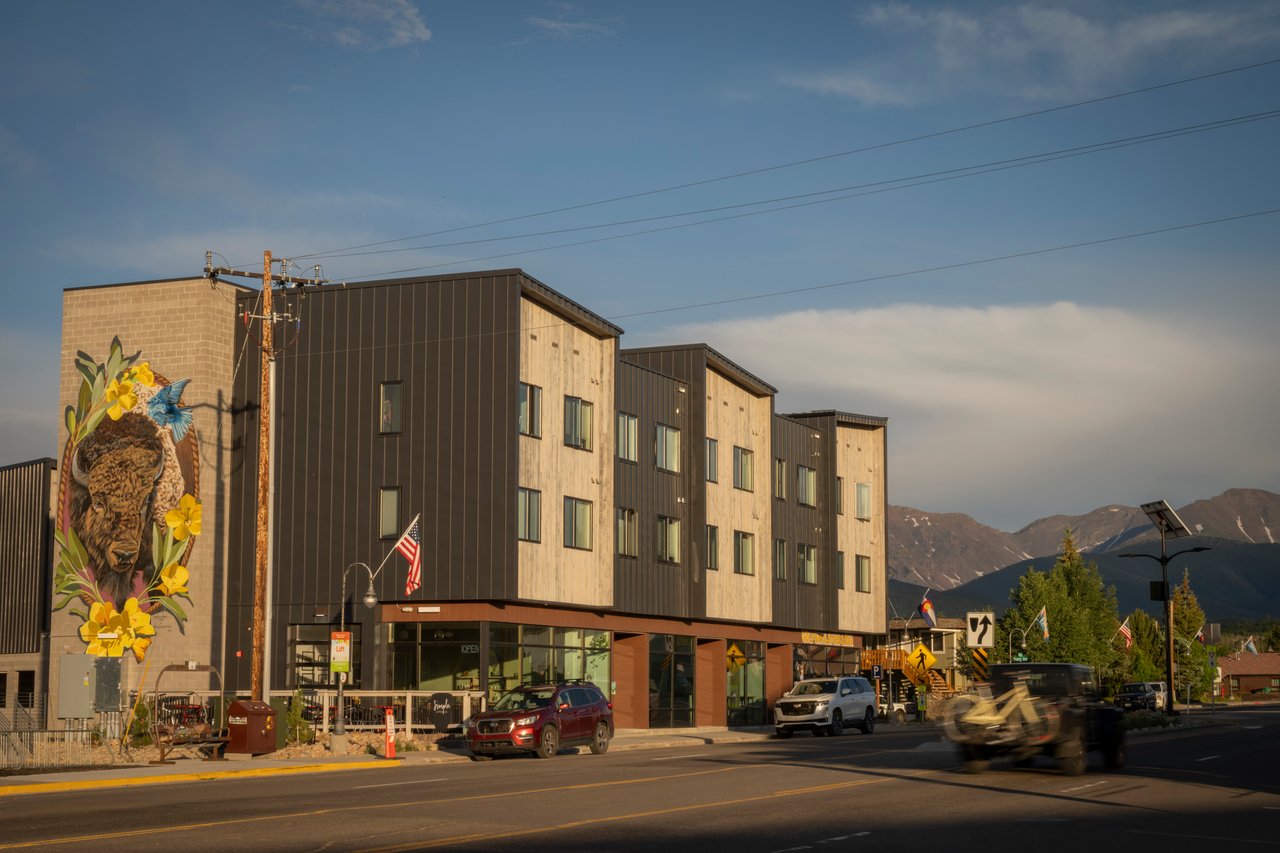
A property located directly along Highway 40 may perform very differently than a similar property tucked slightly off the main corridor. Winter driving conditions, tourist traffic flow, parking convenience, and seasonal visitation patterns all influence how customers interact with businesses here.
That matters across multiple asset types:
- Retail
- Hospitality
- Restaurants
- Mixed-use projects
- Service businesses
- Office space
- Equipment and contractor uses
In mountain communities, convenience often drives customer behavior more than people initially expect.
Easy access, intuitive parking, and strong visibility can create long-term advantages that are difficult to replicate later.
Every Grand County Community Functions Differently
One of the biggest misconceptions investors make is assuming Grand County operates as one unified commercial market.
It does not.
Each community supports different types of demand and commercial activity.
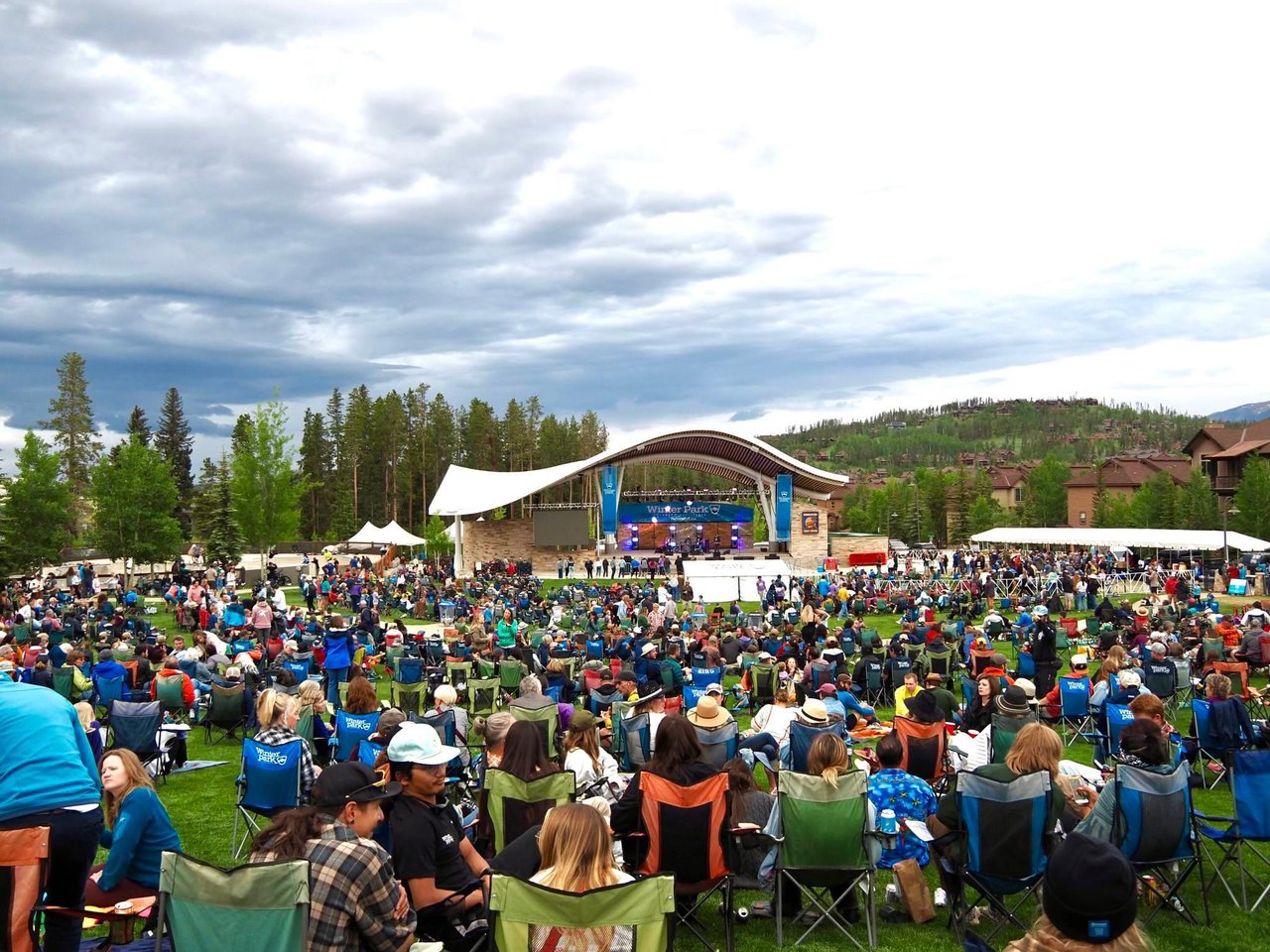
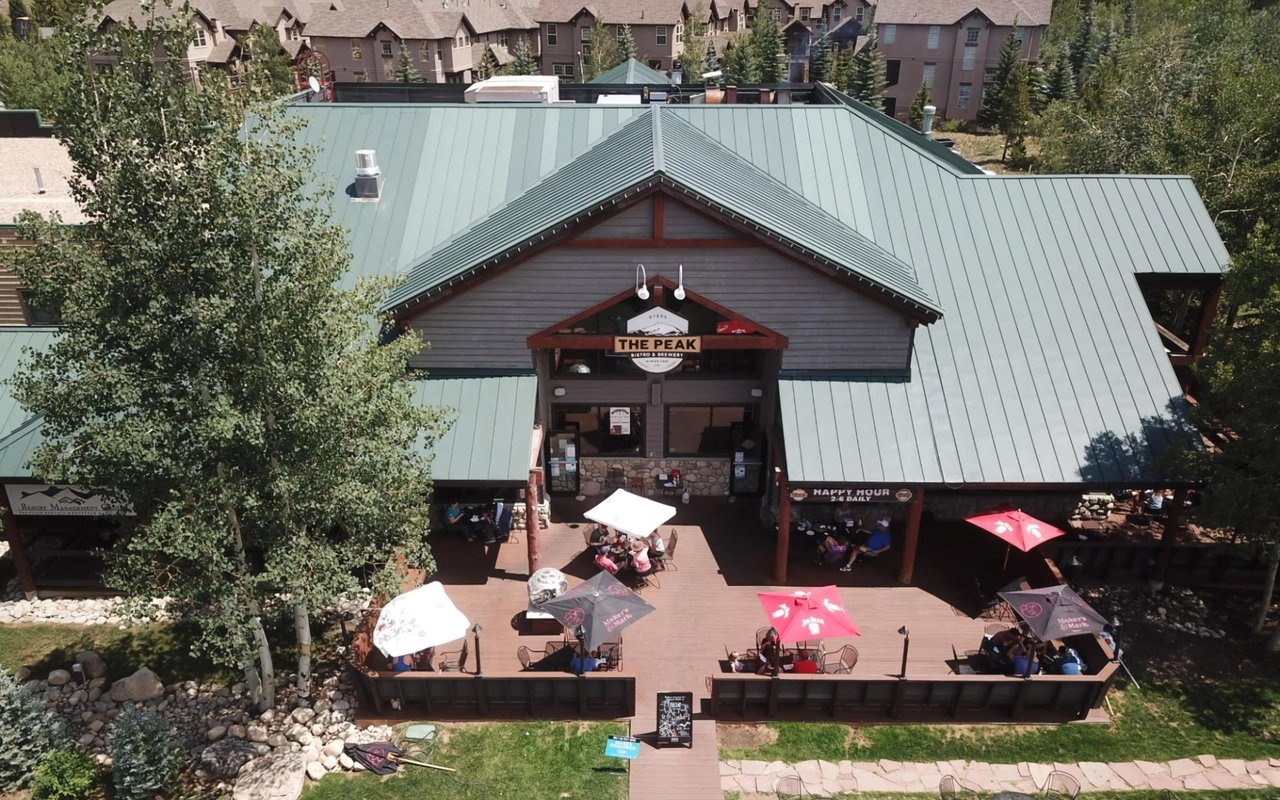
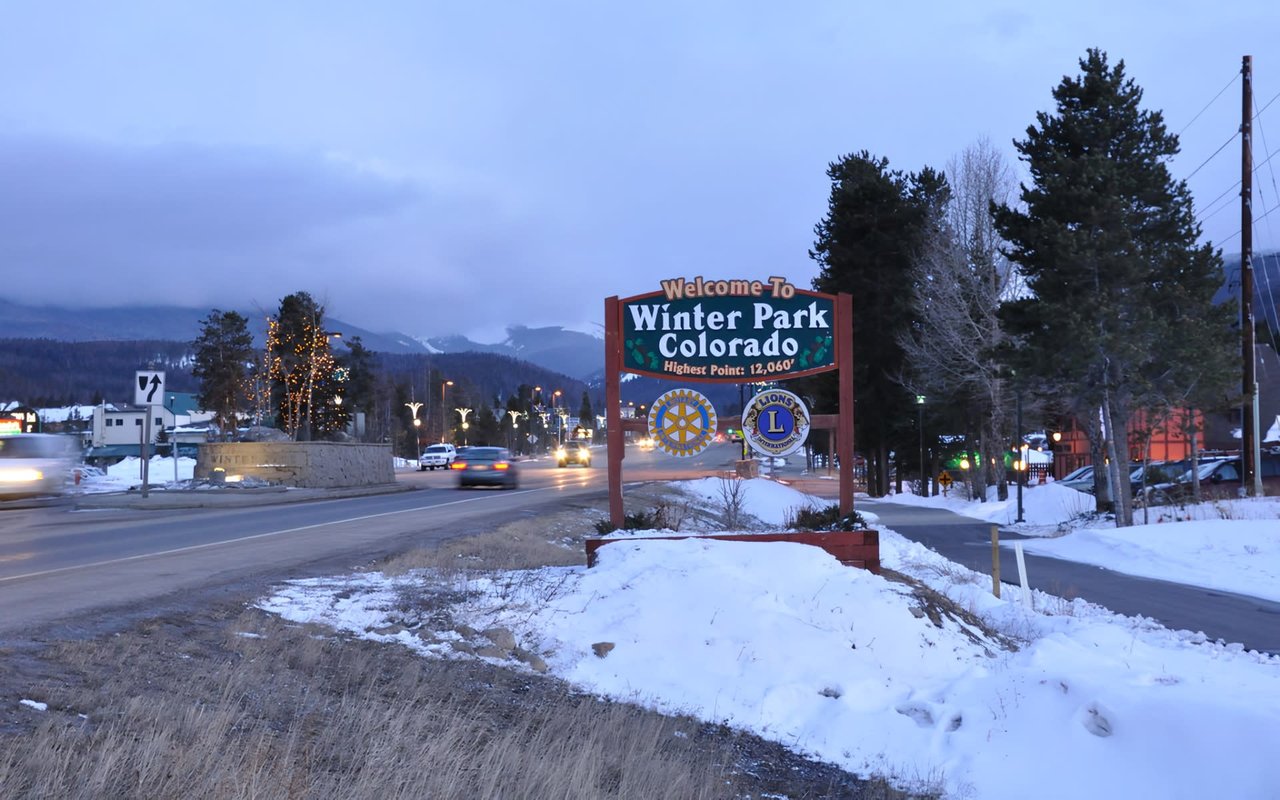
Winter Park is heavily influenced by tourism, hospitality, recreation traffic, and luxury-oriented development.
Fraser continues growing as a hub for workforce housing, industrial-flex space, contractors, and year-round local services.
Granby offers expanding long-term opportunity tied to residential growth, broader land availability, and increasing local demand.
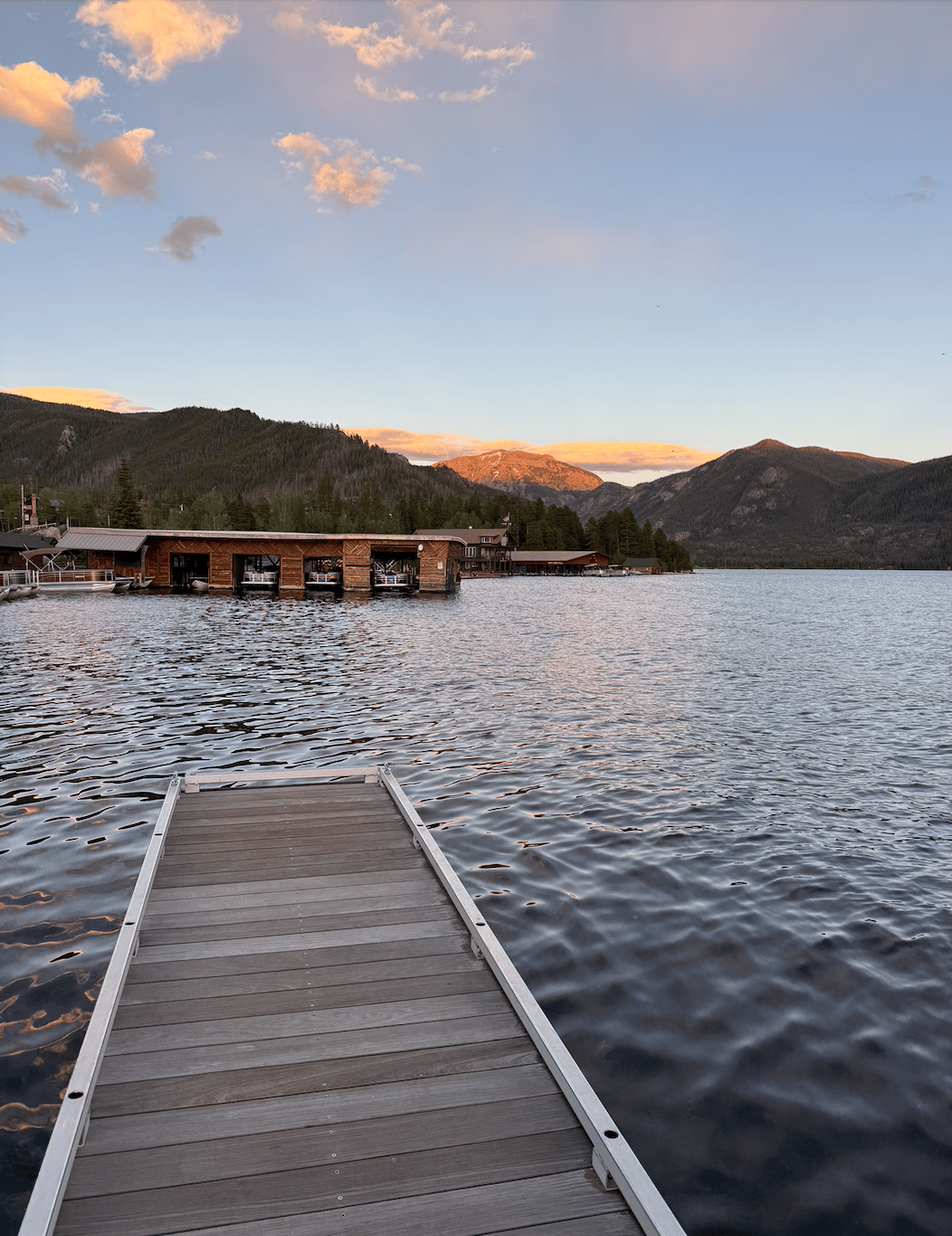
Grand Lake operates with strong seasonal tourism patterns tied closely to Rocky Mountain National Park and summer visitation.
A property that performs well in one submarket may struggle in another, even within the same county.
Understanding those distinctions is critical when evaluating:
- Tenant demand
- Lease potential
- Future appreciation
- Development viability
- Seasonal cash flow
- Long-term investment stability
Mountain Markets Reward Practicality
In many larger cities, investors can sometimes rely heavily on population density alone.
Mountain towns operate differently.
Commercial properties here often succeed because they solve practical local problems well:
- Convenient access
- Services residents actually need
- Reliable year-round functionality
- Durable infrastructure
- Efficient parking
- Flexibility across seasons
The businesses that tend to perform best in Grand County are often the ones that integrate naturally into both the local community and the tourism economy.
That balance matters.
A concept built entirely around peak tourism seasons may experience volatility during shoulder months. On the other hand, businesses serving only locals may miss opportunities created by visitor traffic.
The strongest commercial investments often bridge both worlds effectively.
Seasonality Changes Commercial Strategy
Seasonality influences nearly every commercial asset class in Grand County.
Winter ski traffic, summer recreation tourism, shoulder-season slowdowns, weather conditions, and short-term visitation patterns all affect:
- Revenue cycles
- Staffing
- Tenant performance
- Lease structures
- Operating costs
- Investor expectations
That does not make the market unstable.
But it does mean investors need to evaluate opportunities differently than they would in more uniform year-round metro environments.
Understanding how a property performs across all four seasons often matters more than peak-season numbers alone.
Infrastructure and Entitlements Matter More Here
Mountain communities also come with infrastructure realities that outside investors sometimes underestimate.
Items like:
- Water and sewer capacity
- Snow storage
- Road access
- Parking requirements
- Delivery logistics
- Utility limitations
- Workforce housing availability
- Zoning and entitlement timelines
can significantly influence project viability.
A site that appears straightforward initially may become much more complex once infrastructure and municipal considerations enter the picture.
That is why local market knowledge becomes so valuable in Grand County commercial real estate.
Why Local Relationships Matter in Commercial Real Estate
Commercial real estate in Grand County remains highly relationship-driven.
Some of the strongest opportunities never become highly visible public listings. Investors, business owners, municipalities, developers, and local operators often become aware of market shifts long before information appears online.
That local network matters because it helps provide:
- Market context
- Development insight
- Realistic projections
- Off-market awareness
- Long-term community perspective
- Knowledge of future growth patterns
In a market as nuanced as Grand County, relationships often create clarity that raw data alone cannot provide.
What Experienced Investors Often Prioritize
The strongest commercial investors in mountain markets are often evaluating questions like:
- Will this property function well year-round?
- Does the location support long-term demand?
- How dependent is this asset on seasonal traffic?
- What infrastructure limitations exist?
- Is parking realistic during peak periods?
- How difficult would future expansion be?
- Does the property serve both visitors and locals?
- How is this area expected to grow over time?
Those operational realities frequently matter more than flashy marketing language or theoretical projections.
Why Local Expertise Matters
Commercial real estate carries higher complexity than most residential transactions.
In Grand County, that complexity becomes even more amplified because of:
- tourism-driven economics
- limited land supply
- seasonal demand patterns
- infrastructure constraints
- development regulations
- evolving community growth
That is why many investors, developers, and business owners choose to work with advisors who are deeply connected to the local market itself.
John Sanderson and Sanderson Commercial Real Estate specialize in helping clients navigate the unique realities of commercial real estate throughout Grand County, from hospitality and retail to land, mixed-use development, and investment property analysis.
Because in mountain-town commercial real estate, local insight is often one of the most valuable assets in the deal.
Final Thoughts
Commercial real estate in Grand County requires a different lens than most investors initially expect.
The strongest opportunities are often shaped by factors that are difficult to fully understand from outside the community—tourism flow, infrastructure realities, local demand, seasonality, and how each town functions independently within the broader county economy.
For investors, developers, and business owners looking to make strategic long-term decisions, local market understanding is not just helpful. It is often essential.
FAQs
Why is commercial real estate different in mountain towns?
Mountain-town commercial markets are heavily influenced by tourism, seasonality, infrastructure limitations, weather, and fluctuating visitor traffic throughout the year.
What commercial property types perform well in Grand County?
Retail, hospitality, industrial-flex, mixed-use projects, contractor space, food and beverage concepts, and service-oriented businesses all continue seeing demand in different areas of Grand County.
Why does Highway 40 visibility matter so much?
Visibility, winter accessibility, traffic flow, and parking convenience can significantly influence customer behavior and long-term commercial performance.
Is Grand County commercial real estate a good long-term investment?
It can be, particularly for investors who understand local market dynamics, infrastructure realities, seasonal demand, and long-term growth patterns.
Why is local commercial expertise important?
Local experts understand zoning, tourism trends, infrastructure limitations, development timelines, and submarket differences that outside investors may overlook.