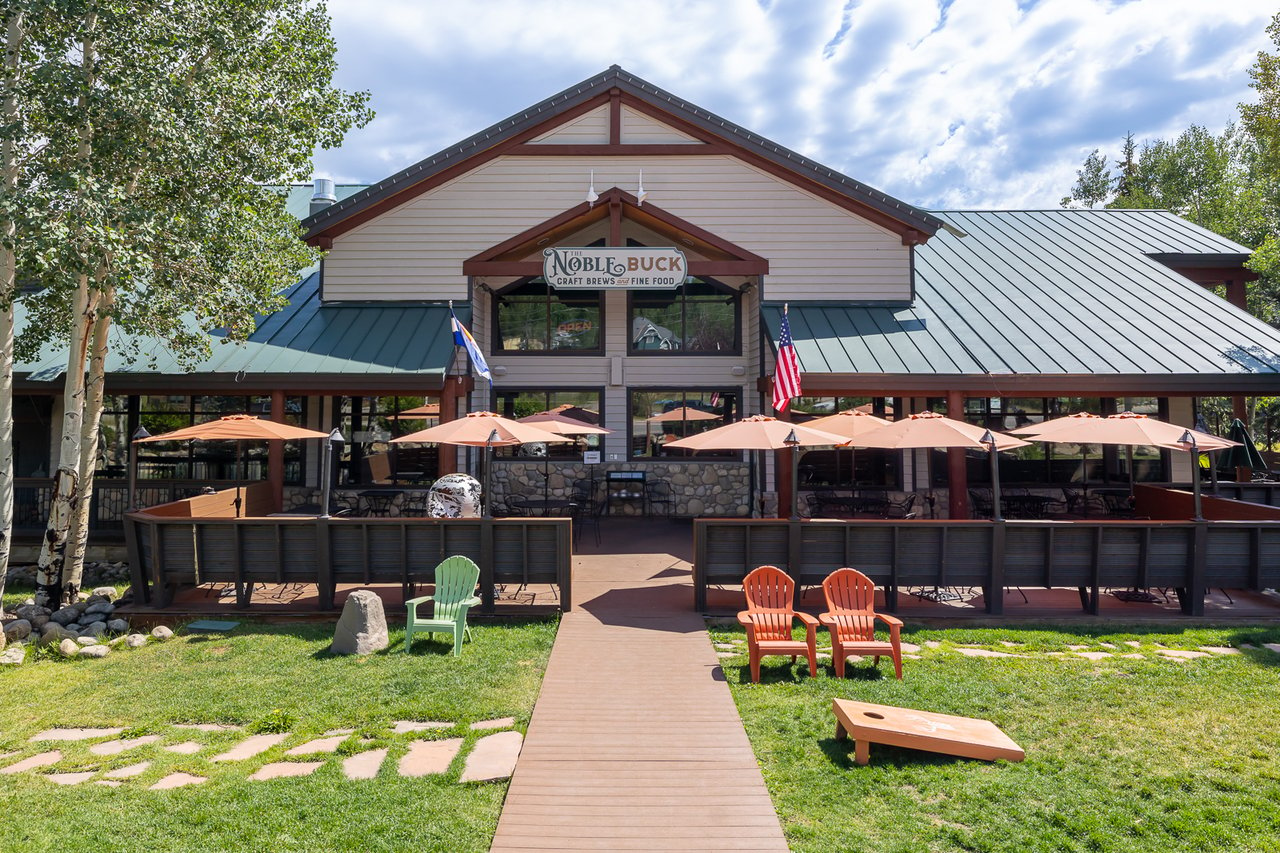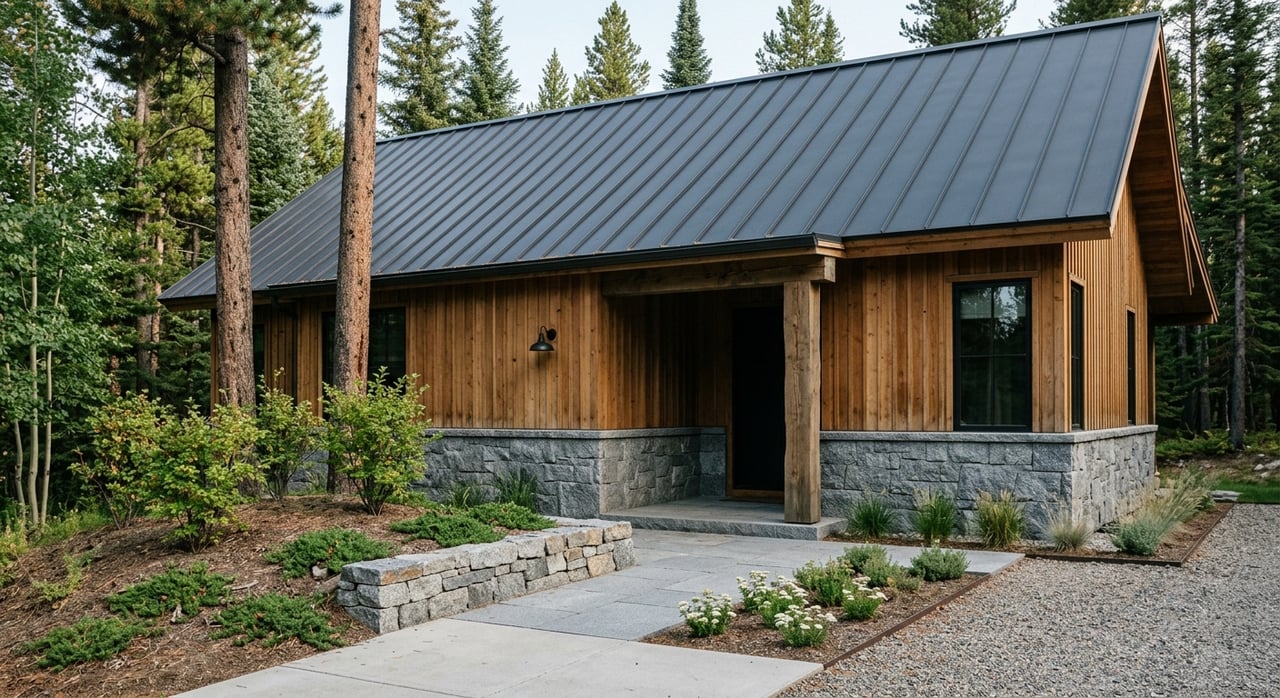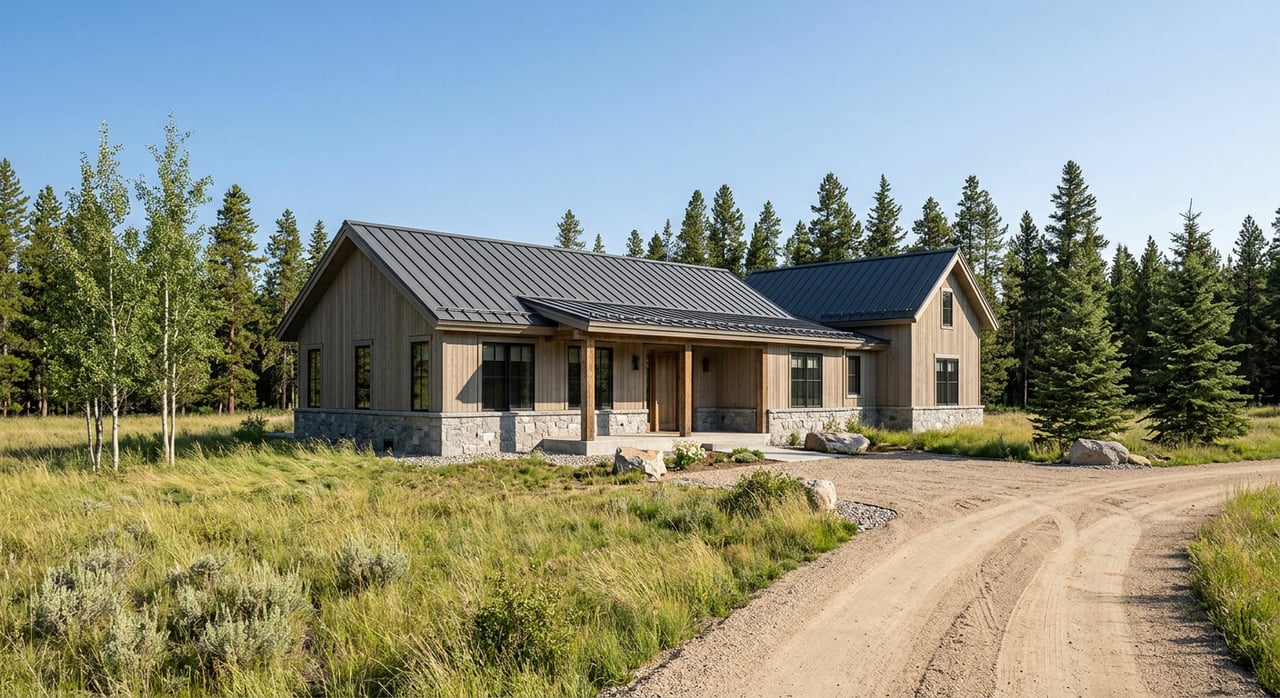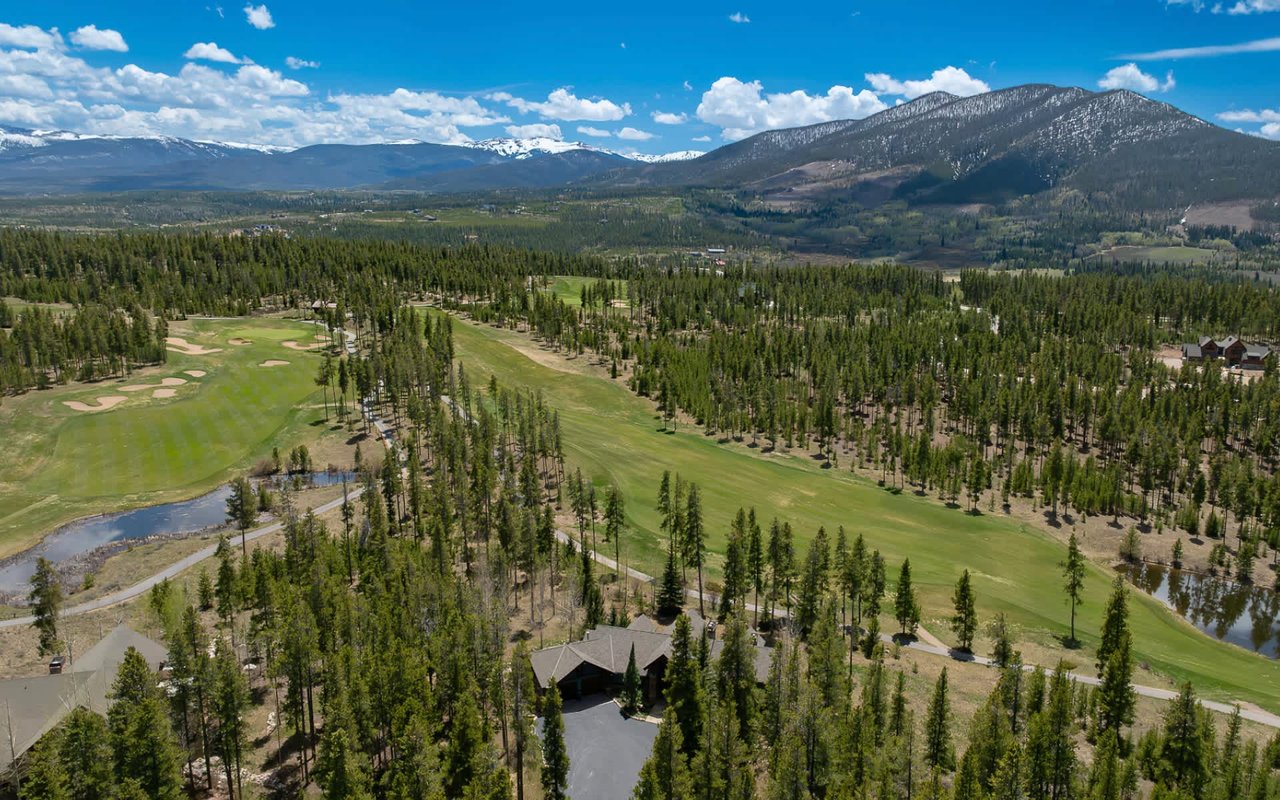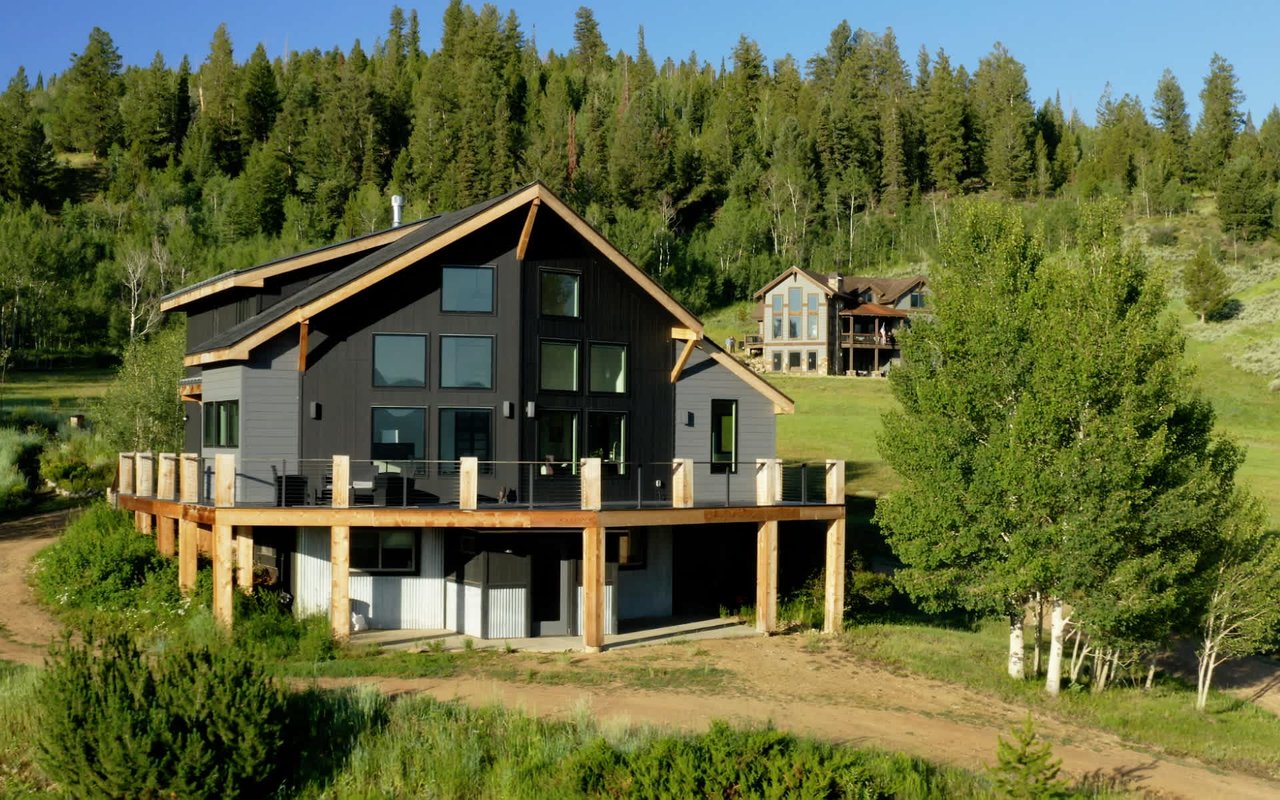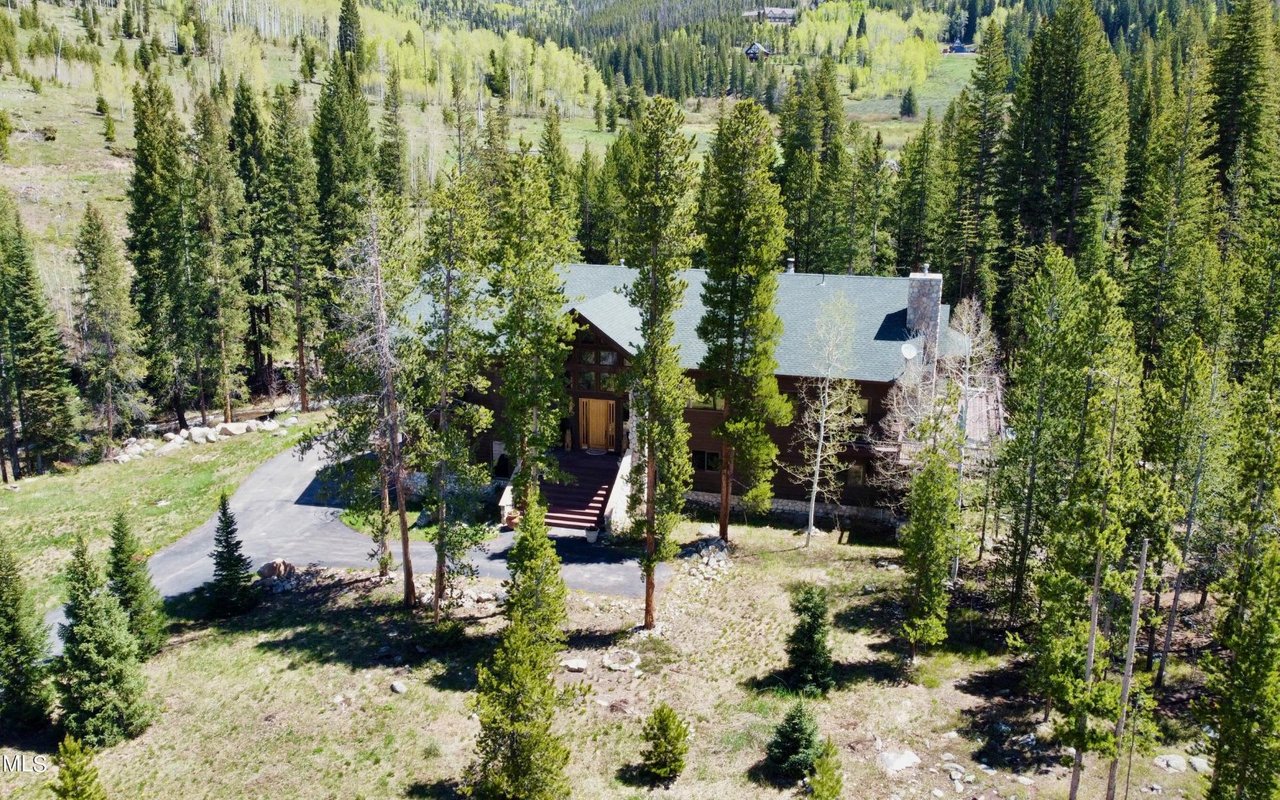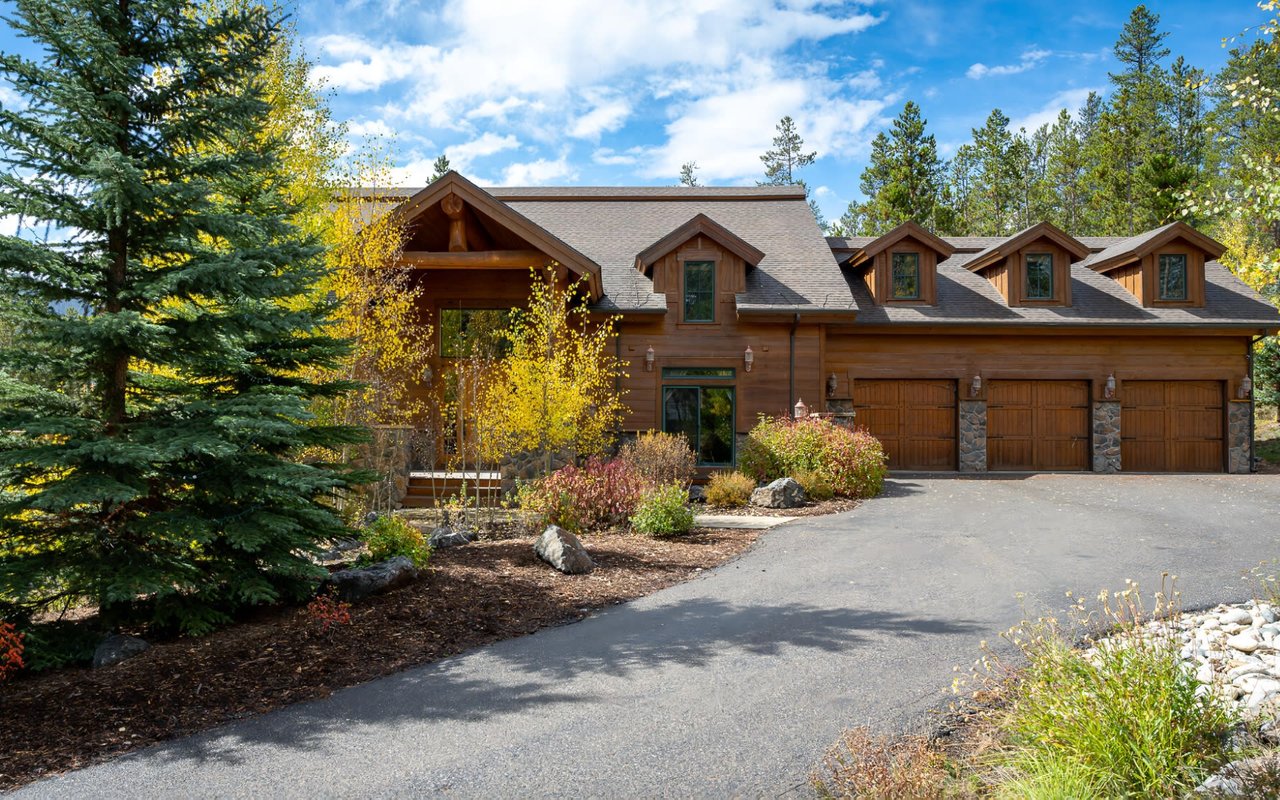
Dreaming about mornings on the water and weekends in the mountains? Buying a vacation home near Granby’s lakes can be a great way to enjoy both, but this market works a little differently than many buyers expect. If you are considering a second home here, it helps to understand how the lakes are managed, what property types you are likely to find, and what ownership costs can look like across the seasons. Let’s dive in.
Why Granby’s Lakes Appeal to Vacation Buyers
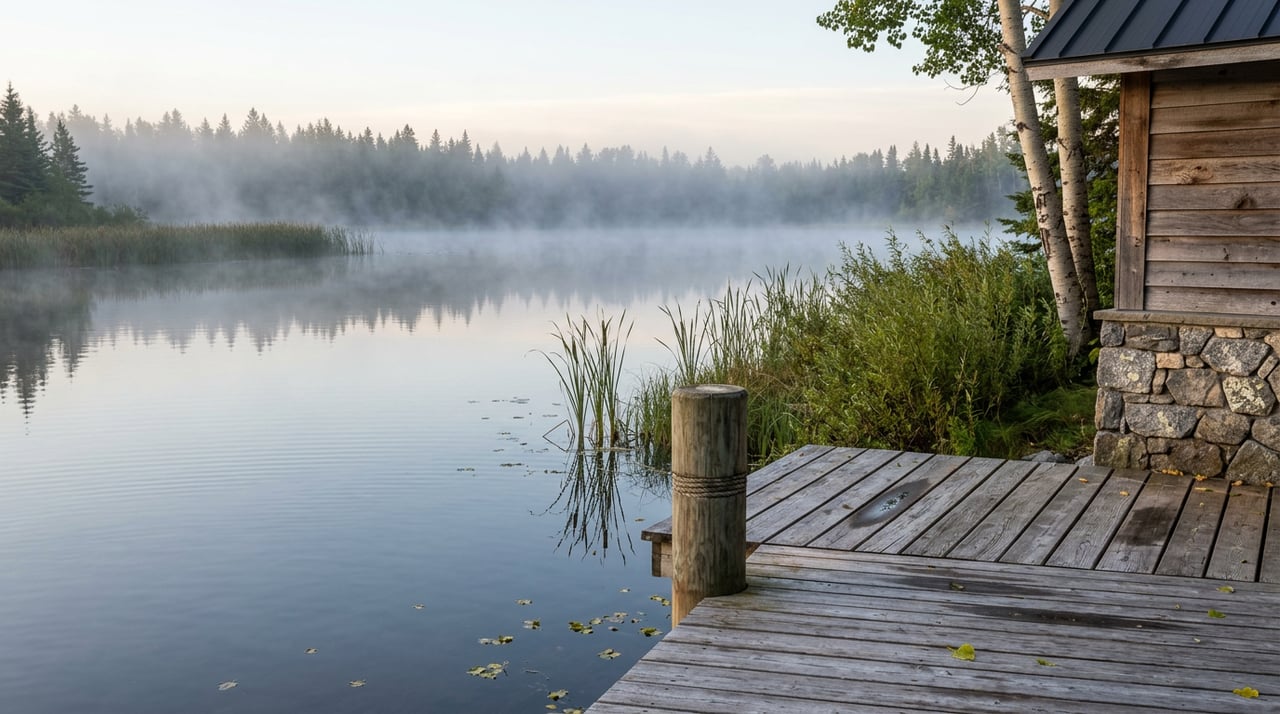
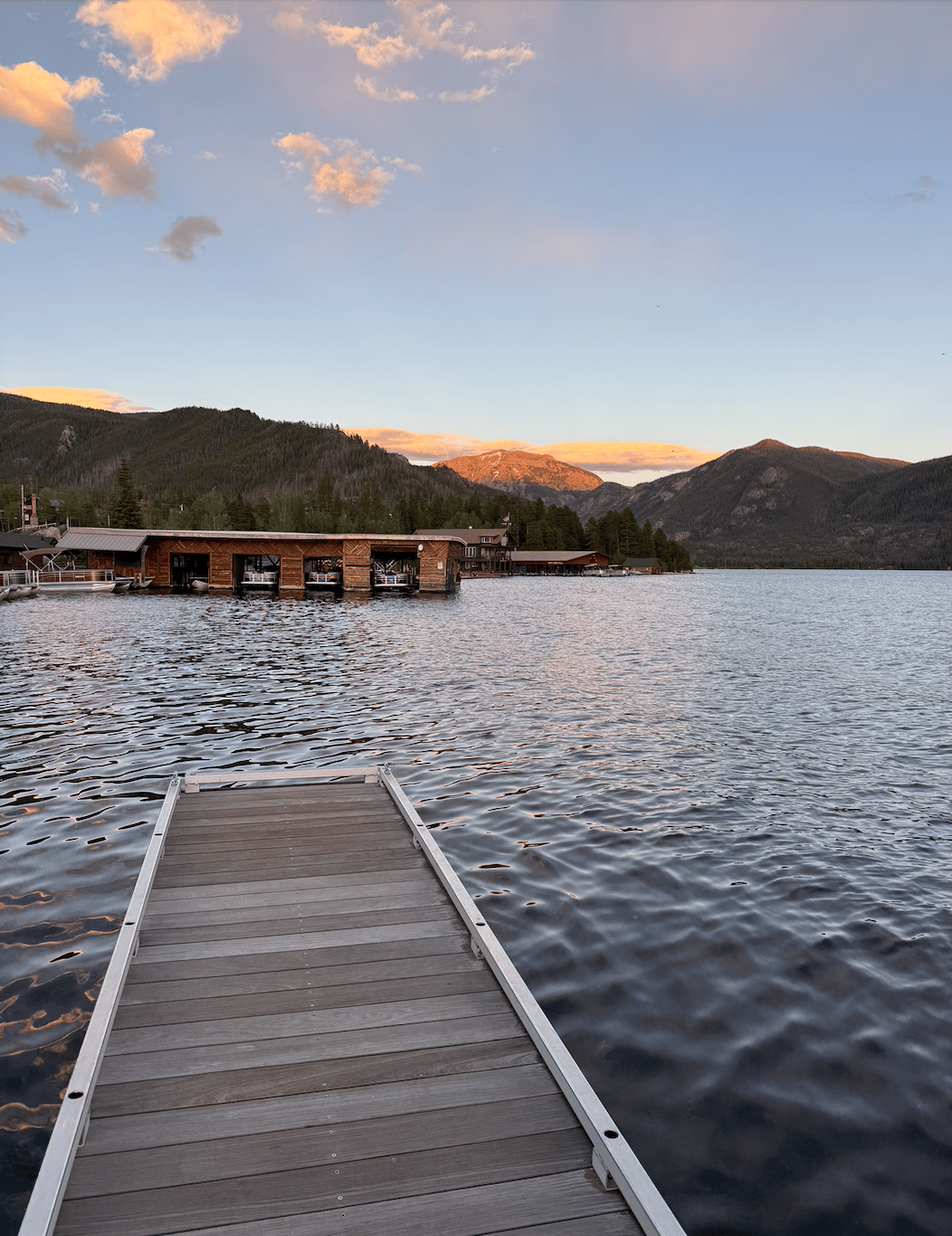
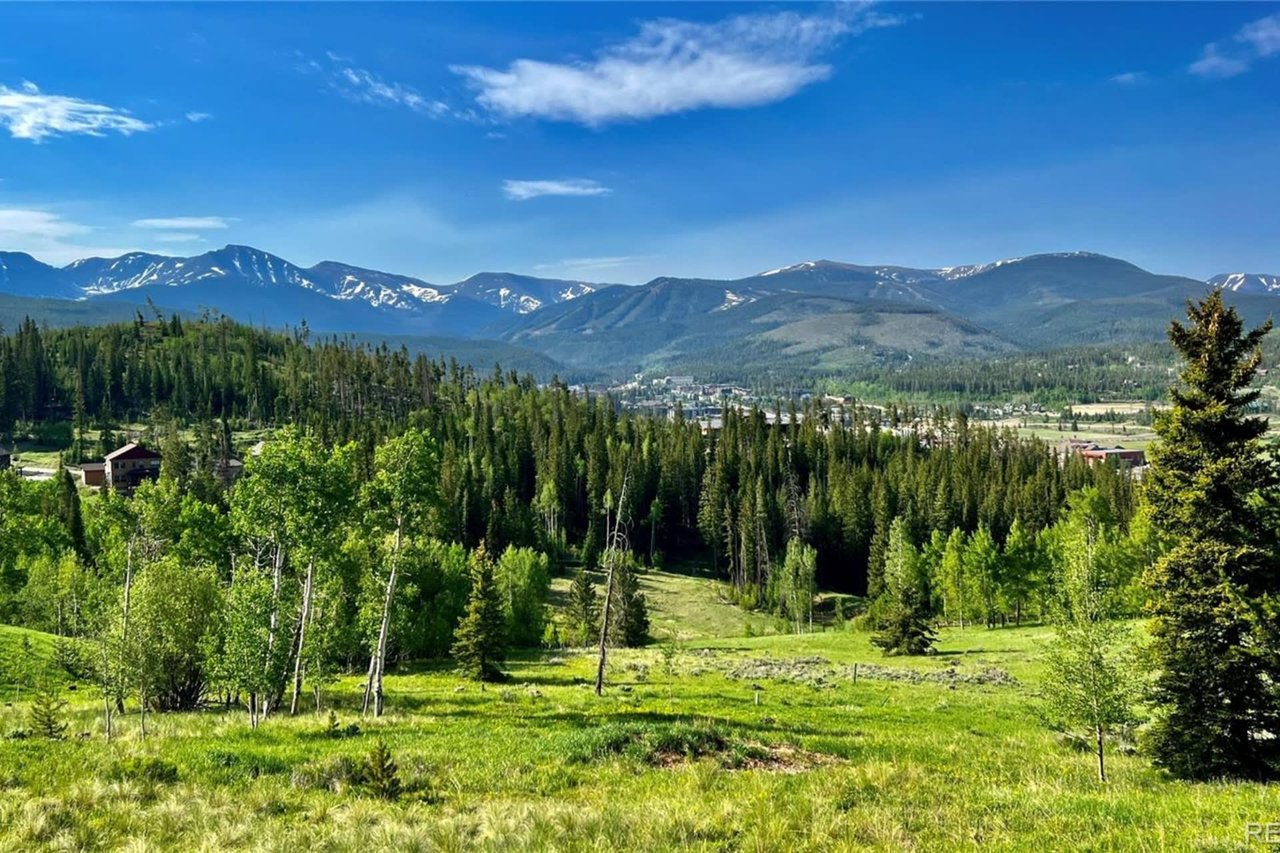
Granby’s lake lifestyle centers on a connected reservoir system within the Arapaho National Recreation Area, not on private lake communities. Lake Granby is one of Colorado’s largest coldwater reservoirs, with 7,250 acres, roughly 40 miles of shoreline, and three boat ramps. Shadow Mountain Lake adds 1,346 acres, about eight miles of shoreline, and two boat-launch ramps.
That scale is a big part of the draw. You get broad access to boating, fishing, and mountain views in a setting that feels active in summer and scenic year-round. At the same time, this is best understood as a four-season mountain market, not a private-lake setup with year-round shoreline access.
Know How Lake Access Works
One of the most important things to know is that public agencies manage access, rules, and seasonal operations. Shoreline use, boat launches, and some trail facilities are governed by agencies such as the Forest Service, National Park Service, and Colorado Parks and Wildlife, rather than by a single HOA or private marina. That means access and rules can shift with weather, staffing, and the season.
For example, the Stillwater Boating Site on Lake Granby includes a two-lane ramp, courtesy dock, trailer parking, a restroom, and required inspections for zebra and quagga mussels. The Forest Service notes that water access is available only when inspectors are present. Colorado Parks and Wildlife also states that boaters need current registration and must follow the aquatic nuisance species inspection process.
Seasonal Access Matters
Winter conditions can affect how and when you use the area. Public recreation pages note winter closures or seasonal limitations because of ice and snow, and marina businesses advertise winter storage and winterization services. If your idea of a vacation home includes frequent boating, you will want to match that plan to the area’s real operating calendar.
This does not make ownership less appealing. It simply means you should buy with a realistic view of how mountain recreation changes through the year.
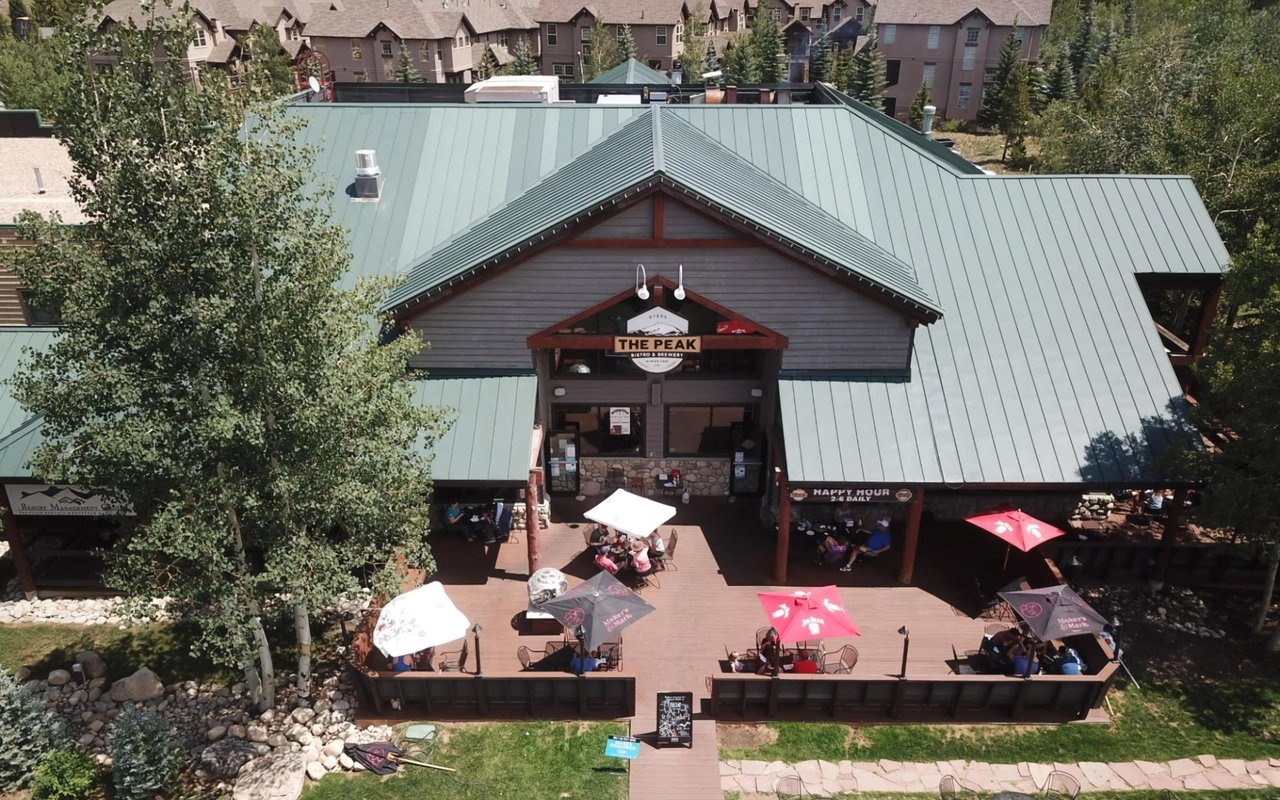
Marinas and Recreation Add Value
Granby’s marina network is a real asset for second-home owners. According to Destination Granby’s marina guide, Lake Granby is served by Indian Peaks Marina and Beacon Landing Marina, with seasonal services that can include rentals, fuel, slips, moorings, storage, and repair. Indian Peaks Marina advertises a season running from May 20 to October 15, while Highland Marina advertises services like slips, buoys, storage, rentals, and winterization.
That kind of infrastructure can make ownership easier, especially if you want support for boat storage or seasonal prep. It also reinforces why many buyers near Granby’s lakes prioritize convenience and access over direct shoreline control.
Trails Extend the Lifestyle
The area is not just about boating. Trail access is one of the strongest reasons buyers are drawn to this part of Grand County.
The East Shore Trail along Shadow Mountain Lake is a 5.4-mile round trip route and is the only Rocky Mountain National Park trail that permits mountain biking. Other trailheads managed by the Forest Service, including Shadow Mountain Dam and Monarch Lake, connect to larger route systems such as the Continental Divide Trail and the Arapaho Pass area.
For many buyers, that variety supports a more flexible vacation-home lifestyle. You are not depending on one activity or one season to enjoy the property.
What Homes Buyers Usually Find
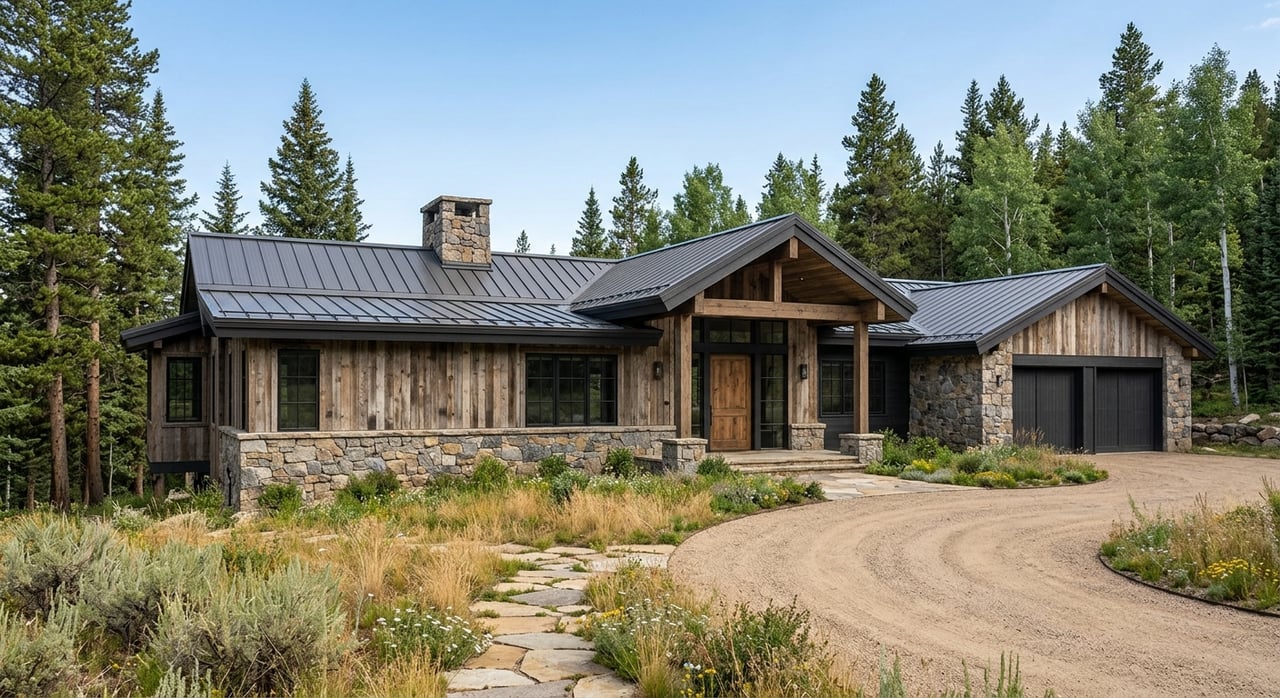
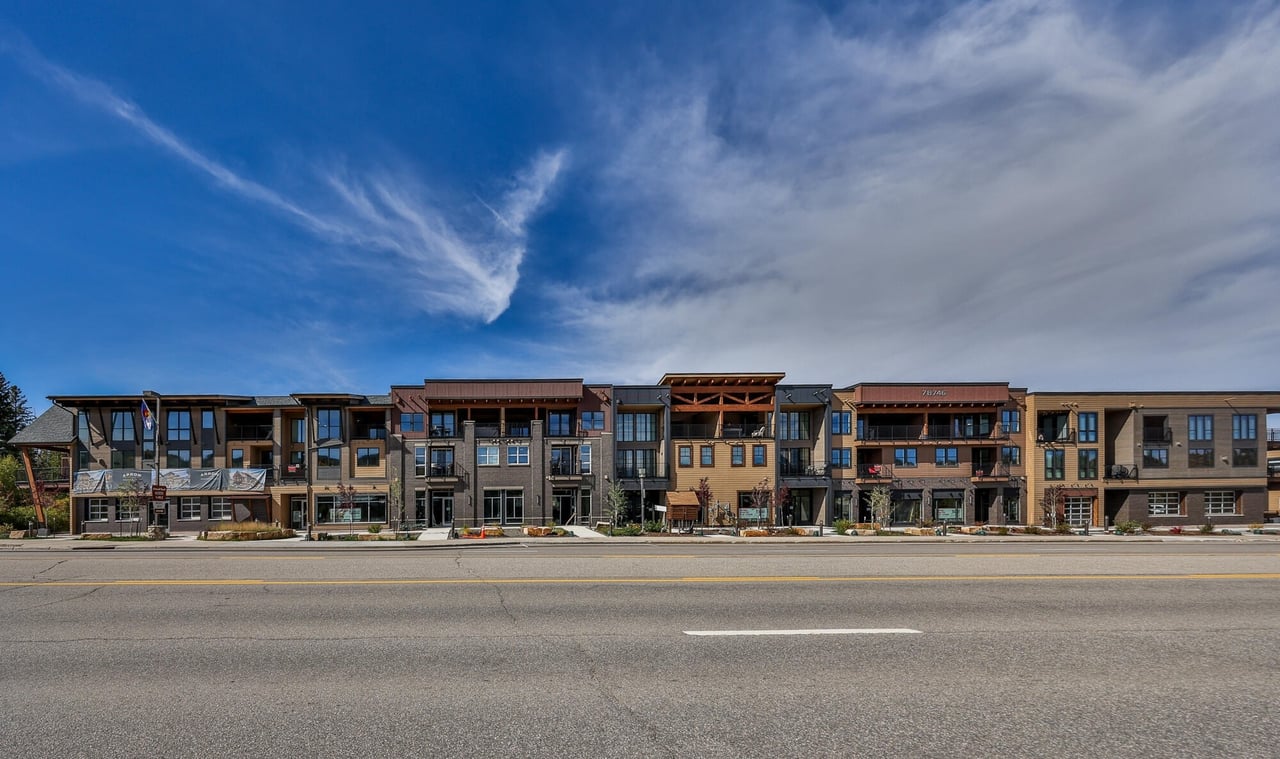
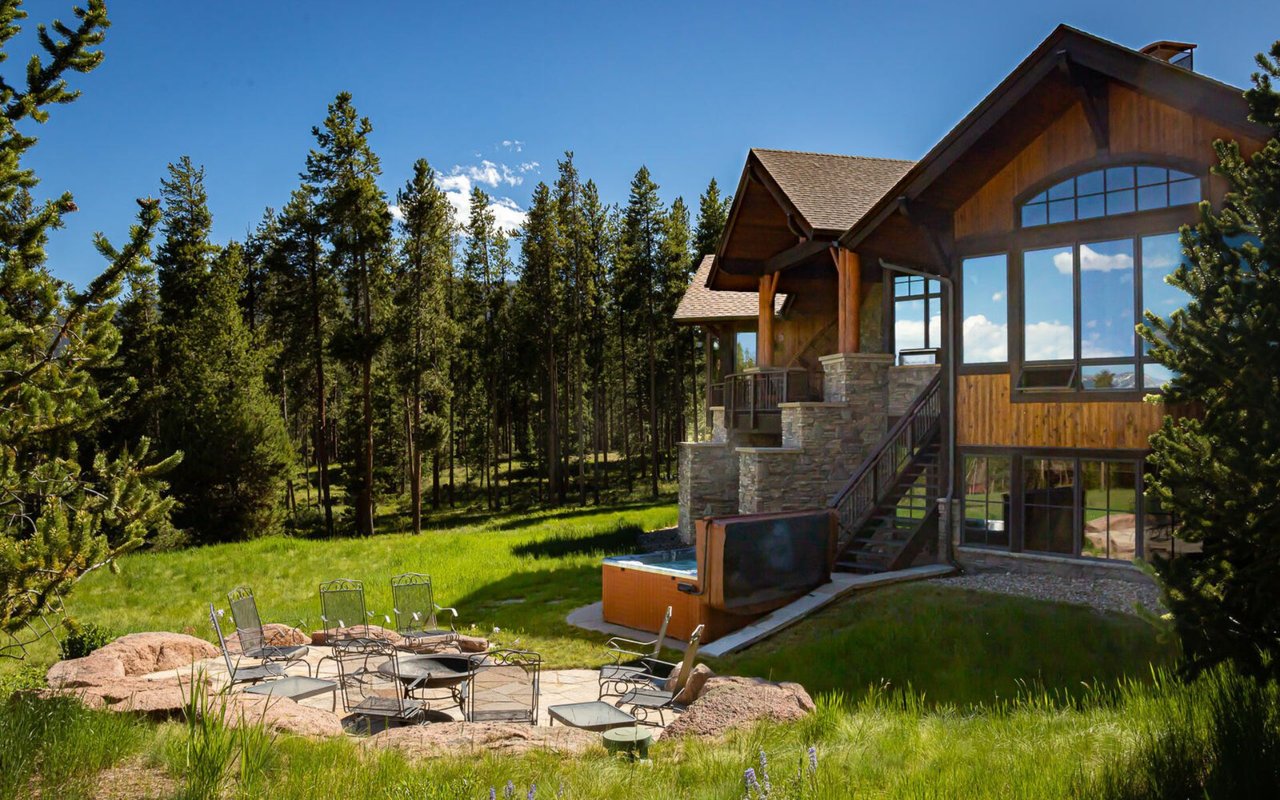
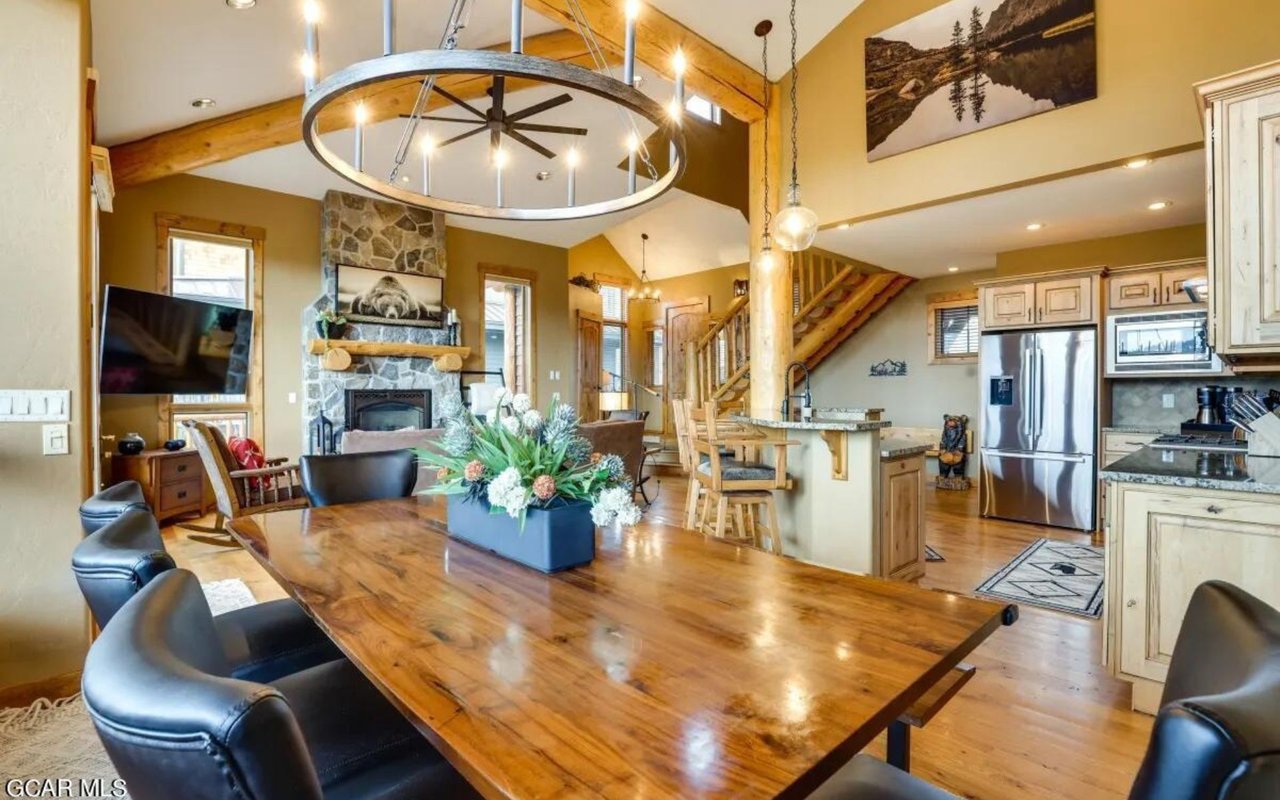
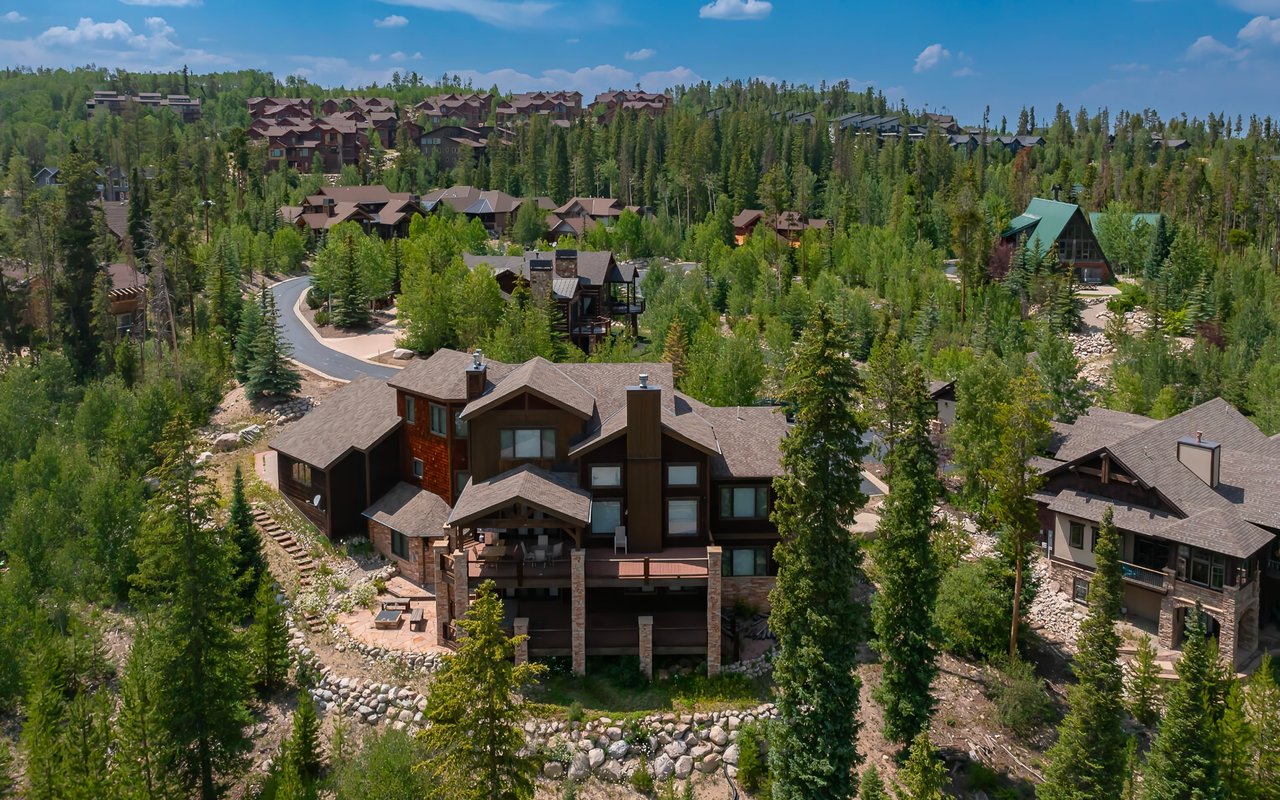
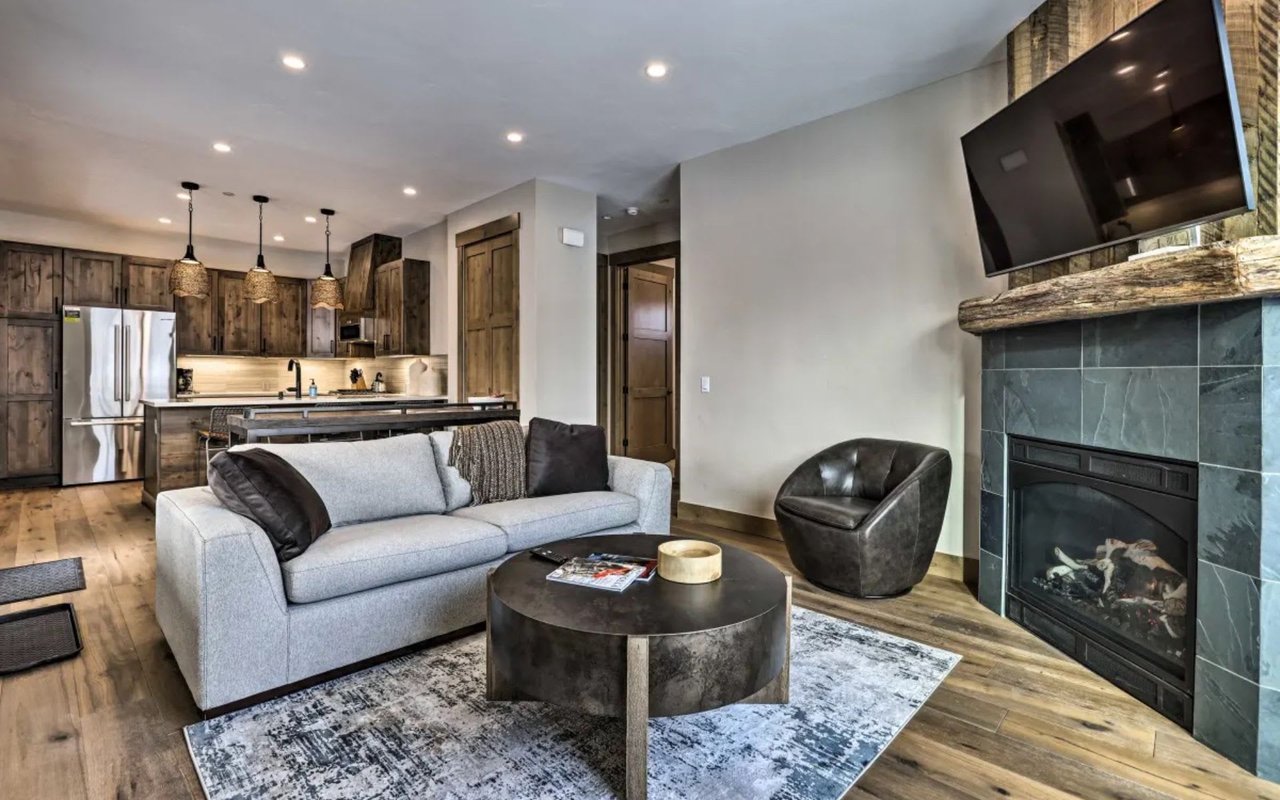
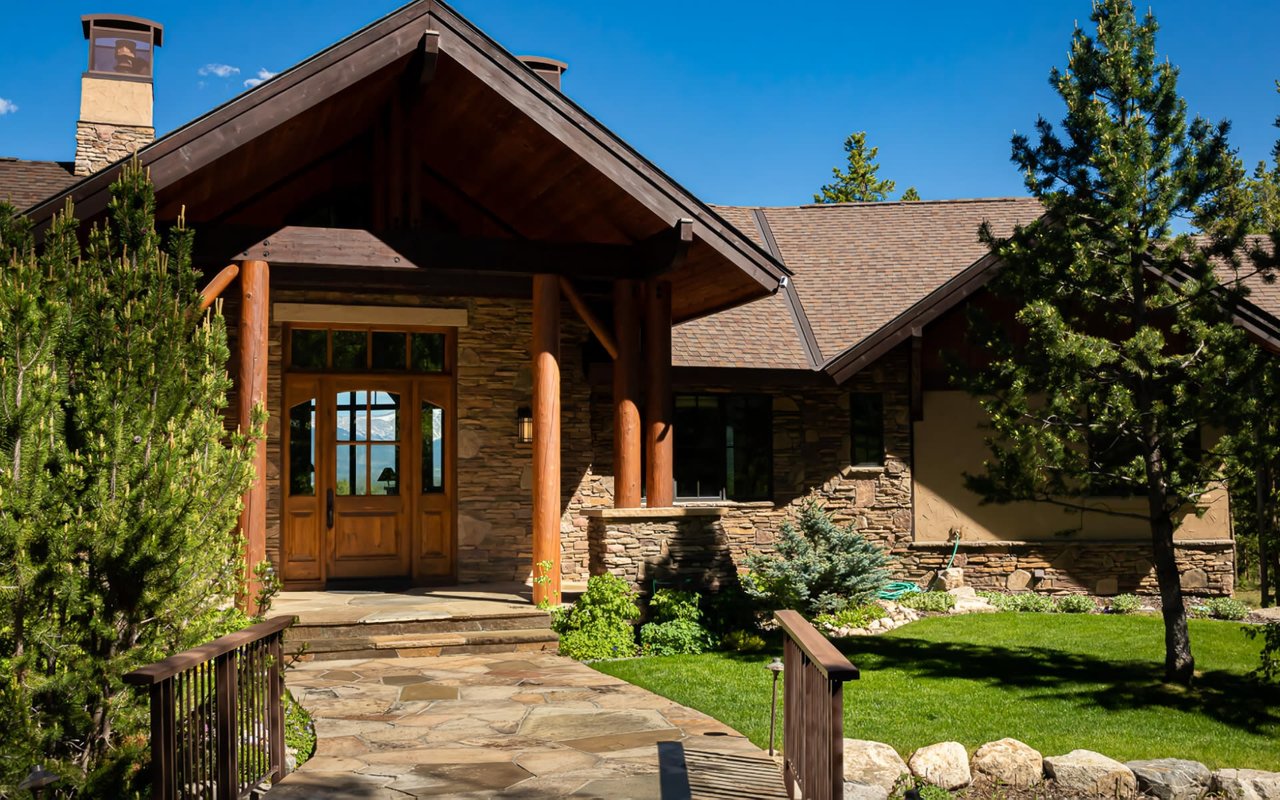
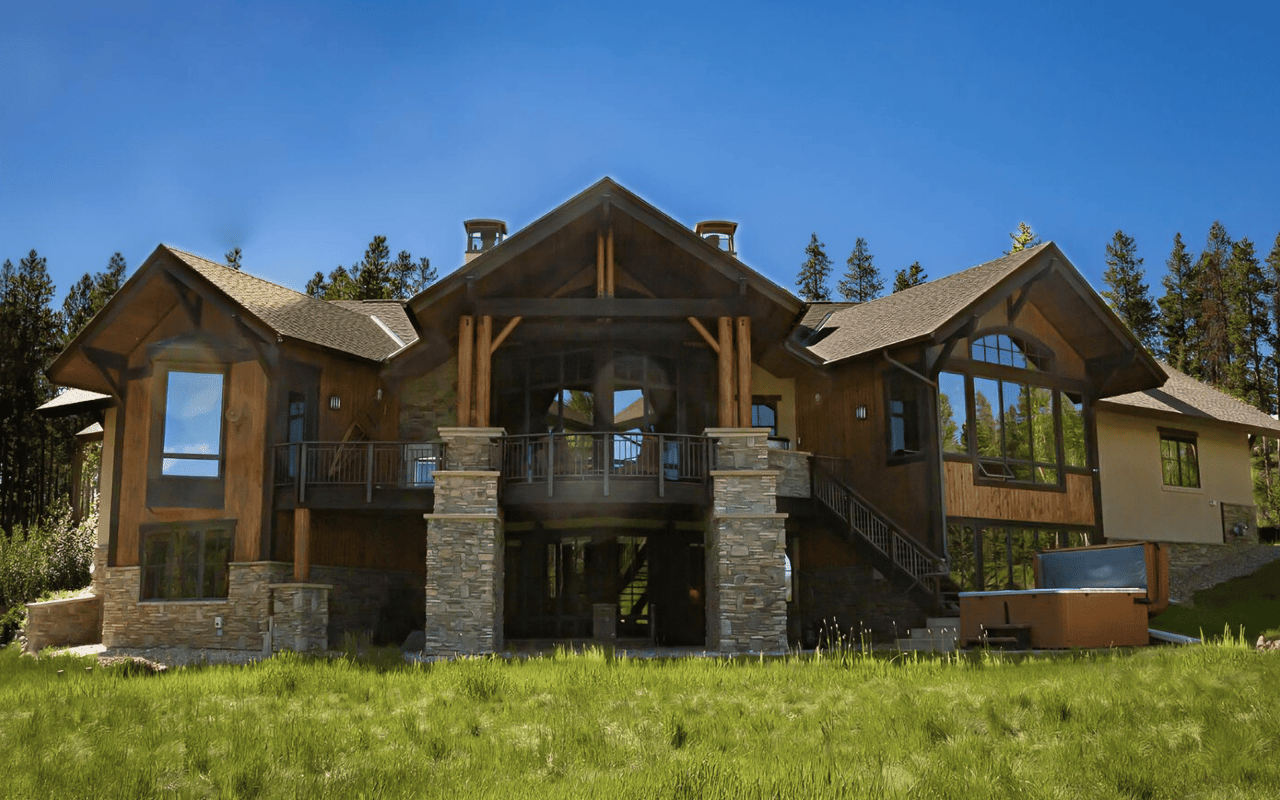
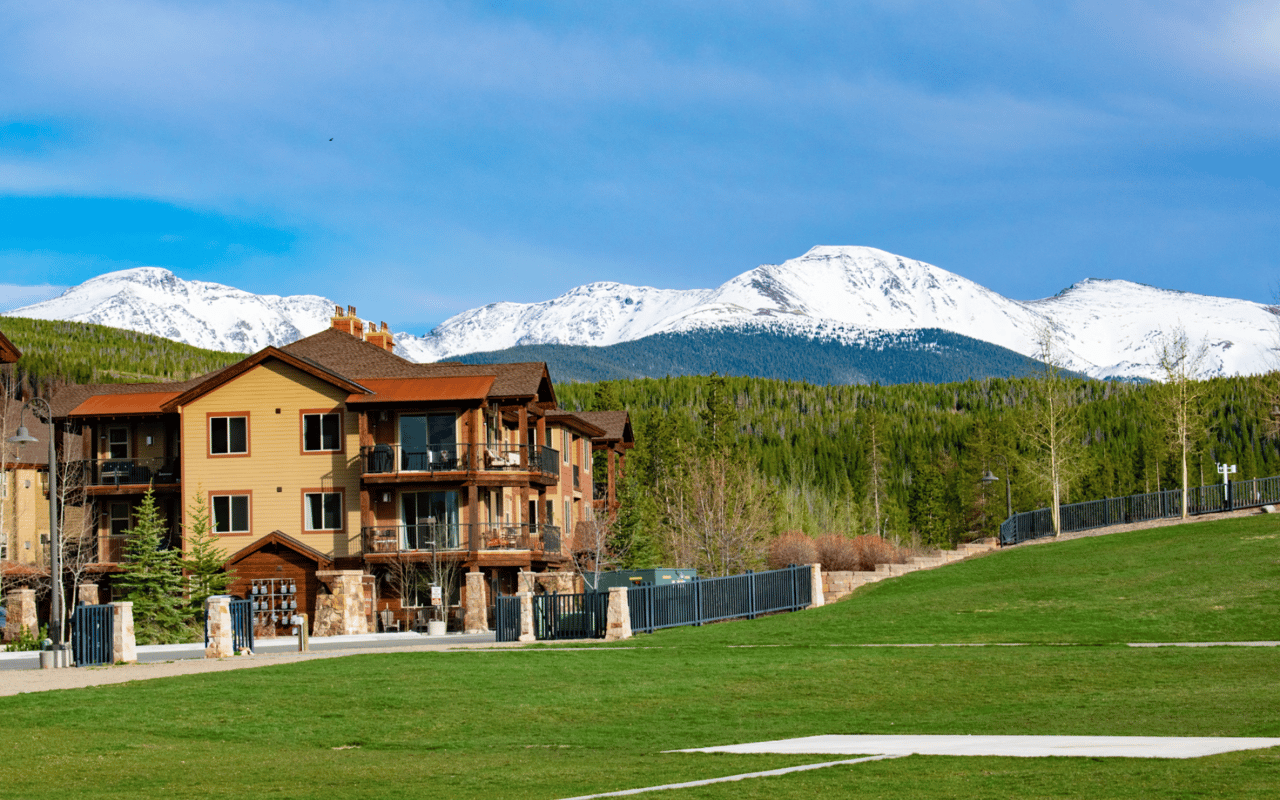
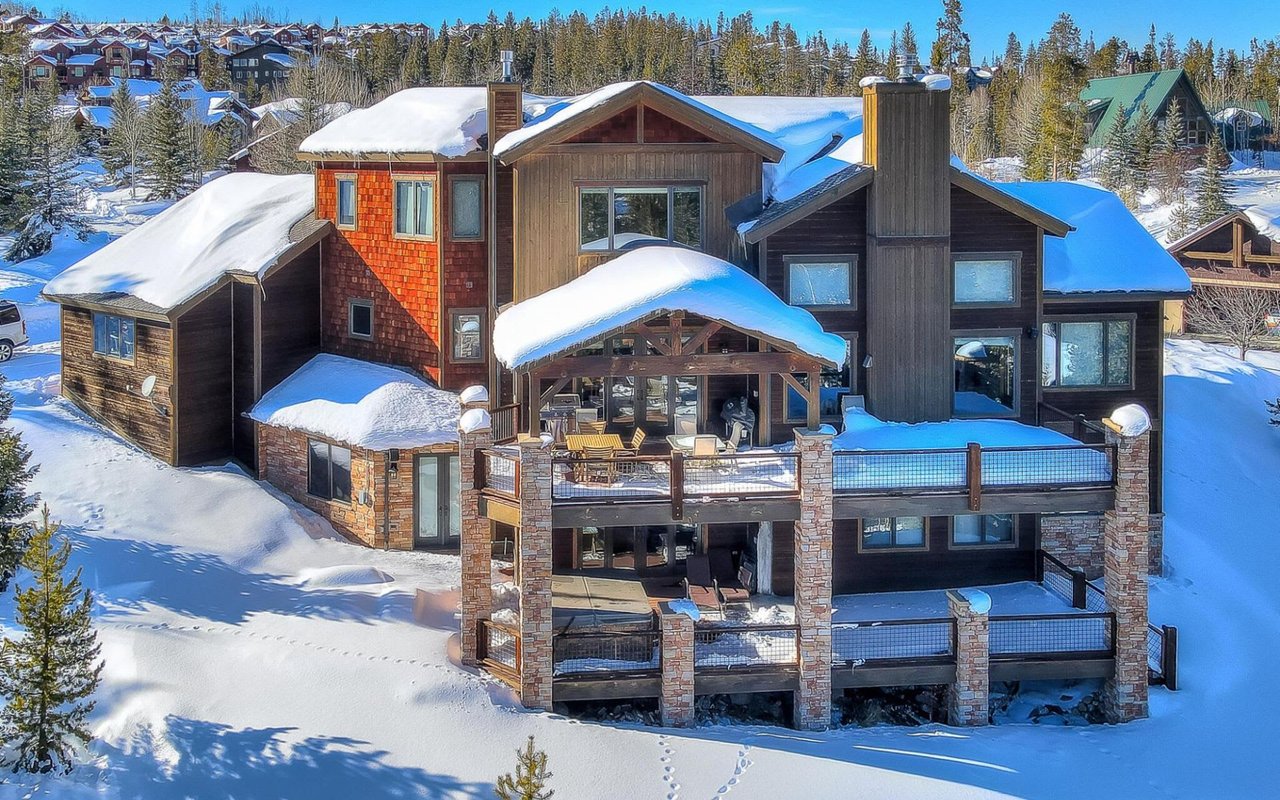
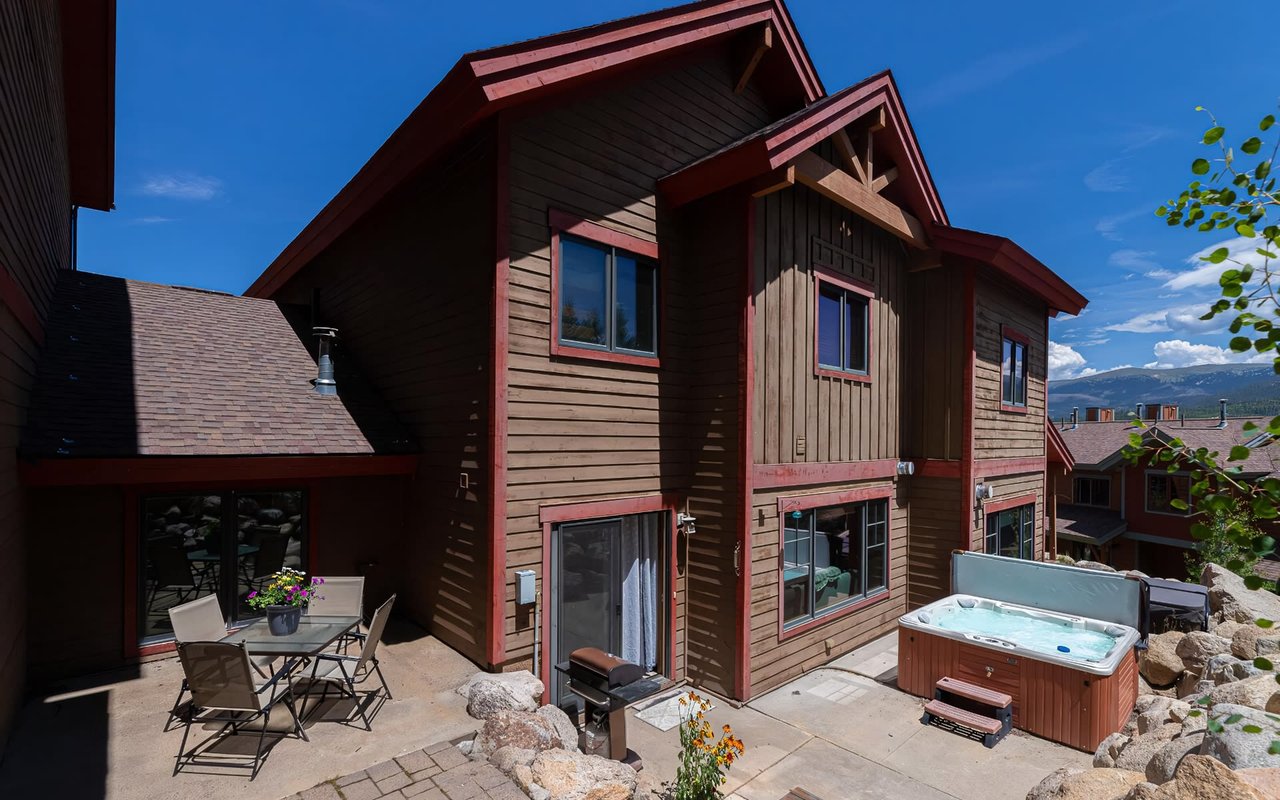
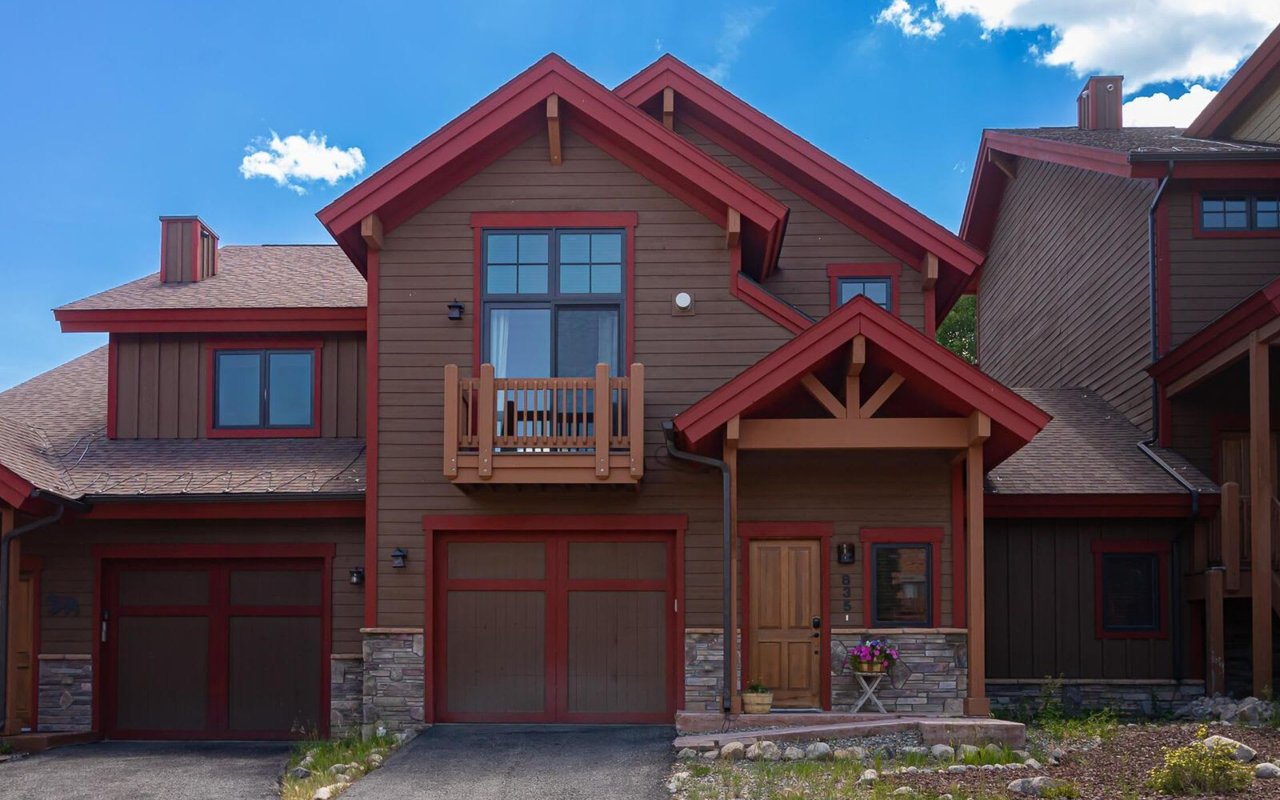
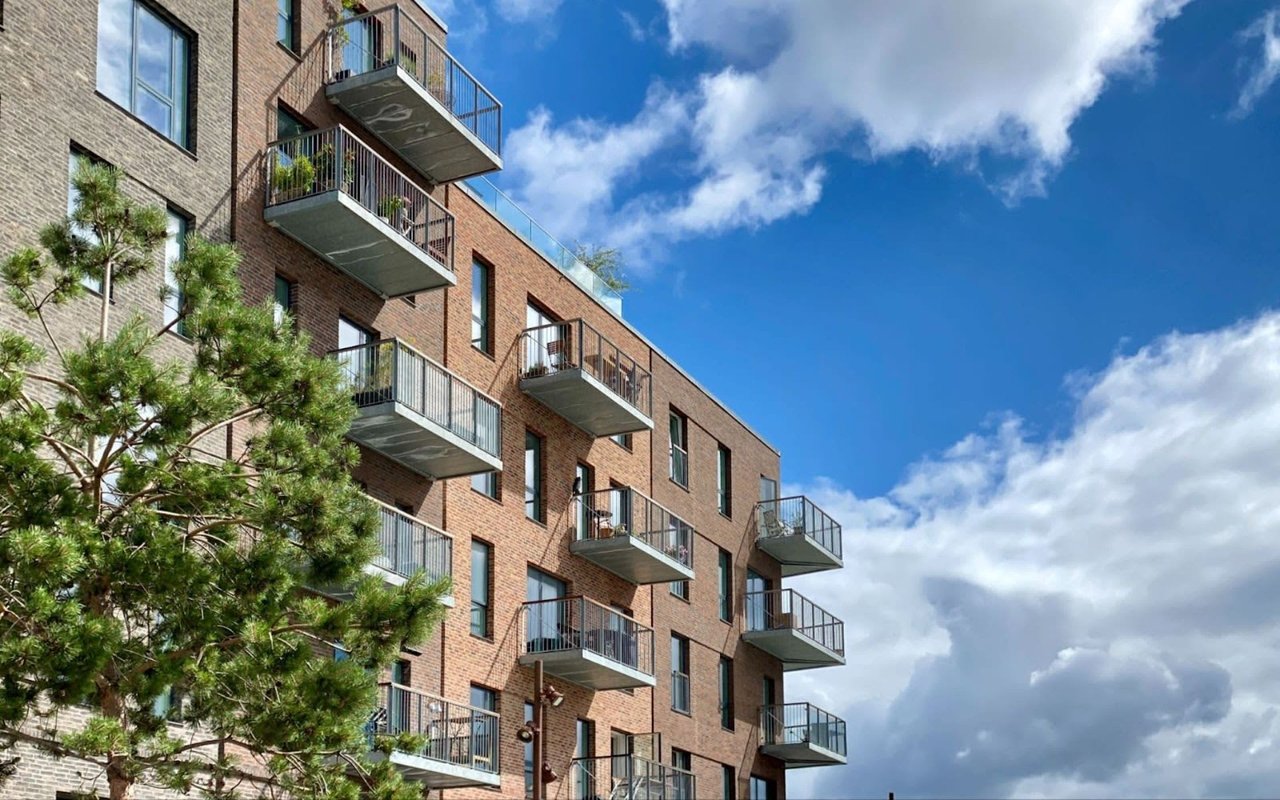
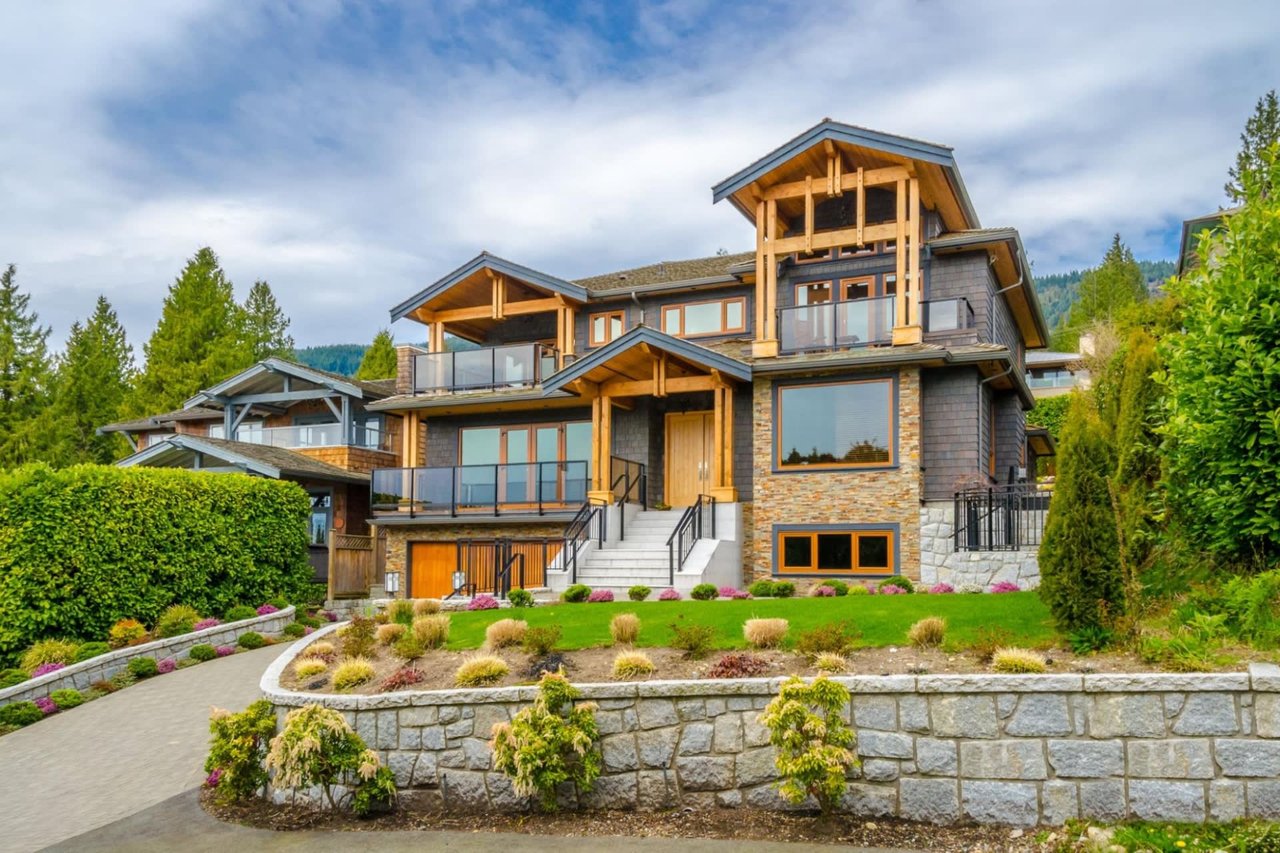
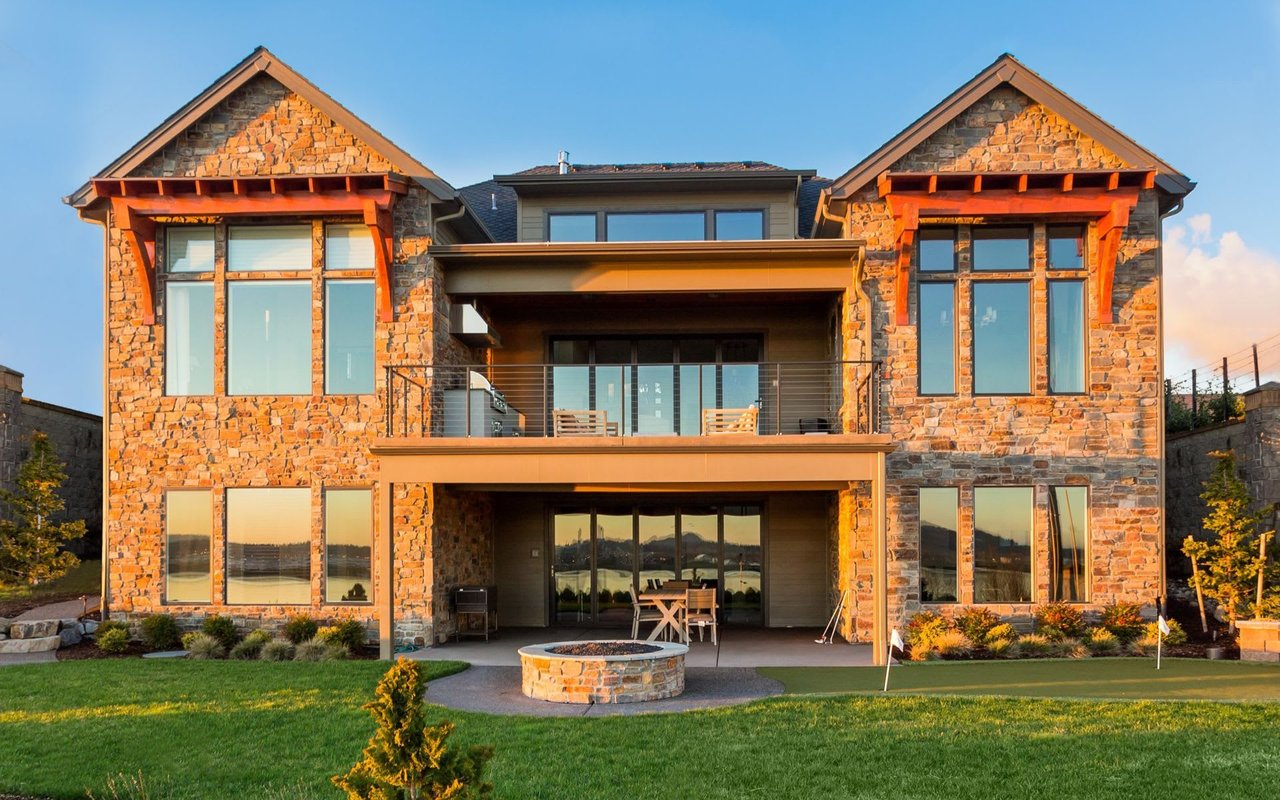
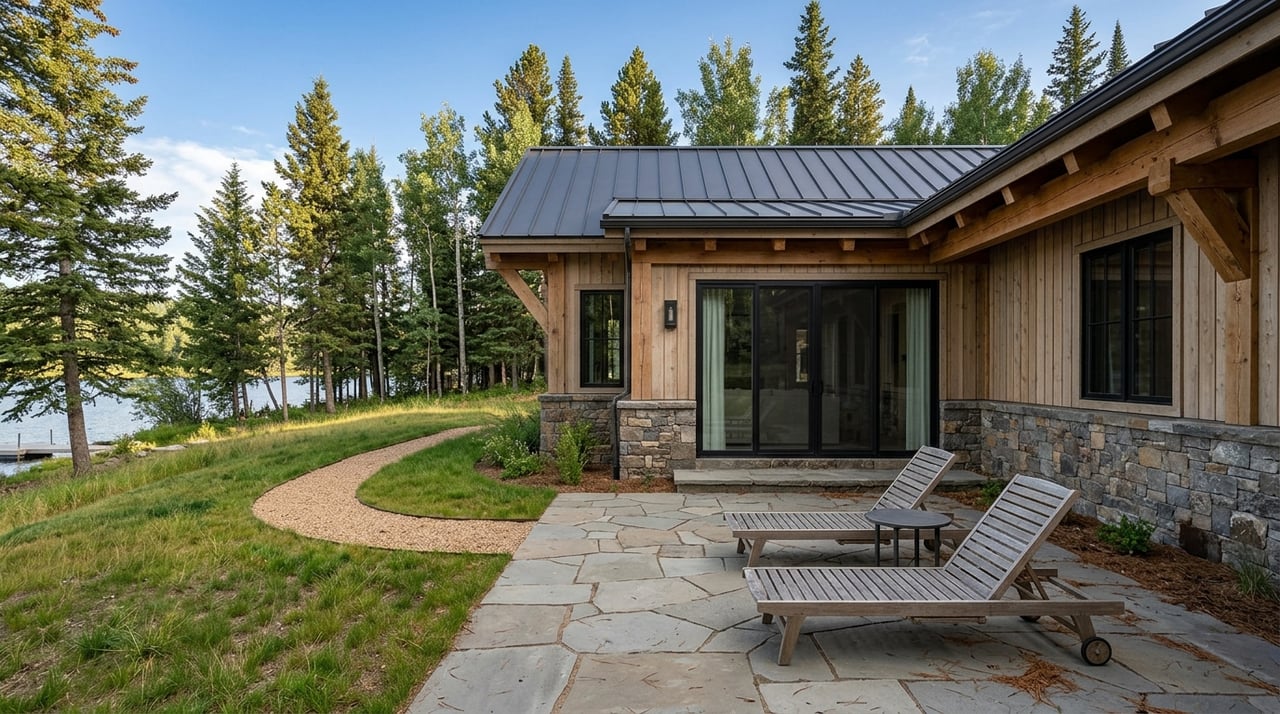
If you are picturing only large waterfront estates, Granby may surprise you. The local housing mix includes apartments, townhomes, duplexes, and single-family homes, according to the Town of Granby housing information. Near the lakes, current inventory patterns suggest a mix of cabins, lake-view detached homes, and attached condos or townhomes.
That variety can be helpful because different buyers want different levels of upkeep, privacy, and lock-and-leave convenience. Some buyers prefer a detached cabin with more space and a classic mountain feel. Others want an attached property that may simplify exterior maintenance and seasonal use.
HOA Costs Can Affect Your Budget
Attached properties may come with HOA dues that materially change your monthly carrying costs. The research sample shows examples around $230 per month for a Lake Granby townhome and roughly $585 to $740 per month for Granby Ranch condo listings. These figures are examples only, not market averages, but they show why it is smart to review dues and services carefully.
When you compare options, look beyond the purchase price. A lower-maintenance property may save you time, but the tradeoff could be higher monthly fees.
Ownership Costs to Plan For
A vacation home near Granby’s lakes often comes with mountain-specific maintenance needs. Snow removal, access during winter weather, and seasonal home checks should all be part of your planning. If you own a boat or watercraft, winterization and off-season storage are also common expenses.
Indian Peaks Marina highlights winter storage as part of the ownership cycle, which is a useful reminder that this is not a simple summer-only market. Your budget should account for recreation costs as well as the home itself.
Boating and Fishing Rules Still Apply
Lake access also comes with compliance responsibilities. Colorado Parks and Wildlife states that vessels and water users must follow Colorado boating statutes and regulations, that Lake Granby fishing requires a license, and that aquatic nuisance species inspections are required.
This is especially important if you are bringing a boat from another area. Before you buy, it helps to understand how inspections, launch rules, and seasonal operations may affect your plans.
Thinking About Short-Term Rental Use
Some buyers want a vacation home for personal use, while others hope to offset costs by renting it part-time. If that is part of your plan, local rules should be one of your first checkpoints.
Grand County’s short-term rental requirements state that unincorporated properties used as short-term rentals need an annual permit. The county also requires fees based on advertised occupancy, a maximum occupancy of 16, two local emergency contacts, proof of liability insurance, a parking plan, bear-proof trash disposal, and annual fire inspections where applicable.
Just as important, Grand County notes that this permit does not apply to homes inside Granby town limits. That distinction can affect how you evaluate a property, so it is worth confirming early whether a home is in unincorporated Grand County or within town limits.
Tax Questions Depend on How You Use It
Vacation-home taxes are not one-size-fits-all. The IRS guidance on vacation homes explains that if a property is both rented and used personally, rental and personal use must be split. The IRS also notes that if a home used as a residence is rented for fewer than 15 days during the year, rental income generally is not reported and rental expenses are not deducted as rental expenses.
Additional IRS guidance explains that mortgage interest and real estate taxes may matter for second homes, but mixed-use rules can change what is deductible. In practical terms, your tax outcome depends heavily on whether the property is personal-only, mixed-use, or more rental-oriented.
Build Your Team Early
Because financing, insurance, rental rules, and taxes all depend on actual use, it is smart to talk with the right professionals before you buy. A lender can help you understand second-home financing options. An insurance professional can explain coverage needs for seasonal or part-time occupancy, and a tax adviser can help you think through the impact of mixed use.
That kind of early planning can help you avoid buying the right home for the wrong ownership strategy.
How to Buy Smarter Near Granby’s Lakes
If you are comparing vacation homes in this area, keep your search focused on how you plan to use the property. Ask yourself:
- Do you want detached privacy or lower-maintenance attached living?
- Will you use the home mostly in summer, or across all four seasons?
- Do marina access, storage, or winterization services matter to you?
- Are HOA dues worth the convenience provided?
- Will you consider short-term rental use, and if so, where is the property located?
The best fit is often the property that aligns with your lifestyle first and your budget second, not the one that simply looks closest to the water on a map.
Buying a vacation home near Granby’s lakes can be a smart lifestyle move if you go in with clear expectations. You get access to outstanding mountain recreation, seasonal marina services, and a flexible mix of cabins, homes, and attached properties. If you want local guidance on finding the right mountain property in Grand County, connect with Sanderson Real Estate for a more informed, tailored search.
FAQs
What makes Granby’s lakes different from a private lake community?
- Granby’s lake market is centered on publicly managed reservoirs, so shoreline access, launches, and recreation rules are controlled by public agencies and can change by season.
What types of vacation homes can you find near Granby’s lakes?
- Buyers are likely to see a mix of cabins, lake-view single-family homes, condos, and townhomes rather than one dominant property type.
What should buyers know about boating on Lake Granby?
- Boaters need current registration, must follow aquatic nuisance species inspection rules, and may only have launch access when inspectors are present.
Can you use a Granby-area vacation home as a short-term rental?
- Some properties in unincorporated Grand County may qualify with an annual permit and other requirements, but Grand County says that permit does not apply to homes inside Granby town limits.
How do taxes work for a Granby vacation home?
- Tax treatment depends on whether the home is used personally, rented part-time, or both, so buyers should review IRS guidance and speak with a tax adviser before deciding how they plan to use the property.