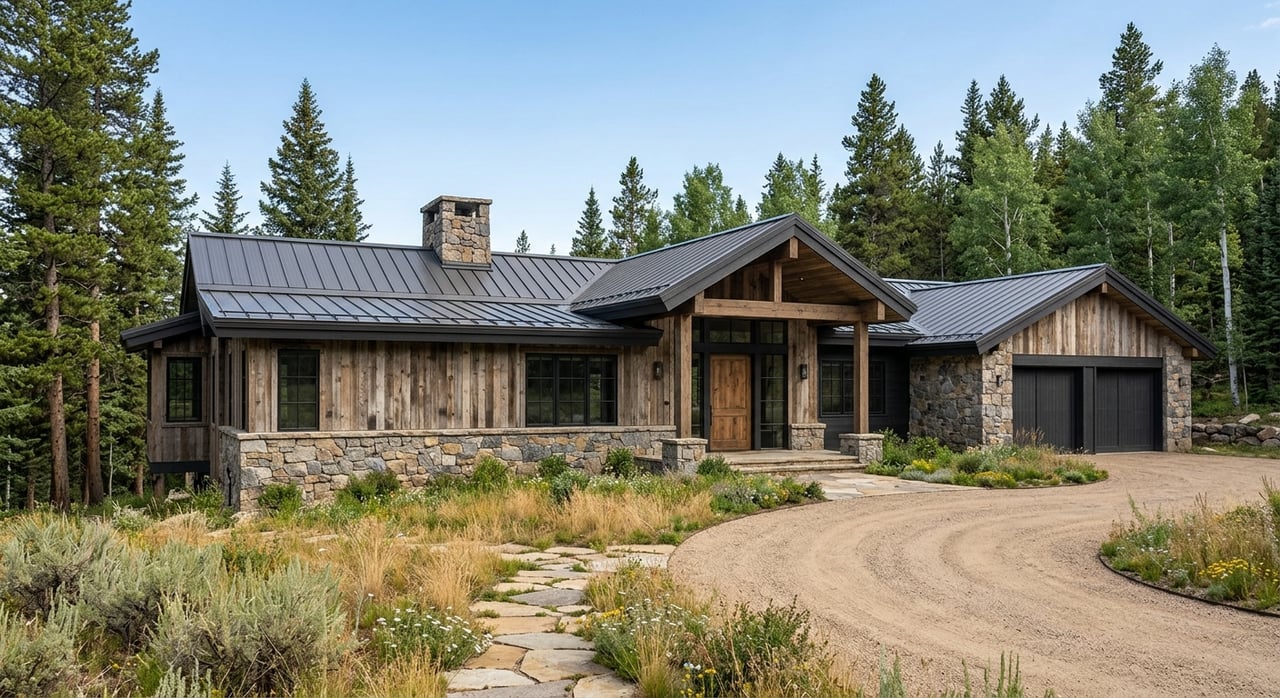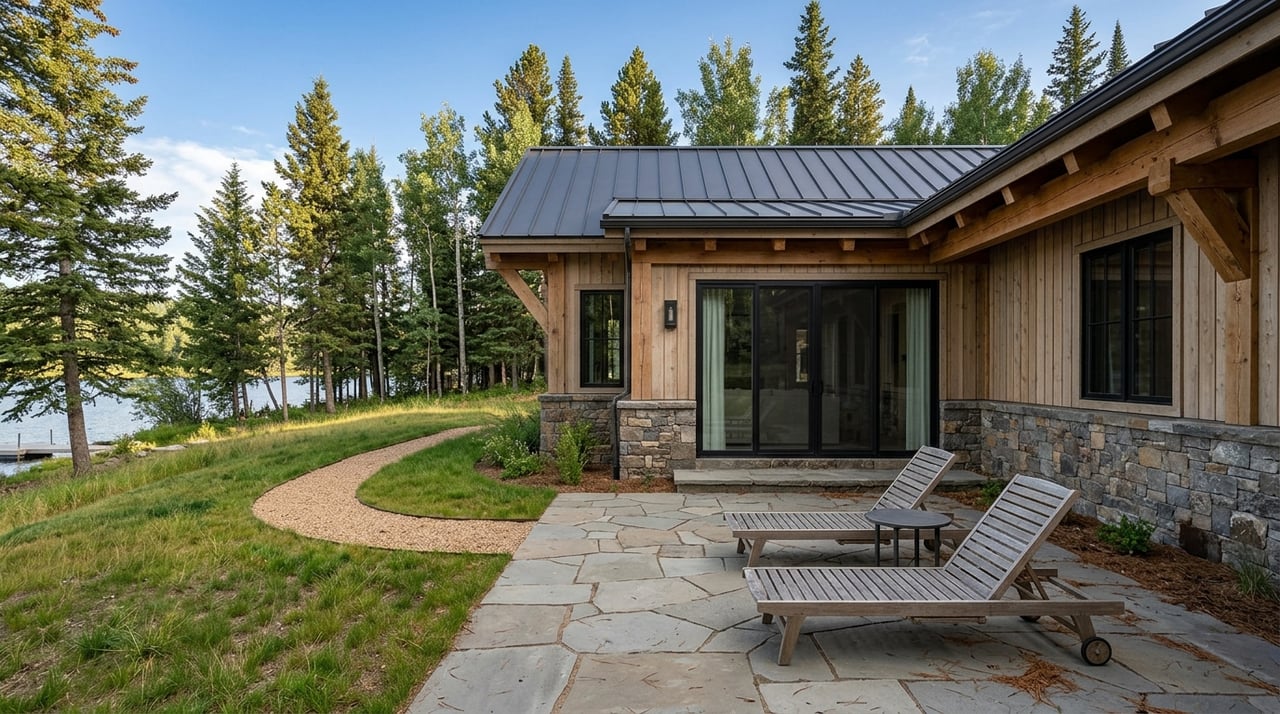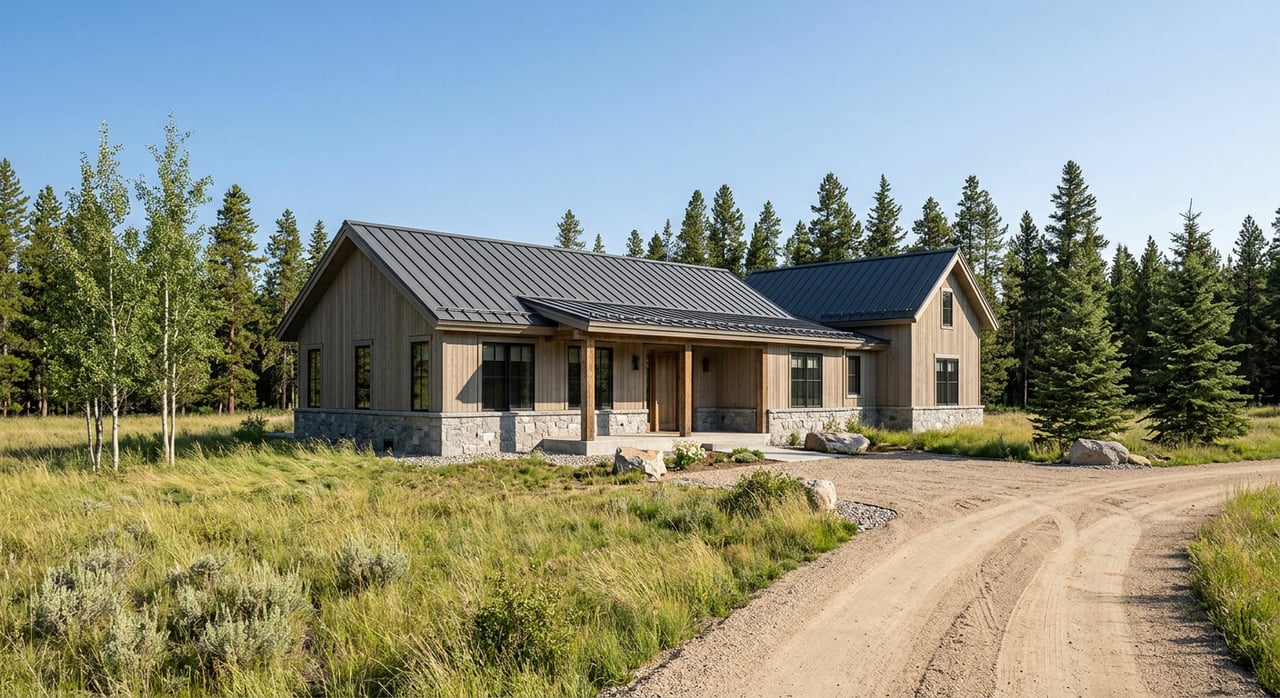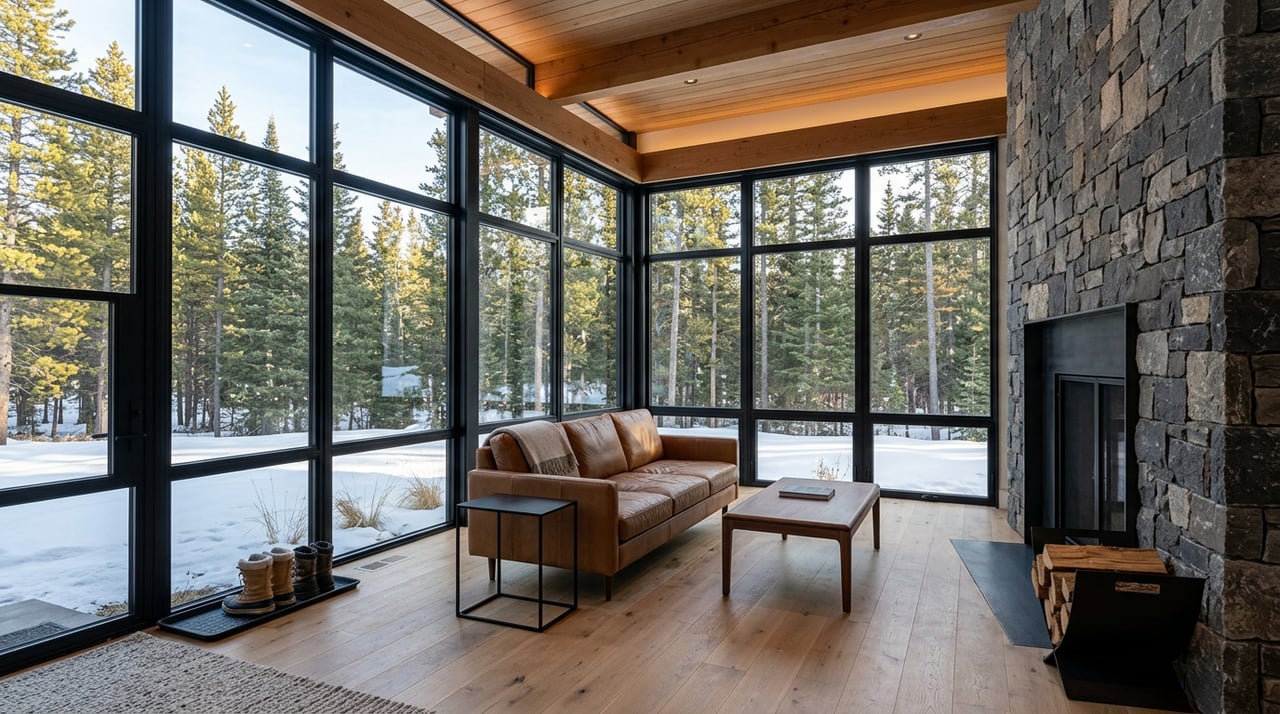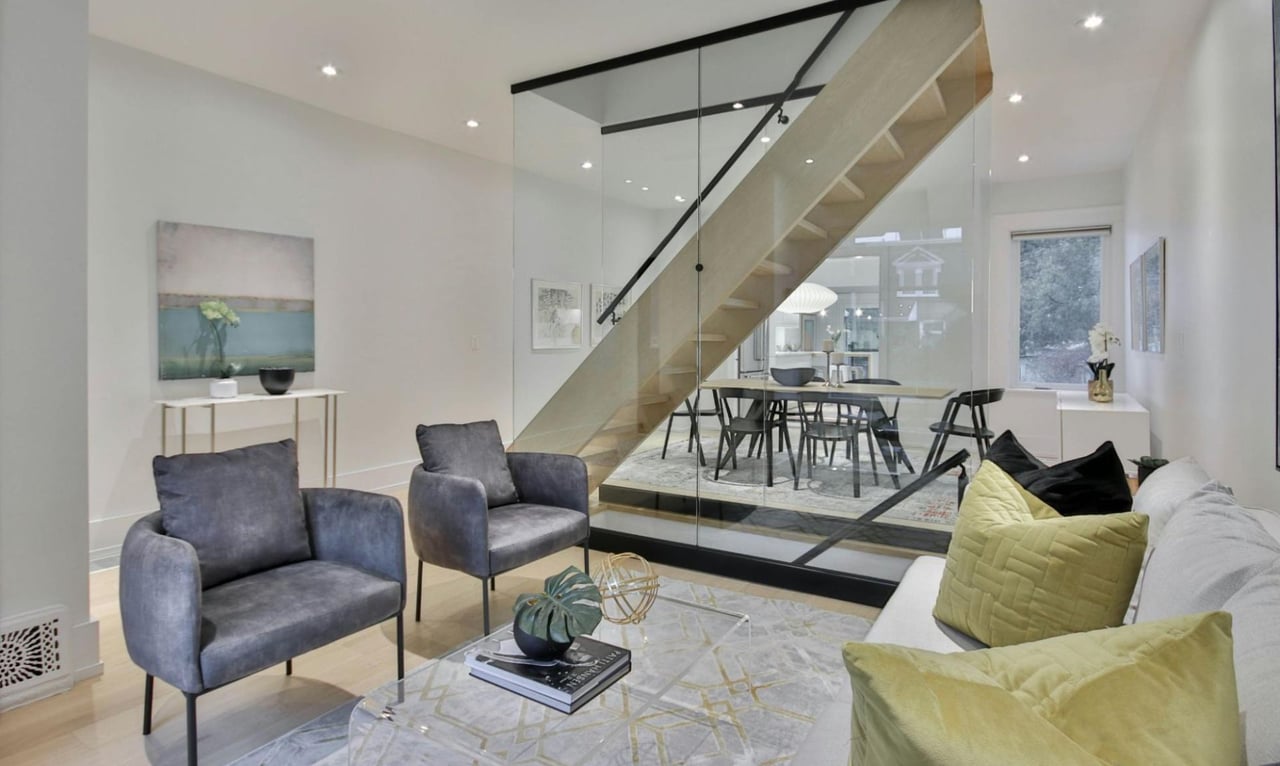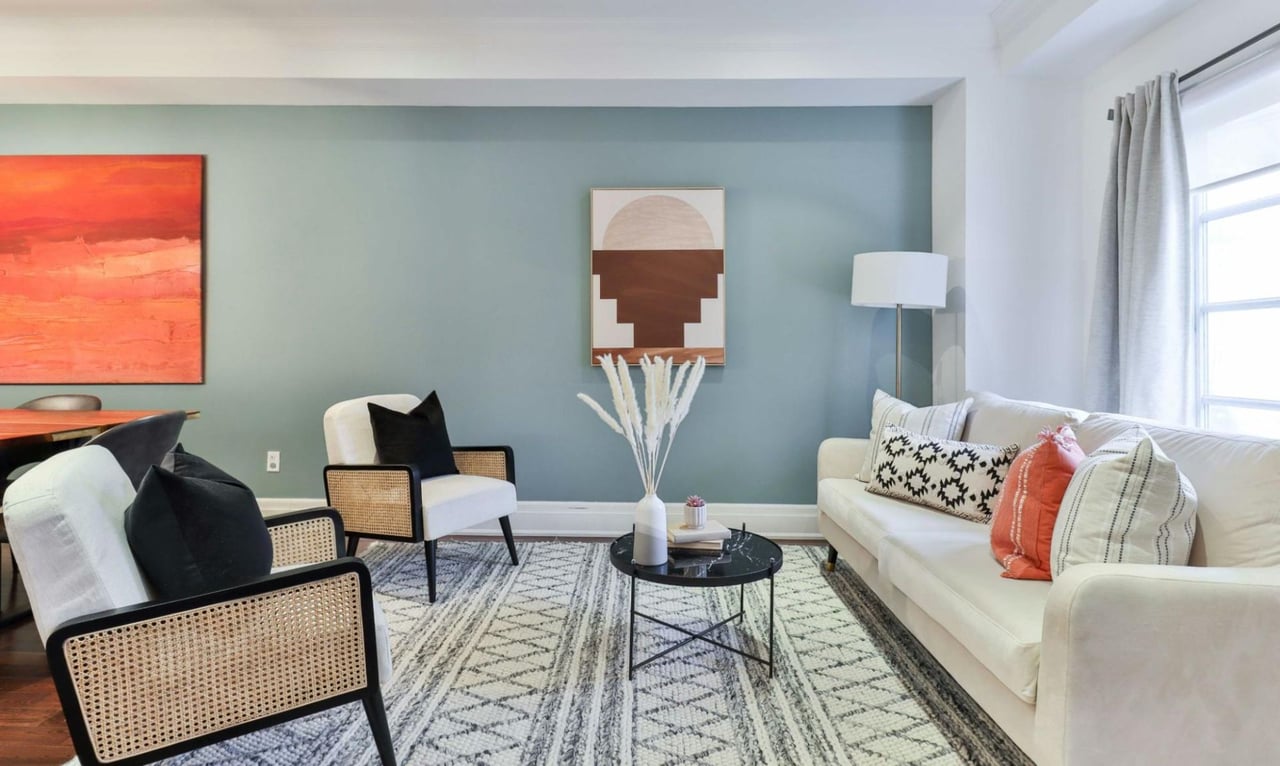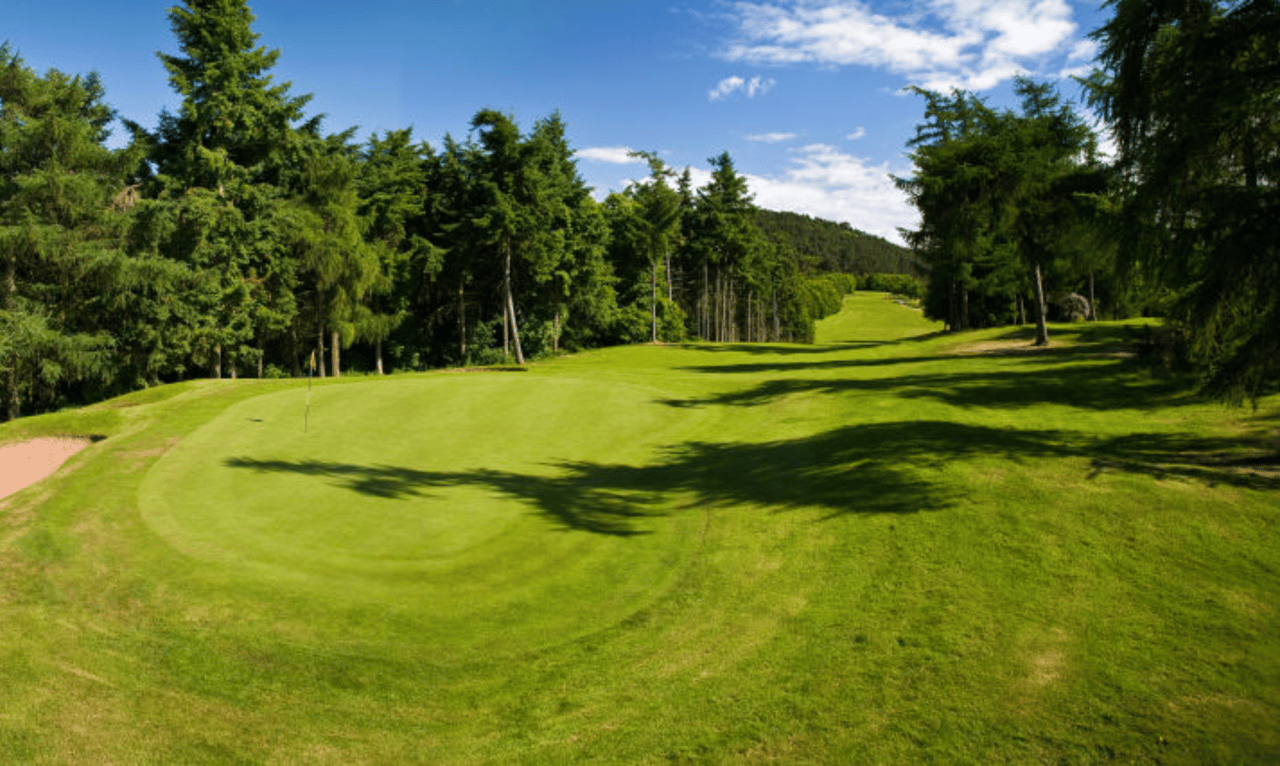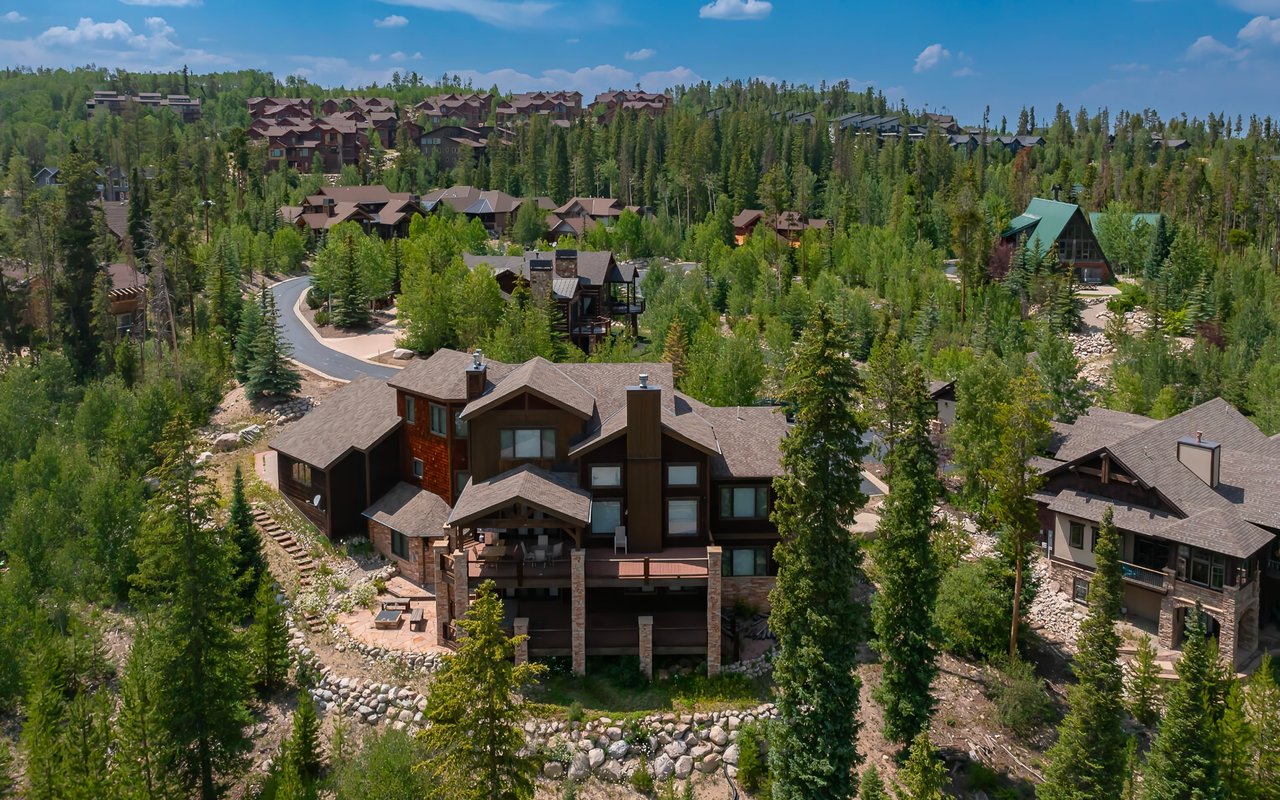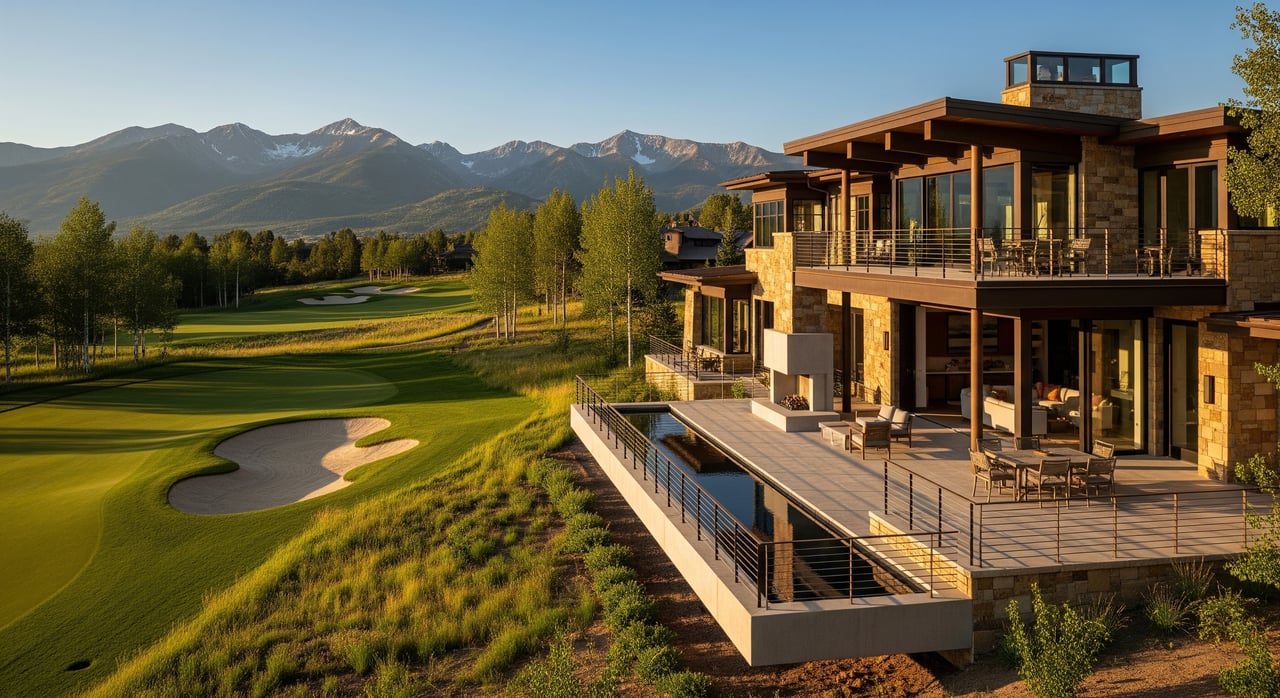
You are ready to build a legacy mountain home, but the details can feel overwhelming. From HOA design reviews to septic, wells, and winter timelines, there is a lot to coordinate in a high‑country community. This guide walks you through what to check, who to hire, and how to plan your budget and schedule for a custom build in The Fairways at Pole Creek in 80478. Let’s dive in.
Why build here
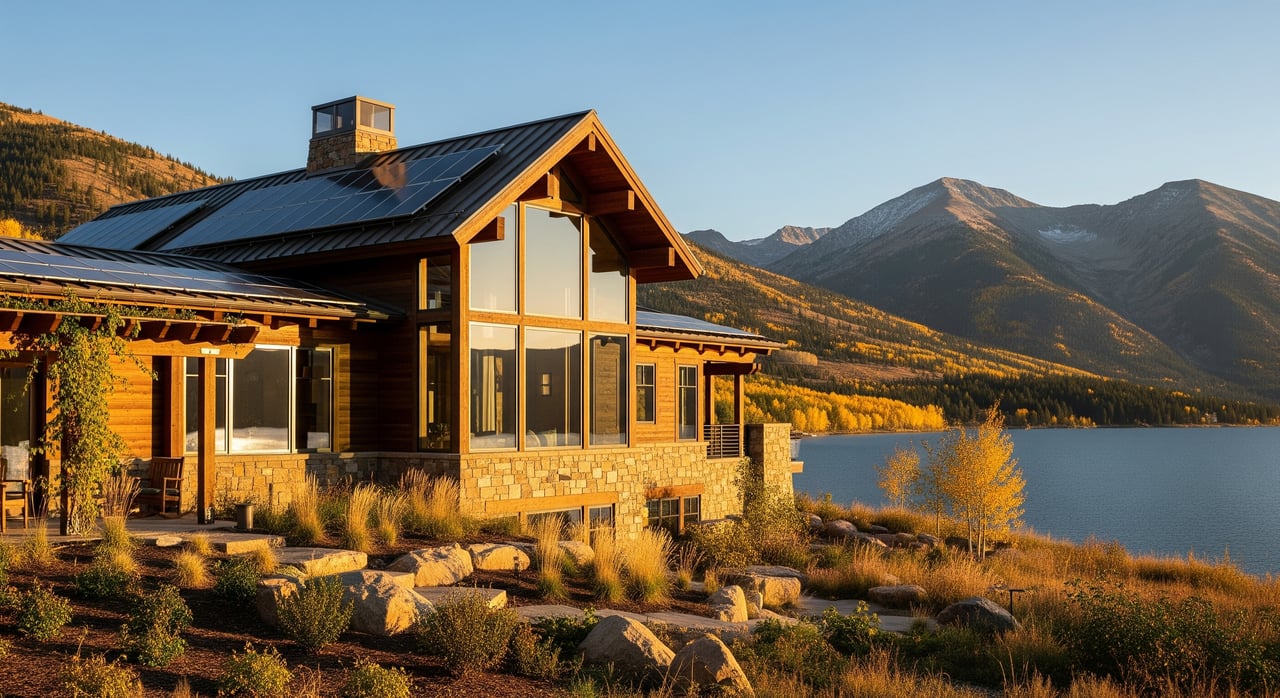
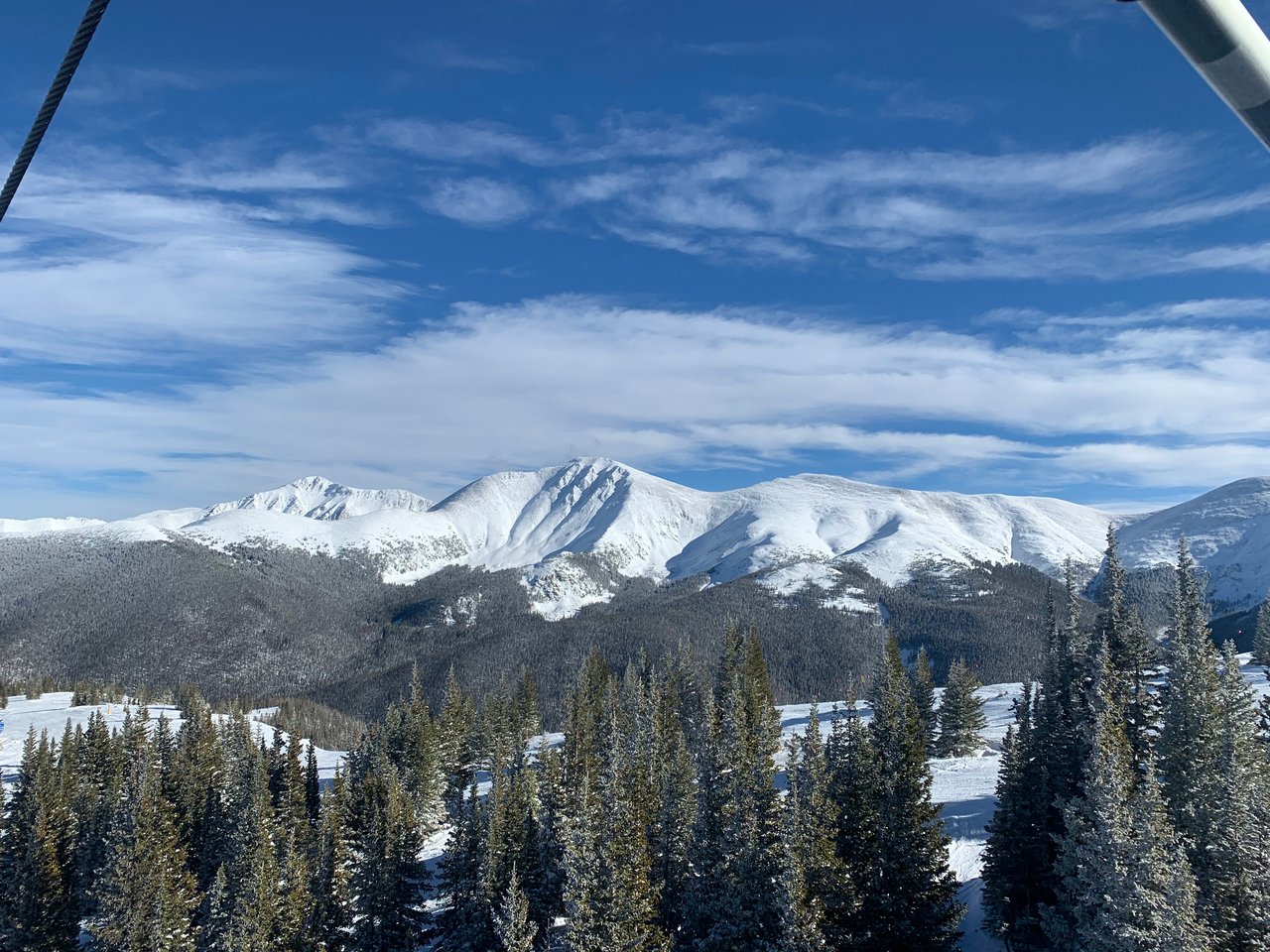
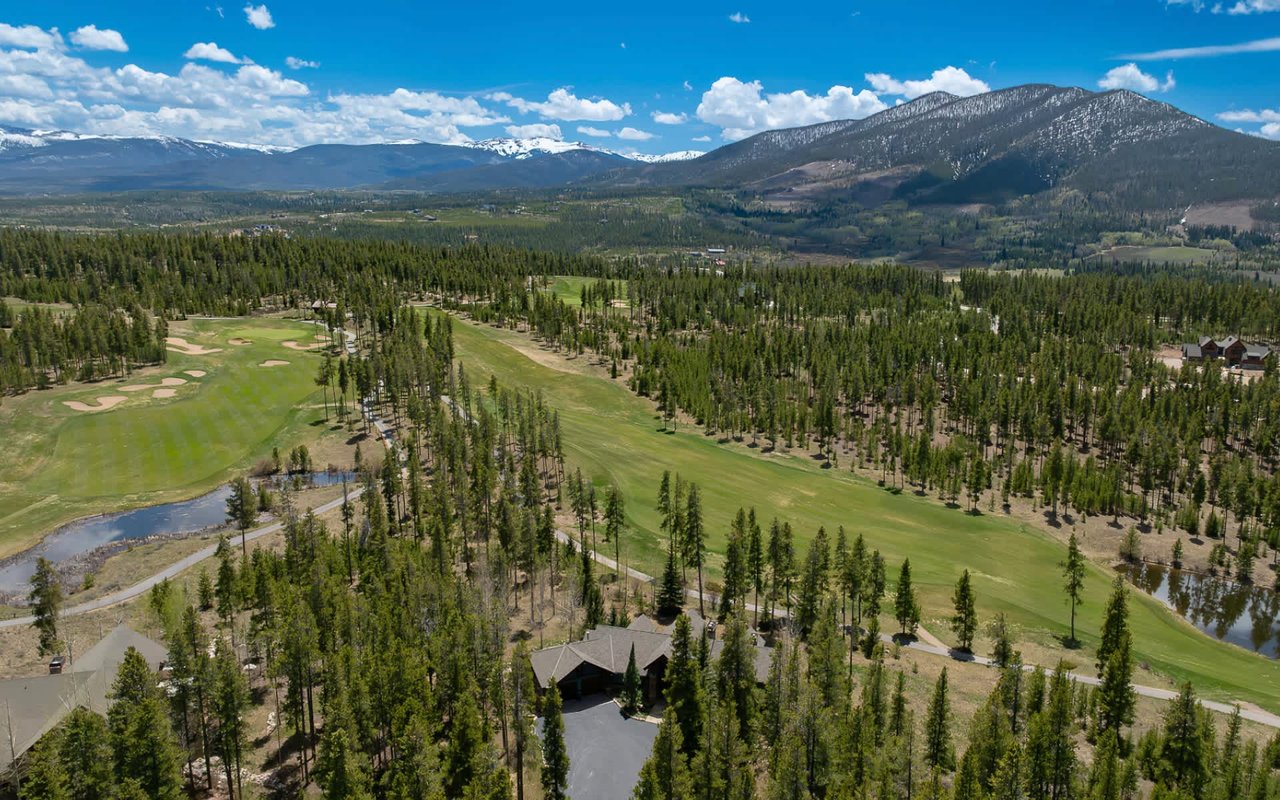
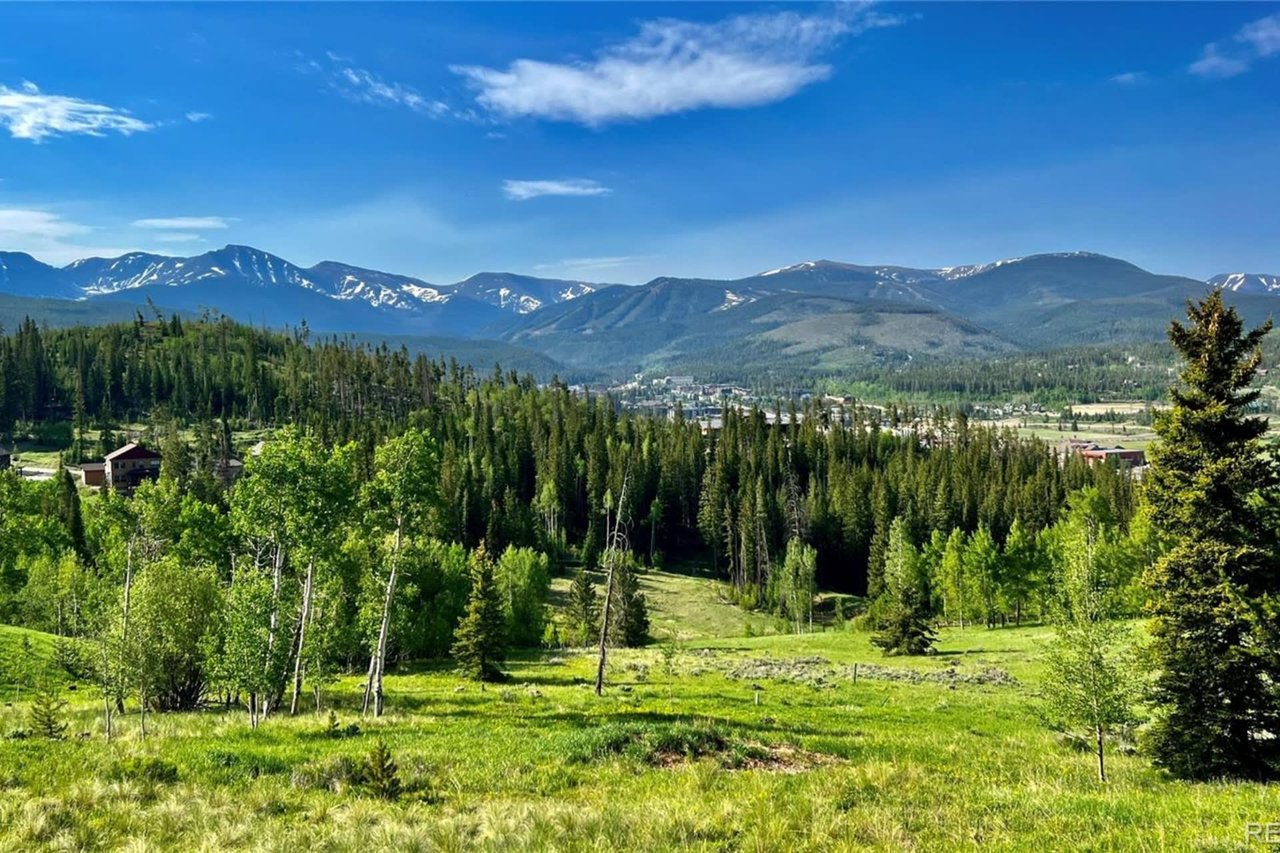
The Fairways at Pole Creek sits in the Tabernash area of Grand County, Colorado. It offers low‑density living on two‑acre lots, mountain views, and access to year‑round recreation. Building here means planning for alpine conditions, then designing a home that fits the land and the community’s guidelines.
Start with smart due diligence
Before you sketch a floor plan, confirm the rules, site conditions, and utility options. Early due diligence protects your budget and timeline.
Confirm covenants and ARC rules
Most mountain golf‑community neighborhoods use Covenants, Conditions and Restrictions and an Architectural Review Committee. You should:
- Obtain the full CC&Rs, ARC guidelines, any amendments, and submittal checklists.
- Confirm setbacks, height limits, exterior materials, roof standards, and landscape requirements.
- Ask about timelines, fees, meeting schedules, and whether pre‑application meetings are available.
- Review HOA budgets, dues, reserves, recent meeting minutes, and any pending assessments.
Study your lot and access
Two‑acre mountain parcels can vary widely. Focus on:
- Topography and building envelope, including slope, cut and fill, and retaining needs.
- Driveway length and grade, culverts, and winter plowing plans.
- Views, solar orientation, and tree cover, along with any limits on removal.
- Drainage, stormwater paths, and spring runoff behavior.
- Seasonal access and load limits for heavy equipment.
Verify utilities and serviceability
Service options differ by parcel. Confirm:
- Water source, either community water or a private well, and expected pressure.
- Wastewater, either community sewer where available or a septic system based on soils testing and county approval.
- Electric service route and whether lines are overhead or underground.
- Heating fuel choice, such as natural gas if available, propane, or all‑electric.
- Broadband options, which can range from fiber, fixed wireless, or satellite in rural areas.
Permits and codes in Grand County
Plan your permitting path early. Expect separate reviews for your site, structure, and utilities.
Building permits and site approvals
Grand County issues building permits and enforces state building codes as adopted locally. Depending on your site, you may also need:
- Grading and drainage permits for earthwork.
- Driveway and road encroachment approvals.
- Floodplain review if any portion of the parcel lies in a mapped flood zone.
- Final inspections leading to a Certificate of Occupancy.
Septic, wells, and water
Because your lot requires onsite wastewater, the Grand County Building Department will review your septic design. A geotechnical assessment and soils testing inform the system choice. The Colorado Division of Water Resources regulates well permitting. The process for both well & septic are straightforward and easy to execute.
Wildfire and defensible space
Many Grand County neighborhoods are in the wildland‑urban interface. Expect defensible‑space requirements, ignition‑resistant materials, and attention to roof, soffit, and vent detailing. Local fire protection districts and the Colorado State Forest Service provide standards and guidance.
Build the right local team
Your team is your risk‑management plan. Choose professionals who know Grand County and HOA processes.
Recommended roles
- Architect with mountain and HOA review experience.
- Civil engineer for grading, drainage, driveway, and utility design.
- Geotechnical engineer for soils and foundation recommendations.
- Structural engineer for high snow loads and spans.
- Mechanical, plumbing, and electrical design for performance and energy.
- Landscape architect versed in native planting and WUI design.
- General contractor with mountain logistics and subcontractor networks.
- Surveyor for boundary, topo, and staking the building envelope.
- Lender and legal counsel familiar with construction loans and CC&Rs.
Choose your delivery model
- Design‑bid‑build: separate design and construction with competitive bids. It can offer price tension but often takes longer.
- Design‑build: a single entity handles design and construction for speed and cost control.
- Design‑assist or CM at‑risk: a hybrid where the builder helps during design to refine budget and constructability.
Timeline and seasonality
High‑country schedules depend on weather, access, and reviews. Plan for ranges, not exact dates.
Typical milestones
- Lot due diligence, title, and HOA review: 2 to 6 weeks.
- Survey and topo: 2 to 6 weeks.
- Geotechnical investigation: 2 to 4 weeks after access is ready.
- Schematic design and preliminary budget: 4 to 12 weeks.
- Construction documents: 8 to 20 weeks, longer for complex homes.
- ARC review and approval: 2 to 8 weeks depending on meeting cadence.
- County permitting: 2 to 12 weeks, plus septic and well reviews where needed.
- Site work and utilities: 2 to 12 weeks, often seasonal.
- Foundation and framing: 6 to 16 weeks.
- MEP rough‑ins and exterior enclosure: 6 to 12 weeks.
- Interiors, commissioning, landscaping, and punch list: 8 to 24 weeks.
From groundbreaking to move‑in, a luxury custom mountain home often takes 9 to 18 months. From lot purchase through approvals and construction, plan for 12 to 30 months depending on scope and conditions.
Budget and financing basics
A clear budget starts with the site. Mountain conditions drive foundation, access, and utility costs.
Big cost drivers
- Complex site work, including slope management, rock excavation, and retaining walls.
- Foundation depth and type based on soils and frost.
- Structural systems for high snow loads and roof design.
- Utility extensions, including electric, well, septic, and propane tank installation if needed.
- Custom finishes, large window packages, and specialty mechanical systems such as radiant heat or heat recovery ventilation.
- Outdoor living spaces, stonework, and native landscaping.
- Seasonal access, staging, and logistics for a remote jobsite.
- Labor premiums in a tight mountain market and insured contractor capacity.
Soft costs and contingencies
Budget for design, engineering, ARC and permit fees, survey and geotech, project management, legal and title, and lender costs. For custom mountain builds, many professionals advise a contingency above standard norms. A 10 to 20 percent contingency helps absorb subsurface surprises or weather delays.
Loan and insurance planning
Construction loans often convert to a permanent mortgage at completion. Lenders typically require an approved builder, a detailed budget and schedule, and an appraisal based on completed value. During construction, secure builder’s risk coverage. Once complete, review homeowner insurance with wildfire exposures in mind. Confirm your contractor’s liability and workers’ compensation before work begins.
Step‑by‑step plan for 80478
Use this sequence to stay on track and reduce change orders.
- Put the lot under contract with the right contingencies
- Include time for HOA document review, survey, geotechnical work, and utility verification.
- Order a preliminary title commitment to identify easements and restrictions.
- Collect and review HOA documents
- CC&Rs, ARC guidelines, bylaws, amendments, current dues, reserve info, and recent meeting minutes.
- Confirm any short‑term rental limits if that is part of your plan.
- Complete surveys and soils
- Boundary and topographic survey to define the building envelope and driveway approaches.
- Geotechnical report to inform foundation and drainage design.
- Verify water, wastewater, and power
- Confirm community water or well permitting path.
- Start septic feasibility and design if needed.
- Coordinate with electric service for transformer placement and service routes.
- Assemble your design‑build team
- Engage an architect and builder early to align design with budget and constructability.
- Add civil, structural, MEP, and landscape professionals as the design advances.
- Pre‑application with the ARC
- Share concept plans, materials, and site placement to reduce rework later.
- Clarify submittal requirements and review timing.
- Finalize plans and submit for approvals
- Prepare full construction documents for ARC and county permitting.
- Start early procurement for long‑lead items such as windows and specialty mechanicals.
- Prepare the site and mobilize
- Schedule driveway, grading, erosion controls, and utility stub‑ins.
- Plan around winter conditions and seasonal road limits.
- Build and inspect
- Sequence foundation, framing, MEP rough‑ins, enclosure, and interiors.
- Complete required inspections and secure the Certificate of Occupancy.
- Close out and move in
- Complete punch list, commissioning, and landscaping.
- Transition to long‑term maintenance, including snow removal and seasonal checks.
Common pitfalls to avoid
- Starting design before verifying CC&Rs and the building envelope.
- Underestimating site work, drainage, and driveway costs on a sloped parcel.
- Delaying geotechnical studies, which can cause foundation redesigns.
- Ignoring seasonal access limits and winter premiums in the schedule.
- Overlooking utility extension costs or telecom availability.
- Skipping early ARC conversations that would prevent redesigns.
Next steps and local support
If you are ready to walk lots, discuss budgets, or map out a realistic timeline, connect with a local team that understands Grand County codes, HOA expectations, and mountain logistics. Thoughtful sequencing and the right professionals will turn a complex process into a smooth build and a home that fits your land and lifestyle.
For a guided start, market insights, and access to available lots, reach out to Sanderson Real Estate. We live and work here, and we are ready to help you plan your custom home in The Fairways at Pole Creek.
FAQs
What makes building in The Fairways at Pole Creek unique?
- Two‑acre lots, HOA design review, and alpine conditions require early due diligence on covenants, site work, utilities, wildfire mitigation, and winter schedules.
How long does a custom build in 80478 take?
- Plan for 9 to 18 months from groundbreaking, plus time for design, ARC review, and county permitting, which can bring the full process to 12 to 30 months.
Do homesites here use septic or community sewer?
- It depends on the parcel and infrastructure, but many rural mountain lots use onsite wastewater systems that require soils testing and county health approval.
What permits will I need in Grand County?
- Expect building, grading and driveway approvals, plus septic and well permits where applicable, and floodplain review if the parcel is in a mapped zone.
How should I plan for wildfire mitigation on my homesite?
- Follow defensible‑space guidance, select ignition‑resistant materials, and detail roofs, soffits, and vents to reduce ember risks per local standards.
What are the largest budget drivers for a mountain custom home?
- Site work, foundations, snow‑load structure, utility extensions, high‑end finishes, specialty mechanical systems, and seasonal logistics drive costs most.
When is the best season to start construction in Grand County?
- Spring or early summer is common to maximize the building season before winter, though site access and utility coordination can affect your start date.
Can I rent my completed home as a short‑term rental?
- Check CC&Rs and county rules, since some communities restrict or prohibit short‑term rentals; confirm before you finalize financing or design.