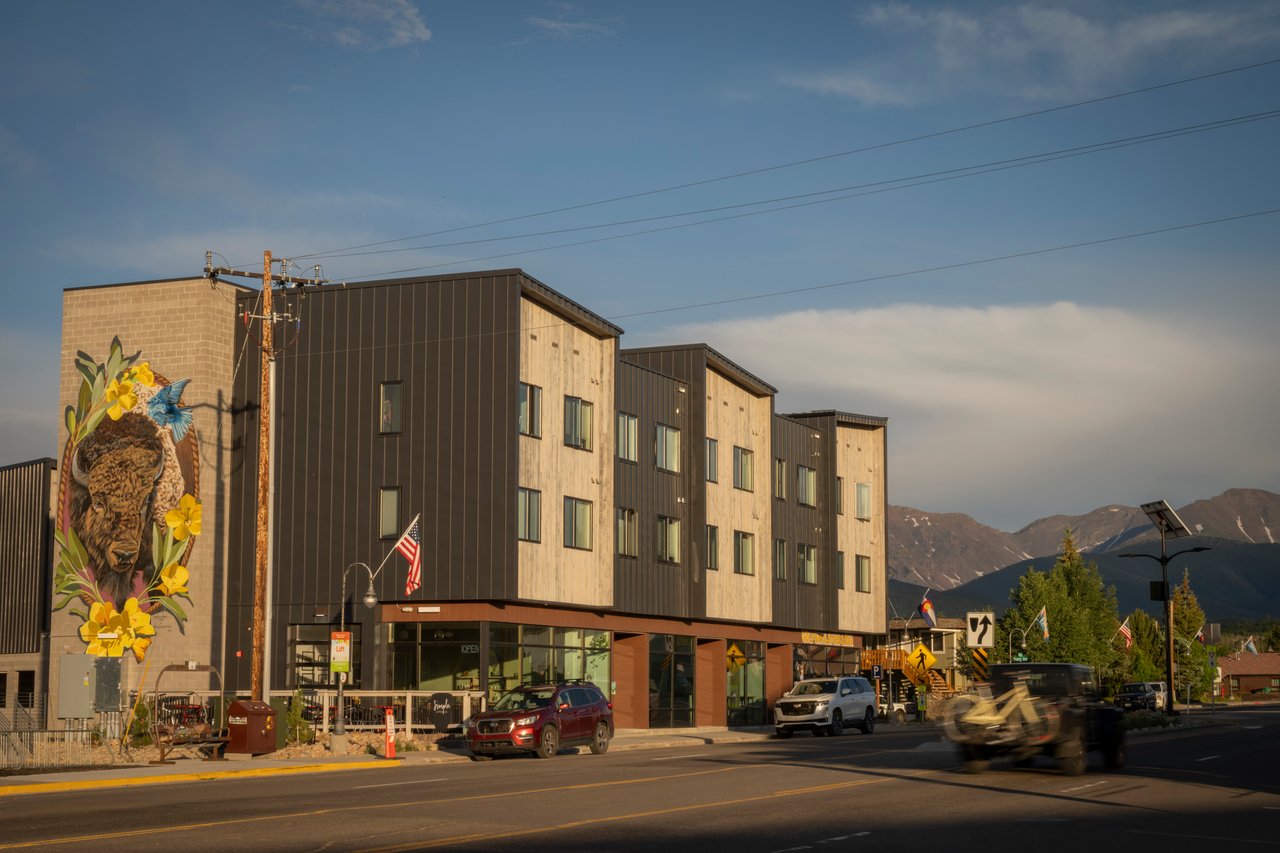
For as long as most people can remember, an evening in Hot Sulphur Springs had one shape: drive in, soak, drive out. The town's own count puts the population at 687, and the main drag along Byers Avenue has never pretended to be a destination for anyone who isn't already headed for the mineral pools. A Sky-Hi News reporter who spent a day wandering the town, in a piece published this past February, described it as a place with closed storefronts and a main street that reads more like a suggestion than a commercial district, the kind of town that refuses to perform for tourist dollars and instead keeps its own quiet honesty intact.
That description still holds. What doesn't hold anymore is the assumption that the springs are the only reason to stay past sunset.
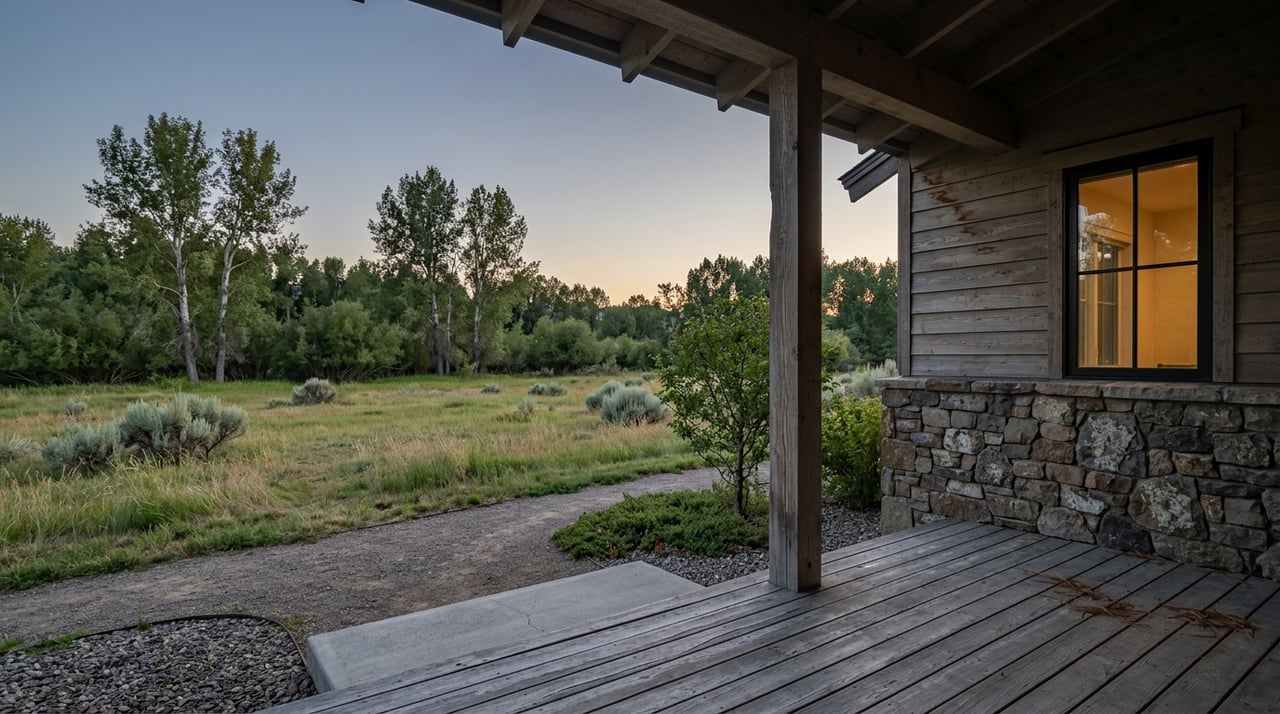
In April 2026, the Town of Hot Sulphur Springs closed on 112 acres of land directly adjacent to town, using a $3 million grant from Grand County's Open Lands, Rivers and Trails fund. The parcel belonged to the Varra family and includes hay fields, a cottonwood and willow riparian corridor, sagebrush meadows, and roughly a third of a mile of Colorado River frontage, along with water rights tied to an old irrigation ditch. Part of it is now designated for low-impact, non-motorized public recreation. That is a meaningful change for a town this small, and it's one that hasn't fully registered yet in how people talk about spending an evening here.
The soak still comes first, but it isn't the whole night anymore
Hot Sulphur Springs Resort & Spa remains the reason most people find their way to town in the first place. The resort's nineteen pools, fed by seven natural springs, run from the mid-90s up to 112 degrees, and the water arrives untreated and mineral-heavy rather than chemically balanced like a municipal pool. Pools open around 8 in the morning and stay open into the evening, with the front desk generally closing around 9:45 or 10 depending on the season, so a resident who gets off work at 5 still has hours of daylight and dusk left to soak before last call.
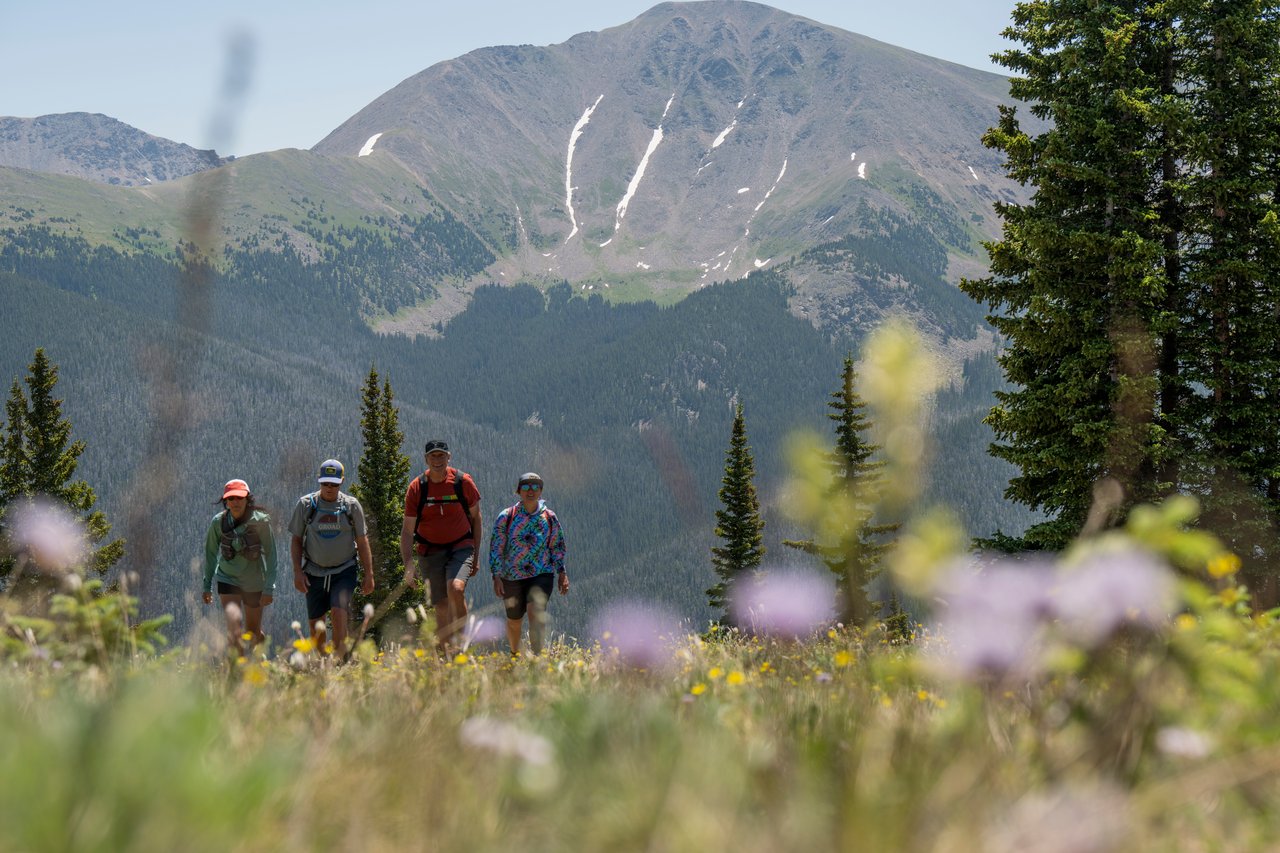
What used to happen after that soak was simple: you got back in the car. Now there's a third of a mile of river frontage a five-minute drive from the pools that belongs to the town outright, with no reservation, no day-use fee, and no seasonal closure tied to a business's hours. The land is still raw. There's no paved trailhead or interpretive signage yet, and the town has been clear that development will stay minimal and geared toward preserving the wildlife migration corridor that runs through it. But for a resident who wants to stretch their legs along the Colorado River after a soak, that stretch of ground is now theirs to use, not someone else's private ranch they're driving past.
Dinner still runs on its own clock, and that's the point
If the evening continues past the river, it usually continues at the Dean Public House, tucked inside the Stagecoach Country Inn on West Nevada Street. The building itself dates to 1873, when Captain Thomas J. Dean built a two-room log cabin and opened the town's first saloon. It later became a stagecoach stop, then a string of motel rooms added by an early auto enthusiast named Alice Davis, then a Mexican restaurant with a dance floor, then a themed bed and breakfast with rooms named after Elvis and cowboys. The Harvey family bought it in 2016 and opened the current restaurant a year later.
The Dean runs on a tapas-style menu that rotates weekly and seats guests communal-style at long farmhouse tables, which means a solo diner or a couple often ends up sharing a table with two other parties and leaving as acquaintances. It's open Thursday through Saturday evenings, not every night of the week, which is worth building an evening around rather than assuming you can walk in on a Tuesday. That limited schedule isn't a flaw. In a town this size, a restaurant that ran seven nights a week would either burn out its kitchen or water down the menu. Running four nights, with a menu that changes weekly, is how a two-person kitchen crew keeps the food interesting for people who might eat there twice a month for years.
Fire restrictions changed what "evening by the river" means this year
Anyone planning a riverside evening this summer should know that Stage 1 fire restrictions took effect on July 11, 2026, across Routt National Forest, covering Grand County along with Routt, Moffat, Rio Blanco, Garfield, and Jackson counties. Stage 1 restrictions typically mean open campfires and fire rings sit unused for the rest of the fire season, even on cool evenings when the instinct to build one is strongest. That shift matters more this year than in a typical summer, because it's the first fire season since the town added a large stretch of river frontage that residents might otherwise have treated as an obvious spot for an evening fire. The workaround most locals default to is a portable propane setup, which generally stays permitted under Stage 1 rules, but anyone unsure should check current guidance before lighting anything near the new open space or along Byers Canyon.
The canyon itself remains one of the best places in town to spend a slow hour regardless of fire rules. Anglers still line the banks in waders through the evening, and the Colorado River carves through Byers Canyon in a way that looks different depending on the season, ice-lined in winter and running fast and clear by midsummer.
The museum is doing more work than it gets credit for
Pioneer Village Museum sits inside what was originally the Hot Sulphur Springs Schoolhouse, built in 1924, and has operated as a museum since 1974. Old railroad cars sit outside the building, a reminder of a rail line that was supposed to make Hot Sulphur Springs a major stop before the Moffat Tunnel rerouted traffic elsewhere in 1928. Inside, the exhibits connect cowboy history to the river and Native history to the bluffs above town, which is a more direct line than most small-town museums manage. It's an easy add-on to an evening that starts at the springs and ends at the Dean, especially since the Chamber of Commerce office shares the building and keeps summer hours of 10 to 4, seven days a week.
What this actually changes
None of this turns Hot Sulphur Springs into a different kind of town. It's still a place where the storefronts stay quiet and the Dean's kitchen only lights up three nights a week. But the addition of 112 acres of town-owned river frontage is a real structural change to what a resident can do without leaving the five-minute radius around Byers Avenue, and it happened recently enough that most conversations about "what there is to do here" haven't caught up to it yet.
The old version of an evening in Hot Sulphur Springs ended at the parking lot of the resort. The version available now runs from the pools to the river to a communal table at the Dean, on foot, without a single reservation required until you sit down for tapas. That's a small town getting slightly less small, on its own terms, without adding a single new building to do it.
If you're weighing what a home near this stretch of Grand County actually offers day to day, or you're curious how a piece of land like the Varra parcel affects long-term value in the surrounding area, John Sanderson can walk you through what's changing on the ground and what it means for buyers who want to be close to it. Receive exclusive listings and lot pricing before they're widely marketed.