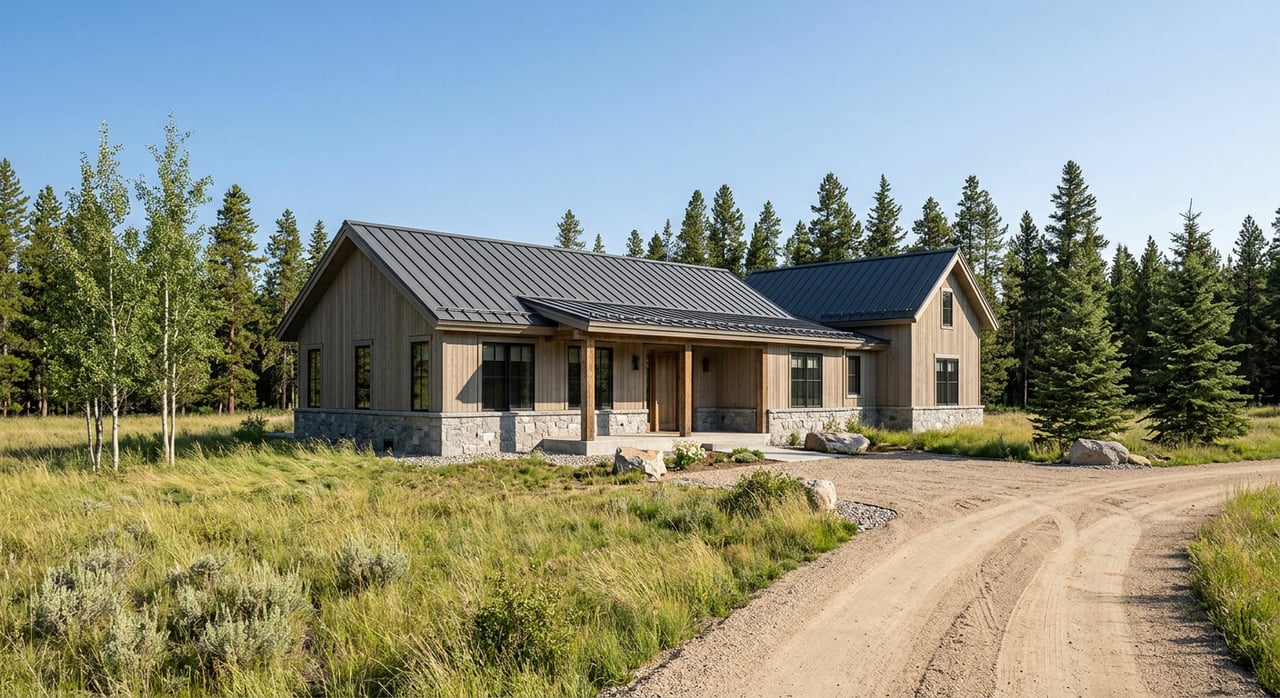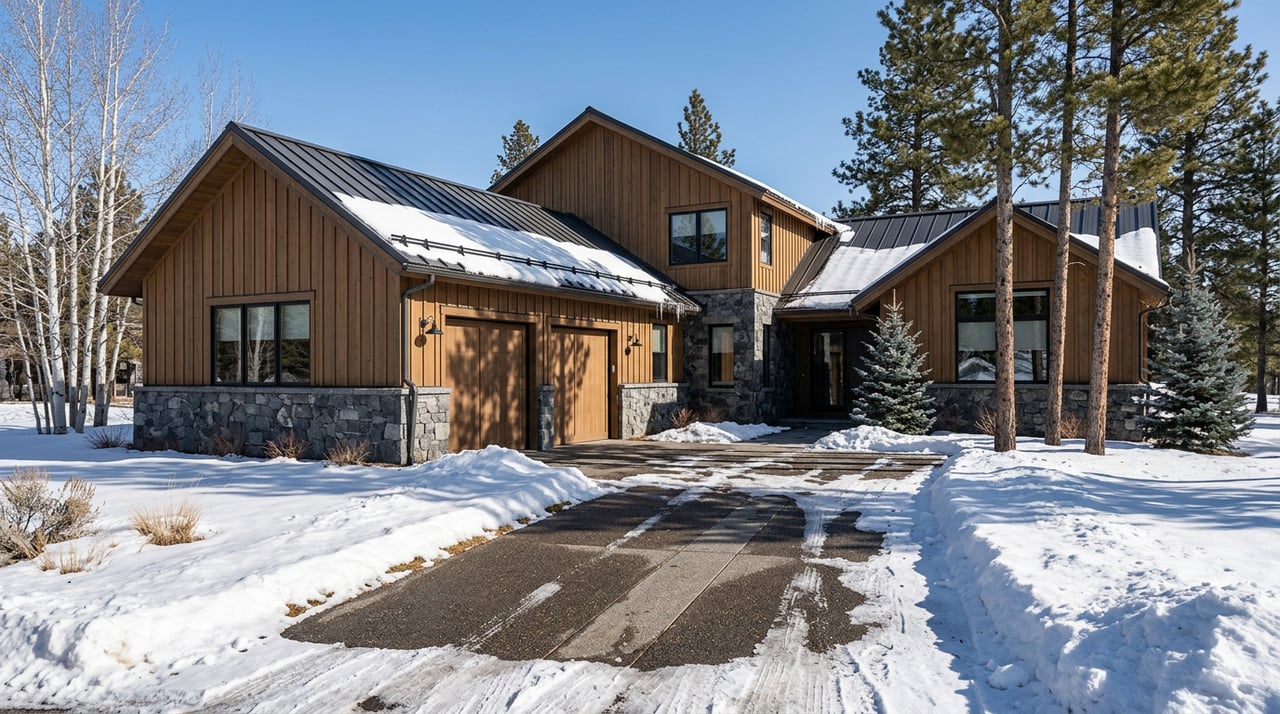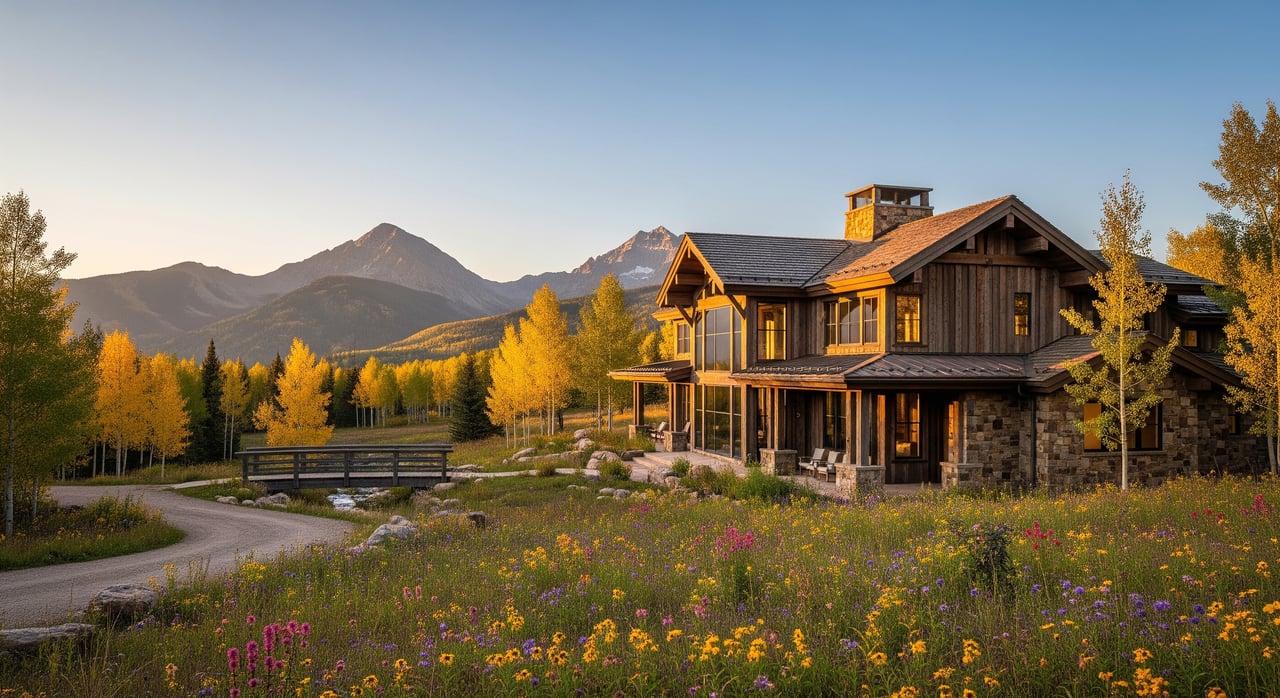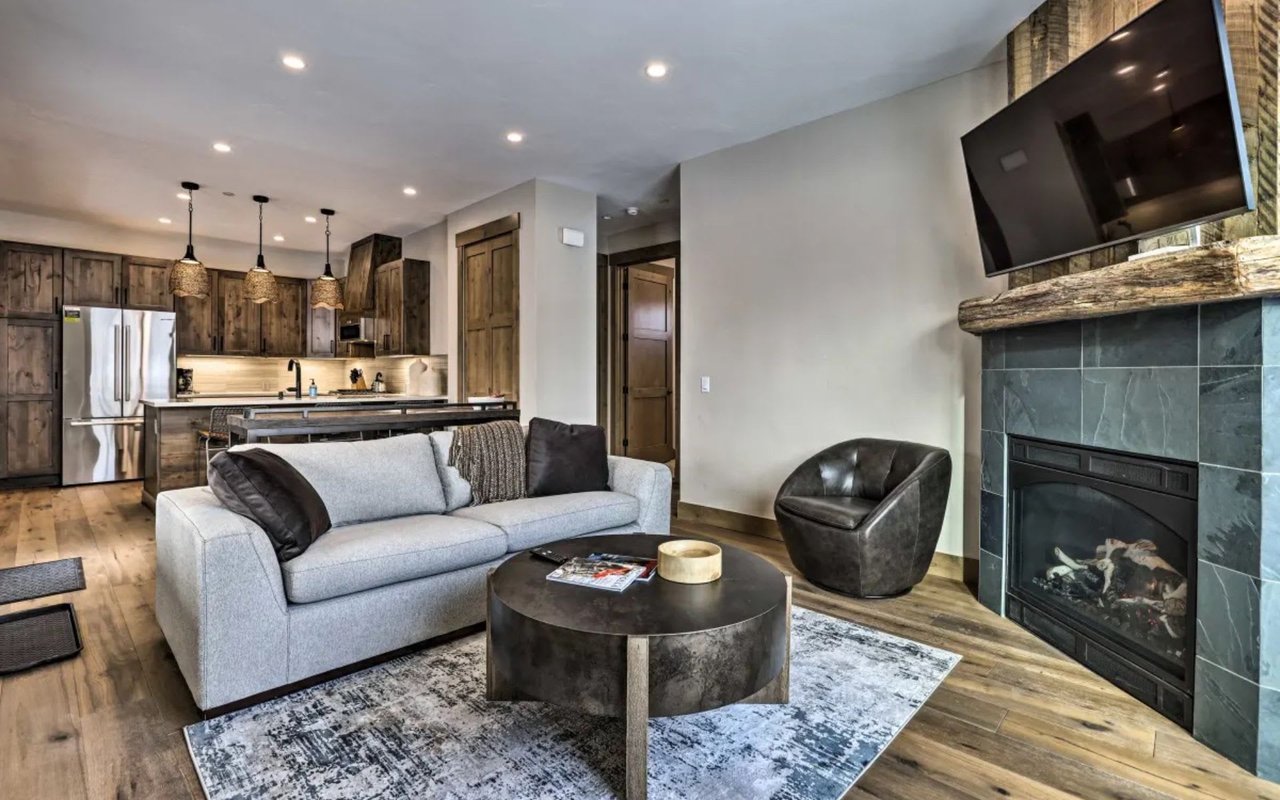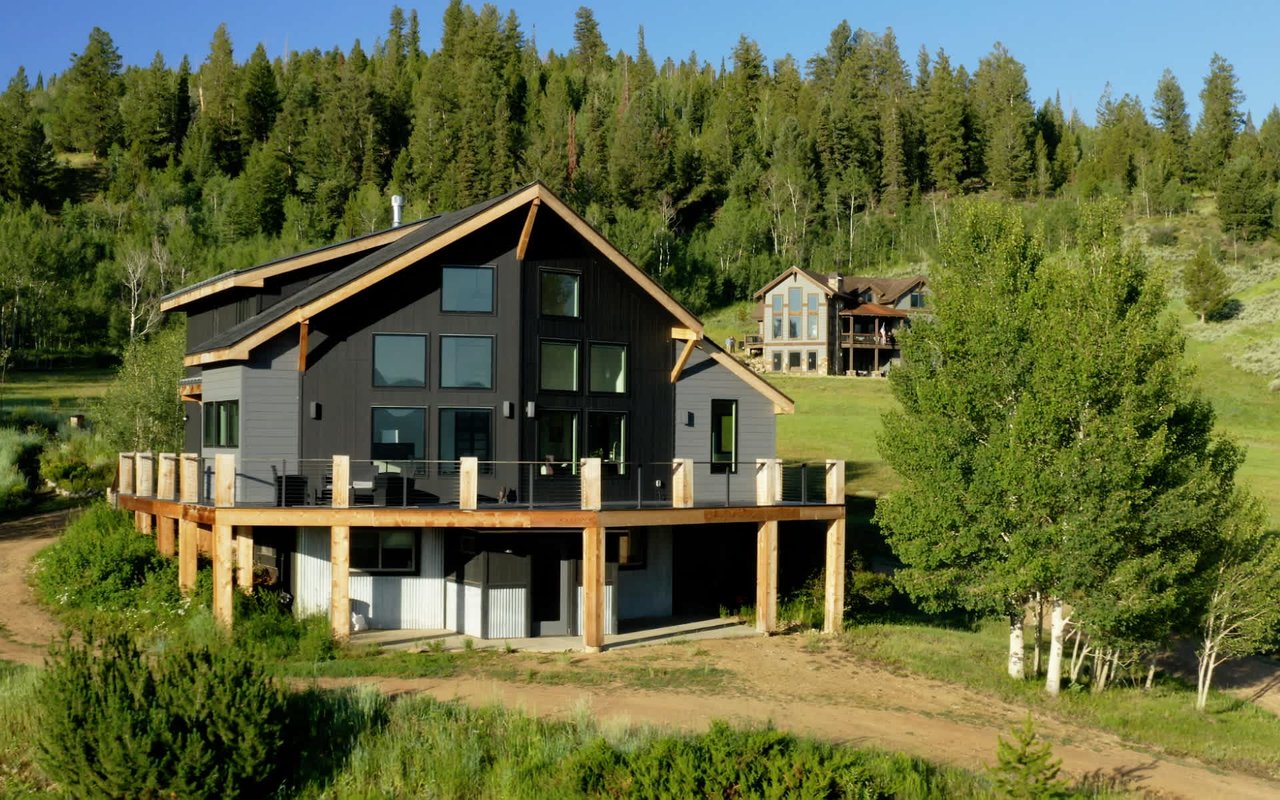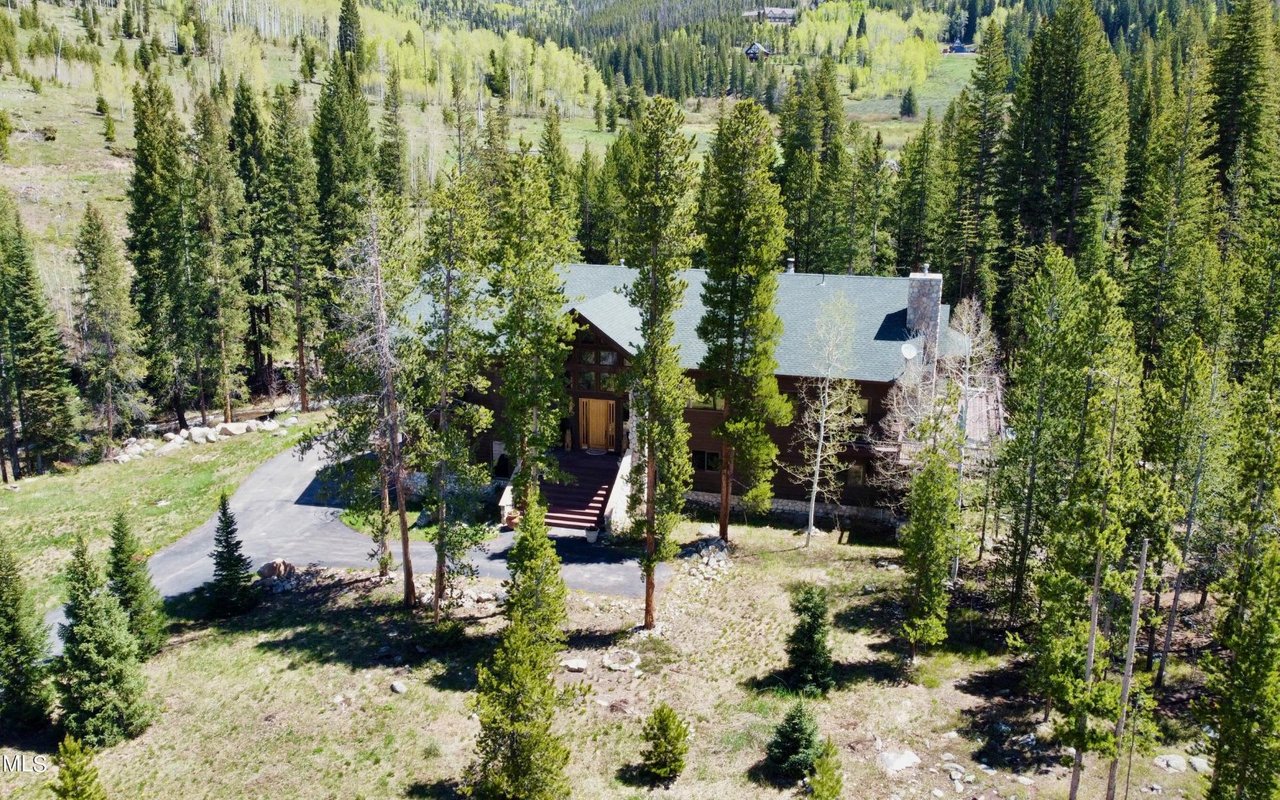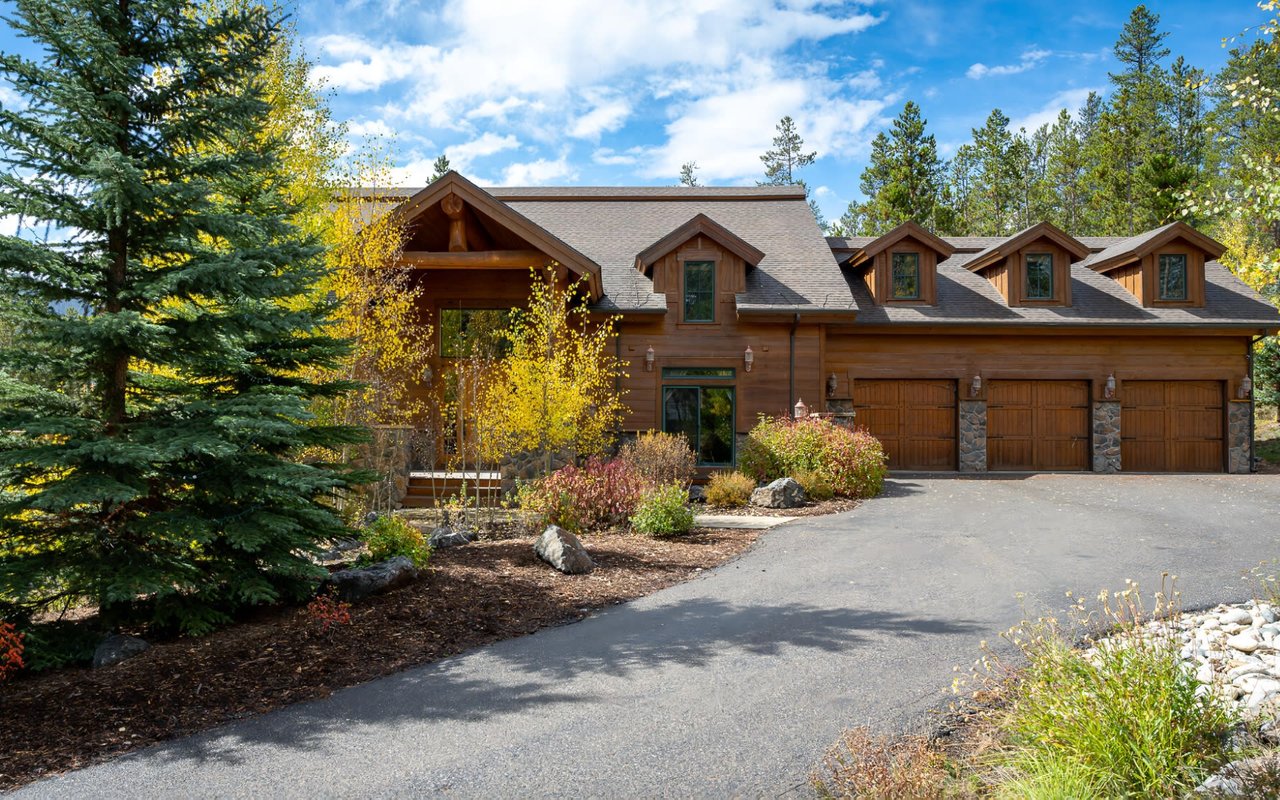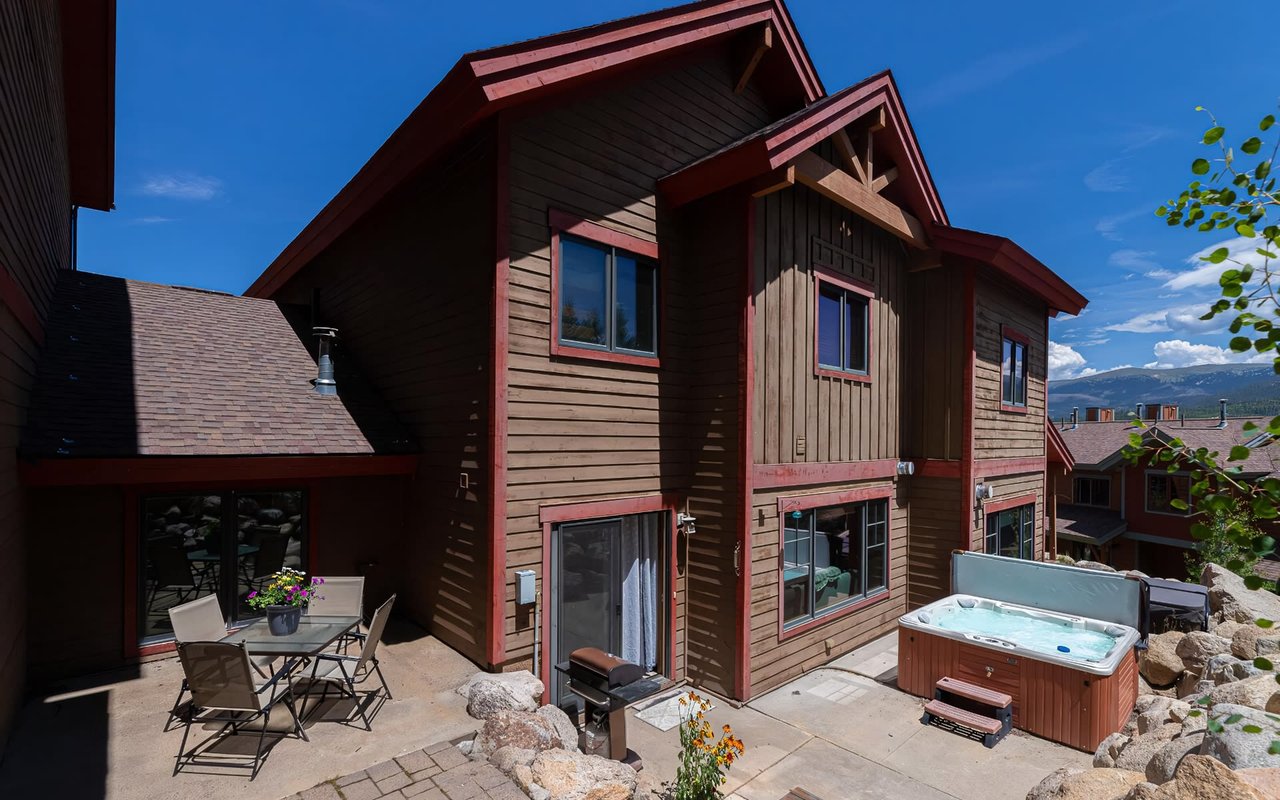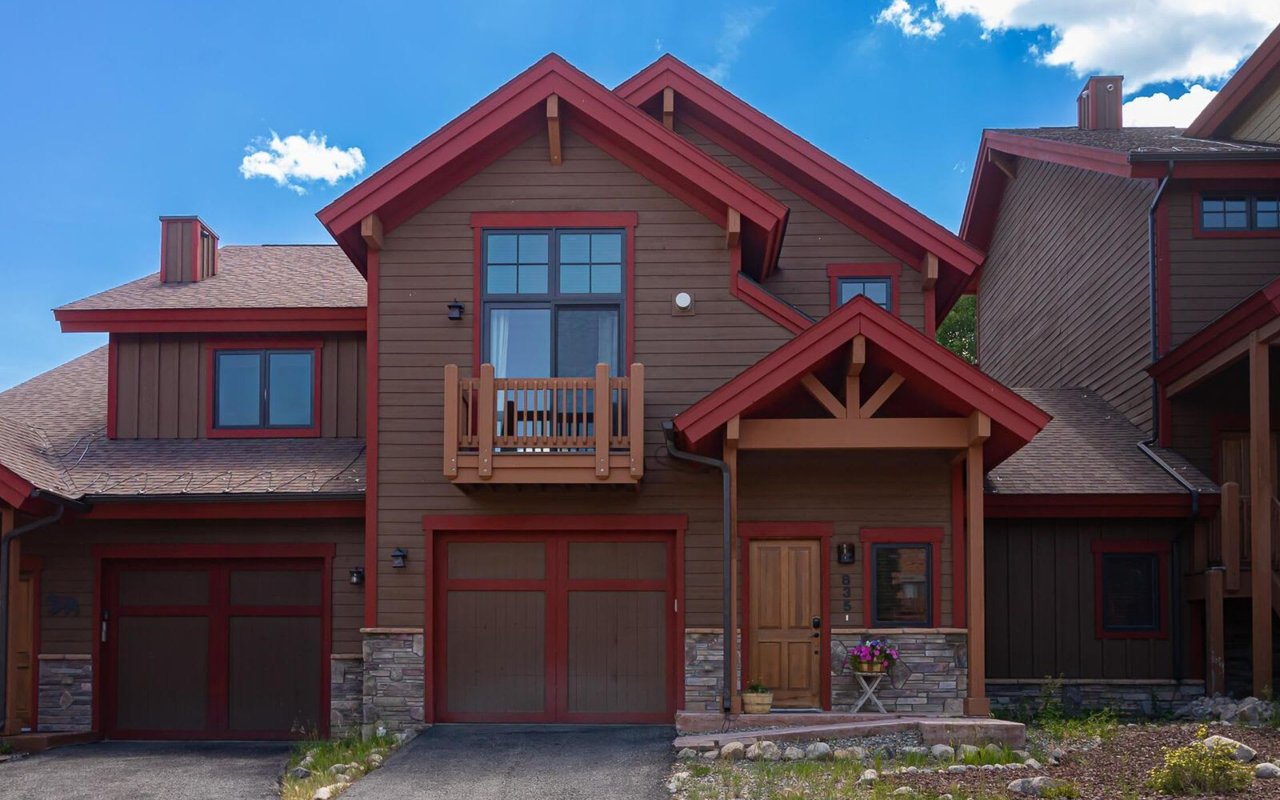
Find a home for sale in Silversage and almost everything about the listing tells you it's in Granby.
The mailing address says Granby. The ZIP code is 80446. Granby Ranch is just up the road.
But legally, there's an important distinction hiding behind that address:
Silversage isn't actually inside the Town of Granby.
Neither are Legacy Park, Innsbruck or Val-Moritz.
The Town of Granby specifically identifies those subdivisions on its short-term rental page because they're located in unincorporated Grand County. That means a buyer planning to operate a short-term rental there doesn't follow Granby's STR fee structure at all.
And the financial difference can be substantial.
As of 2026, the Town of Granby charges an annual short-term rental fee of $728 per bedroom. Unincorporated Grand County charges $100 per maximum advertised occupant.
For a three-bedroom property, that jurisdictional line could mean the difference between an annual permit fee of $2,184 inside town and potentially $800 under the county's occupancy formula for a septic-served home designed for that capacity.
Same Granby mailing address.
Very different math.
A Granby Mailing Address Is Not a Town Boundary
This is one of those Grand County details that makes perfect sense once you've lived here long enough and almost no sense when you're shopping from somewhere else.
"Granby" can describe several different things.
It can mean the actual incorporated Town of Granby. It can describe the broader Granby area. And it can simply be the city associated with a property's mailing address.
Those aren't necessarily the same thing.
That's particularly important around neighborhoods such as Silversage, Legacy Park, Innsbruck and Val-Moritz. The Town of Granby itself directs owners of properties in these areas to Grand County's short-term rental program rather than its own.
For a buyer, this means you should never determine STR regulations from the city shown on a listing.
You need the parcel.
The Difference Can Be Thousands of Dollars a Year
Here's where that boundary starts affecting an investment calculation.
The Town of Granby's current STR program charges a one-time $100 application fee and an annual regulatory fee of $728 per bedroom.
Unincorporated Grand County takes a completely different approach.
The county charges $100 per maximum advertised occupant, up to a maximum occupancy of 16.
For properties using an onsite wastewater treatment system, or septic system, occupancy is further limited by the capacity of that system.
That creates very different numbers.
Bedrooms | Town of Granby Annual Fee | Example County Fee* | Difference |
|---|---|---|---|
2 | $1,456 | $600 | $856 |
3 | $2,184 | $800 | $1,384 |
4 | $2,912 | $1,000 | $1,912 |
5 | $3,640 | $1,200 | $2,440 |
6 | $4,368 | $1,400 | $2,968 |
*County examples assume a septic-served property's allowable/advertised occupancy follows the commonly applicable bedroom-based design-capacity calculation reflected in current county guidance. Actual permitted occupancy must be verified for the individual property.
The larger the house gets, the more significant the difference can become.
And that's before calculating cleaning, management, utilities, insurance, HOA dues, taxes or any of the other expenses buyers normally think about when evaluating a vacation rental.
In other words, the line on the map can affect your investment before your first guest ever arrives.
There's Another Number That Matters Outside Town: Septic Capacity
This is where the conversation gets even more property-specific.
Grand County limits every STR to no more than 16 occupants. But properties using an onsite wastewater treatment system can have a lower limit based on the septic system.
That's important because buyers naturally look at bedrooms when estimating rental capacity.
A listing might have a loft. Maybe there's a bunk room downstairs. Perhaps the basement was finished years after the house was built.
You see sleeping space for ten.
The septic permit may tell a different story.
If you're buying an unincorporated Grand County property with plans to rent it, don't just ask how many people the house sleeps. Ask how many people the property is legally allowed to accommodate.
Those are different questions.
And in an STR underwriting model, the second one is considerably more important.
Don't Assume Bigger Means Better Rental Economics
This jurisdictional difference becomes especially interesting with larger homes.
Inside the Town of Granby, every additional bedroom adds another $728 to the annual STR regulatory fee.
Outside town, Grand County's fee increases according to advertised occupancy instead.
That means two similar homes carrying Granby addresses can have meaningfully different annual STR expenses simply because one parcel falls inside town limits and the other doesn't.
Does that automatically make the unincorporated property the better investment?
No.
And that's an important distinction.
STR permit fees are only one piece of the ownership equation. An unincorporated property may have a well and septic system to maintain. Road maintenance can differ. HOA rules may impose their own rental restrictions. Insurance costs vary. And location, amenities and proximity to Granby Ranch can matter far more to actual rental revenue than saving $1,000 or $2,000 a year on a permit.
The point isn't to shop outside Granby to avoid the town fee.
The point is to know which set of numbers you're using before you decide whether a property works.
This Is Why We Check the Parcel Before We Run the Rental Numbers
Imagine comparing two three-bedroom homes.
Both appear when you search "Granby homes for sale."
Both have 80446 mailing addresses.
Both are within an easy drive of Granby Ranch.
One sits inside Town of Granby limits. The other sits in unincorporated Grand County.
If you're building a spreadsheet from the listing descriptions alone, they look like they're governed by the same rules.
They're not.
Before evaluating a Granby-area property for short-term rental use, we'd want answers to at least these questions:
- Is the parcel actually inside the Town of Granby?
- Which jurisdiction issues its STR permit?
- What is the property's legally recognized bedroom count?
- If it has septic, what occupancy does the system support?
- Does the HOA allow short-term rentals?
- What occupancy can actually be advertised?
- What fire and life-safety requirements apply?
- What will the current annual permit cost be?
- Are there other restrictions that affect how the property can be marketed or operated?
Only then does it make sense to start estimating rental revenue.
How Do You Know If a Property Is Actually in the Town of Granby?
Don't use the mailing address.
The Town of Granby provides a zoning map specifically so property owners can determine whether a parcel falls within town limits. The Town also specifically warns STR applicants that properties in Silversage, Legacy Park, Innsbruck and Val-Moritz are not within the Town of Granby.
If a property falls outside that boundary, buyers should then review Grand County's current STR regulations.
And because regulations and fees can change, this is something worth checking again during due diligence rather than relying on what was true when a property last sold.
FAQ: Granby Short-Term Rental Rules
Does a Granby, Colorado address mean the property is inside town limits?
No. Properties can have a Granby mailing address and 80446 ZIP code while actually being located in unincorporated Grand County. Silversage, Legacy Park, Innsbruck and Val-Moritz are examples specifically identified by the Town of Granby.
How much is a short-term rental permit in the Town of Granby?
As of 2026, the Town of Granby lists a one-time $100 application fee and an annual permit fee of $728 per bedroom.
How much does Grand County charge for an STR permit?
For properties in unincorporated Grand County, the current permit fee is $100 per maximum advertised occupant. Grand County caps STR occupancy at 16 people, with additional occupancy limitations applying to properties served by onsite wastewater treatment systems.
Can an HOA prohibit short-term rentals even if the county or town allows them?
Potentially, yes. Government eligibility and private HOA restrictions are separate pieces of due diligence. Buyers should review the current governing documents for the specific property rather than assuming an STR permit guarantees the right to rent.
Should I rely on a listing that says a property is STR eligible?
Treat it as a starting point, not the end of your research. Verify the jurisdiction, applicable regulations, HOA documents, occupancy limits and current permitting requirements for the individual parcel before making an investment decision.
The Granby Address Isn't the Answer. The Parcel Is.
This is a tiny geographic distinction with a potentially four-figure annual consequence.
And it's exactly why buying Grand County property from a spreadsheet can be misleading.
The MLS can tell you the address, bedrooms, square footage and asking price.
It can't always tell you that crossing an invisible municipal boundary changes the rules governing what you plan to do with the house.
For buyers comparing Granby-area properties as second homes or potential short-term rentals, that's the kind of detail worth figuring out before an offer—not after closing.
At RE/MAX Peak to Peak, we help buyers understand the property behind the listing: jurisdiction, neighborhood, ownership considerations and the local details that can change what a home actually costs to own.
Because in Grand County, sometimes the most important part of an address is the line you can't see.