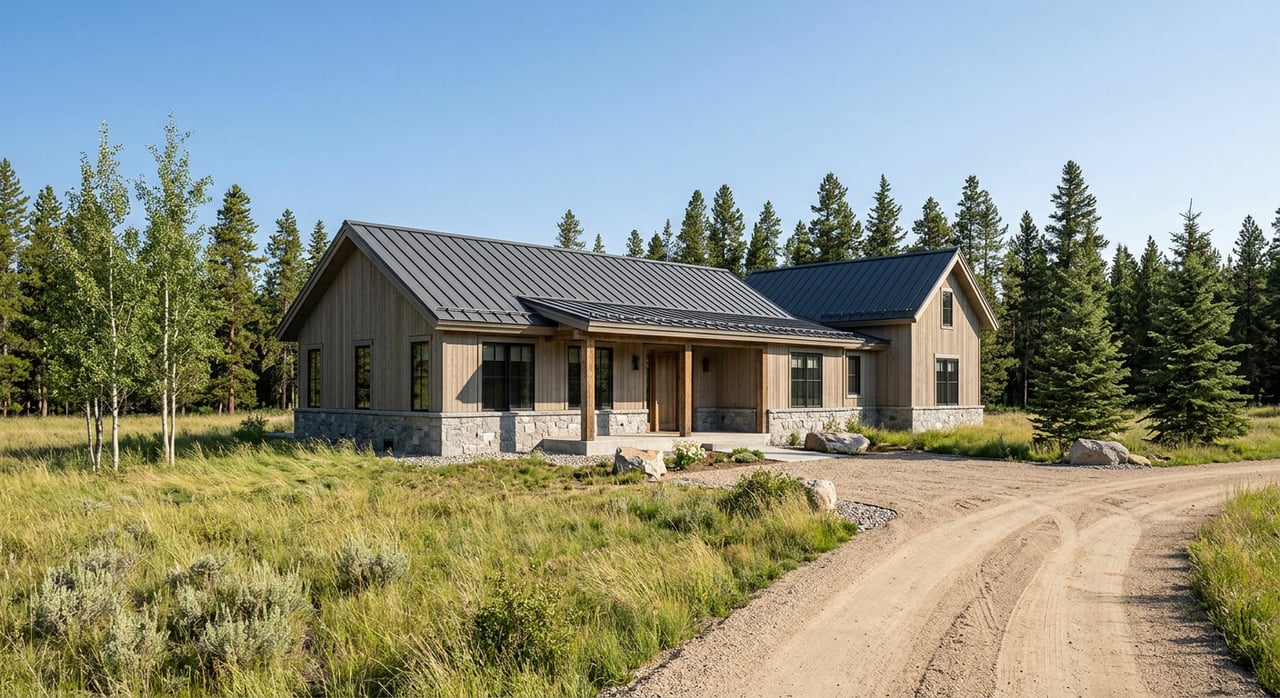
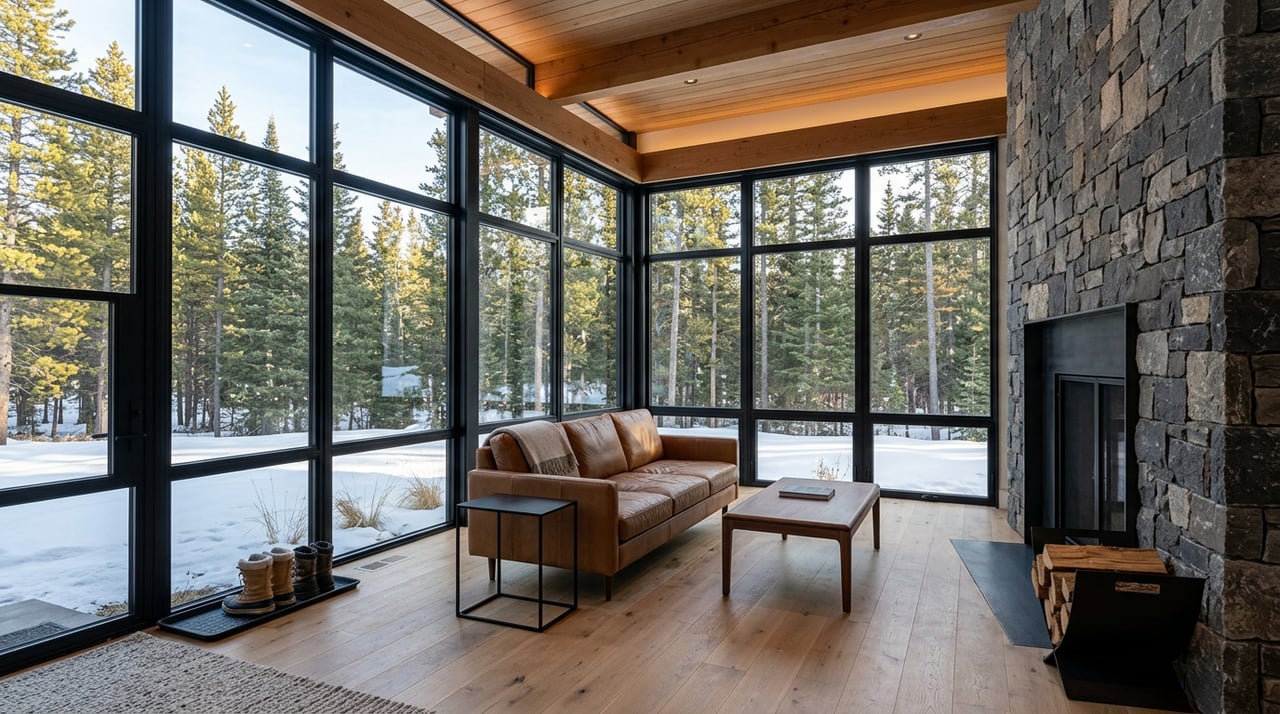
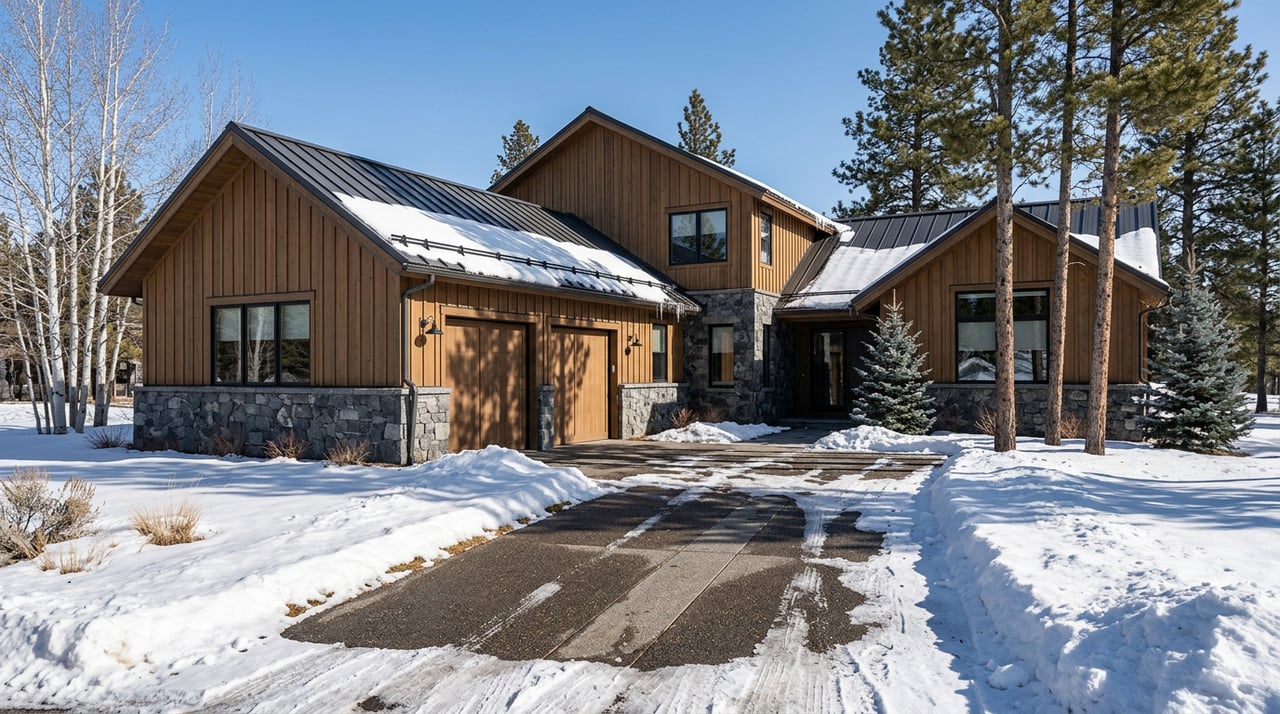
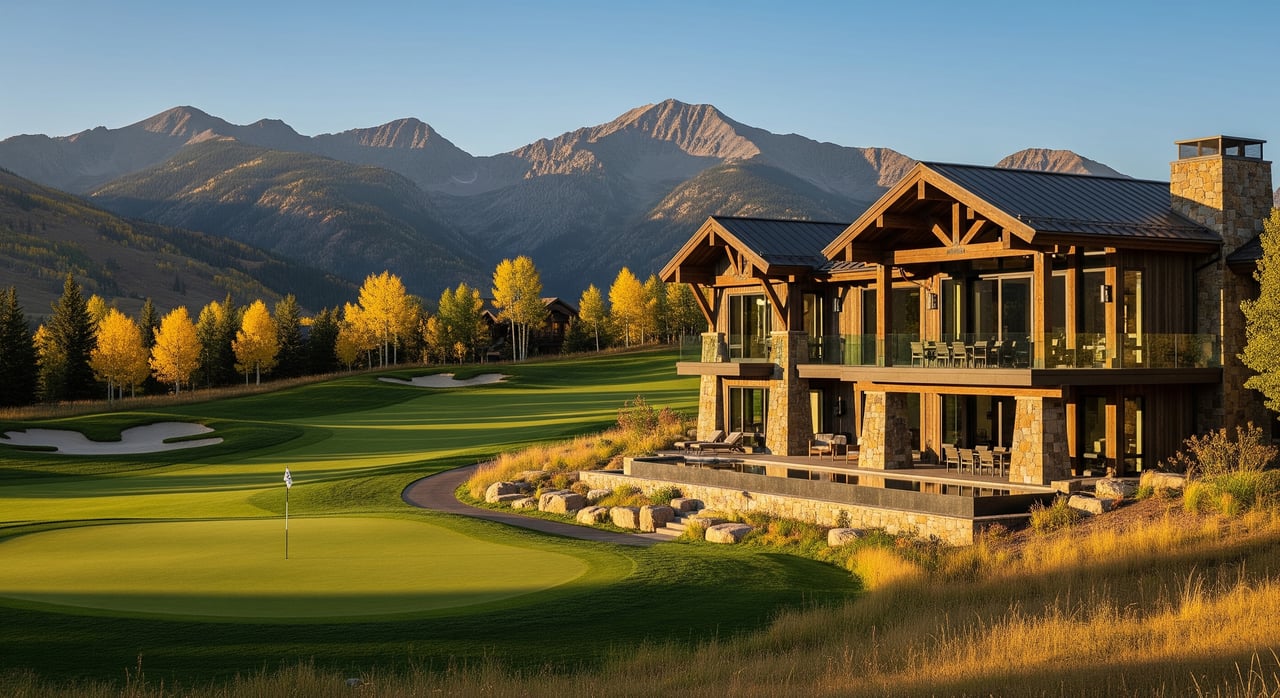
If you spent last winter watching Grand County's snowpack numbers instead of skiing on them, you already know how strange the season became.
Grand County recorded a historically poor snowpack. Mary Jane closed roughly seven weeks earlier than normal. By spring, the most obvious real estate prediction practically wrote itself:
Bad snow means fewer skiers. Fewer skiers means fewer buyers.
Then July happened.
Colorado's housing market was still moving slowly overall. According to July figures reported by the Colorado Association of REALTORS, the typical Colorado listing took 58 days to go under contract, up from 55 a year earlier.
Winter Park's reported figure was 28 days.
After one of the worst snow seasons Grand County has seen, buyers were still moving.
That doesn't mean snow stopped mattering.
It means something much more important has changed:
Winter Park is no longer being bought for winter alone.
The Winter That Should Have Hurt More
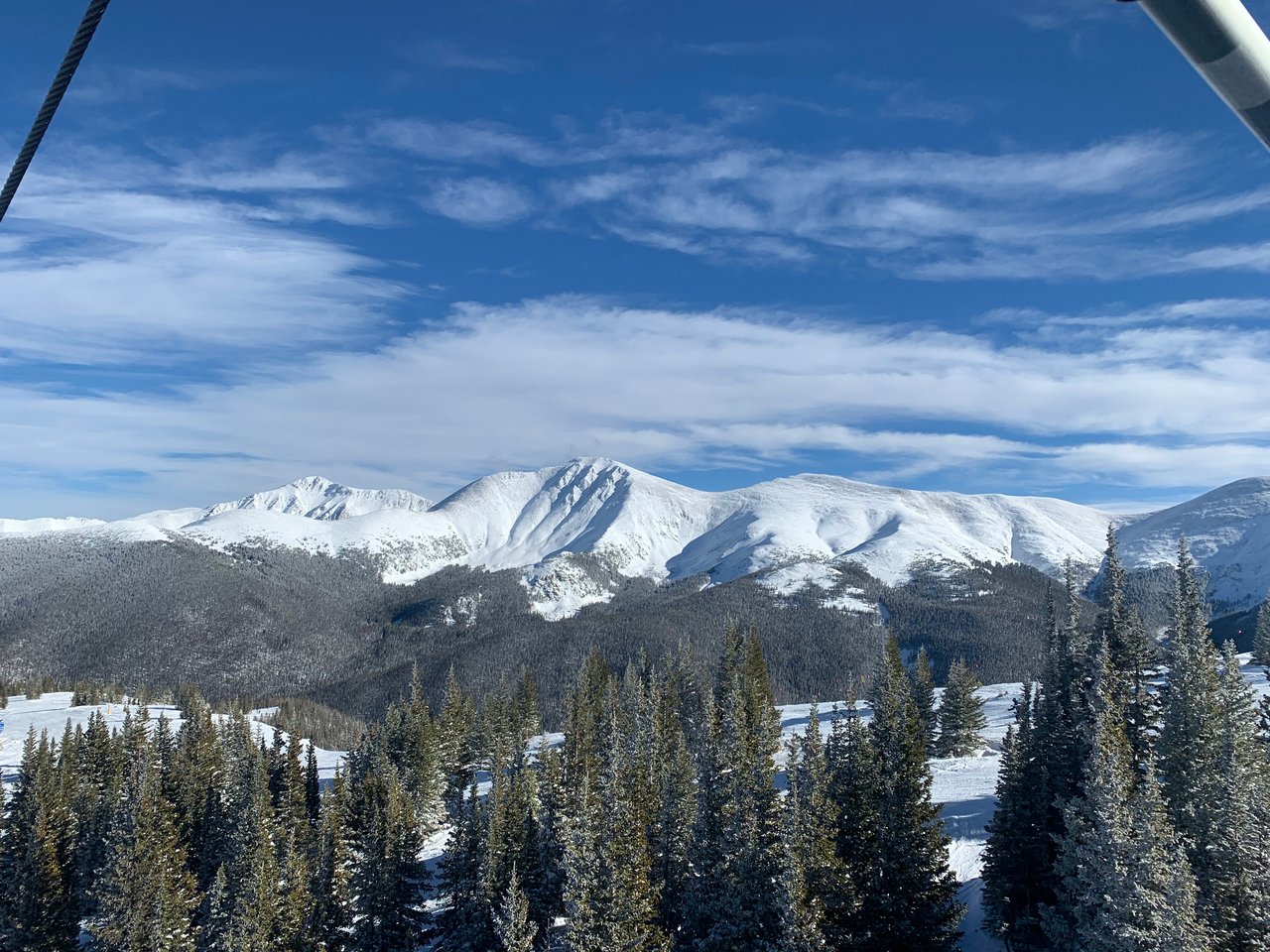
There was nothing subtle about the 2025–26 snow season.
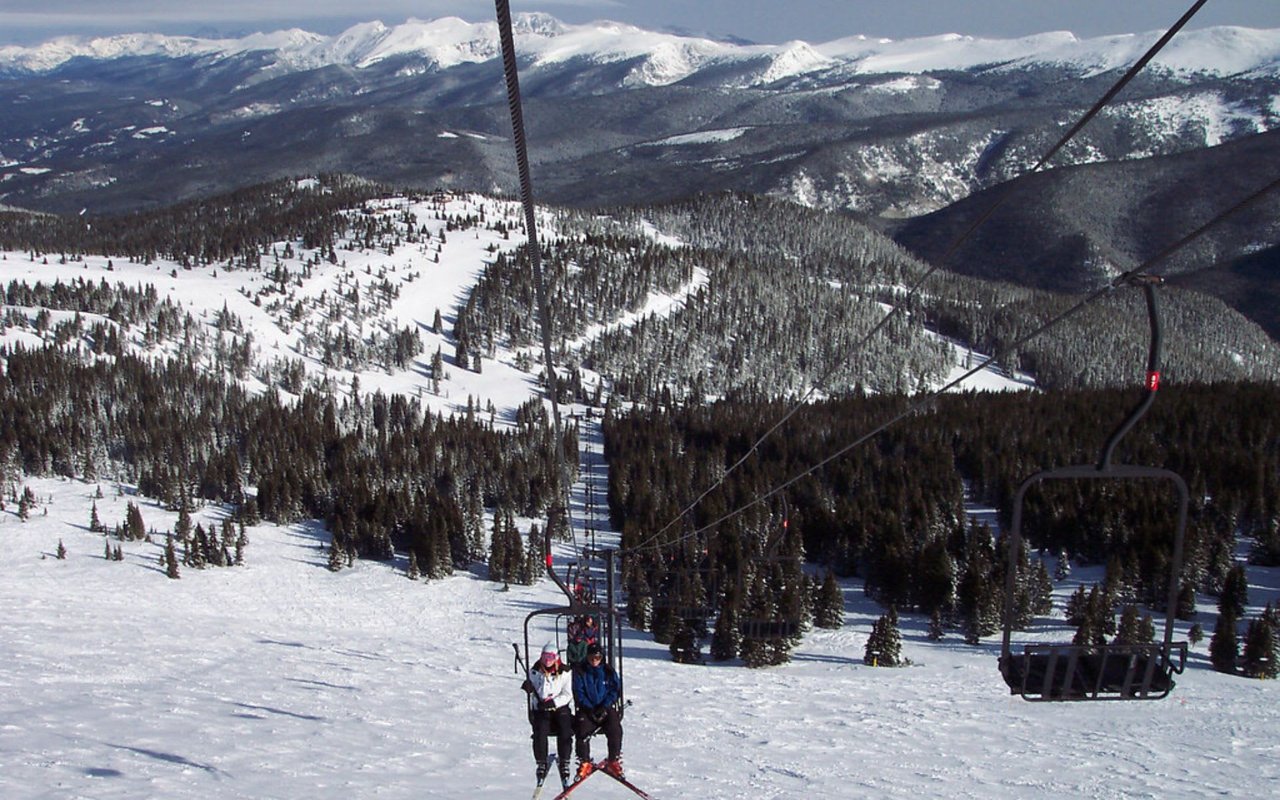
Grand County's snowpack reached record-low territory, and Mary Jane's season ended about seven weeks early.
For a mountain economy built partly around ski traffic, that's the sort of winter that should expose just how dependent the local housing market is on snowfall.
And there were signs of softness.
Agents described May and June as slow. Buyers became more selective. Sellers made concessions. Condos and townhomes faced more scrutiny around HOA dues, insurance, rental potential and total monthly carrying costs.
None of that looks like the buying frenzy of 2021.
But that's precisely why Winter Park's July number is interesting.
The statewide market wasn't suddenly booming. Colorado had slightly fewer pending contracts than it did the previous July, and listings were taking longer to move.
Yet Winter Park's reported days-on-market figure came in at less than half the statewide number.
Not every property sold quickly.
But enough did to challenge the simplest version of the ski-town equation.
Winter Park and Fraser Had the Same Snow. They Didn't Have the Same Market.
Drive roughly five miles north on Highway 40 and you reach Fraser.
Same valley.
Same winter.
Same access to Winter Park Resort.
Very different numbers.
Redfin's three-month market data ending June 2026 put Fraser's median sale price at approximately $869,500, down 27.5% from the same period a year earlier.
Homes averaged 47 days on the market compared with 35 the year before, while 23 homes sold in June versus 35 the previous June.
That doesn't mean Fraser suddenly became undesirable.
It means town-level medians can move dramatically depending on what actually sold.
And that's the first place buyers should be careful with this data.
Winter Park and Fraser aren't two controlled experiments where the only variable is snowfall. Their inventories differ. Their new-construction pipelines differ. Their condo, townhome and single-family mixes differ. A handful of high- or low-priced closings can move a small mountain-town median dramatically.
But the divergence still tells us something useful.
If snow alone were controlling demand, we'd expect the entire Fraser Valley to move more or less together.
It isn't.
The Bigger Split May Be Property Type
One of the clearest housing stories in Colorado this year isn't geographic at all.
It's the growing divide between single-family homes and attached housing.
The Colorado Association of REALTORS has reported softer conditions for condos and townhomes, with weaker buyer demand, longer marketing times and more pressure on pricing than the single-family market.
That's showing up in buyer conversations in Grand County too.
A condo buyer isn't evaluating only the purchase price anymore.
They're adding up HOA dues.
Insurance.
Potential assessments.
Rental restrictions.
Property management.
Financing.
Monthly carrying costs.
Then they're asking whether they'll actually use the property enough to justify all of it.
That calculation gets harder after a disappointing ski season.
A single-family buyer may be making a very different decision.
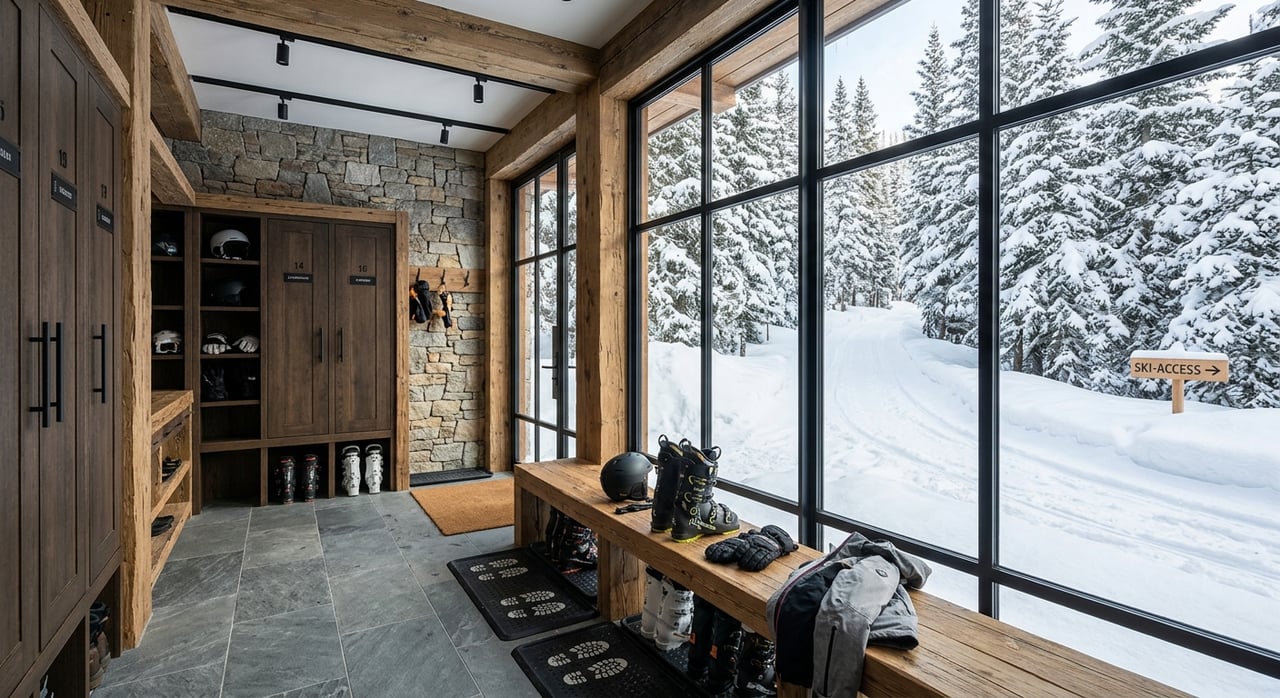
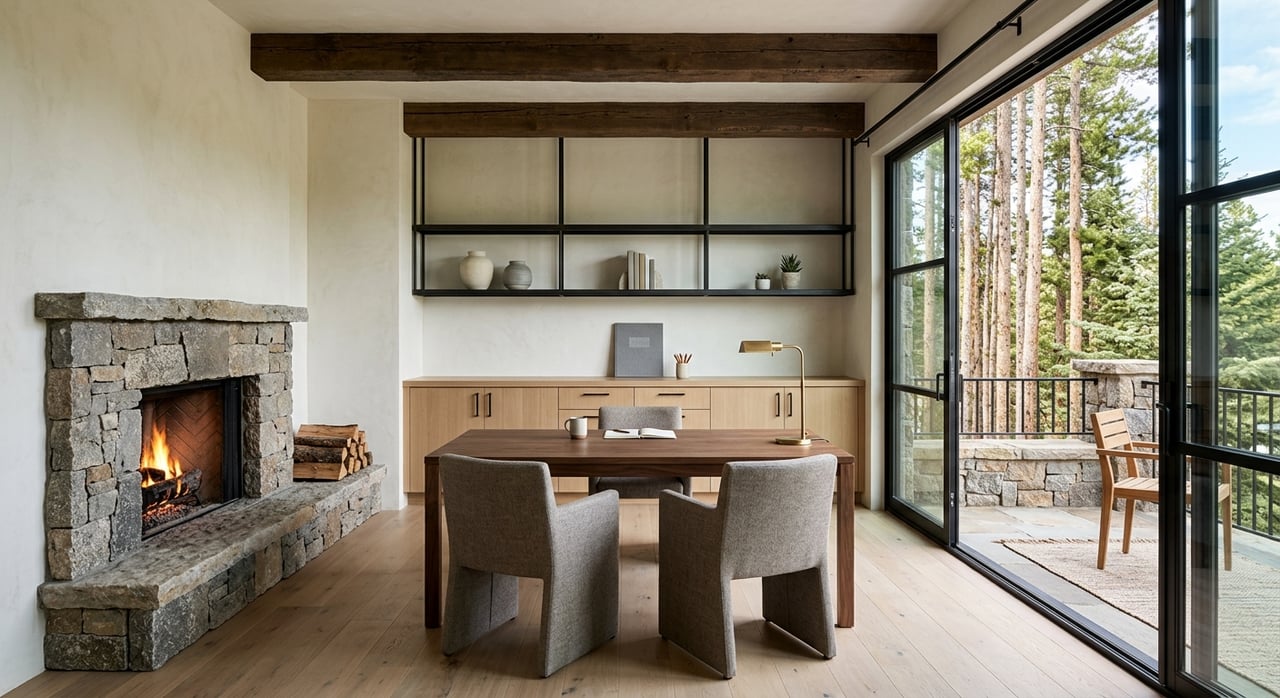
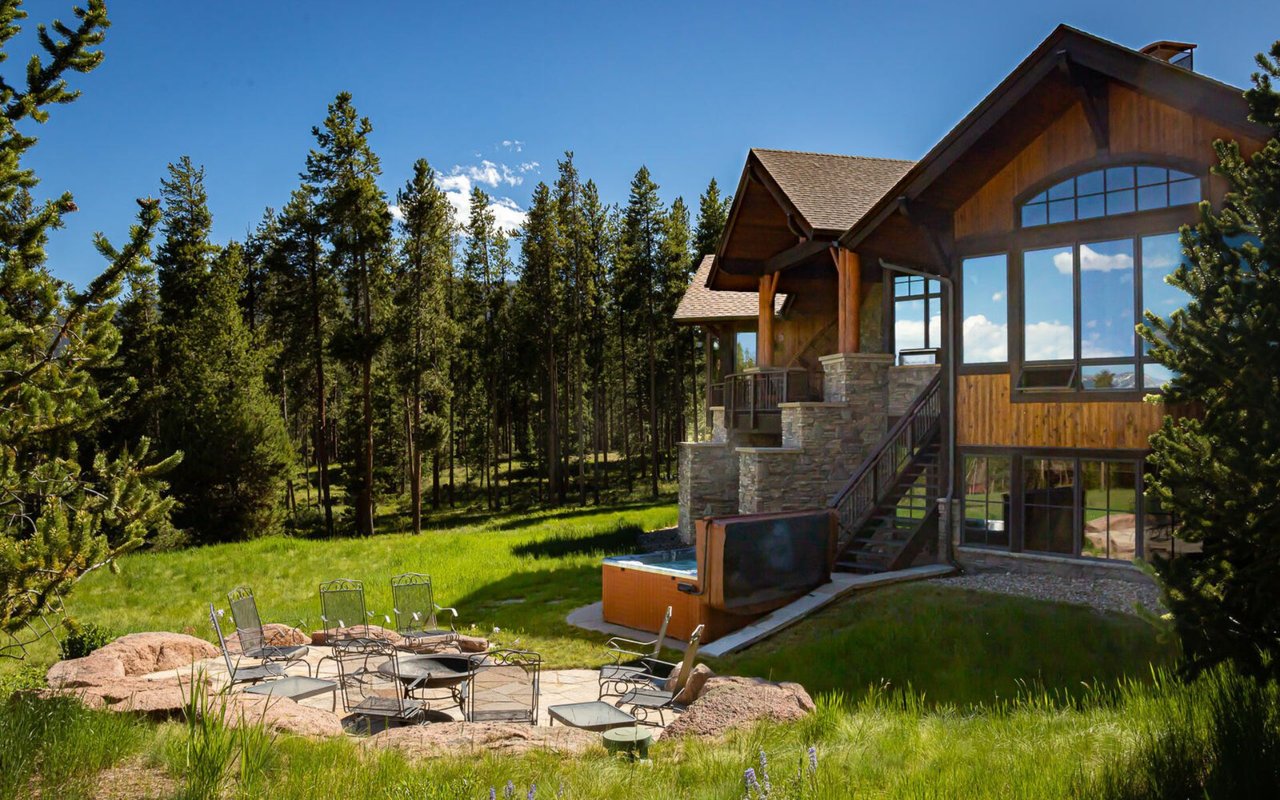
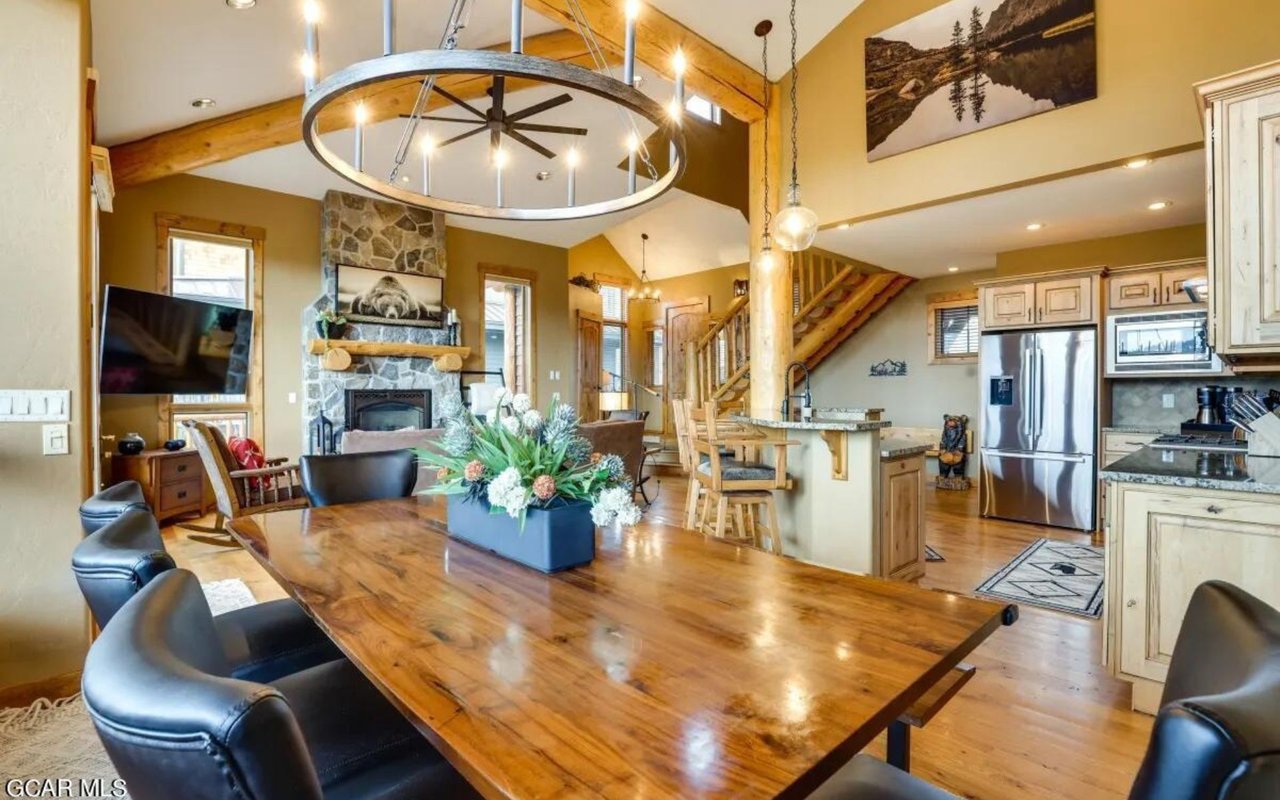
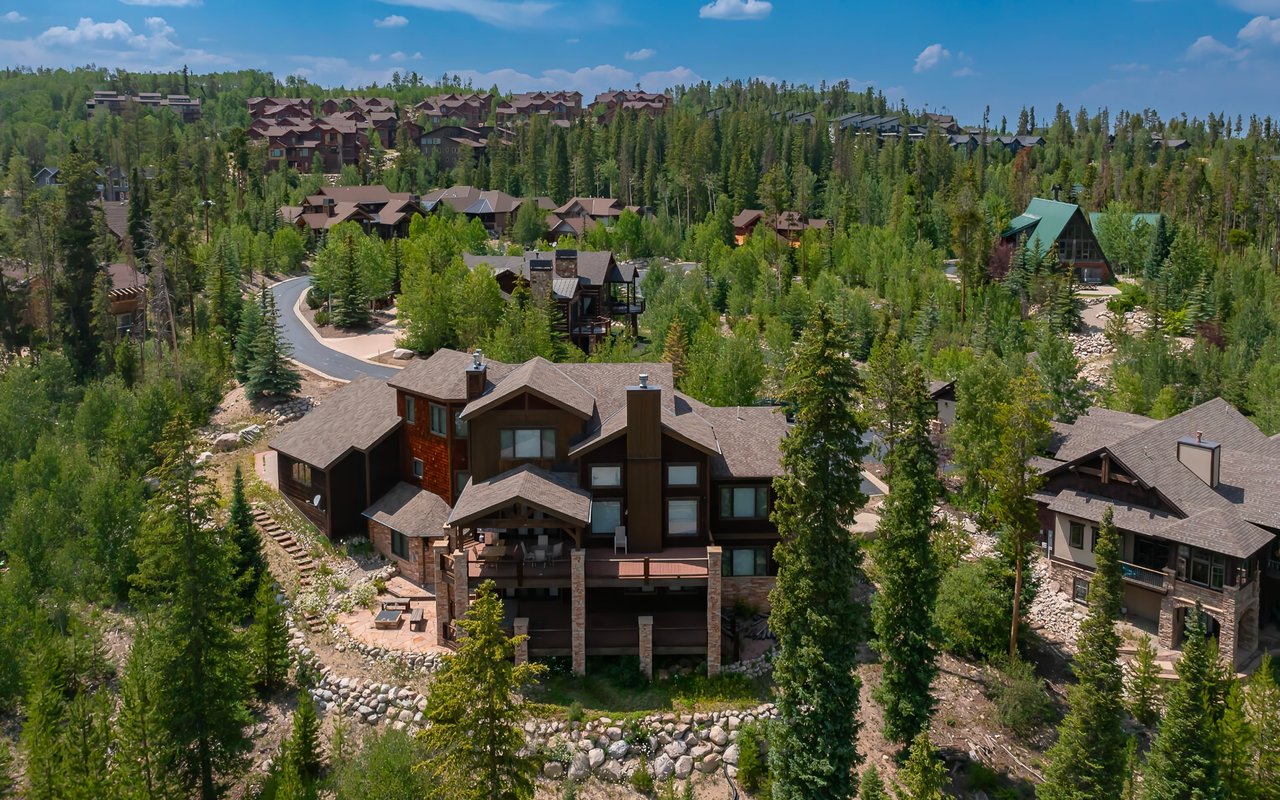
They're often buying more bedrooms, more privacy, more storage, longer stays and a house designed around bringing family and friends to the mountains throughout the year.
And there's evidence that buyers are still willing to spend heavily for the right version of that product.
Nearly $3 Million Homes Sold Out After a Snowless Winter
This may be the detail that says more about today's Winter Park buyer than any median price.
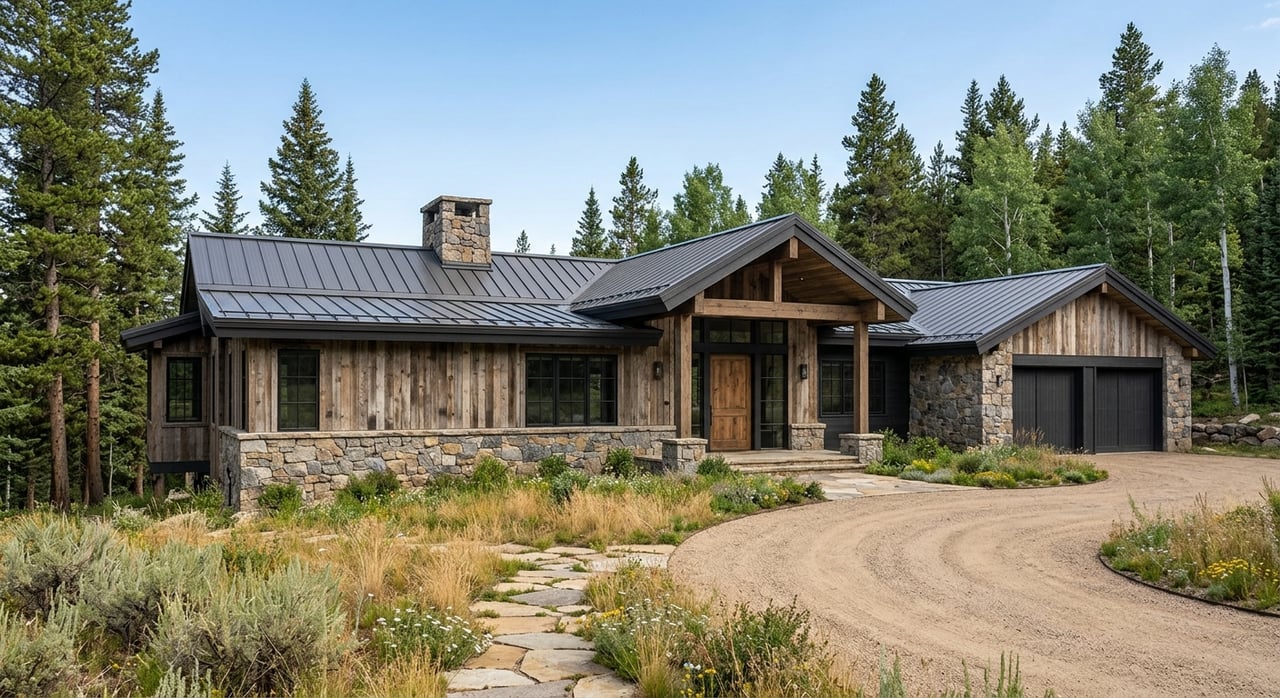
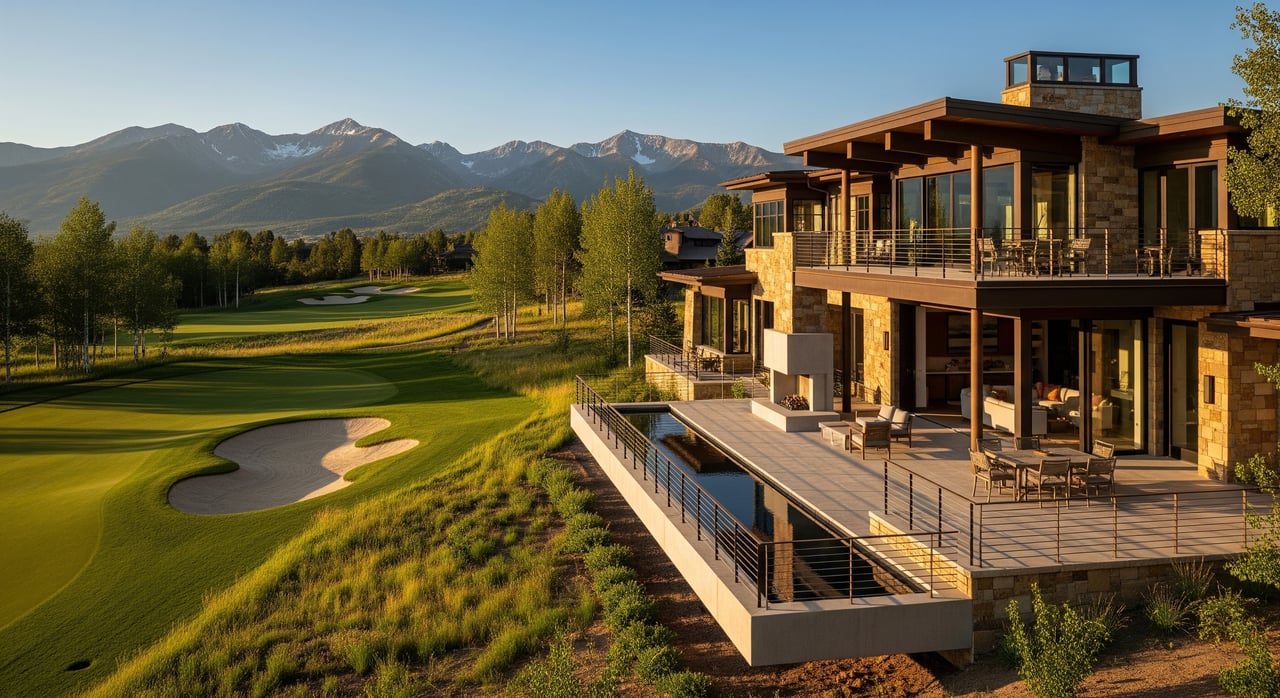
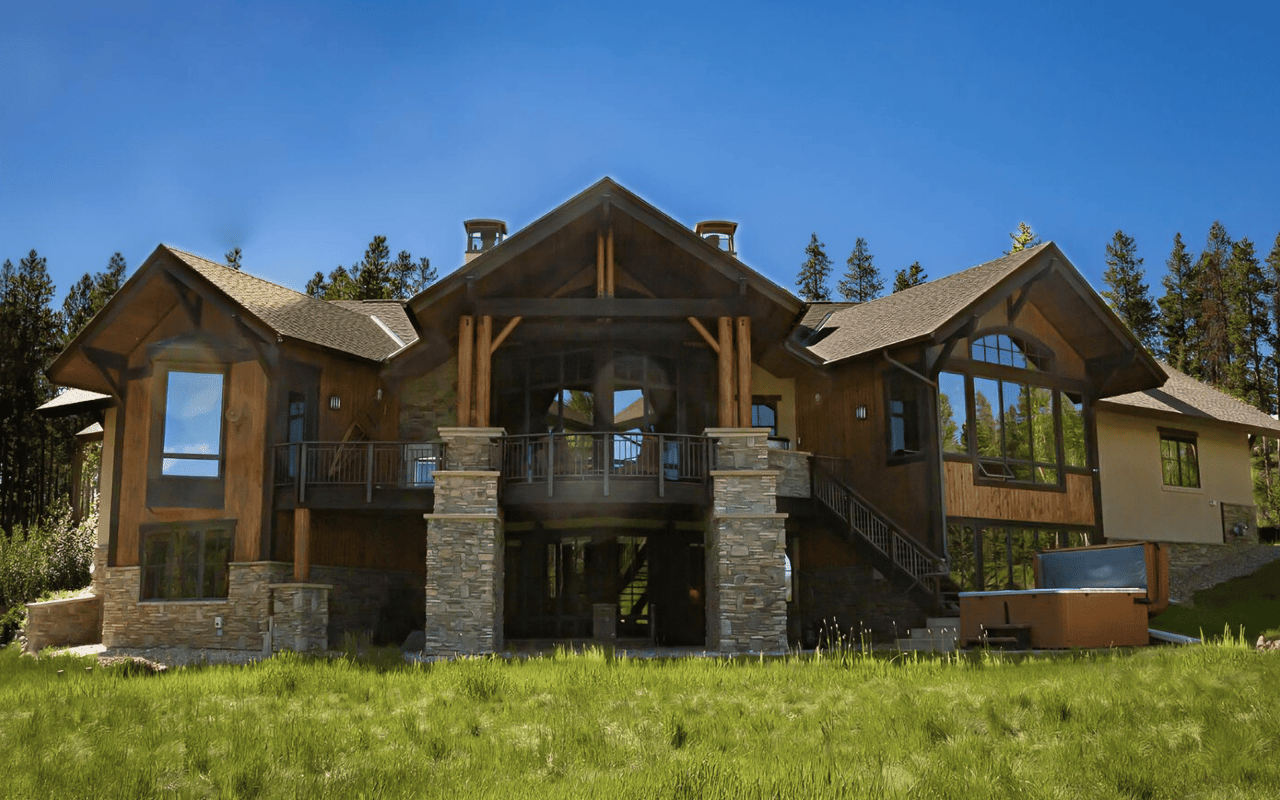
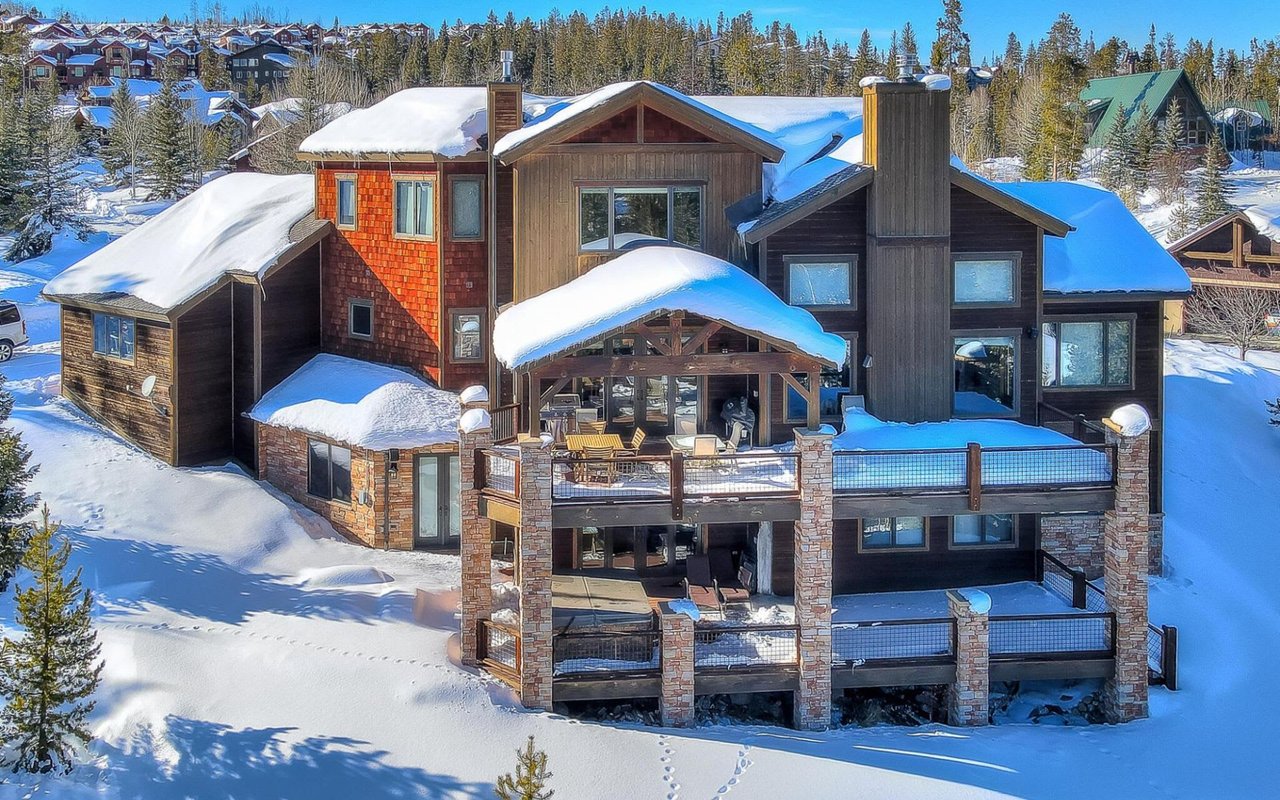
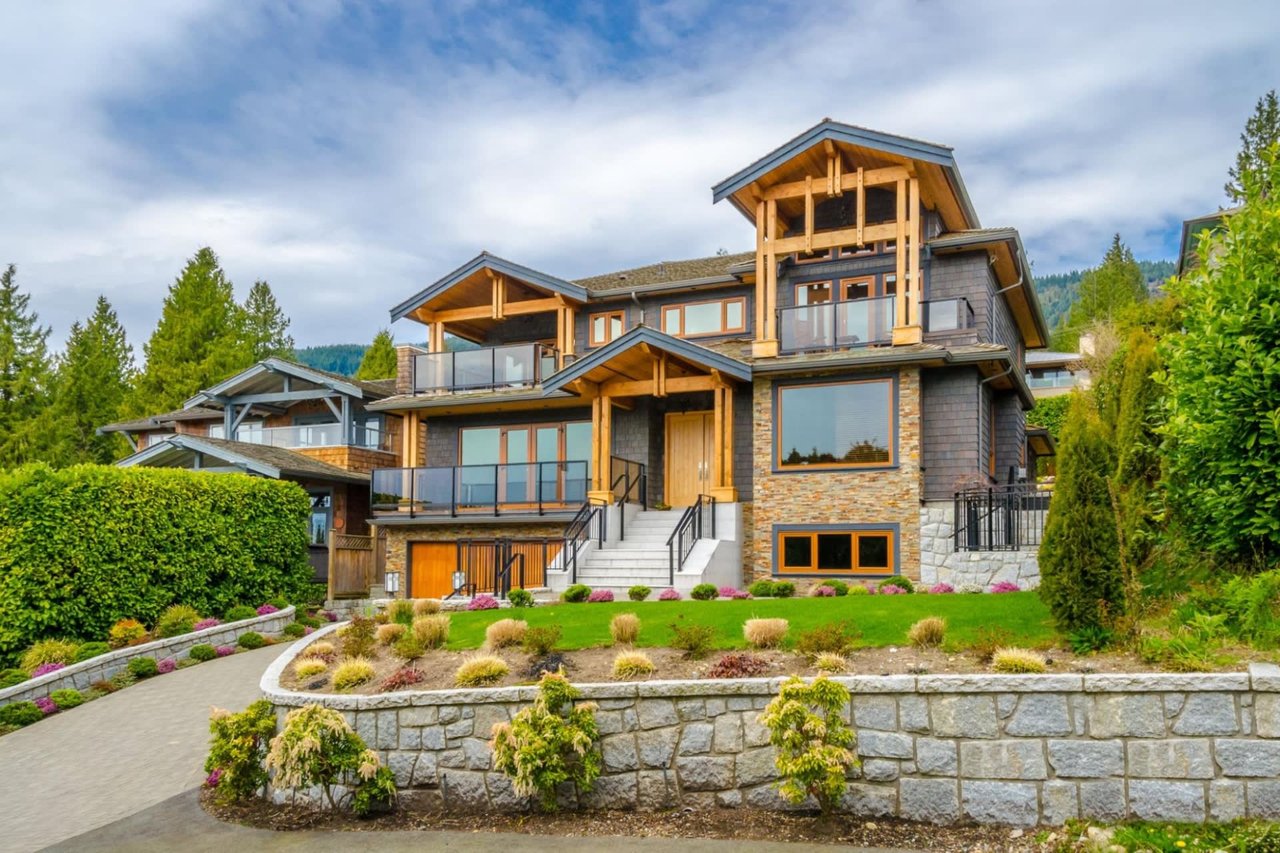
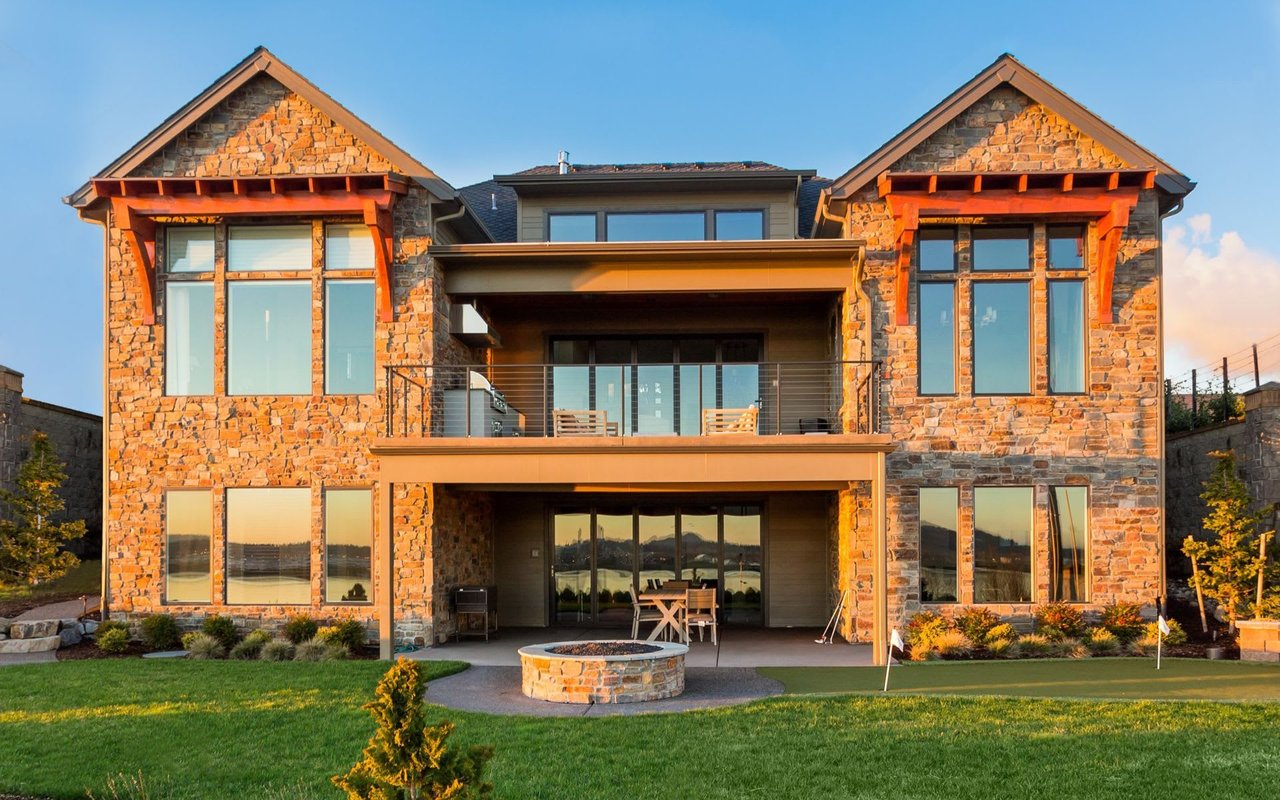
Koelbel's Osprey and Meadowlark single-family models at Rendezvous are roughly 3,000 square feet and larger.
By August, an entire cul-de-sac of the homes had sold out at prices near $3 million each.
Additional homesites remain, with base pricing above $2 million, while typical finished purchases reportedly land closer to $3 million depending on options.
Meanwhile, a three-bedroom condo built around 30 years ago in central Winter Park had recently sold after originally being listed at $900,000.
Two properties in the same mountain market.
Two very different buyer propositions.
One asks:
How close am I to skiing?
The other asks:
Can everybody come?
That distinction is becoming increasingly important.
Koelbel says buyers have specifically been asking for five-bedroom layouts, enough space for friends, cousins, kids and extended stays.
That's not weekend-condo behavior.
That's mountain-home behavior.
The Buyers Aren't All Coming From Denver Anymore
There is another piece of the demand story that's easy to miss if you're only watching Grand County's internal numbers.
Some buyers are arriving from other Colorado resort markets.
Dana Keller, vice president of sales and marketing for Koelbel, told The Denver Gazette that the company has been seeing buyers come from Aspen, Summit County and Vail.
Her explanation wasn't price alone.
It was community.
Buyers, she said, are looking for a more authentic mountain-town environment.
That's a significant shift in how Grand County competes.
For years, Winter Park could be framed primarily as the more approachable alternative to Colorado's larger resort markets.
Closer to Denver.
Less expensive.
Less polished.
More local.
Now some of the traits that once made Winter Park the less glamorous option are becoming selling points.
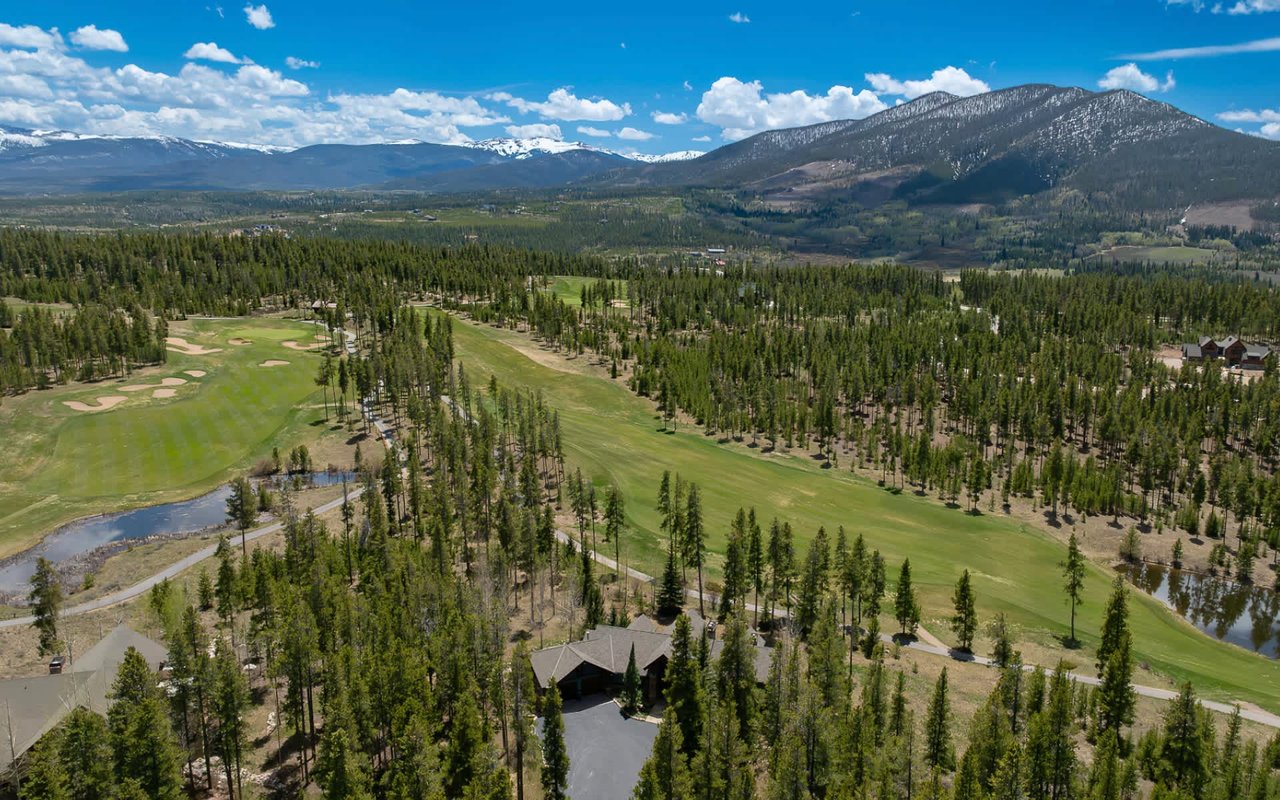
There's more room in the valley.
There is extensive national forest access.
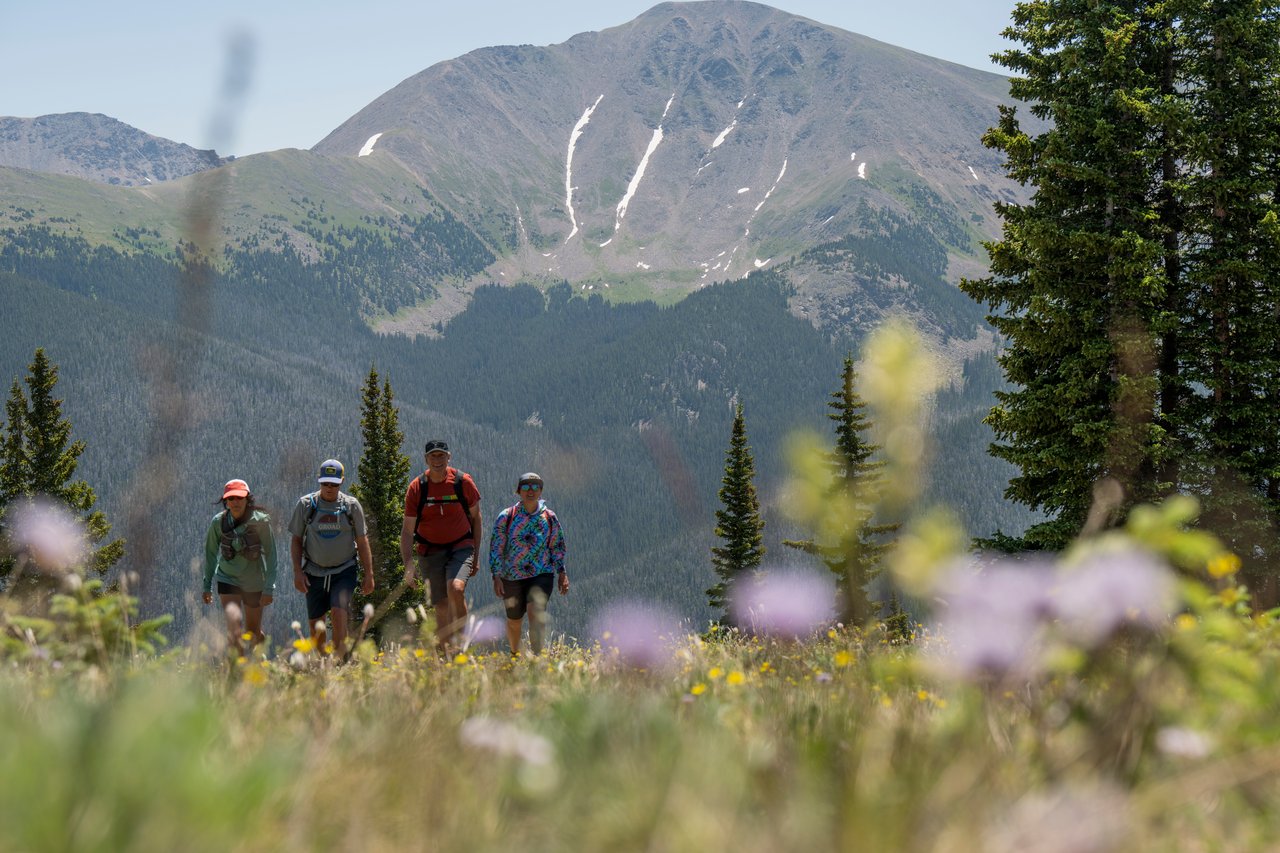
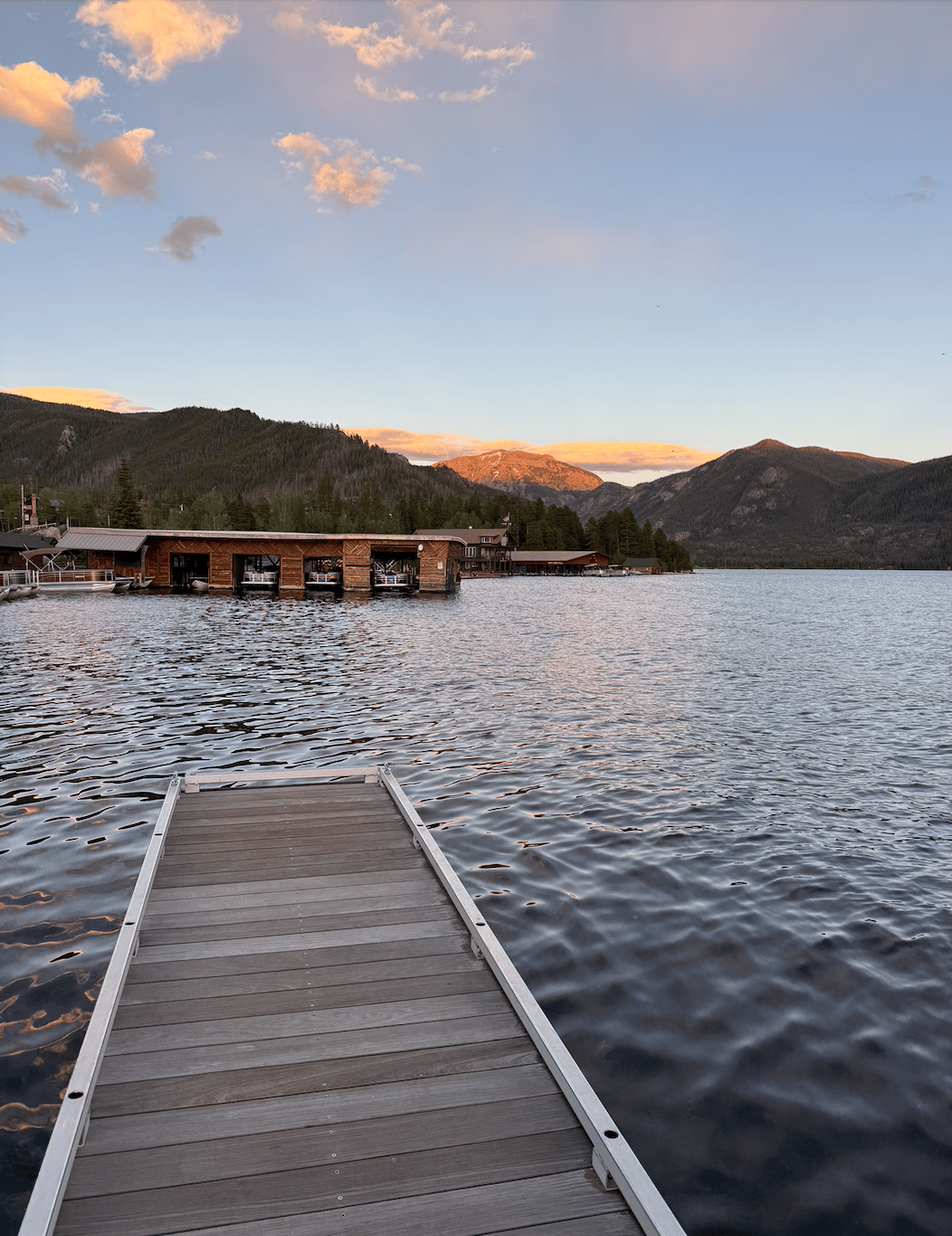
Summer brings hiking, fishing, mountain biking, camping and events.
And compared with several other major Colorado resort corridors, the approach from Denver doesn't require crossing the Eisenhower Tunnel.
Koelbel says its buyers still skew heavily toward the Front Range, roughly 70%, but buyers from outside that traditional pool are increasingly part of the story too.
Summer Is Doing More Work Than It Used To
Winter Park Resort's name is almost unfair at this point.
Winter built the place.
Summer is increasingly helping sell it.
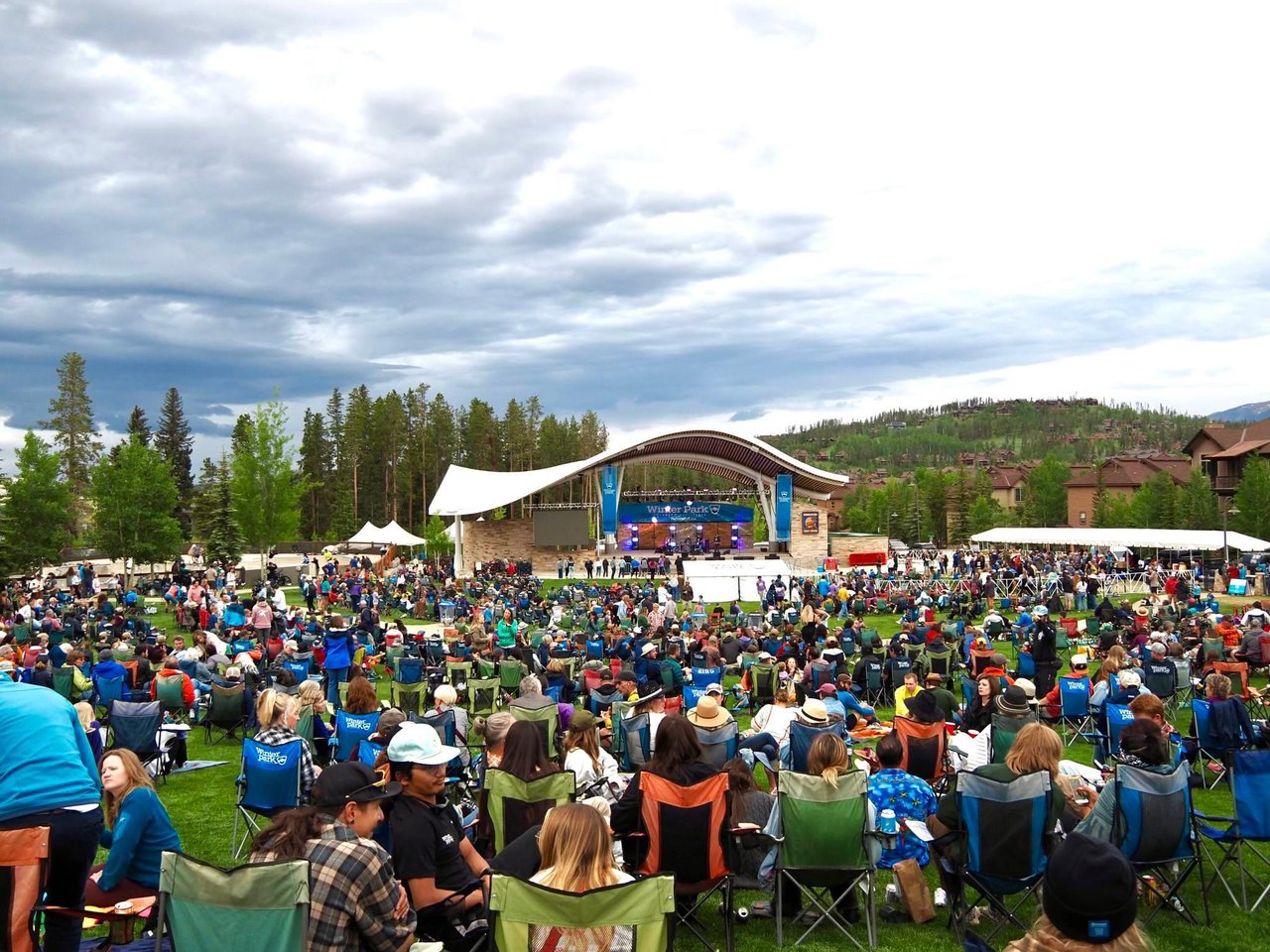
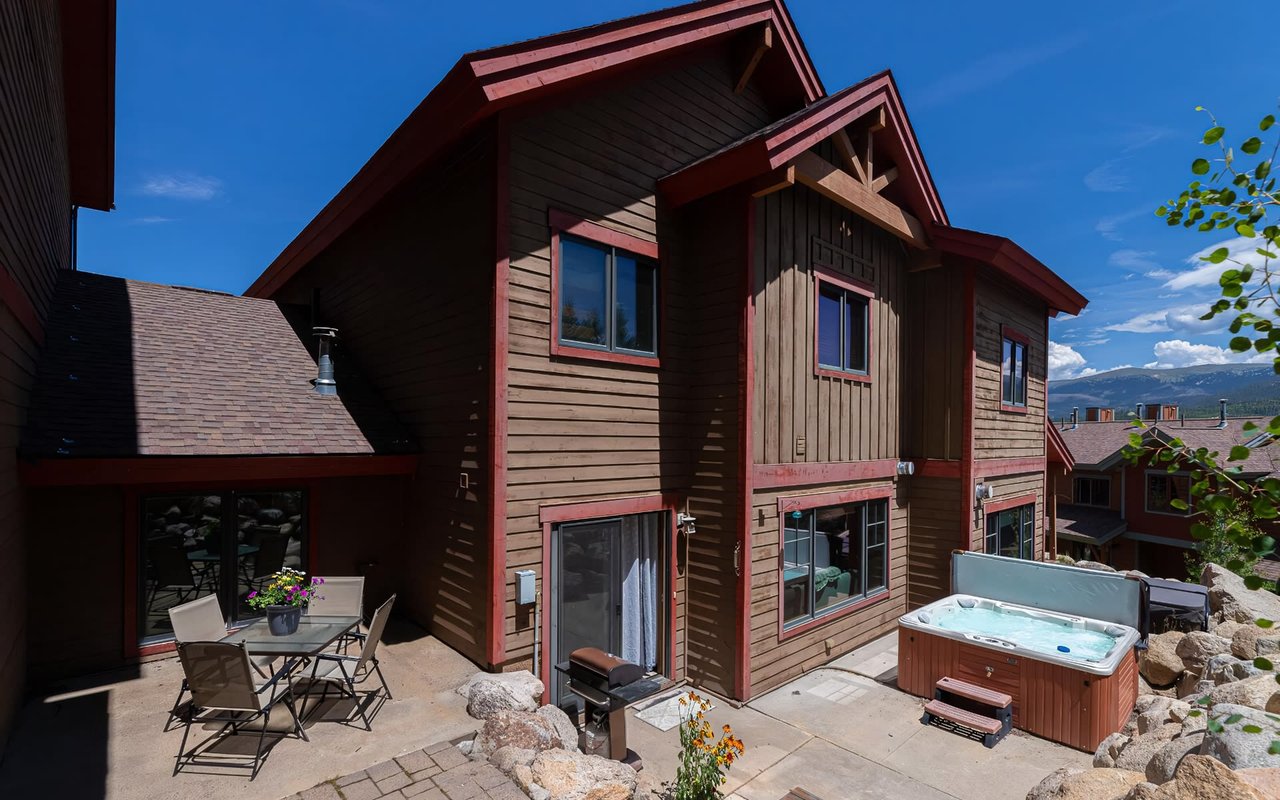
Winter Park Resort actively operates as a summer destination, with mountain biking, hiking, scenic gondola rides, events and other warm-weather recreation. The wider valley adds fishing, camping, trail systems, access to Arapaho National Forest and proximity to Rocky Mountain National Park.
That matters because it changes the ownership calculation.
A mountain property used to be easier to justify if you skied enough days.
A year-round mountain property gets justified differently.
Maybe you ski 20 days.
But you also spend June biking.
July fishing.
August at concerts.
September hiking.
October watching the aspens change.
Suddenly, one poor snow season affects the value proposition less than it would if the house existed exclusively to support ski weekends.
That's likely part of what we're seeing now.
Not the disappearance of winter demand.
The addition of other demand.
Then There Is the $2 Billion Question
Winter Park buyers also aren't evaluating today's town in isolation.
They're looking at what it may become.
The broader Winter Park Unlocked vision has been described as involving more than $2 billion in public and private investment, including resort-base redevelopment, expanded terrain, new lodging and commercial development, infrastructure improvements and much stronger connections between downtown and the mountain.
The proposed Vasquez expansion would add roughly a square mile of terrain and, if fully built as envisioned, significantly expand Winter Park Resort.
Then there's the planned aerial transit system connecting downtown with the resort.
But this is where the language matters:
the downtown gondola is still in planning and feasibility work. Construction has not started.
The Town is still evaluating its Downtown Portal configuration, including how the system could interact with Vasquez Road.
So a buyer shouldn't price a future gondola into an offer as though they'll be riding it next season.
But they also shouldn't ignore the scale of investment being contemplated around them.
There is a difference between buying because a gondola is supposedly coming and recognizing that one of North America's largest resort operators, the Town of Winter Park, developers and public entities are simultaneously planning substantial long-term investment in the same small valley.
That's not a snow forecast.
It's a development forecast.
A Bad Winter Didn't Make Buyers Stop Caring About Winter Park
This is where the original assumption breaks.
A terrible ski season should matter to a ski town.
And it did.
Some properties sat.
Some sellers negotiated.
Attached housing faced pressure.
May and June were slow.
But the market didn't react as though one bad winter had changed what Winter Park is worth to buyers.
In July, the Colorado market as a whole was taking 58 days to move listings under contract.
Winter Park's reported figure was 28.
Meanwhile, new single-family product near $3 million was selling.
Buyers were arriving from the Front Range, but also from Aspen, Vail and Summit County.
And the people building the next generation of homes were adding bedrooms because buyers wanted to bring more people with them.
Those aren't signs that snow doesn't matter.
They're signs that snow is no longer the whole thesis.
What This Means If You're Buying in Grand County Right Now
The most useful conclusion from the 2026 market isn't "buy Winter Park."
It's that Grand County can't be analyzed as one market anymore.
Winter Park isn't Fraser.
Fraser isn't Granby.
Granby isn't Grand Lake.
And within each town, a 30-year-old condo with substantial monthly carrying costs isn't competing for exactly the same buyer as a five-bedroom single-family home.
That's why countywide medians can be misleading.
So can town medians.
The more useful questions are:
What type of property are you buying?
Who is likely to buy it from you someday?
What will it cost to carry?
How much of its appeal depends on rental income?
How much depends on skiing?
What exists around it twelve months a year?
And what is likely to change in that particular neighborhood over the next five or ten years?
Those questions tell you considerably more than the snow report.
Frequently Asked Questions About the Winter Park Real Estate Market
Did Winter Park real estate slow after the poor 2025–26 ski season?
Parts of the market did. Local agents described May and June as slower months, and buyers have become increasingly selective about price and carrying costs. However, July data reported through the Colorado Association of REALTORS showed Winter Park listings moving considerably faster than the statewide figure.
How fast were Winter Park homes selling in July 2026?
The July market figures cited by The Denver Gazette put Winter Park's days-on-market figure at 28 days, compared with 58 days statewide.
Different data providers use different methodologies and time periods, so buyers should compare property-specific and MLS data rather than treating one townwide number as representative of every listing.
Is Fraser's real estate market down in 2026?
Fraser has shown significant year-over-year softness in recent data. Redfin's three-month figures ending June 2026 put the median sale price at roughly $869,500, down 27.5% year over year, with average days on market increasing from 35 to 47.
Because Fraser is a relatively small market, changes in the mix of homes sold can significantly affect the median.
Are condos harder to sell than single-family homes right now?
Attached properties have generally faced more buyer scrutiny in 2026, particularly around HOA dues, insurance, assessments, rental potential and other carrying costs. That does not mean every condo is underperforming or every single-family home will sell quickly.
Property condition, location, HOA health, price and amenities remain critical.
Are buyers moving to Winter Park from Aspen and Vail?
Koelbel has reported seeing buyers coming from Aspen, Summit County and Vail, with some attracted by Grand County's sense of community, year-round recreation and comparatively less developed mountain environment.
Is the Winter Park downtown gondola under construction?
No. As of August 2026, the planned aerial transit system remains in planning and feasibility work. The Town is evaluating alternatives for its Downtown Portal near Cooper Creek Square and Vasquez Road.
Will Winter Park Resort expand?
Winter Park Unlocked includes plans for significant long-term resort expansion and redevelopment, including the proposed Vasquez terrain expansion, base-area investment and improved connections between downtown and the resort. Portions of the broader vision remain conceptual and subject to approvals, design changes and future construction schedules.
Is Winter Park a year-round real estate market now?
Increasingly, yes. Skiing remains a major driver of the area's economy and appeal, but summer recreation, events, mountain biking, hiking, fishing, proximity to the Front Range and long-term resort investment all contribute to buyer demand beyond ski season.
The Number Matters. The Property Matters More.
A countywide statistic can tell you whether Grand County is moving.
It can't tell you why one property sells in three weeks while another sits for three months.
And in 2026, that distinction matters more than it has in years.
If you're comparing Winter Park, Fraser or another Grand County community, John Sanderson at RE/MAX Peak to Peak can help you look past the headline number and understand the product, neighborhood, carrying costs and long-term changes that actually shape value.
Because five miles can change the market.
And sometimes one HOA statement can change it even more.